As the first road crossing of Sydney Harbour in more than 30 years, the NSW Government project Western Harbour Tunnel, being delivered by Transport for NSW and delivery partner Acciona, is set to make it easier, faster and safer to get around Sydney.
The six lane, 6.5 km twin-tunnels connect the upgraded Warringah Freeway near North Sydney with Rozelle and the WestConnex M4 and M8 at the Rozelle Interchange bypassing the CBD to reduce pressure on the Sydney Harbour Bridge, Sydney Harbour Tunnel, Anzac Bridge and Western Distributor corridors.
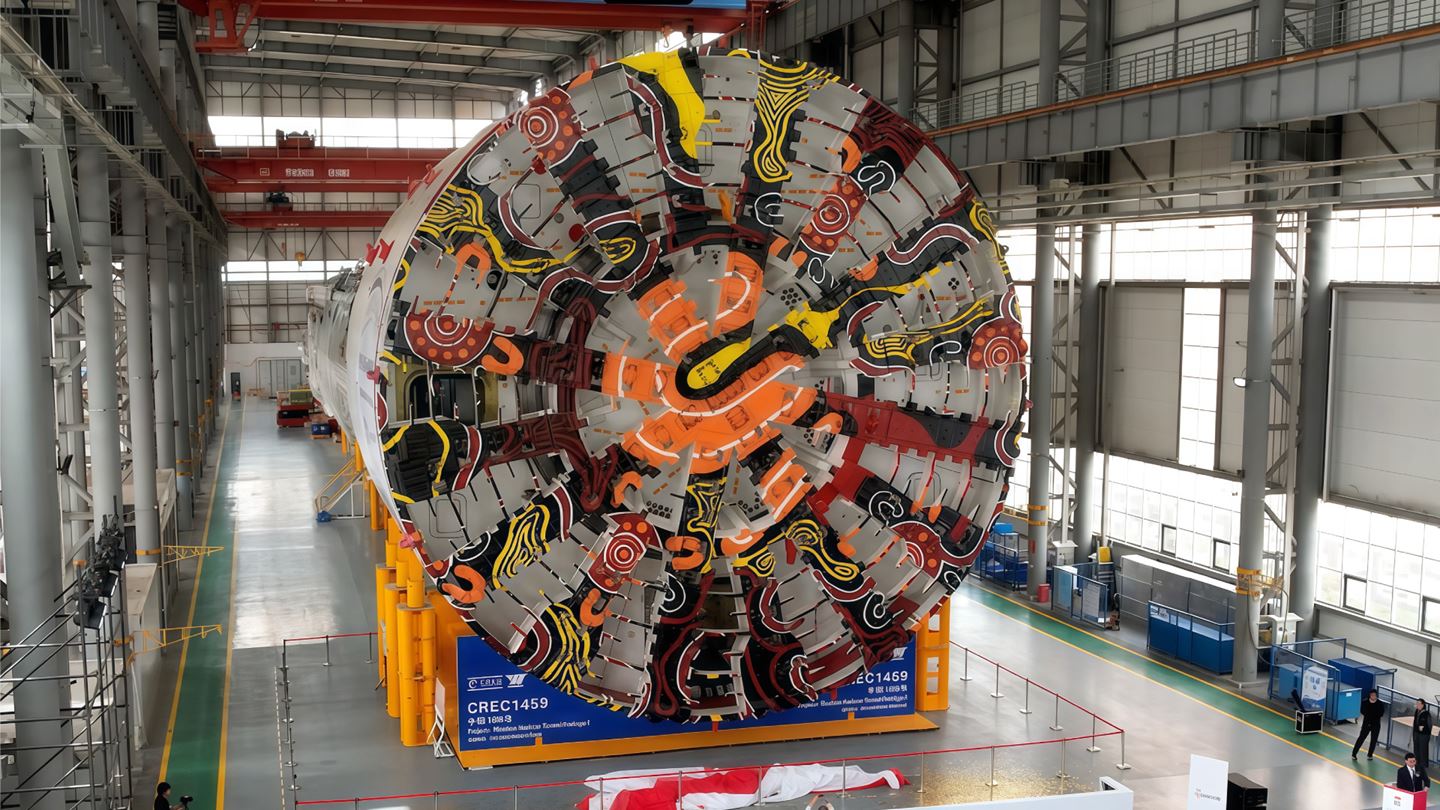
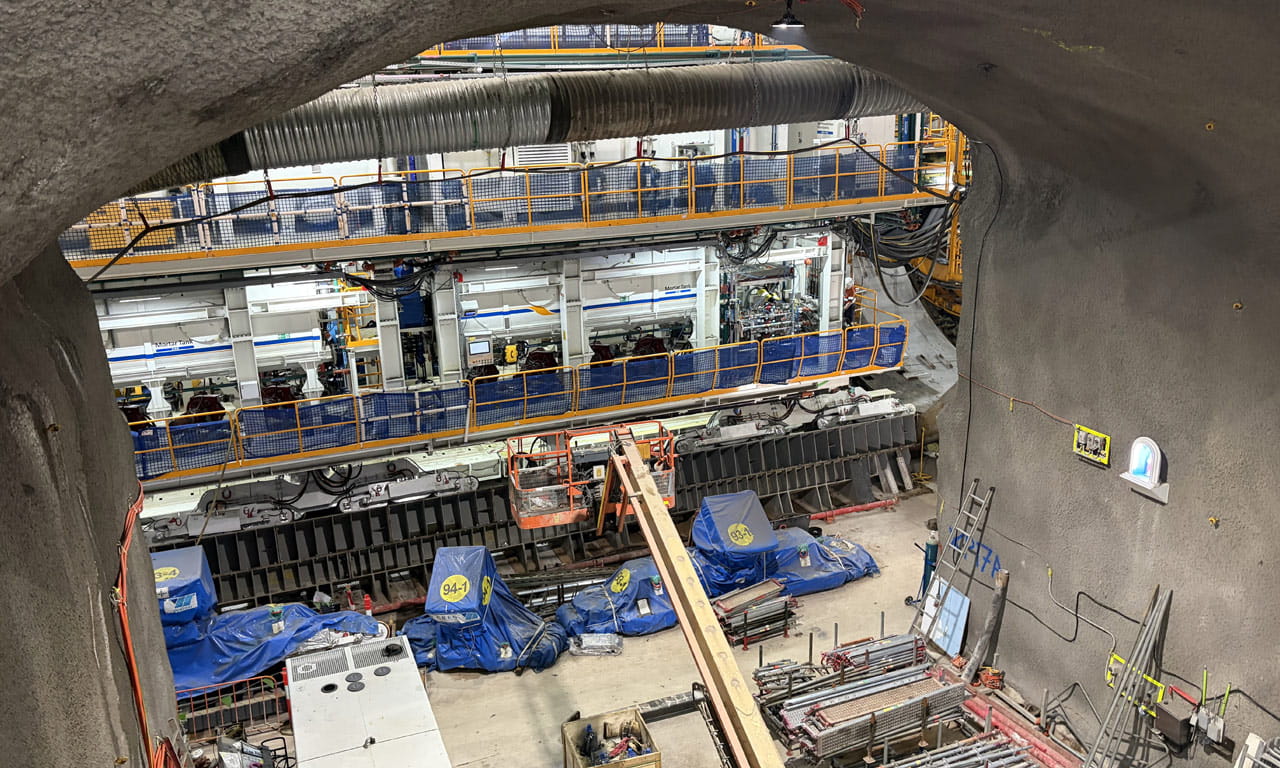
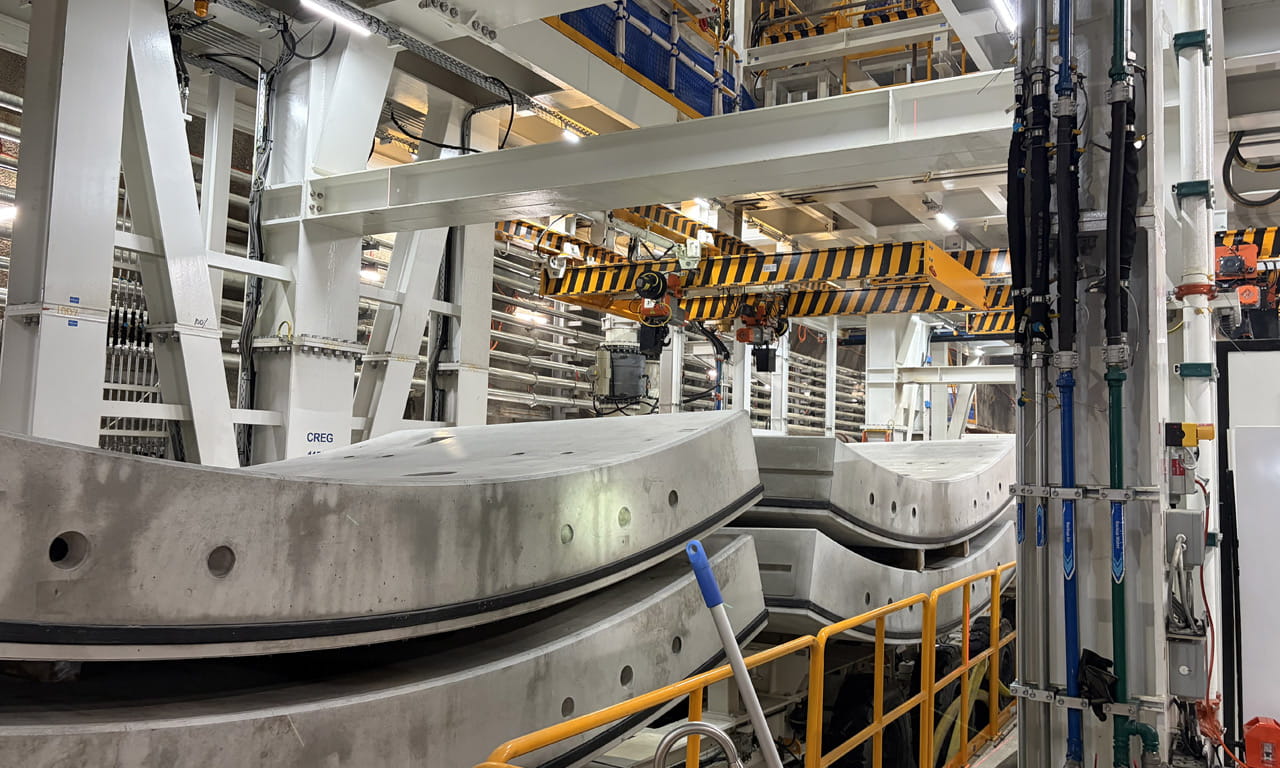
Notably, the 1.5 km section of tunnel under Sydney Harbour is being excavated using tunnel boring machines (TBMs). This solution was developed by the joint venture (JV) construction and design teams during the tender stage, flipping the project’s reference design to achieve significant cost and time savings, improve environmental outcomes and minimise community disruption during construction.
Western Harbour Tunnel's six lane 6.5 km twin-tunnels are set to make it easier, faster and safer to get around Sydney.
Aurecon, with our JV design partner AECOM, is engaged as the lead design consultant to Acciona, the principal contractor, across the full scope of structural, tunnelling and civil engineering.
Drawing on Aurecon’s global talent, a multi-disciplinary and multi-geography team has contributed from Auckland, Sydney, Melbourne, Brisbane, Darwin, Adelaide, Hong Kong and the Philippines providing capability across mined and bored tunnels, geotechnical and hydrogeological engineering, structures, fire engineering, durability, roads, drainage, intelligent transport systems (ITS), lighting, plus construction phase services. A truly multi-disciplinary response to a project of considerable scale and genuine complexity.
Challenging the brief to deliver the best solution
Designing the switch to TBMs was one of Aurecon's most consequential contributions. Transport for NSW’s reference design was built around an immersed tube tunnel (IMT), the same approach used for the existing Sydney Harbour Tunnel constructed in the 1990s. The IMT method required extensive seabed dredging, large onshore coffer dams and major cut-and-cover landfall structures, along with the excavation and disposal of contaminated harbour material. The potential risks to biodiversity, water quality, harbourside communities and harbour traffic, particularly around Berrys Bay and Yurulbin Point, were significant.
Using TBMs improved project efficiency while minimising environmental impact and community disruption.
The JV construction and design team challenged the IMT approach, drawing on shifting perceptions of large TBMs and recent success of smaller-diameter (seven metre) TBM tunnels on projects like Sydney Metro. The team made a strong case for using the largest pressurised-face TBMs in the southern hemisphere, at 15.70 metres external diameter and approximately three times the scale of a typical Metro TBM.
Aurecon, with our construction and design partners, demonstrated the solution’s feasibility through robust, evidence-based engineering design. The change in approach to TBMs generated cost savings, eliminated dredging, and removed the need for construction sites and coffer dams at Berrys Bay and Yurulbin Point. The solution created a more sustainable, community and environmentally friendly construction approach that reduced program risks.