West Gate Kids – West Gate Engagement Program, Melbourne, Australia
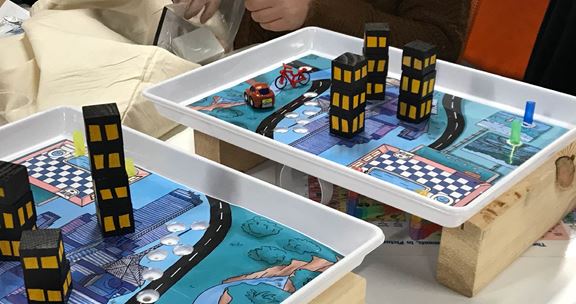
The Aurecon Jacobs Joint Venture developed a program to realise STEM engagement at the grassroots level for the West Gate Tunnel Project.



Change your location to view content tailored for you.
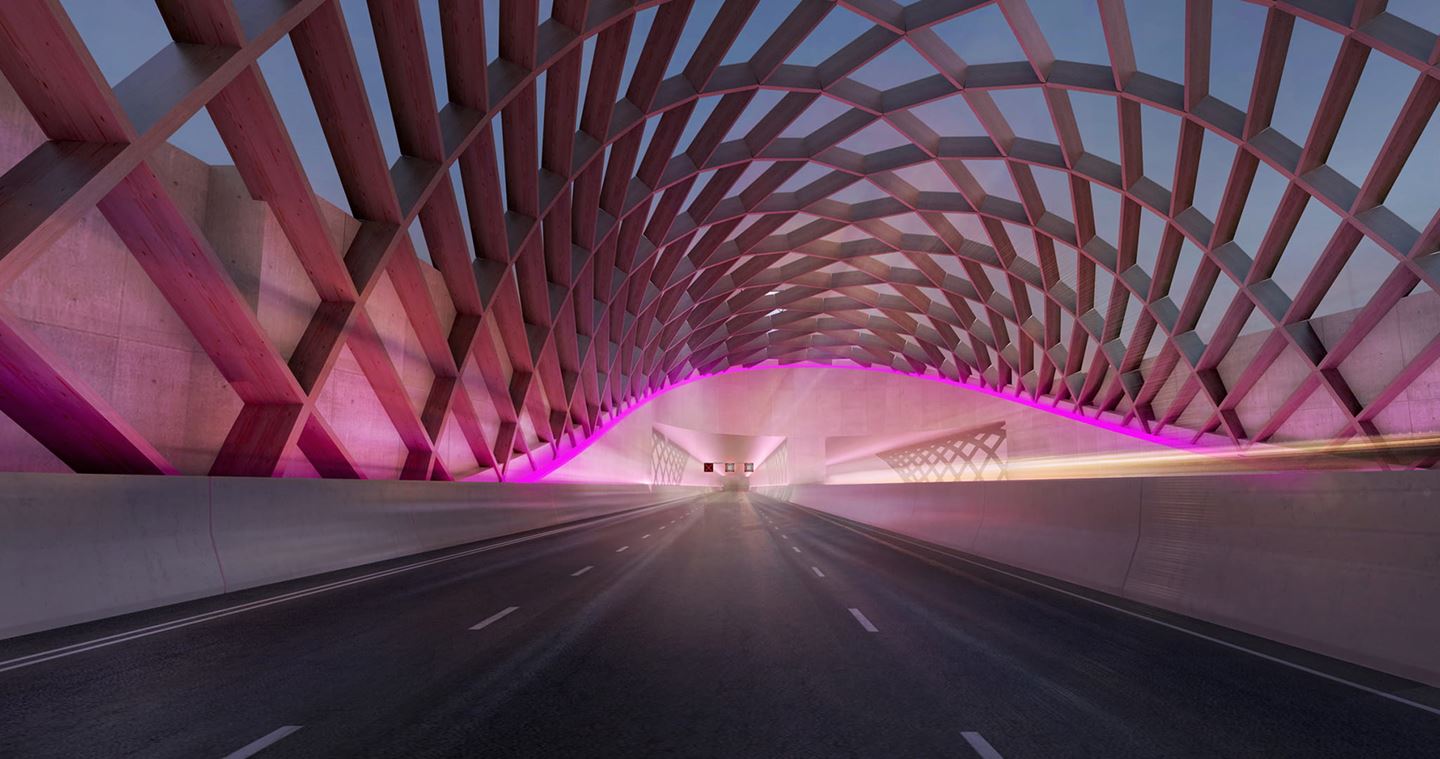
Melbourne’s West Gate Tunnel creates a much needed second river crossing for one of Australia’s most liveable cities. Delivering a vital alternative to the West Gate Bridge which, since 1978, has served as the main link between the west and the CBD.
Over the decades, as Melbourne’s population and freight demand rose, so too did challenges of congestion, bottlenecks and heavy traffic through inner west residential streets. To address these challenges, Transurban, in partnership with the Victorian Government, commissioned the West Gate Tunnel Project. Opened in December 2025, this transformative transport corridor supports ongoing growth and improves safety and connectivity on a critical cross-city route.
As part of a joint venture with Jacobs (AJJV), supporting the CPB John Holland JV as the lead design consultant for the D&C subcontract, Aurecon brought deep experience in large-scale transport infrastructure and urban integration in live road environments to this city-shaping infrastructure investment. Our design leadership enabled safer journeys, reduced congestion and elevated liveability through integrated, digitally driven infrastructure.
Aurecon’s expertise in transport and urban integration delivers safer journeys, reduced congestion, and elevated liveability through digitally driven infrastructure.


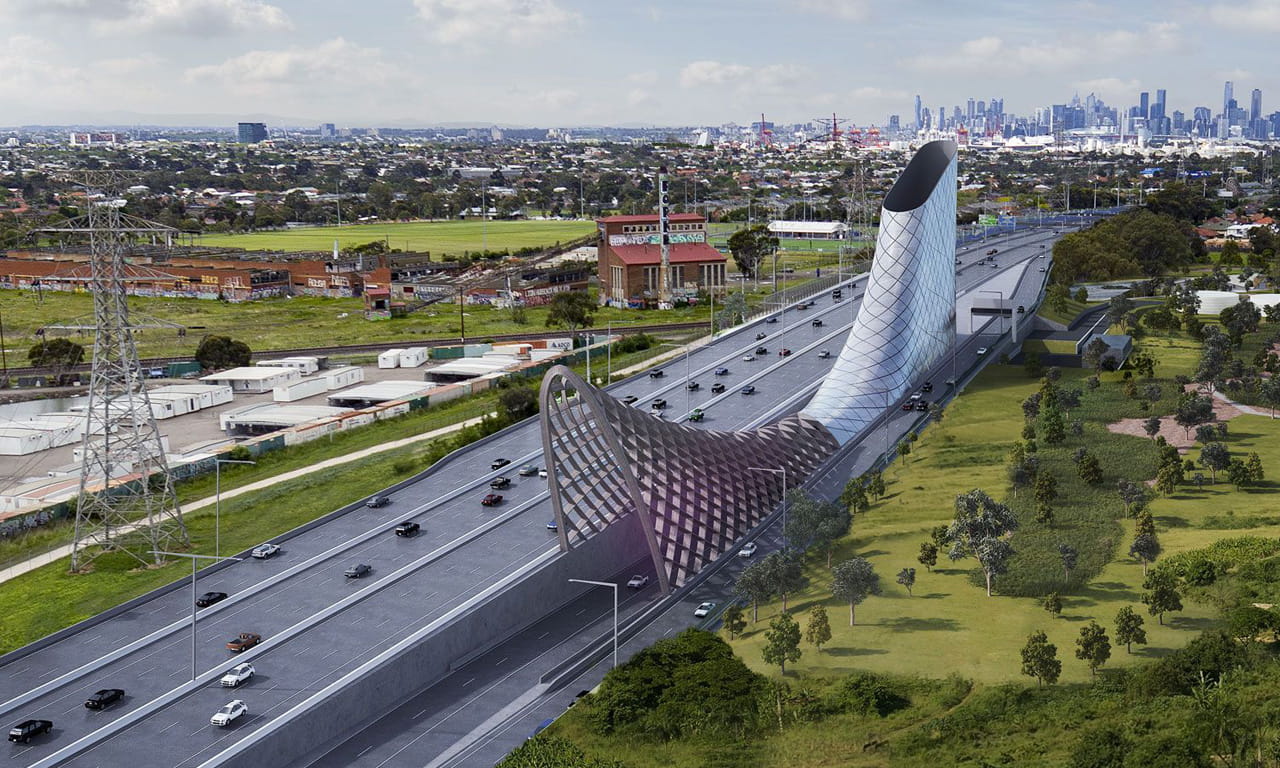
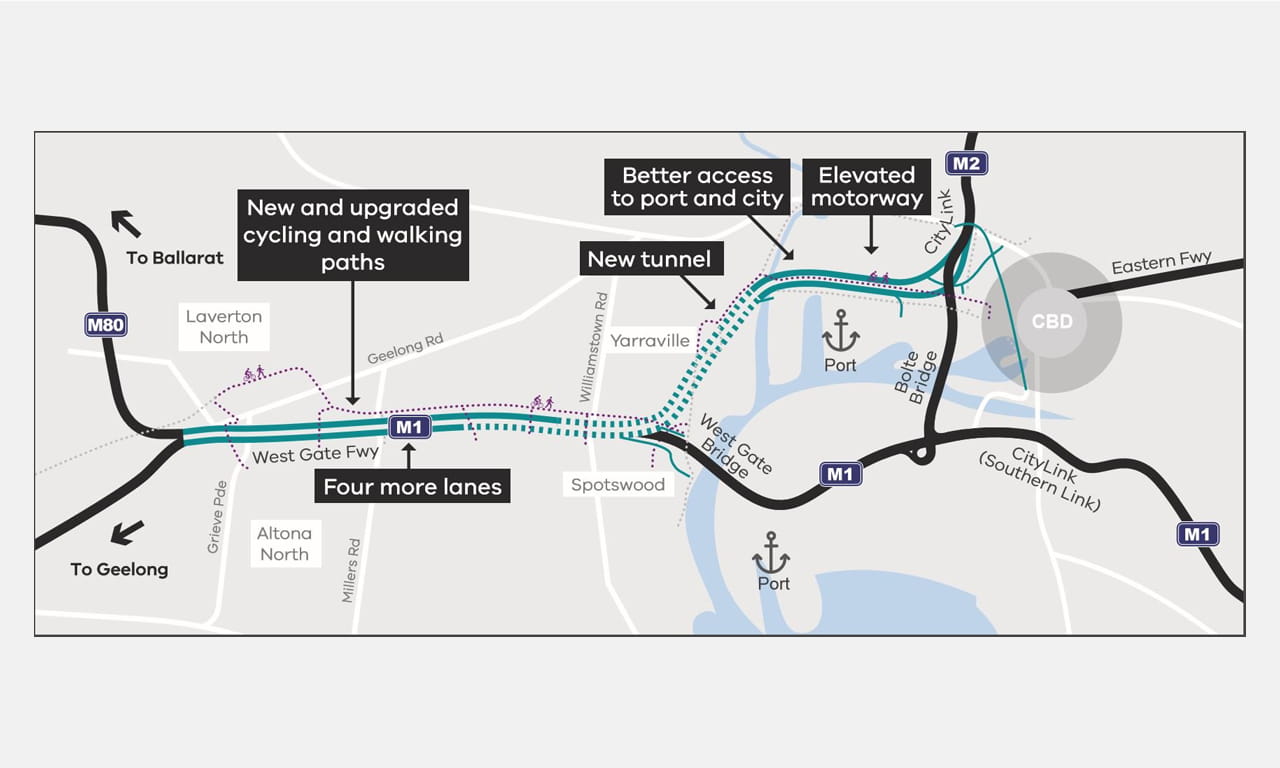
The West Gate Tunnel stands as a landmark infrastructure initiative for its scale, and for AJJV’s collaborative, digital-first and socially attuned design that underpinned delivery of a safer, more connected and more liveable transport corridor for Melbourne.
The AJJV co-created the winning tender design and continued through detailed design, contributing more than 1.9 million hours on the project over eight years. The team was responsible for tunnel permanent works for Tunnel Boring Machine (TBM) section and tunnel portals, tunnel mechanical and electrical services, tunnel geotechnical and hydrogeology, building structures, building services, bridge structures, civil (road and rail), drainage, ITS, noise and vibration, air quality, and community consultation support.
Key components of the AJJV’s design included:
At every stage, the AJJV shaped solutions that directly responded to the project's complexity. A full year of stakeholder engagement, technical investigations, and design development reimagined the concept and delivered a winning tender focused on enhanced liveability, safety and user-led solutions that arose from extensive consultation. Key design priorities included:
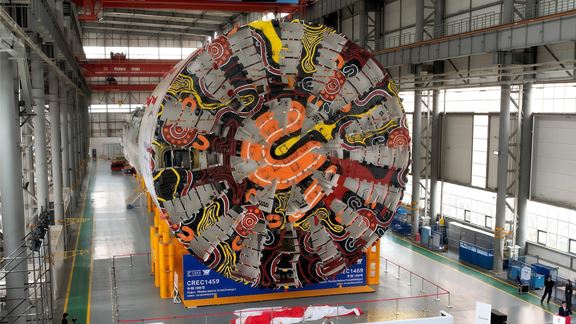
Safety in design and route interface management was a key priority, particularly at interfaces with the existing West Gate Freeway and through the TBM alignment. Cross-passage construction was rethought using a jacked box solution and single-segment TBM opening, improving constructability and significantly reducing risks associated with poor ground conditions and groundwater inflows.
Design workshops included construction, operations and maintenance teams to ensure solutions were governed by safe construction, operation and maintenance considerations. Residual risks were clearly documented and communicated throughout the project lifecycle, supporting enhanced safety outcomes.
Utilities coordination posed a potential critical risk to the project’s timeline. Aurecon minimised the chance of future clashes and delays by establishing a high level of certainty on the location of the existing utilities, leveraging a federated design model aligned with asset owner requirements, and collaborating closely with utility owners from the outset.
The team worked closely with Transurban and Victorian Infrastructure Delivery Authority to ensure the design reflected client and stakeholder objectives. Collaboration stretched across design offices in Australia, New Zealand, Asia, Europe and the United States involving more than 2,100 staff. This approach strengthened outcomes, particularly in response to feedback focused on improving liveability, safety, connectivity and open space from Altona through to the city.
For the client, application of the Digital Check Room and automation, improved design accuracy and coordination, and accelerated review timelines. Digital tools enabled late-stage changes to be delivered within two weeks – critical on a program with several hundred design packages on the construction critical path.
Bluebeam-enabled reviews allowed multiple geographically dispersed reviewers to work on the same documents in real time, while design partners collaborated globally on shared review sets. By integrating Aurecon’s global digital team, applying open-source code, bespoke workflows and the Koru platform, the team accelerated plan production, reduced communication barriers and improved coordination across disciplines.
Functional optimisation below the tunnel road deck reduced tunnel operational and maintenance costs by relocating M&E equipment from cross passages to the tunnel invert. This delivered savings in civil works, fit-out, commissioning and programme, while improving tunnel availability by allowing most maintenance activities to occur without closures.
The Aurecon Jacobs Joint Venture developed a program to realise STEM engagement at the grassroots level for the West Gate Tunnel Project.
Aurecon is transforming Sydney Harbour, replacing dredging with TBM tunnel engineering to deliver a faster, safer and more sustainable second harbour crossing.
Aurecon's active transport design expertise supports TfNSW to create a seamless, unobtrusive, step-free ramp and cycleway across Sydney Harbour Bridge.