


Change your location to view content tailored for you.
Sustainability is no longer a nice to have, it’s now fundamentally changing the entire infrastructure landscape. Major projects of the future will be the ones with project leadership and teams that understand this. There will be no room for sustainability laggards who remain focused on only schedule and budget.
Significant risks and challenges now faced in terms of whether infrastructure projects or upgrades get started, and finished, are predominantly related to sustainability. Whether it’s environmental (for example, biodiversity or nature related) or social (for example, creating or taking away employment opportunities, or addressing diversity and inclusion). These are the risks and challenges facing leaders of infrastructure projects, who will have increasing responsibility for addressing and reducing impacts.
Sustainability, like its predecessors technology and safety, has moved from sitting in a siloed department to now touching every part of a project. It is both a strategic risk and opportunity for projects, with slow action revealing not just a weakness in sustainability thinking, but also the strategic capability of leaders. Those leaders that engage government, and with entire supply chains and multiple sectors will be able to foster collaboration – with policies and plans that anchor the role of sustainability in the design and delivery of infrastructure.
Leaders of infrastructure projects will have increasing responsibility for addressing and reducing the impacts, whether they be environmental or social.
Many publicly listed organisations have already begun voluntary sustainability reporting. This includes how they manage sustainability and climate change risk in line with global recommendations from the Financial Stability Board’s Task Force on Climate-related Financial Disclosures. Their decision to start comes in preparation for regulatory changes.
These are likely to become mandatory and the International Financial Reporting Standards is driving a level of rigour and integrity around sustainability performance and financial benchmarking that hasn’t been seen before. In a very similar style, the newly released Taskforce for Nature-related Financial Disclosure framework outlines reporting requirements on an organisation’s progress towards the adoption of nature positive practices.
The journey towards better sustainability outcomes on major projects will be continuous. The outcomes available will be different for each organisation, and each major project. What is known, is that investors, analysts, shareholders, insurers, government, consumers and communities will be watching closely to assess each major project on its sustainability performance and integrity.
How projects are designed and delivered requires a new way of thinking and acting. Line of sight now needs to extend across the entire supply chain, from the sourcing of finance, resources, services, and products (their origination, movement and circularity), to their social value. This is in addition to continually identifying opportunities to add sustainability value during business case development, project planning, design, and implementation.
It's a complex journey to navigate, one where there will be trade-offs, and it is not possible to prioritise all of the UN’s 17 Sustainable Development Goals (SDGs). Consequently, an organisation’s corporate or project mandate will have trade-offs with the SDG’s it addresses based on local context and outcomes identified.
Another challenge for designing and delivering major projects is the quality of sustainability actions that are identified and accepted. There’s been a big shift towards sustainability, together with a desire by businesses, industries and individuals for more sustainable living: however, society is at the point where scepticism is creeping in as people no longer take promises at face value. This is where quality comes in as it’s an approach to measure, verify and quantify outcomes.
Stakeholders are seeking verification of impact – as an example a trend that is becoming clear in carbon markets where there is now a price separation for different forms of carbon offsets. A premium already exists for higher integrity projects where there is high confidence that carbon is removed from the atmosphere and stays removed.
Quality management has a long history of being able to cut wastage, produce better designs faster, and therefore cut costs. It comes with an array of systems, processes and methodologies that make improvements constantly. It’s seen as an enabler within organisations and projects.
There have been waves of quality in design, and safety in design, to the point where these are universally accepted and ingrained in projects, processes and production. Sound and proven quality management systems and tools can be the driving force to help achieve sustainability outcomes of a high standard.
Our transportation networks, which facilitate the movement of both people and goods, are one of the world’s largest economic ecosystems and have a fundamental role to play in shifting sustainability dial.
Improved sustainability is being demanded within all major modes of transport, driven by a growing awareness of the impact from both vehicle emissions and construction materials. Protecting both communities and the environment will only be achieved through a combination of renewable energy use, alternative and circular material usage, more efficient use of the networks, and building less through digital and AI driven design and construction methods. Alternative and reduced energy use, along with different design and construction methods, promote holistic systems thinking to protect and preserve communities and the environment.
The most significant impact transportation can make is by reducing operational emissions from car and truck fleets, as well as those related to road freight, shipping, and aviation. Lessons can be learnt from the resources industry, where some of the largest trucks, plant and equipment in the world are transitioning to electric or hydrogen fuel cells. This offers numerous benefits to advancing sustainable transportation technologies including energy efficiency, environmental impact, and energy independence for operators.
Another key potential impact is to continue to push for mode shift onto more sustainable public transportation systems, which will enable a more efficient use of our networks and also speed up emissions reductions as these fleets transition to renewable fuel sources.
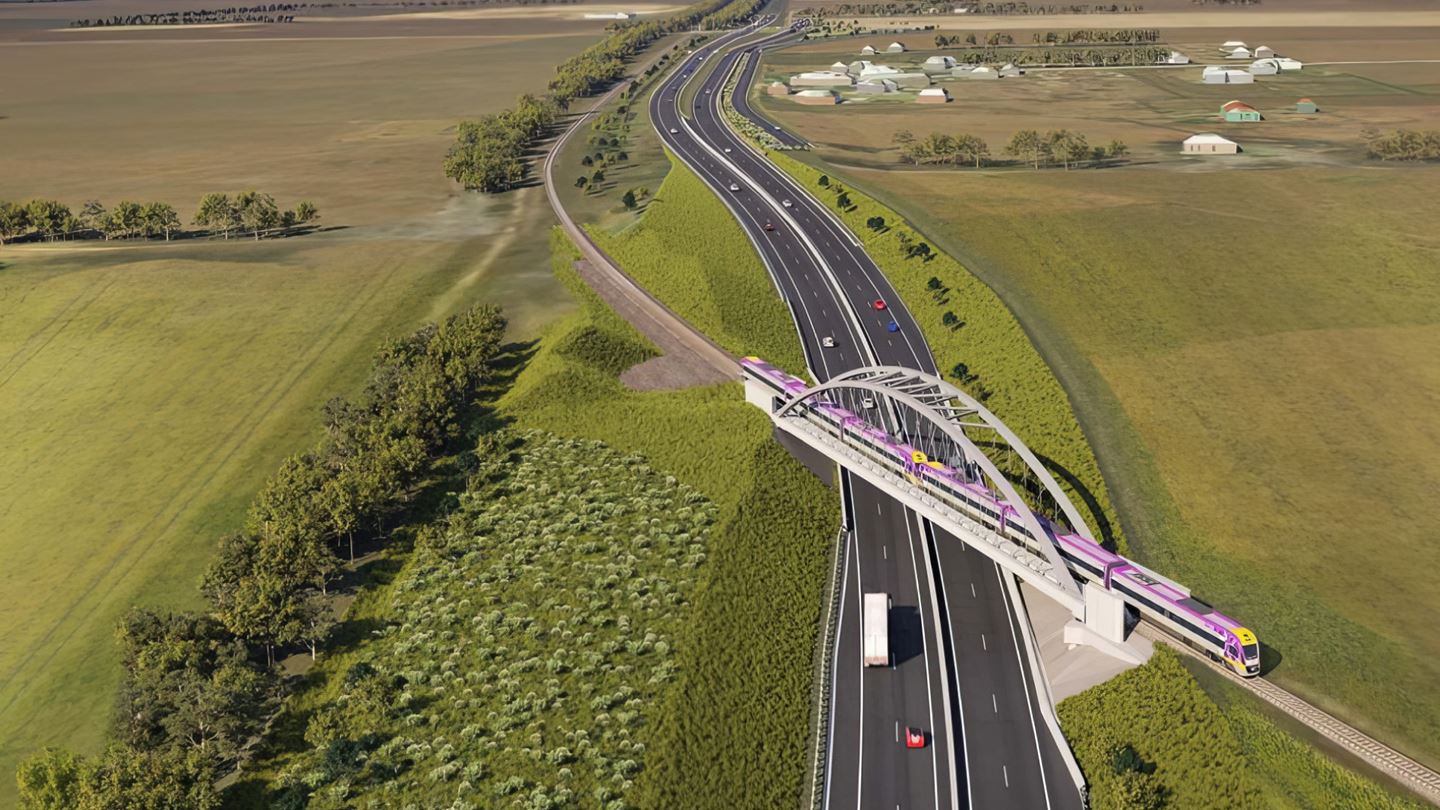
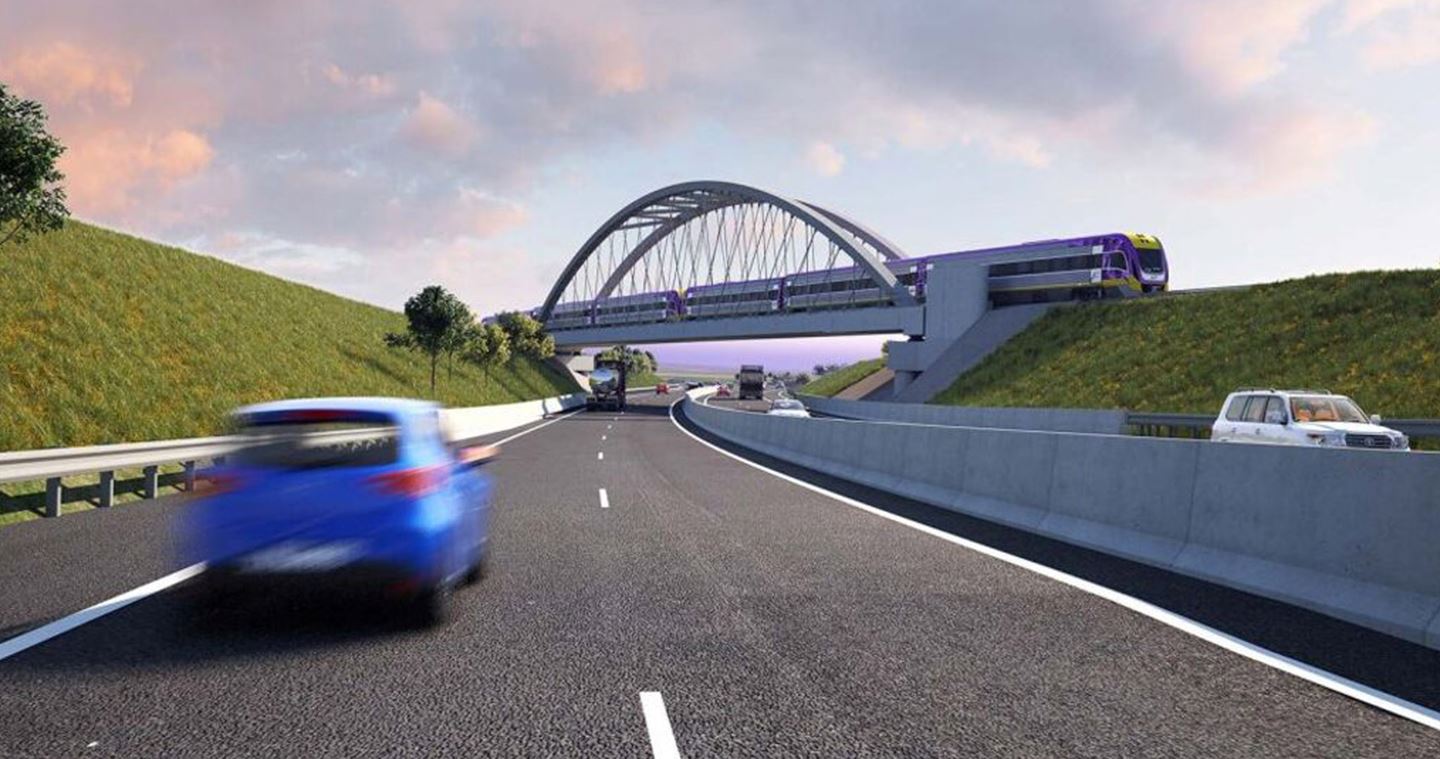
In construction, we also must look to the use of more efficient design and construction methods. In Victoria, Australia the change of bridge structure from a traditional concrete span bridge to a steel network arch bridge brought a 39 per cent reduction in embodied carbons. Additionally, the modular prefabrication of some bridge components helped reduce construction waste.
The East Coast Rail Link, which is the largest infrastructure project in Malaysia, exemplifies the how better planning and focus on sustainability can make significant impacts on overall environmental impacts. This project took into account the ecosystems it was traversing and the potential impact across flora, fauna and also communities. Design of the 665 km route, a backbone for economic development and growth, was optimised to include tunnels and wildlife crossings to conserve important habitats and landscapes, together with minimising disruption to communities. Compared with the original design, an alternative design was developed to achieve a 90 per cent reduction in forest loss.
It’s important that project leaders stay close to industry and supply chain developments as the biggest impact the built environment has is rapidly adopting more sustainable products and materials into design and construction.
For instance, Aurecon has seen first-hand how early-stage investments in more sustainable materials, for example industrial-scale green steelmaking and green ammonia, can decarbonise the aluminium supply chain. A recent technical report by the Australian Industry Energy Transitions Initiative, which Aurecon contributed to, highlights that decarbonising five of Australia’s most significant carbon emitting industries, including iron and steel, is possible with innovative thinking at a value chain and system level.
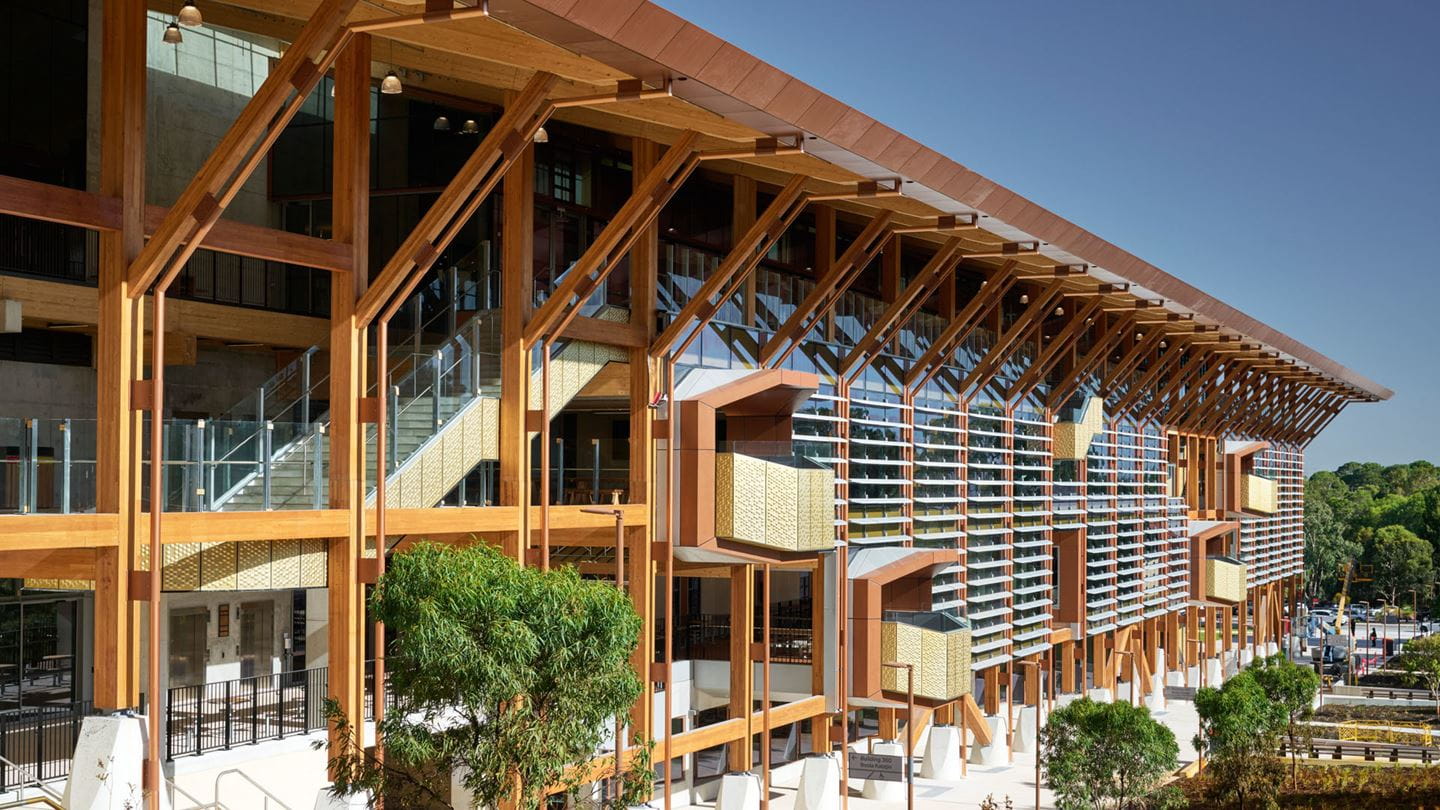
Another option is using renewable materials such as timber. Western Australia’s first mass engineered timber building, Boola Katitjin, decreased the use of finite materials by using regenerative timber, and designing standard bolts and pin connections, so that parts can be disassembled and reused at end-of-life, representing an exemplar of a circular economy. Another of the project’s outstanding features is that 93 per cent of construction and demolition waste was diverted from landfill as most offcuts were repurposed in other elements of the precinct’s construction.
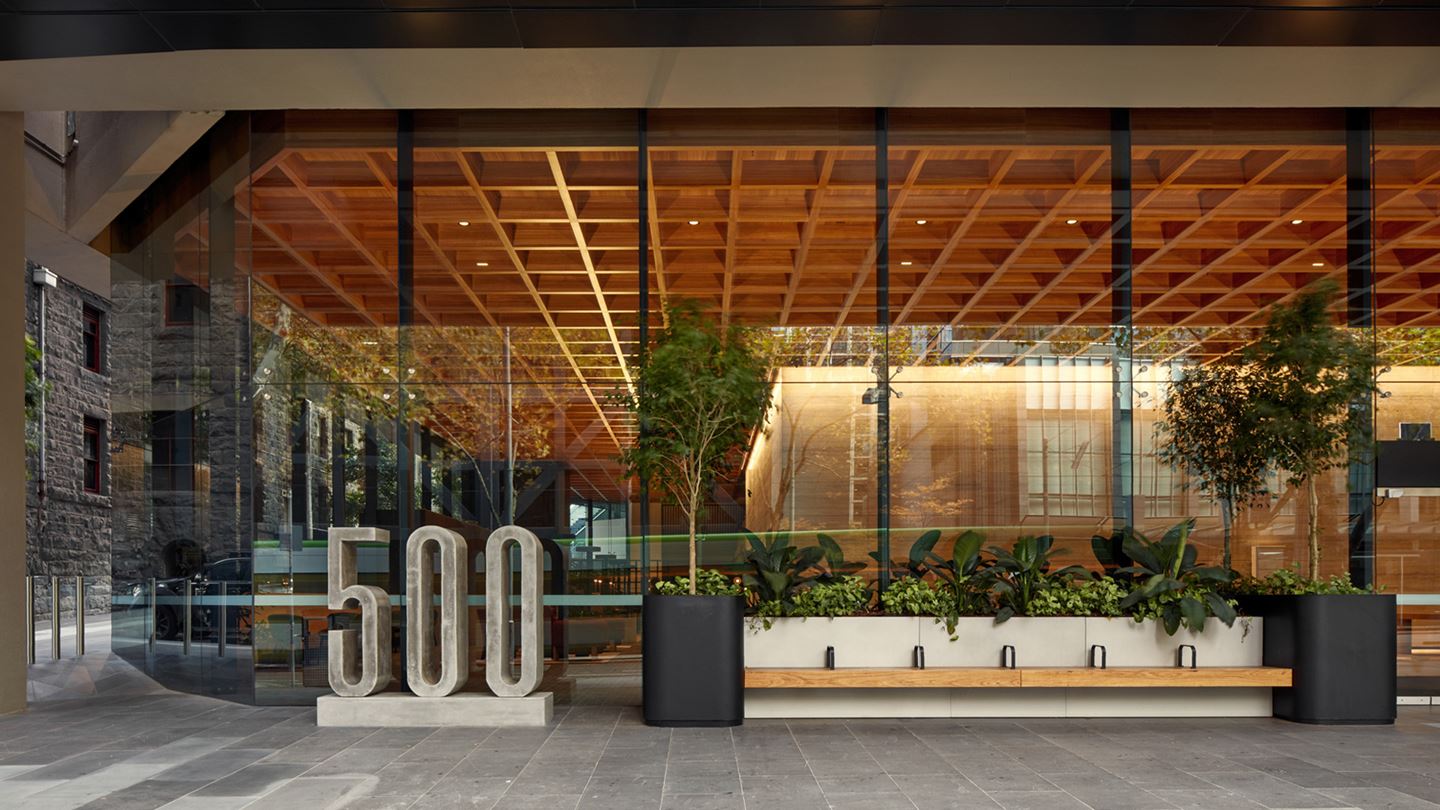
Adaptive reuse in the built environment is also becoming a viable option rather than always building new, driven predominantly by sustainability performance pressures. This was seen in 500 Bourke St, Melbourne, where a circular economy mindset resulted in the refurbishment of the existing building rather than demolishing and building new. The refurbishment avoids CO2 emissions that would have been generated with the construction and manufacture of a new concrete and steel building. It is also an opportunity to upgrade to renewable sources of energy, better water management, and more sophisticated building performance monitoring.
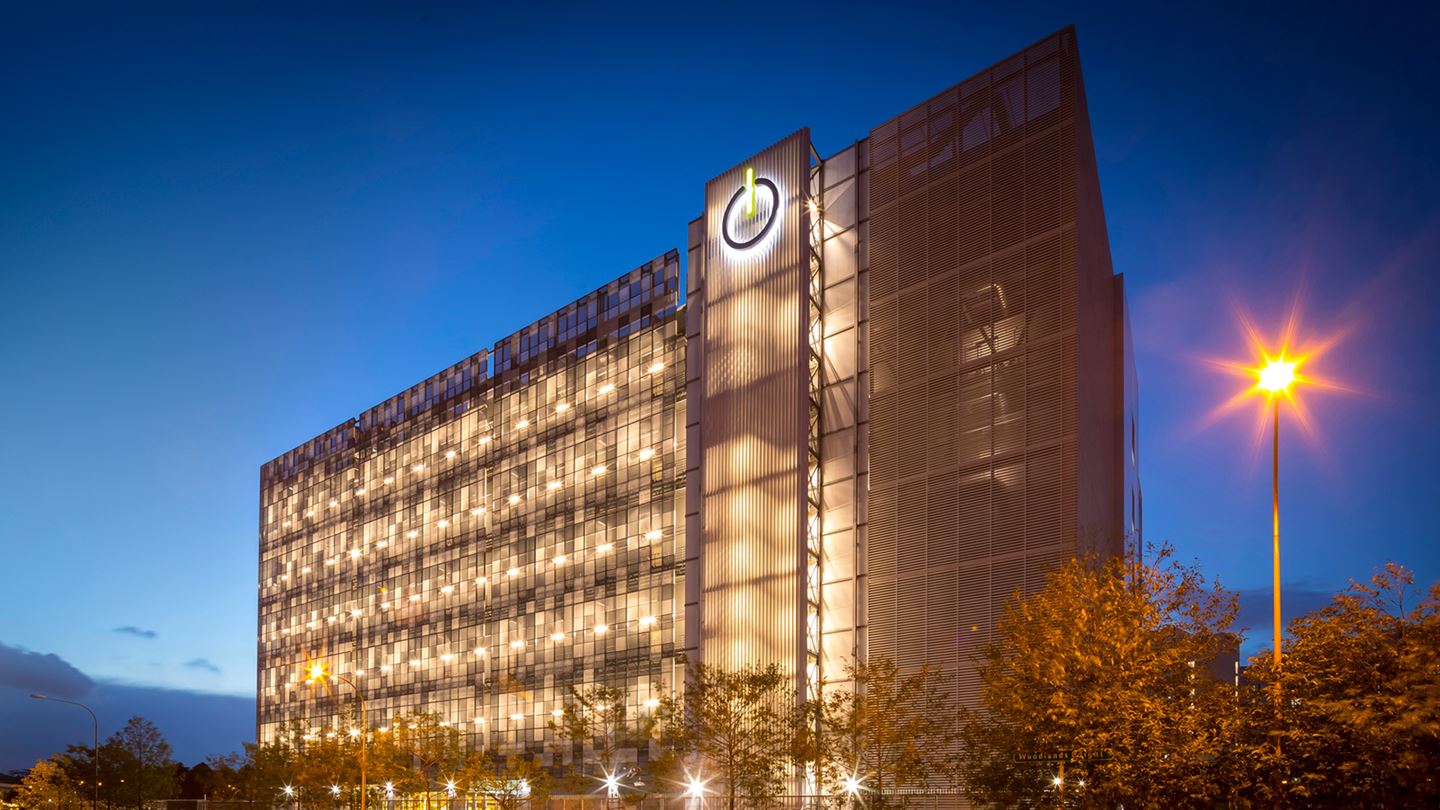
Beyond adaptive reuse, modular construction is also a more sustainable way of building than traditional construction, providing a building method that greatly reduces material waste, while also creating structural forms that may be easily modified or disassembled in the future. An example of modular construction is the first large-scale data centre in Singapore, Global Switch Data Centre, designed to achieve Leadership in Energy and Environmental Design (LEED) Gold and Green Mark Platinum ratings. It was the first project in Singapore to use prefabricated mechanical, electrical and plumbing modular techniques on a large scale.
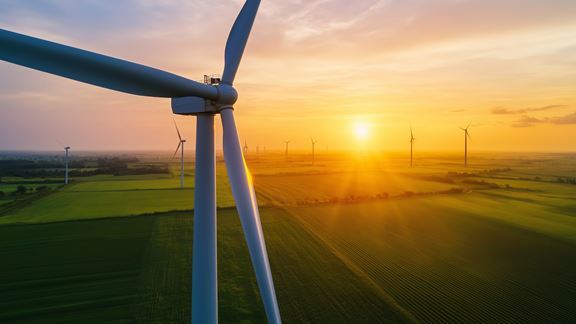
Mega-scale infrastructure projects are rapidly emerging to deliver the energy transition, and the bulk of the impetus behind this shift in capital is sustainability related – as the greatest sustainability impact that can be achieved is to limit climate change through the decarbonisation of electricity.
Looking forward, just because the macro driver for these mega-scale energy infrastructure projects is sustainability, it doesn’t mean project leaders escape the need to deliver them sustainably at the same time. Sustainability challenges around local community impacts, ecosystem and biodiversity impacts, or Indigenous outcomes, will continue to be at the core of project delivery.
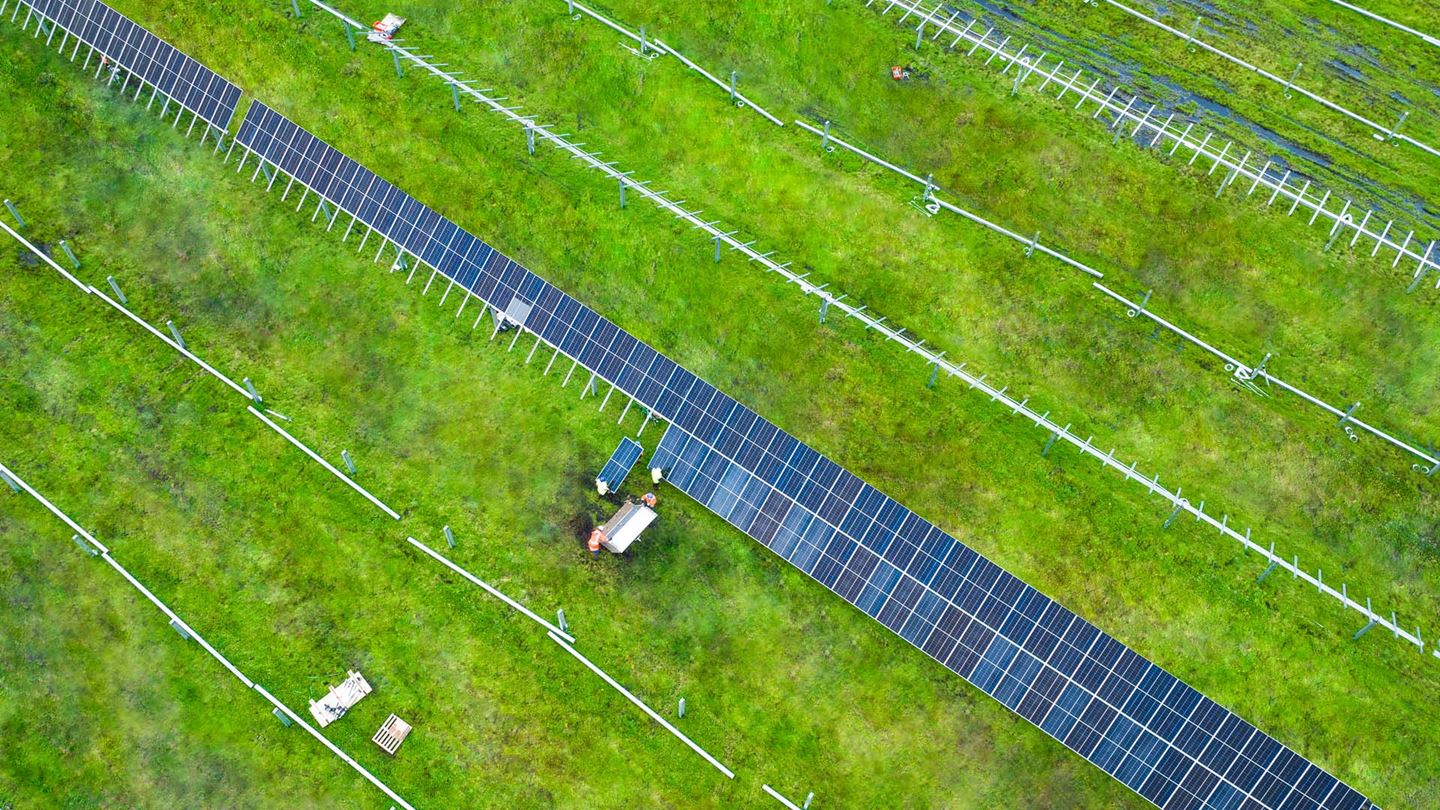
For instance, a power station in the past might have been fenced off from the surrounding landscape, while wind and solar farms co-exist with agricultural land and communities. For example, Lodestone in Aotearoa New Zealand is using innovative ‘agrivoltaic’ elevated solar array design solutions to ensure sustainable, productive, use of the farmland beneath, preserving approximately 85 per cent of existing baseline agricultural and livestock yields.
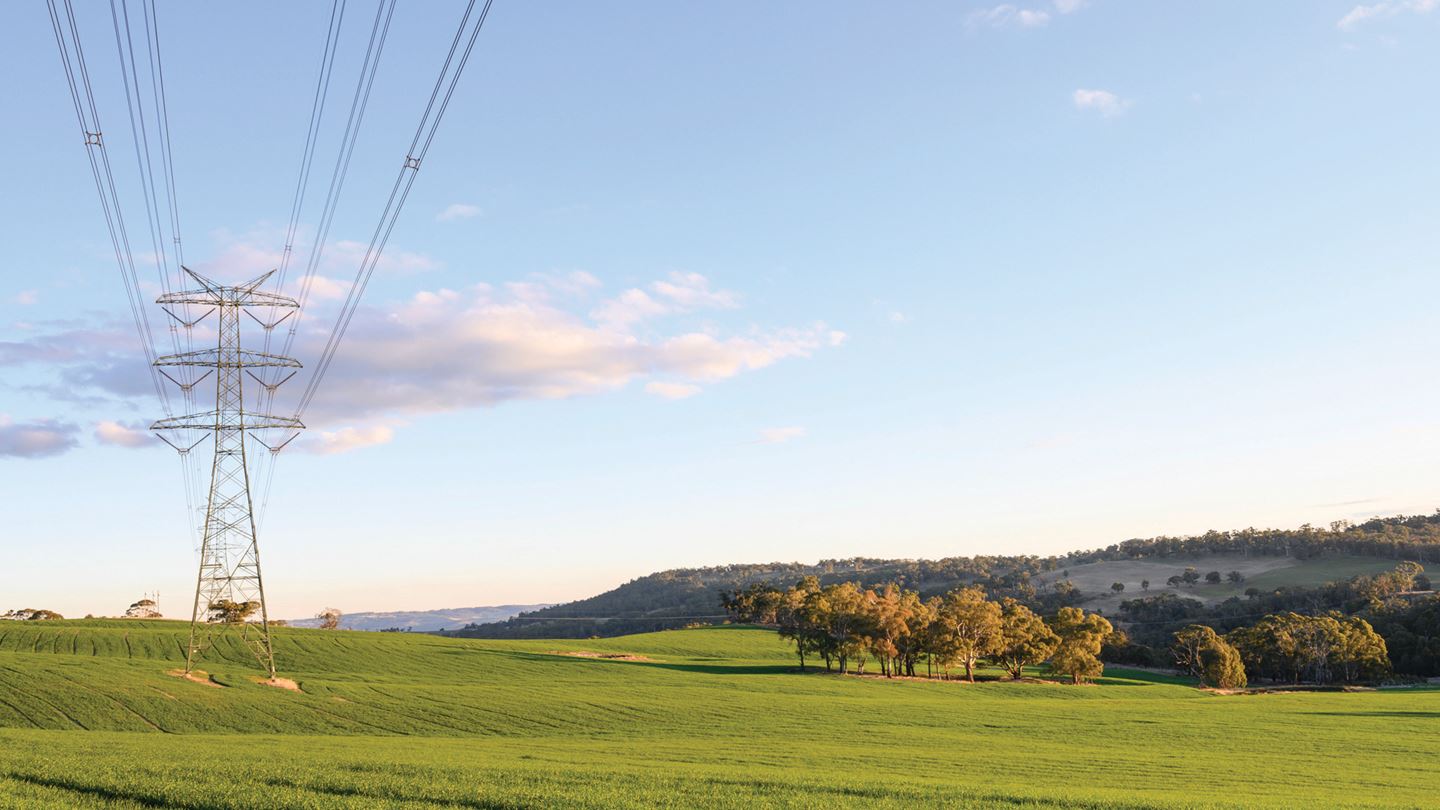
Recognising the significance of meaningful community engagement to deliver positive social legacy to people living and working near energy infrastructure, local communities were involved in the decision-making process on one of the first, and largest, energy infrastructure projects in Australia; HumeLink. By engaging early, and regularly, with stakeholders, including landowners, residents, First Nations representatives, local councils and government agencies, the perspectives and needs of the communities impacted by this major infrastructure project were able to be raised and considered.
In pursuit of the enduring sustainability of water, both in its availability for human consumption and use in agriculture and industrial processes, the concept of circular economy is increasingly being embraced. This approach aims to safeguard and regenerate nature, retain resources at their highest value for the longest possible time, and design out waste from systems.
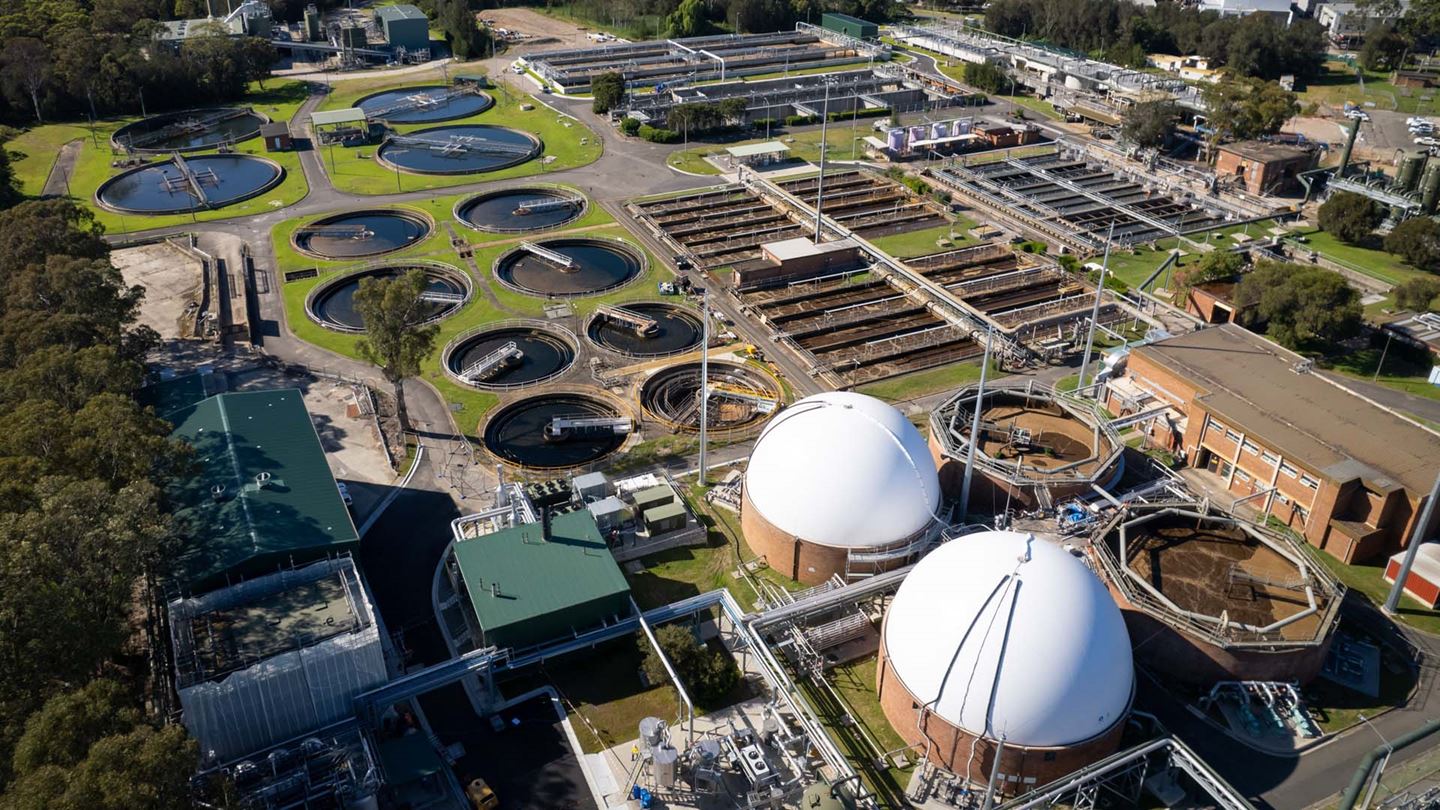
An illustration of this is the renewal of Sydney Water’s St Marys and Quakers Hill water recycling plants to maintain performance and meet population growth expectations well into the future. Sustainable infrastructure projects can often deliver multiple benefits beyond reduced lifecycle costs, and this project is a prime example by reusing some of the existing infrastructure in the upgrades. In the process, also reducing annual power use by up to 69 per cent when compared with the standard operation of a traditional plant.
In the industrial sector, water is used for fabricating, processing, washing, diluting, cooling or transporting a product. In the case of Fonterra in Aotearoa New Zealand, realising an innovative water recycling project at their Maungatūroto dairy factory reduced water usage at the site by up to 25 per cent. Completed in 2021, the wetland recycling process is now producing between 500,000 to 700,000 litres of water per day to be used in the plant – about a quarter of its total water use. Fonterra believes this initiative could be suitable for other manufacturing sites in New Zealand, and worldwide.
Sustainability will increasingly drive the direction of capital investment through value creation, establishing the way organisations define value, manage risk, construct portfolios, design projects, and engage with stakeholders. Businesses that prioritise sustainability often attract and retain top talent, strengthen stakeholder trust, and foster long-term relationships with customers and communities.
Overall, the convergence of these factors will continue driving increased investment in sustainability as organisations recognise the potential for long-term value creation and competitive advantage.
Major projects, and their leaders, that champion transparency and demonstrate responsiveness to stakeholders will attract investment more effectively. They will also realise their own, and society’s, ambition to make choices which are more sustainable; economically, socially, and environmentally.
Contributing author & reviewer: Justine Jarvinen

Managing Director, Energy – Australia

Director, Eminence & Sustainability
How engineering and construction projects are evolving to champion biodiversity, through early planning, advanced technologies, and ecosystem stewardship.
Aurecon shares insights on how the 2032 Brisbane Games can deliver legacy infrastructure and lasting economic, environmental and community value.
This fact sheet compares the community and environmental impacts of wind farm projects, and how ecologically sensitive design can deliver better outcomes.