Sydney Water Planning Partner, Australia
Aurecon and Arup, in partnership with Sydney Water, are providing water management consultation with an increasing focus on delivering services.


Change your location to view content tailored for you.
In Sydney’s northwest suburbs, the population is anticipated to expand by up to 500,000 by 2040. This is expected to place additional pressure on ageing water infrastructure performance, already in need of renewal, which includes the St Marys and Quakers Hill water recycling plants – both part of the Lower South Creek package of works.
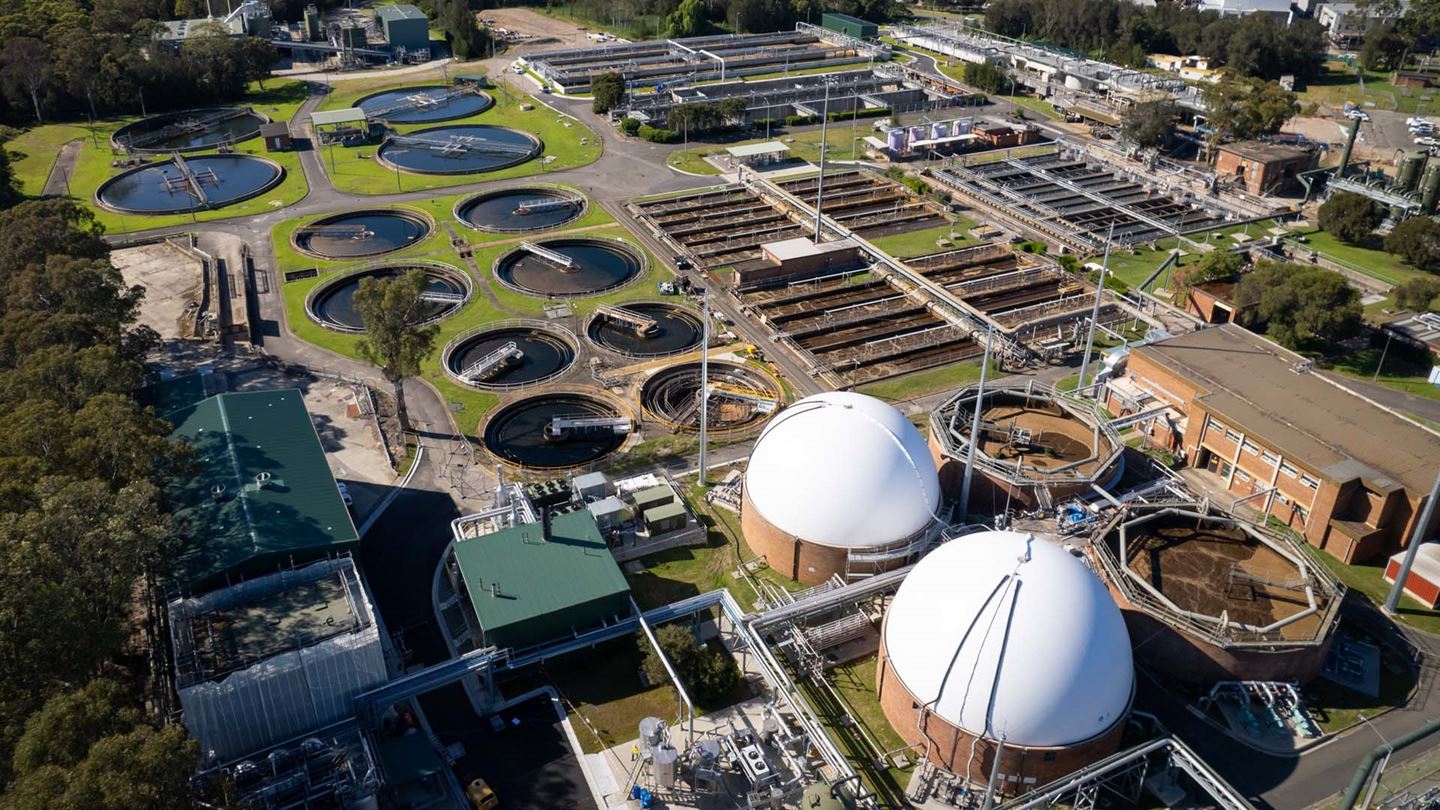
Under this package, upgrades to both plants were required to renew ageing assets to maintain performance and meet population growth expectations. It was to be achieved by incorporating sustainability and circular economy approaches to generate renewable energy and protect waterway health of the sensitive nearby Hawkesbury Nepean estuary with the installation of new wastewater treatment technology.
Advising Sydney Water, Aurecon’s water engineering, energy generation, circular economy and sustainability expertise contributed to the strategic planning and concept design of the Lower South Creek package of works. It also included the detailed design of the biosolids treatment hub at St Marys water recycling plant.
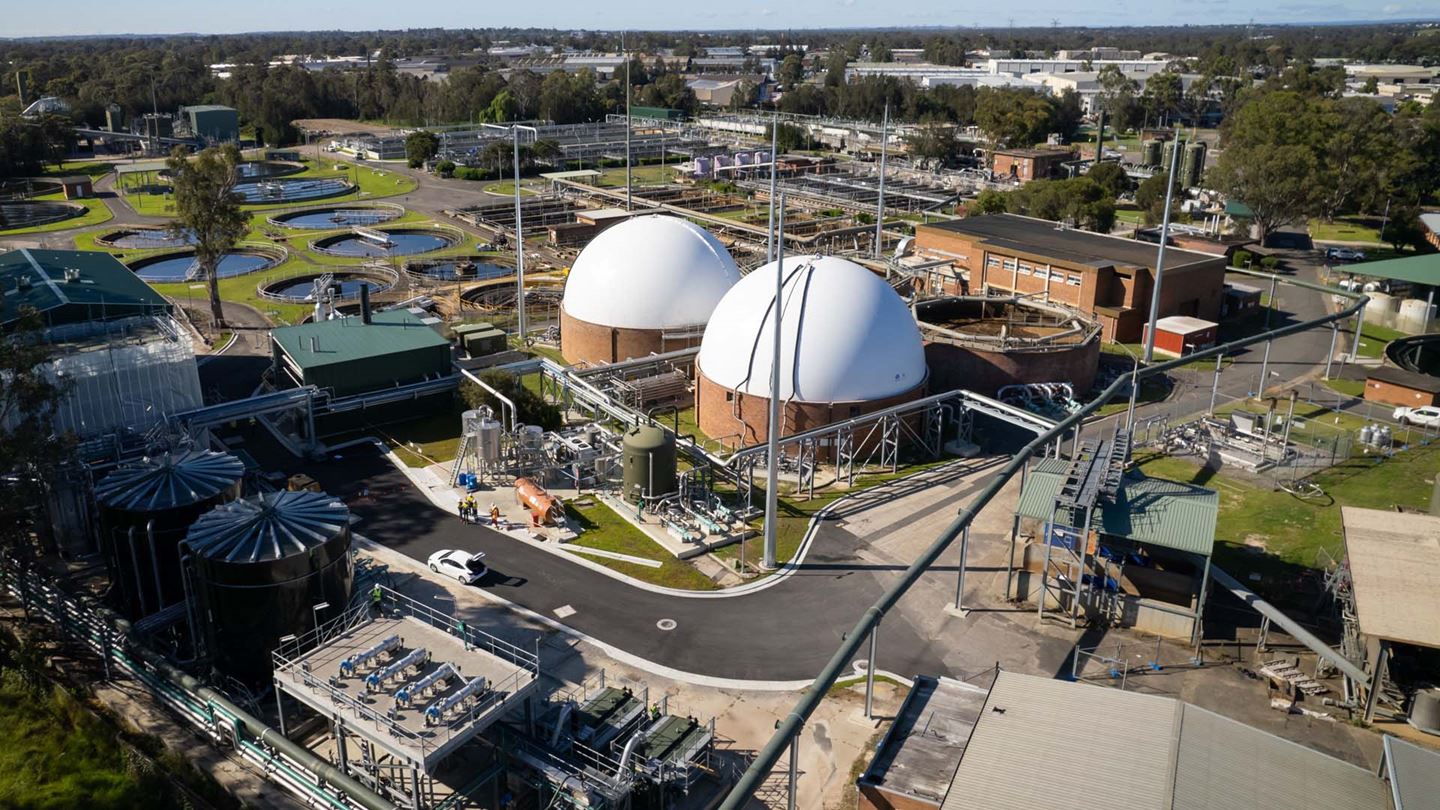
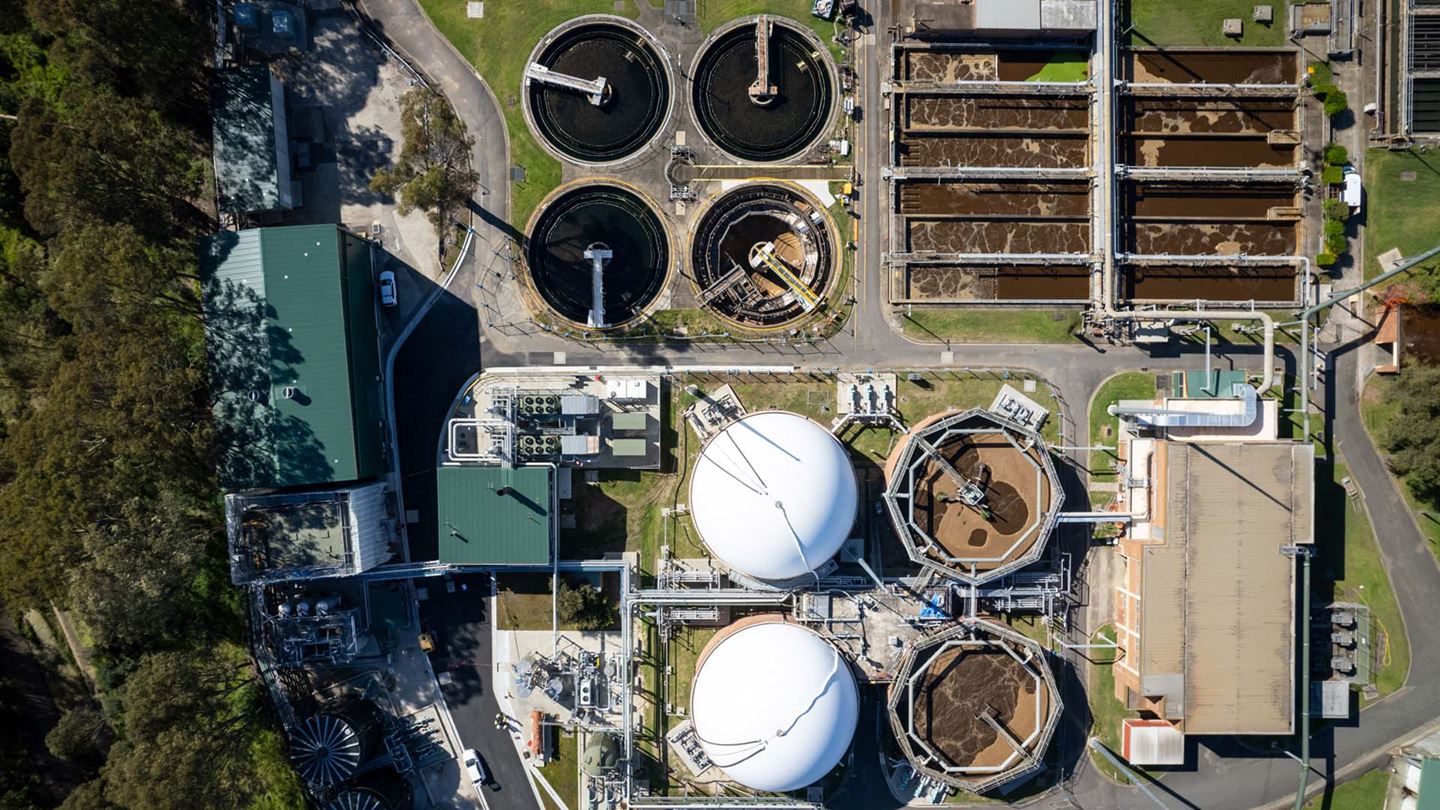
The St Marys biosolids hub is having its treatment process converted from traditional aerobic digestion to green energy generation, allowing co-digestion of external wastes and allowing recovery of the treated biosolids.
Among the project accomplishments were a lower lifecycle cost that resulted from reusing existing infrastructure, reducing the carbon footprint and community impact, and achieving a predicted power reduction of up to 69 per cent when compared to the standard operation of a traditional plant.
Biosolids will be diverted from wastewater sludge and, through the anaerobic digestion process, generate biogas that converts to usable energy onsite. Key to the process is the use of thermal hydrolysis technology, a new technology application for Sydney Water assets, allowing the re-use of existing assets and avoiding the need to construct new concrete digester tanks, which would have been required if traditional technologies were installed.
This eliminated the need for approximately 750 cubic metres of reinforced concrete in total and meant that the site’s existing digesters could continue to be used as part of the new process train.
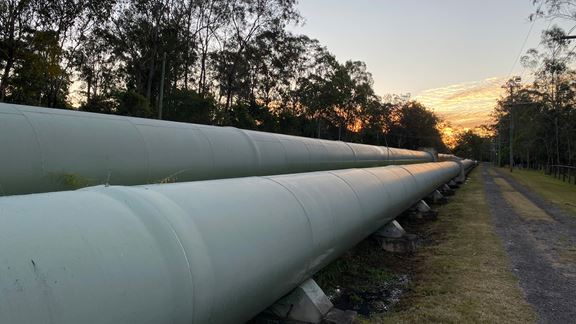
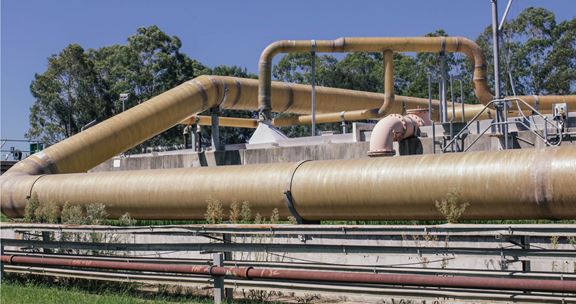
The new hub is large enough to treat all sludge from both the St Marys and Quakers Hill water recycling plants – transported through a 12 kilometre transfer pipeline and providing the scale needed for beneficial biosolids to biogas conversion. The improved digestion process is also expected to reduce road transport of biosolids to beneficial re-use sites by up to 200 tonnes per week.
As much as 1.6 megawatts of the energy created from the conversion will power the hub.


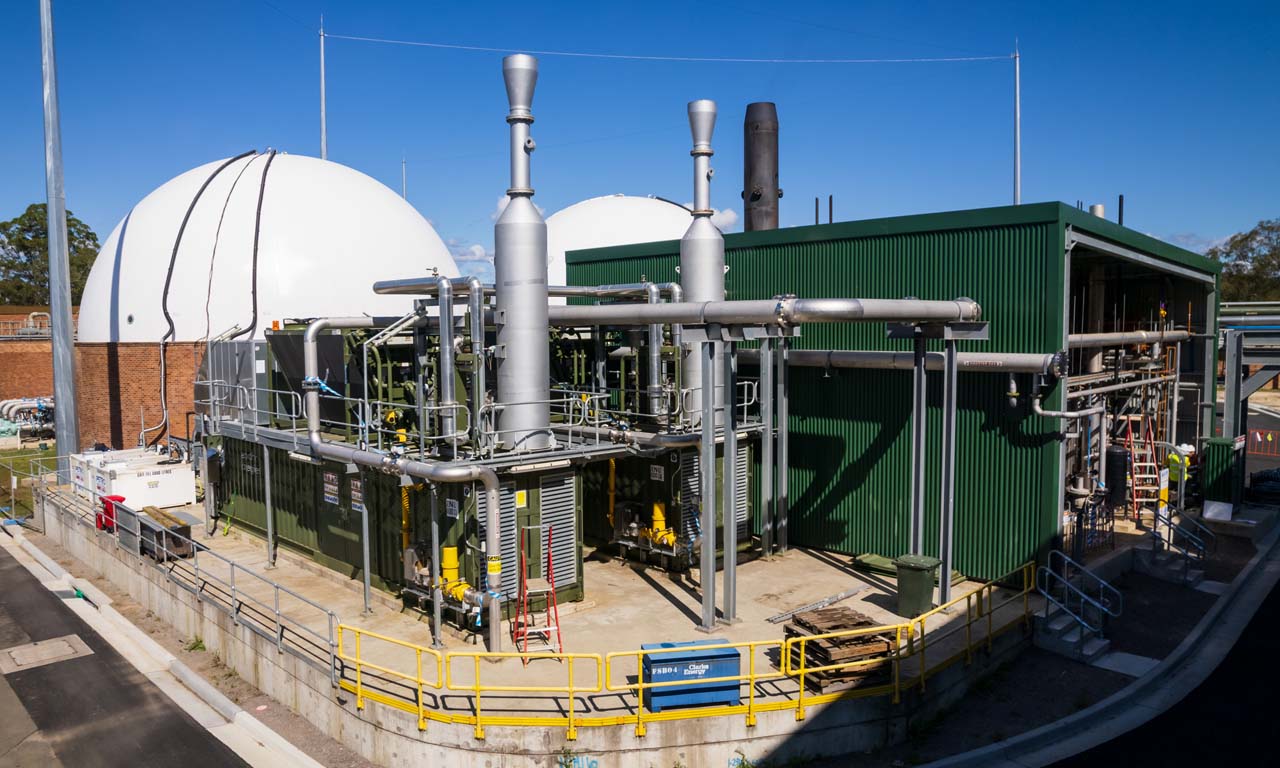
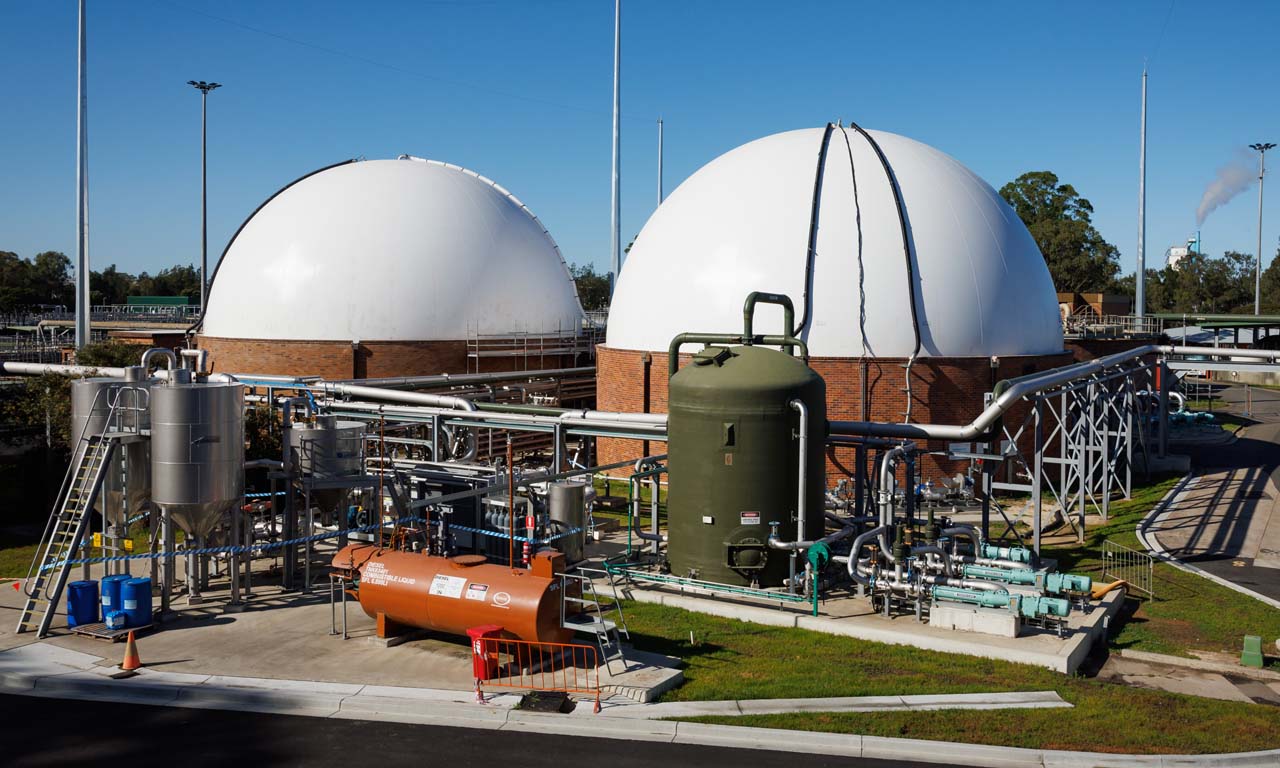
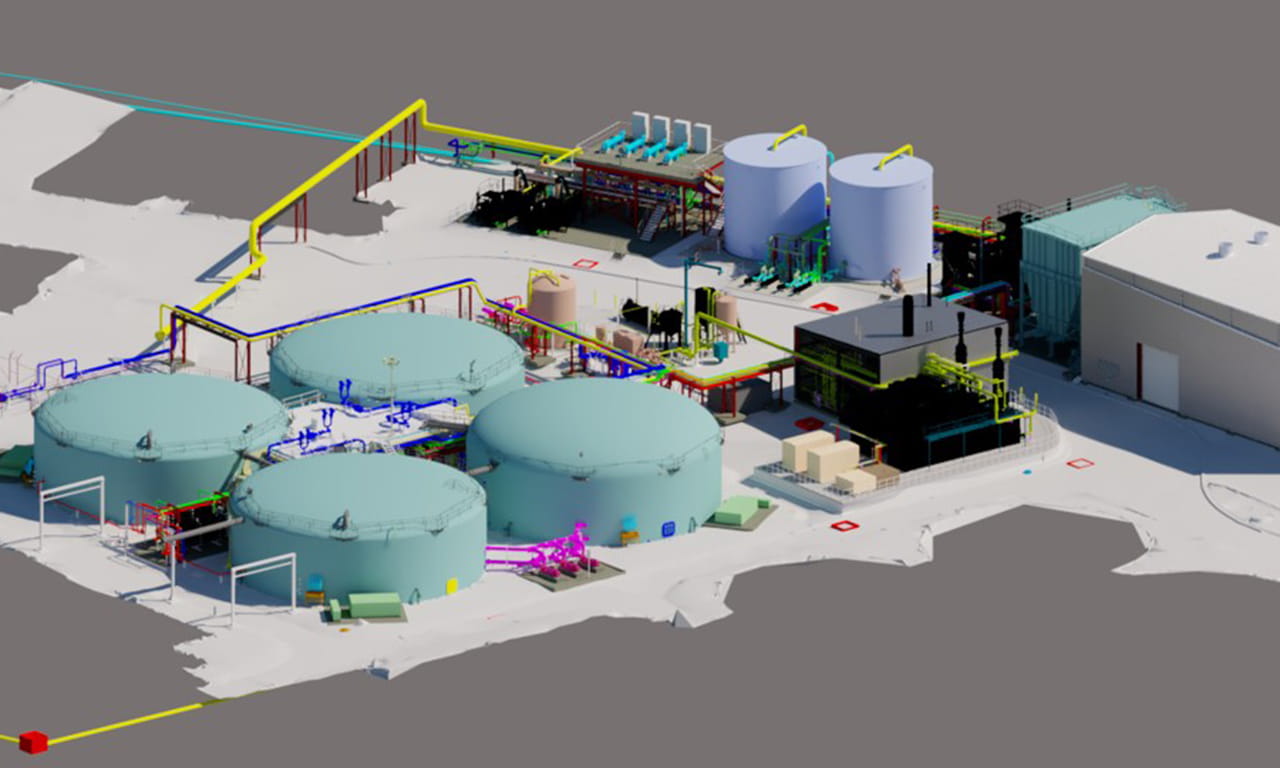
The team developed a 3D digital twin of the St Mary’s water recycling plant which improved the communication of the design with all stakeholders, enabling physical risks to be designed out prior to construction commencing.
In the future, the digital twin has the potential to evolve into a database of asset information and specifications to inform operation and maintenance planning. It is a closed-loop system where one source of data feeds into and enhances the next digital twin iteration and so on, supporting a circular economy by maintaining assets at their highest value for the longest possible time.
The Lower South Creek package of works and the biosolids hub design represents a circular economy by reusing existing assets and minimising the number of new assets built from carbon intensive concrete. It also promotes an improved circular economy outcome by generating renewable energy from the St Marys plant to be reused onsite.
It highlights the benefits that can be achieved when traditional infrastructure design and operational practices are challenged with new technologies and new ways of thinking about systems, land use, wastewater and infrastructure.
The works received the highest overall Infrastructure Sustainability Council of Australia (ISCA) score, achieving an ‘excellent’ design rating. This recognises the programme’s reuse of existing assets, focus on reducing operational footprint, and commitment to the climate change energy transition.
Aurecon and Arup, in partnership with Sydney Water, are providing water management consultation with an increasing focus on delivering services.
Aurecon's study guided Goulburn Valley Water to identify pathways to a renewable hydrogen ecosystem and support a clean energy transition in regional Victoria.
Seqwater’s Integrated Master Plan redefines sustainable water planning for South East Queensland, a 30-year program of capital and non-capital interventions.