
Western Harbour Tunnel, Sydney, NSW, Australia
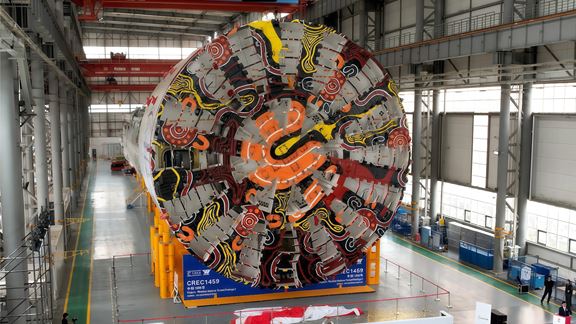
Aurecon is transforming Sydney Harbour, replacing dredging with TBM tunnel engineering to deliver a faster, safer and more sustainable second harbour crossing.


Change your location to view content tailored for you.
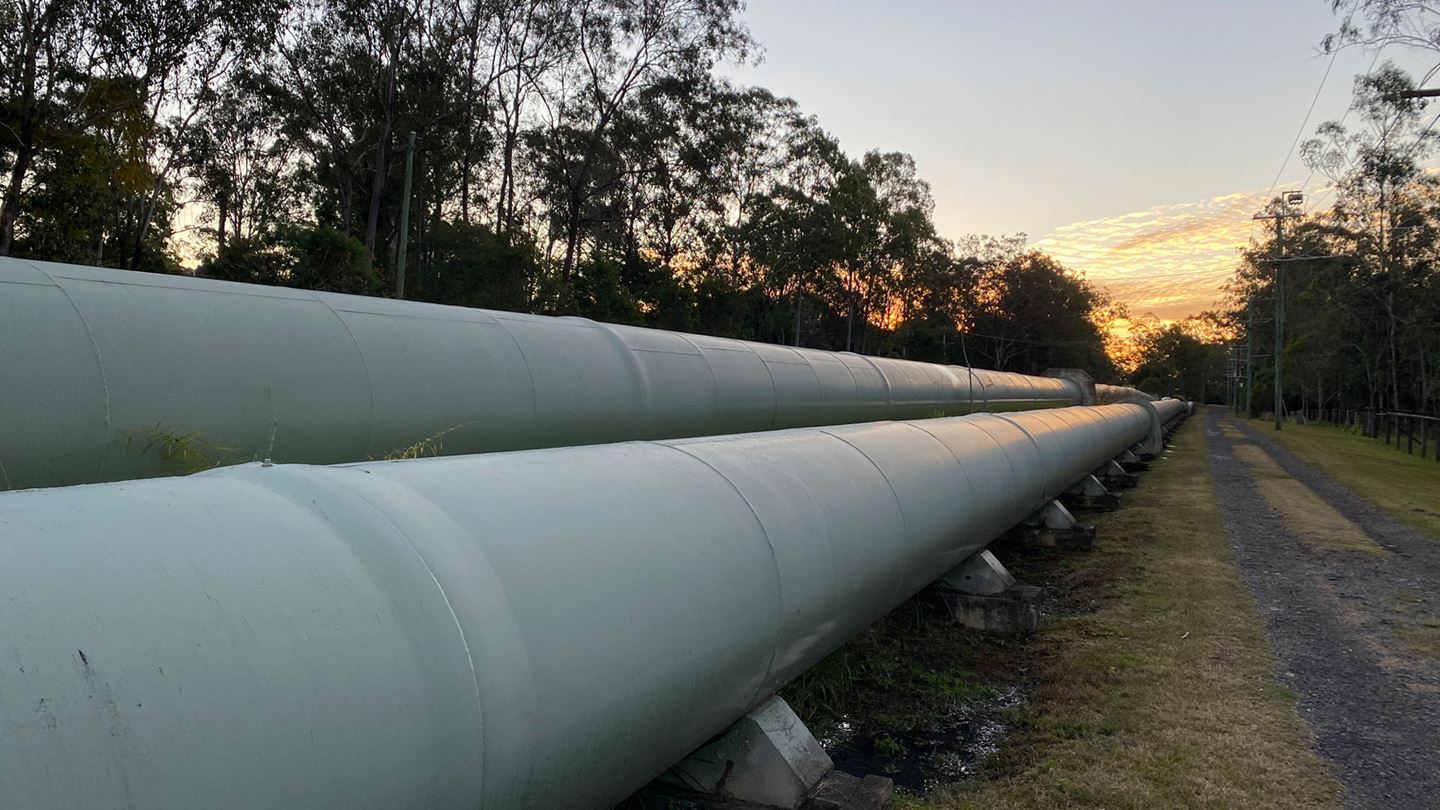
Seqwater, as the bulk water service provider for South East Queensland (SEQ), supplies an average of 360 GL of treated water annually to 3.8 million people. The majority of this treated water is delivered through a highly complex system of 13 dams, 11 water treatment plants and over 650 km of pipelines – collectively known as the SEQ Water Grid. This interconnected system provides resilience but also presents unique challenges when it comes to performance assessment and long-term planning.
Faced with the need to develop a long-term strategy that could guide asset investment and operations through increasing climate volatility, growing population pressures and the infrastructure demands of the upcoming 2032 Olympic Games, Seqwater turned to Aurecon, in collaboration with Stantec and WREMA. Together, they set out to redefine sustainable water planning by developing the Integrated Master Plan.
Aurecon and partners developed a set of pioneering solutions to transform Seqwater’s planning approach.
The vision underpinning the Integrated Master Plan was clear: deliver a 30-year program of capital and non-capital interventions that would support SEQ’s liveability and economic growth, while ensuring the water grid remained cost-effective, robust and responsive to future uncertainty.


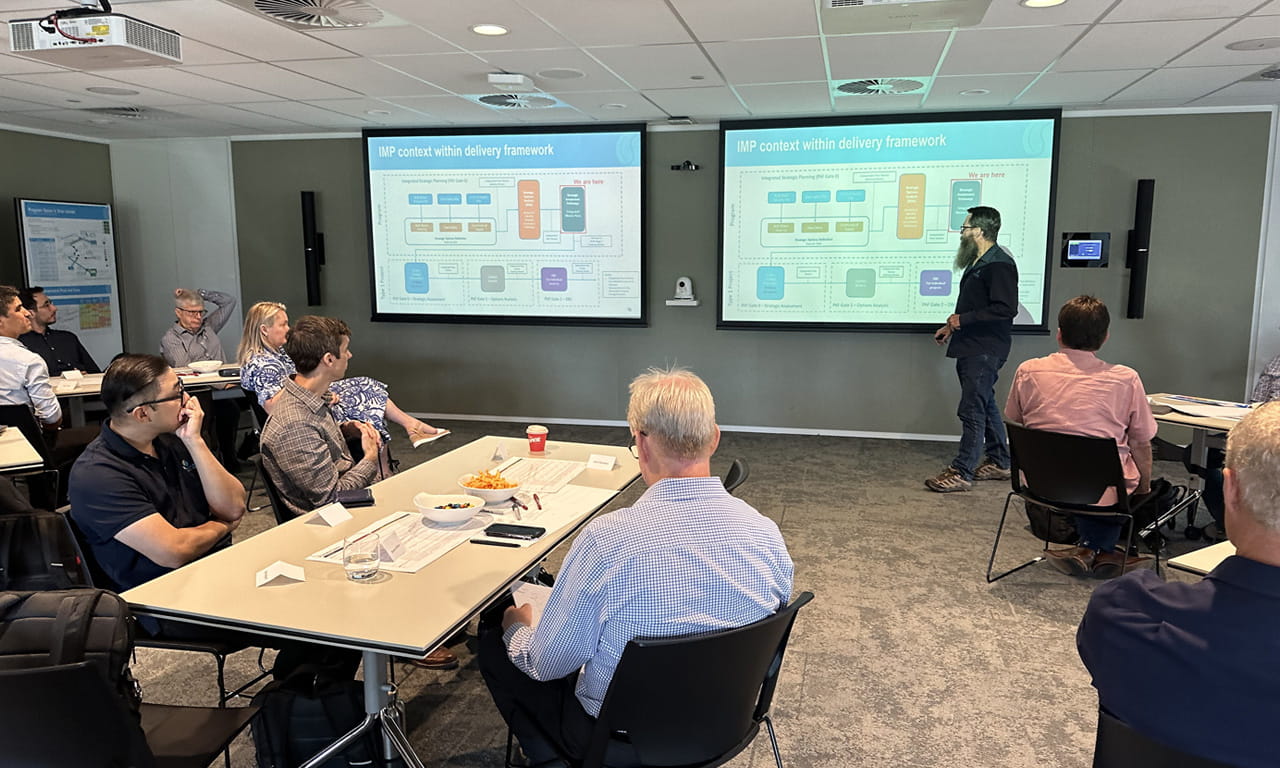
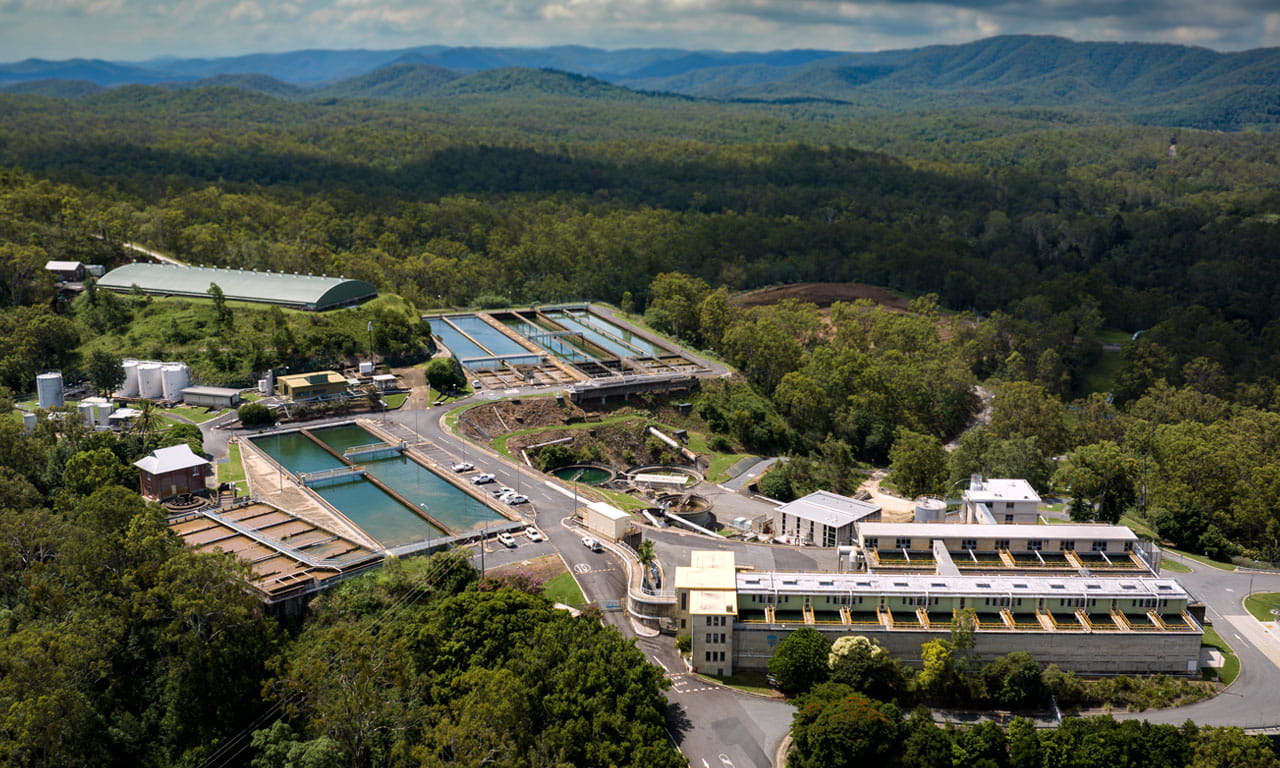
In response to the complexity of the SEQ Water Grid, Aurecon and partners developed a set of pioneering solutions that transformed Seqwater’s planning approach, including:
Through this approach, Aurecon and partners helped Seqwater improve the system analysis so that it was a more unified, streamlined planning process – one that would serve not just near-term goals, but long-term aspirations.
Digital modelling played a critical role in reshaping how Seqwater makes investment decisions. By incorporating stochastic climate data, varying population projections and different risk appetites, the Integrated Master Plan enabled highly nuanced forecasting across a wide range of future conditions.
More than 100 potential solutions – spanning operational improvements, augmentation of existing Grid assets and new infrastructure – were rigorously tested to understand risks, opportunities and cost sensitivity. This robust and adaptable framework ensures that recommended interventions can evolve with changing circumstances, aligning with shifting community expectations and environmental demands.
At the heart of this transformation was the WATHNET model, enhanced with genetic algorithm optimisation – turning a traditionally time-consuming, manual process into a fast, data-driven engine for decision-making. Seqwater can now develop business cases with far greater speed and confidence, a key advantage given the aggressive timelines tied to infrastructure delivery.
This approach now stands as a model for water utilities across Australia. In the face of mounting climate, growth and infrastructure challenges, the digital methodologies piloted through the Integrated Master Plan demonstrate a scalable, nationally relevant blueprint for sustainable water planning.
Seqwater’s Integrated Master Plan redefines sustainable water planning for South East Queensland. Through innovative modelling, optimisation techniques and a holistic decision-making approach, it ensures a reliable, resilient and cost-effective water supply system – setting a new benchmark for excellence in the Australian water industry.
This landmark project exemplifies how integrated engineering, digital design and collaborative advisory can transform infrastructure planning. Its impact will extend far beyond the delivery of assets, providing strategic clarity and confidence to planners, policy-makers and communities navigating an uncertain future.
By combining deep water sector expertise with digital innovation, Aurecon has helped position Seqwater, and South East Queensland, at the forefront of sustainable, long-term water infrastructure planning in Australia.
Aurecon is transforming Sydney Harbour, replacing dredging with TBM tunnel engineering to deliver a faster, safer and more sustainable second harbour crossing.
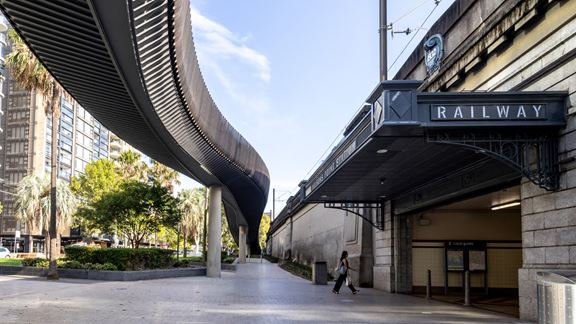
Aurecon's active transport design expertise supports TfNSW to create a seamless, unobtrusive, step-free ramp and cycleway across Sydney Harbour Bridge.
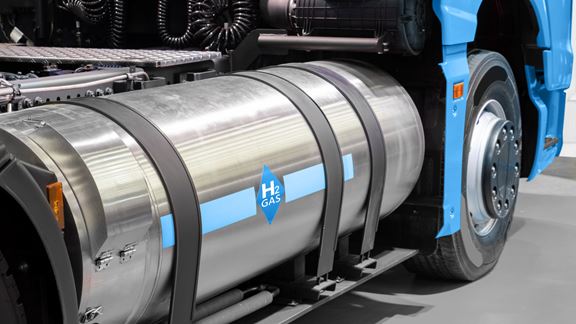
Aurecon's study guided Goulburn Valley Water to identify pathways to a renewable hydrogen ecosystem and support a clean energy transition in regional Victoria.