

Change your location to view content tailored for you.
As the world moves towards a more sustainable and regenerative systems-based future, the use of circular materials is being adopted to help businesses and communities thrive in a climate- and resource-constrained world.
A circular economy focuses on extending the life and value of assets and materials, as well as eliminating waste and pollution, together with regenerating natural systems. A core aspect is the use of sustainable materials such as timber.
While renewable energy can mitigate approximately 55 per cent of global emissions, circular production and consumption methods are necessary to tackle the remaining 45 per cent of emissions. Rather than managing waste after it is created, circular approaches proactively design waste out of the system at the beginning. This shift is essential not only for sustainable development but also for addressing a changing climate.
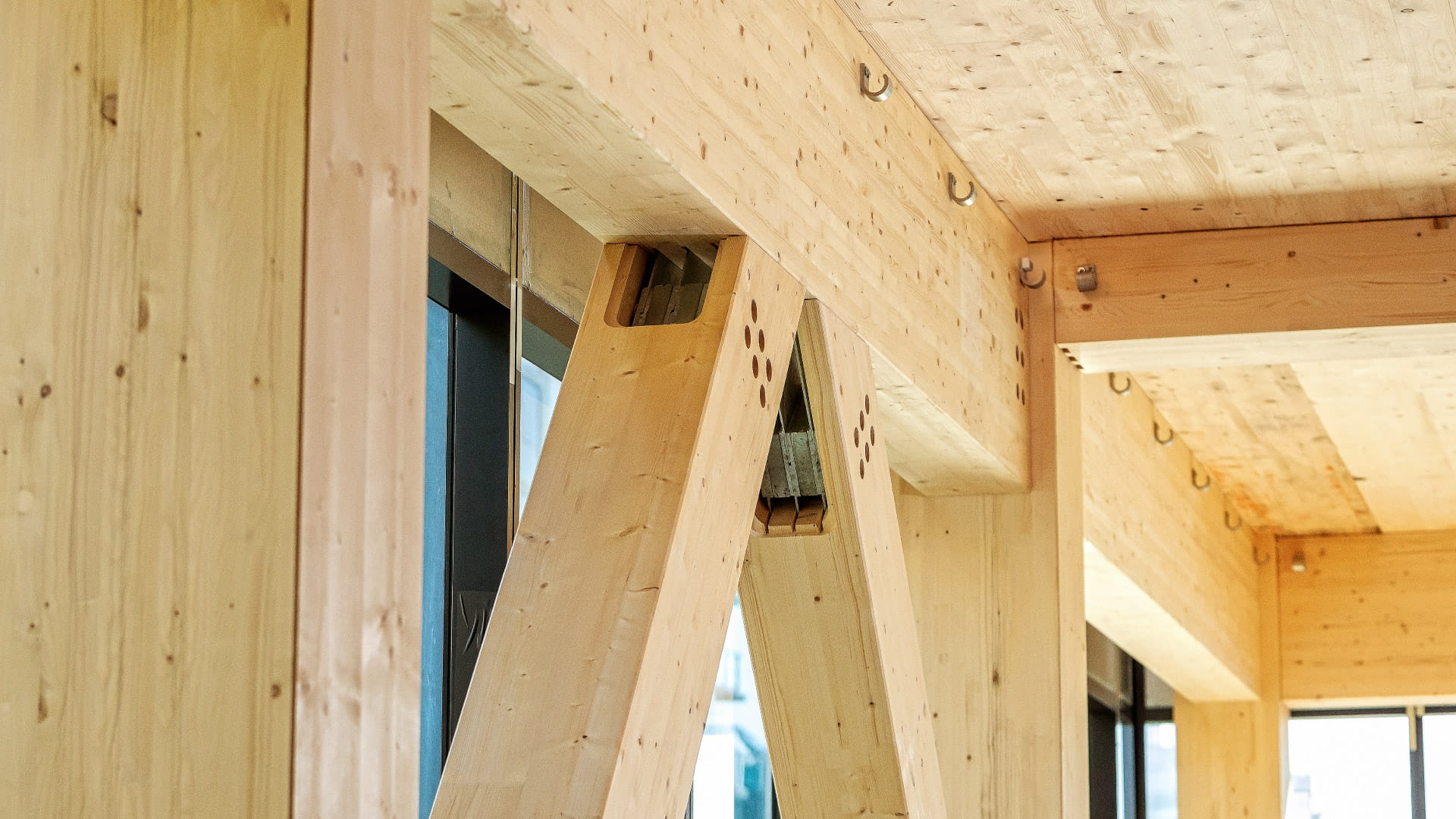
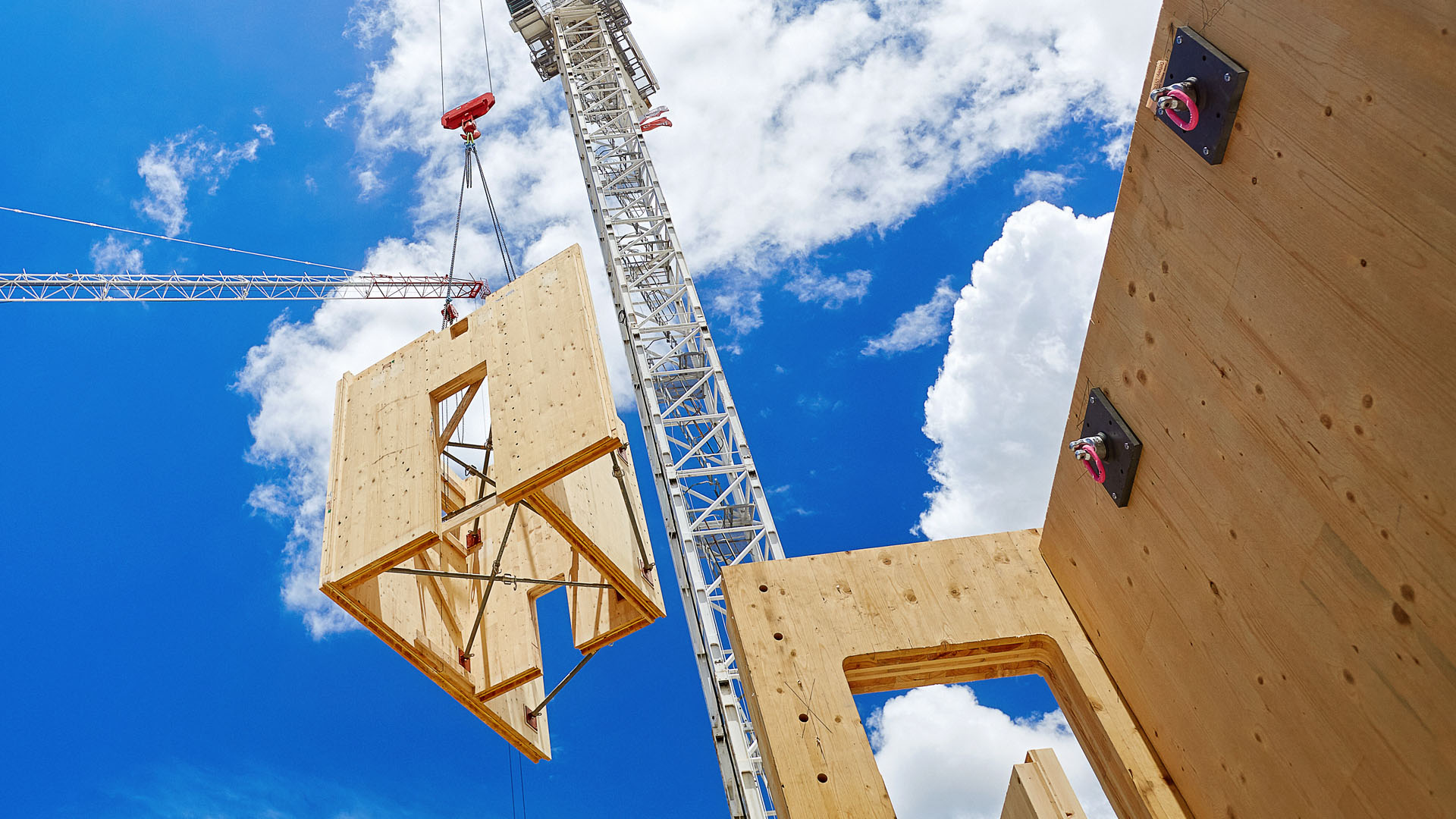
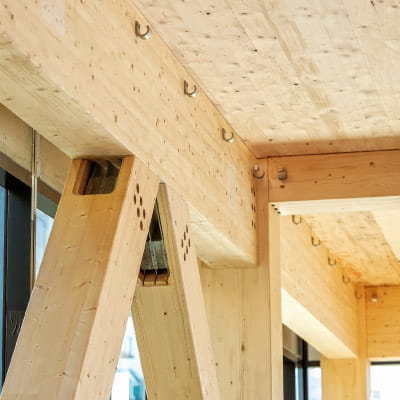
Mass-engineered timber is becoming an increasing viable complement and/or alternative to concrete and steel. Timber plays a pivotal role in circular, sustainable design by serving as a renewable, lower-carbon material that supports both environmental and economic resilience.
Mass engineered timber (MET), when responsibly sourced – such as from certified sustainably managed forests – becomes a regenerative building material aligned with the principles of a circular economy.
With experience in designing and managing the construction of timber buildings and infrastructure around the world, Aurecon has built expertise that is invaluable in understanding the benefits of timber in sustainable design. We are reimagining how we design buildings and structures using renewable materials such as MET, creating regenerative futures for generations to come.
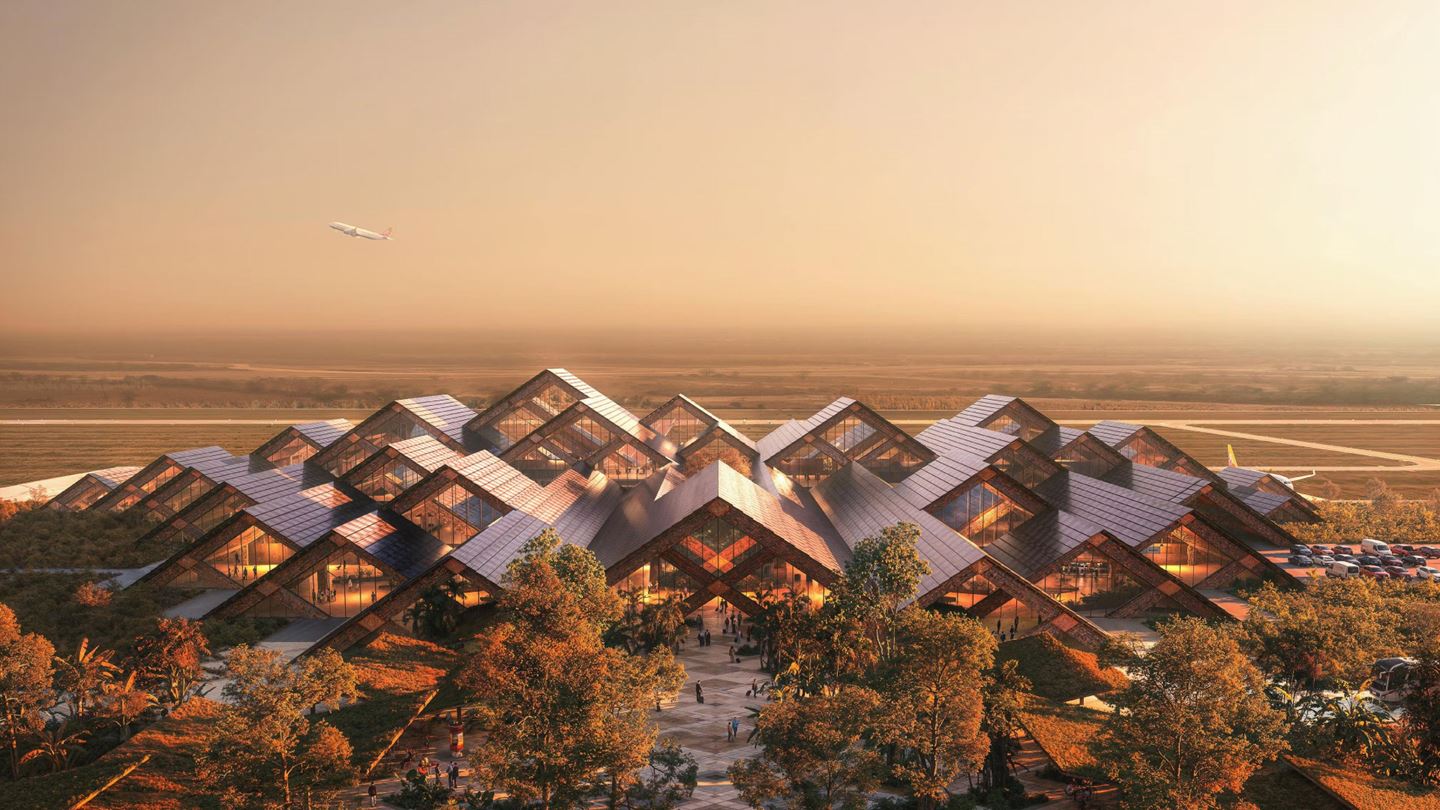
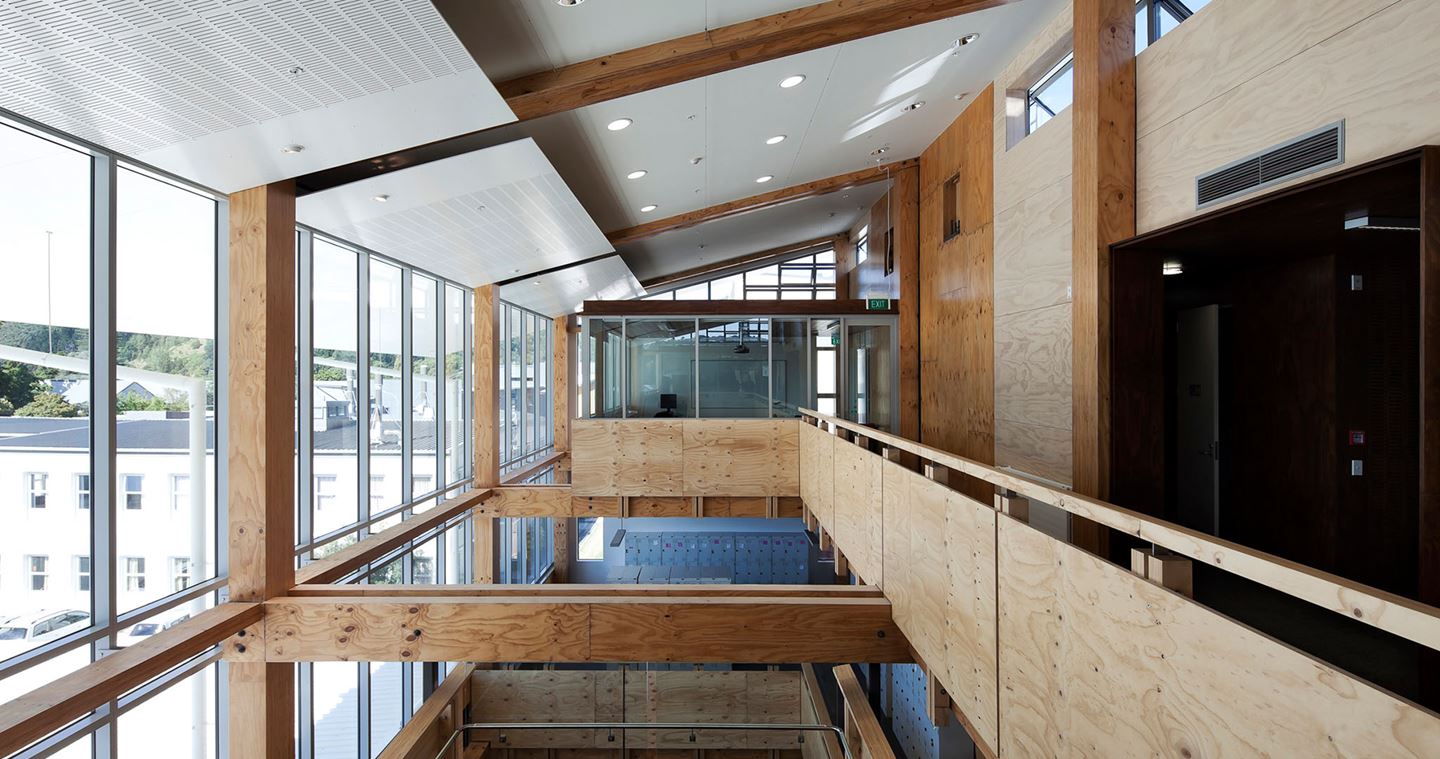
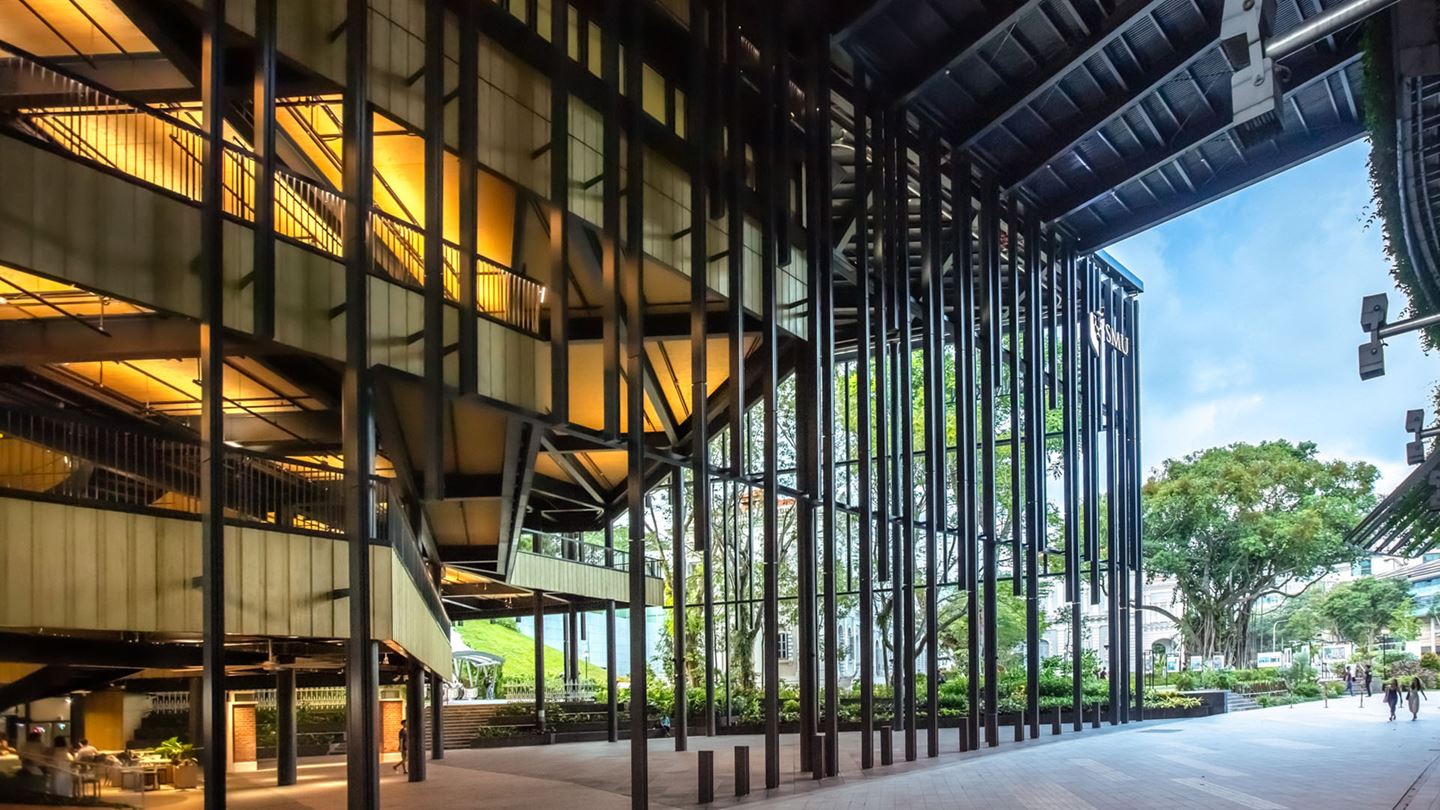
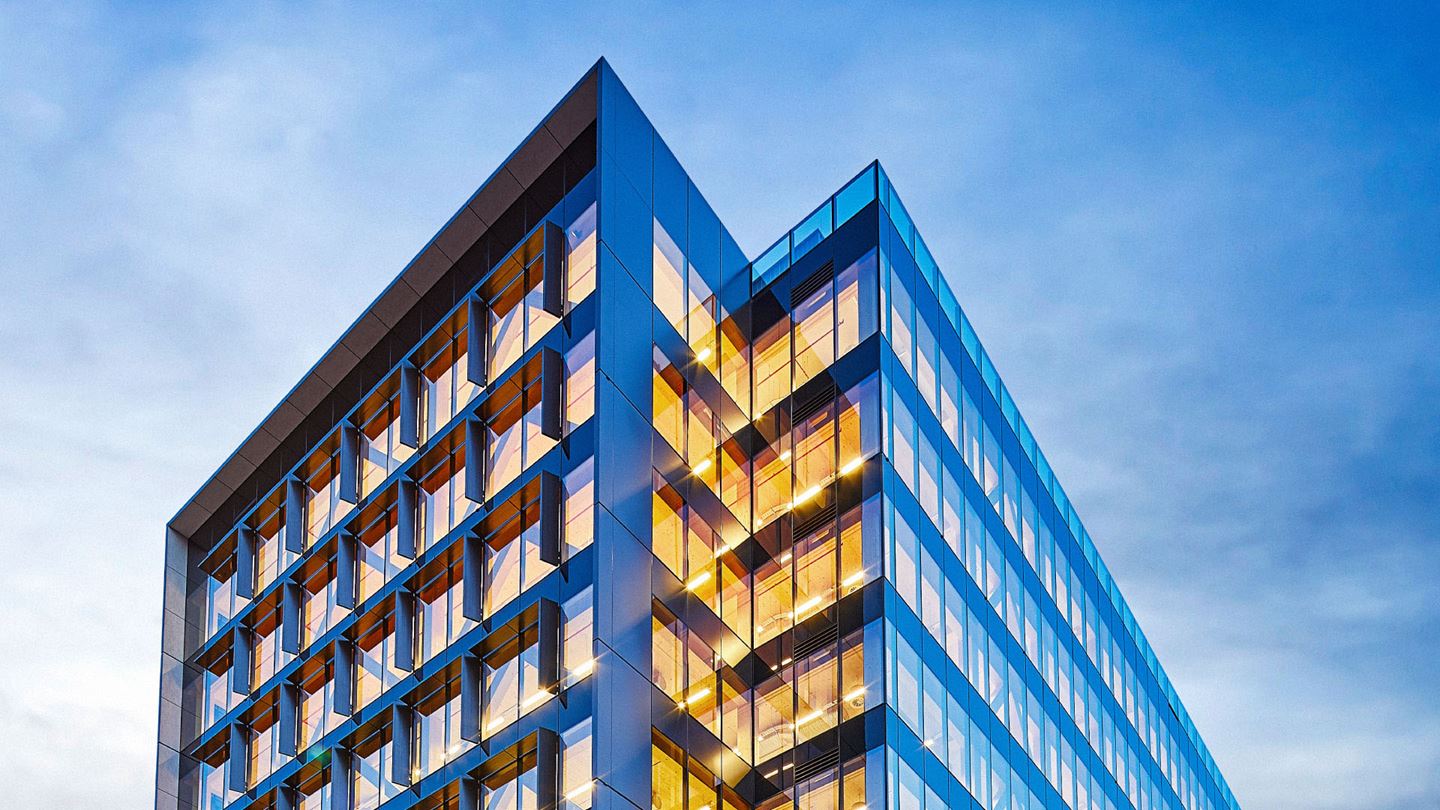
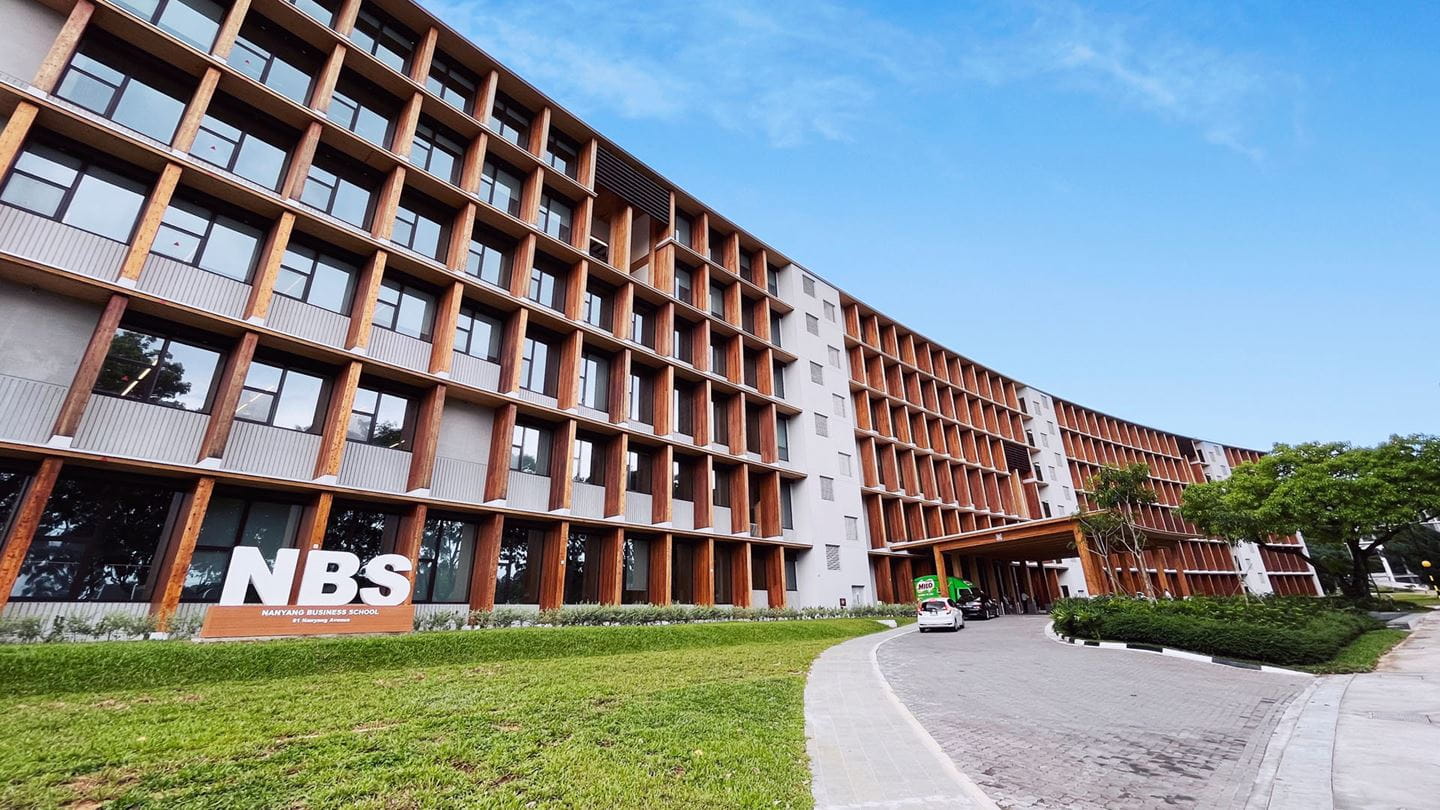
Aurecon has a long-standing track record in the design and construction of MET buildings, such as:
This film premiered on Tuesday, 29 August on campus at Murdoch University, followed by a panel discussion on the role buildings can play in social and environmental sustainability. Watch the full panel discussion.
At Aurecon, we are rethinking how buildings and infrastructure are conceived: as material banks rather than future waste and as systems designed for longevity, reuse and regeneration. Timber is a material that helps bridge the gap between climate goals and sustainable development.

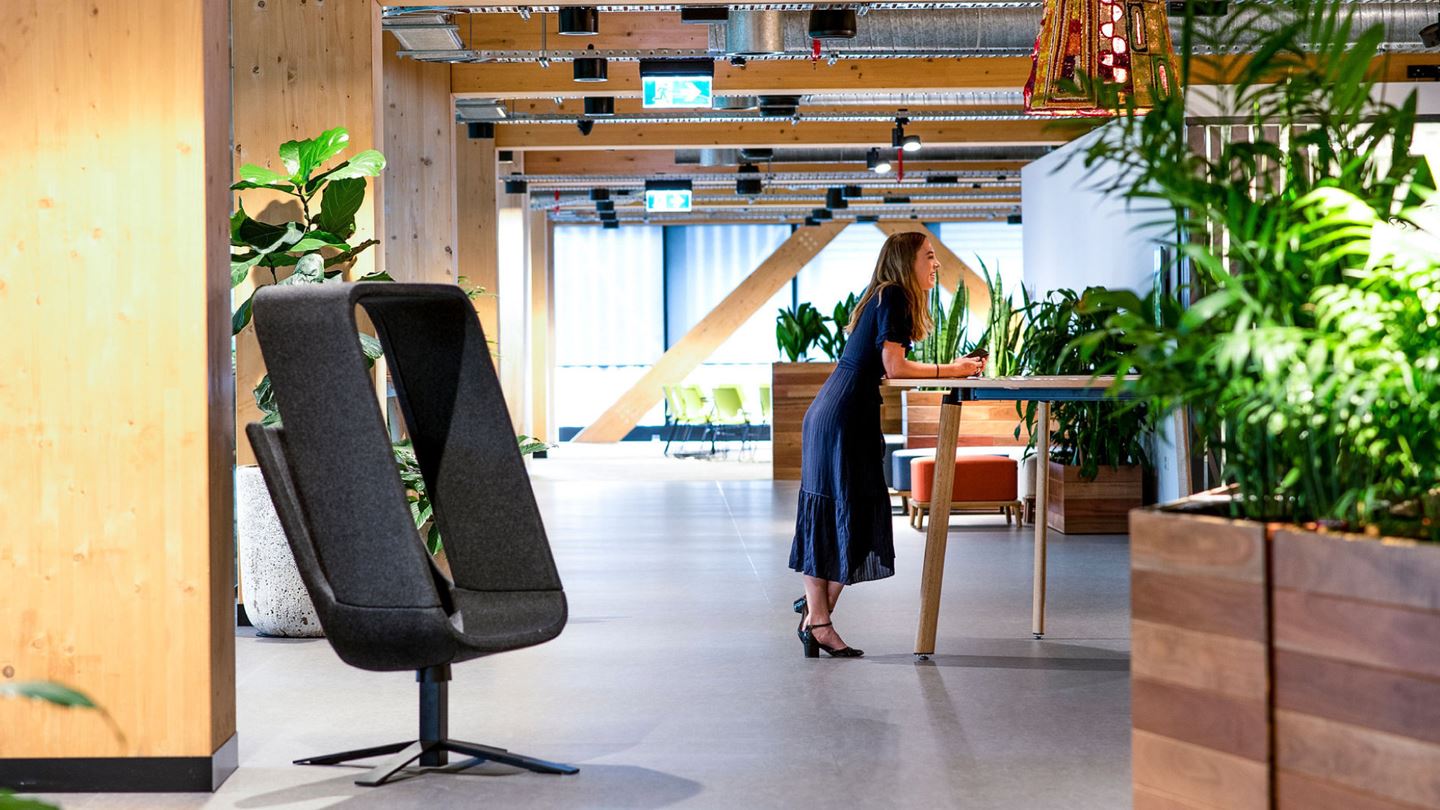
We take a human-centred and holistic approach to timber design – understanding the biophilic benefits of timber for end-user occupants.

We have deep connections with industry which helps in managing the supply chain of timber design and construction to unlock value.

We understand, and can quantify the circular and sustainability benefits of timber across the entire asset lifecycle.

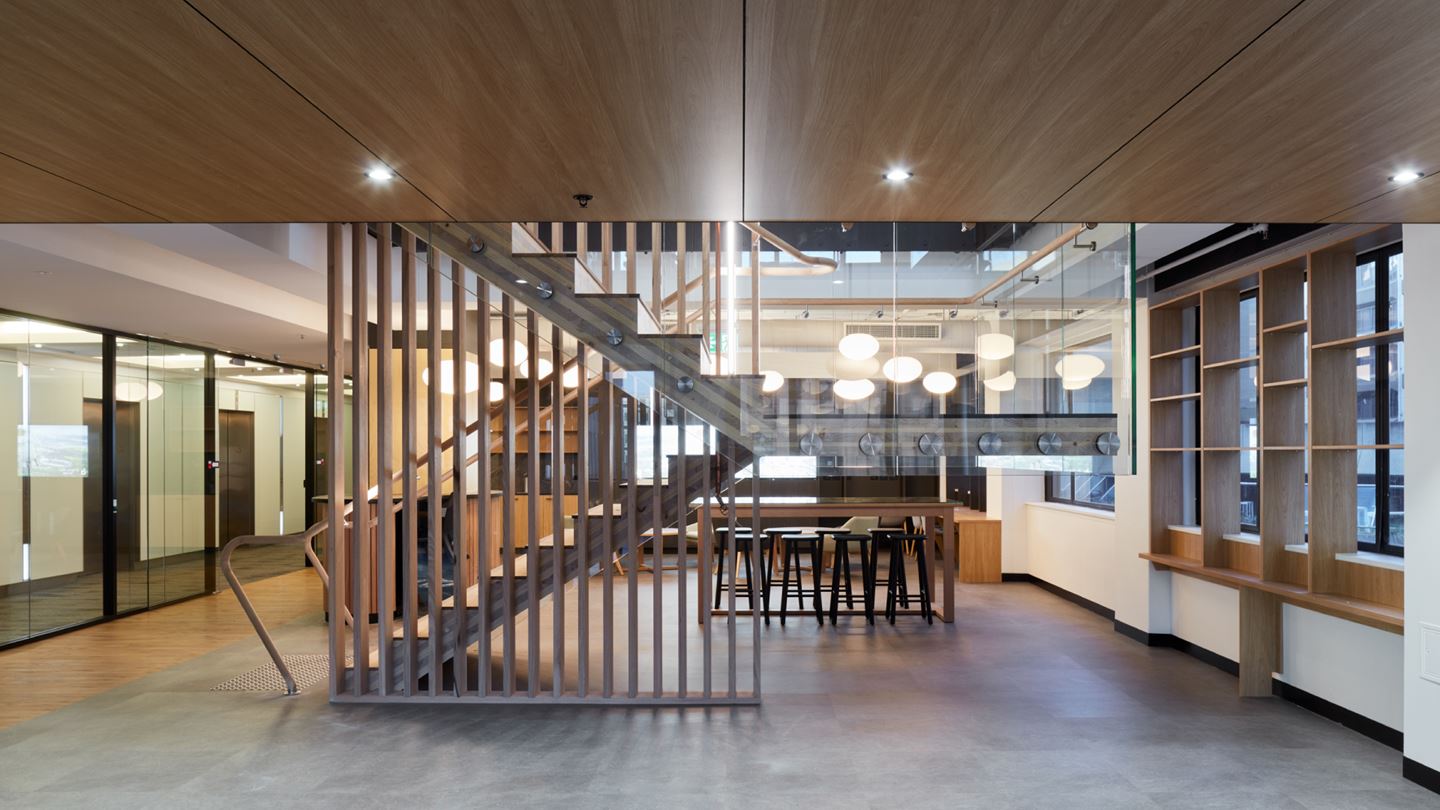
We exploit the aesthetic benefits of timber to showcase this natural product at its best.

Our commitment to timber is not all-encompassing – we realise that sometimes hybrid designs are more ‘fit for purpose’.

We are investing in the future of timber design, manufacture and construction through our research into the use of robotics in mass engineered timber construction.
Aurecon is Principal Partner of the ARC Research Hub to Advance Timber for Australia's Future Built Environment (ARC Advance Timber Hub) administered by The University of Queensland.
The aim of the hub is to develop the resources, enablers and drivers to advance timber as a natural resource and a material of choice contributing towards a net zero future for Australia’s built environment. Aurecon is involved in various nodes including Performance of Building Components, Manufacturing Innovation, Towards a Low Carbon and Circular Economy and Building Performance for Occupants.
Exploring sustainable timber and how integrating circular economy principles throughout the lifecycle of a structure can unlock long-term value for infrastructure.
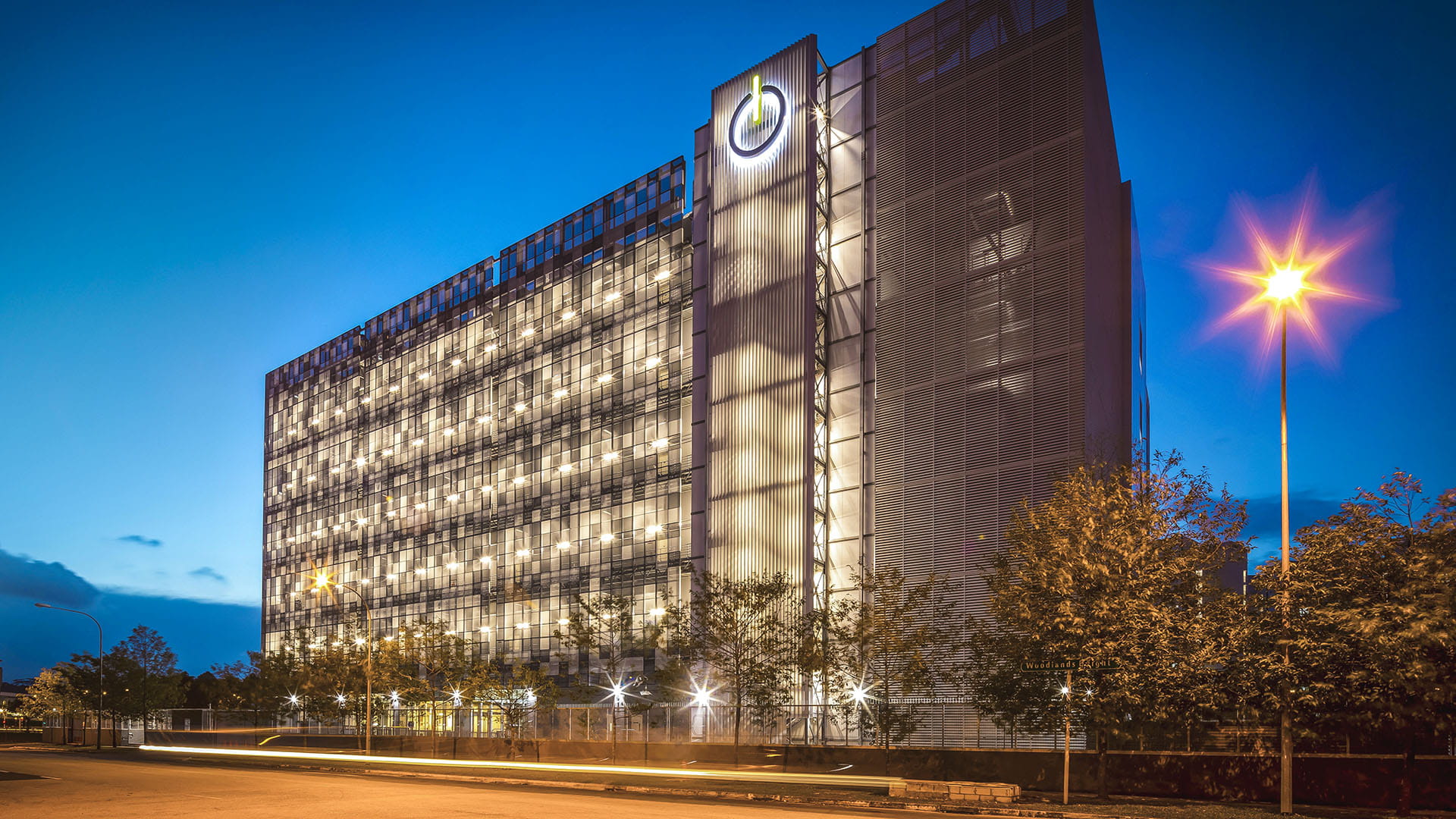
Discover how mass timber in non-traditional builds like data centres and hospitals is driving embodied carbon reduction and net-zero infrastructure design.
Aurecon’s sustainability experts explore the key design considerations for reducing operational and embodied carbon in data centres across the Asia Pacific.
Aurecon presents structural engineers’ impact through innovation, reducing climate change effects and delivering community value at ASEC, 30-31 October 2024.
Unsustainable buildings are like unhealthy bodies. How can we transform our world's buildings into sustainable structures?
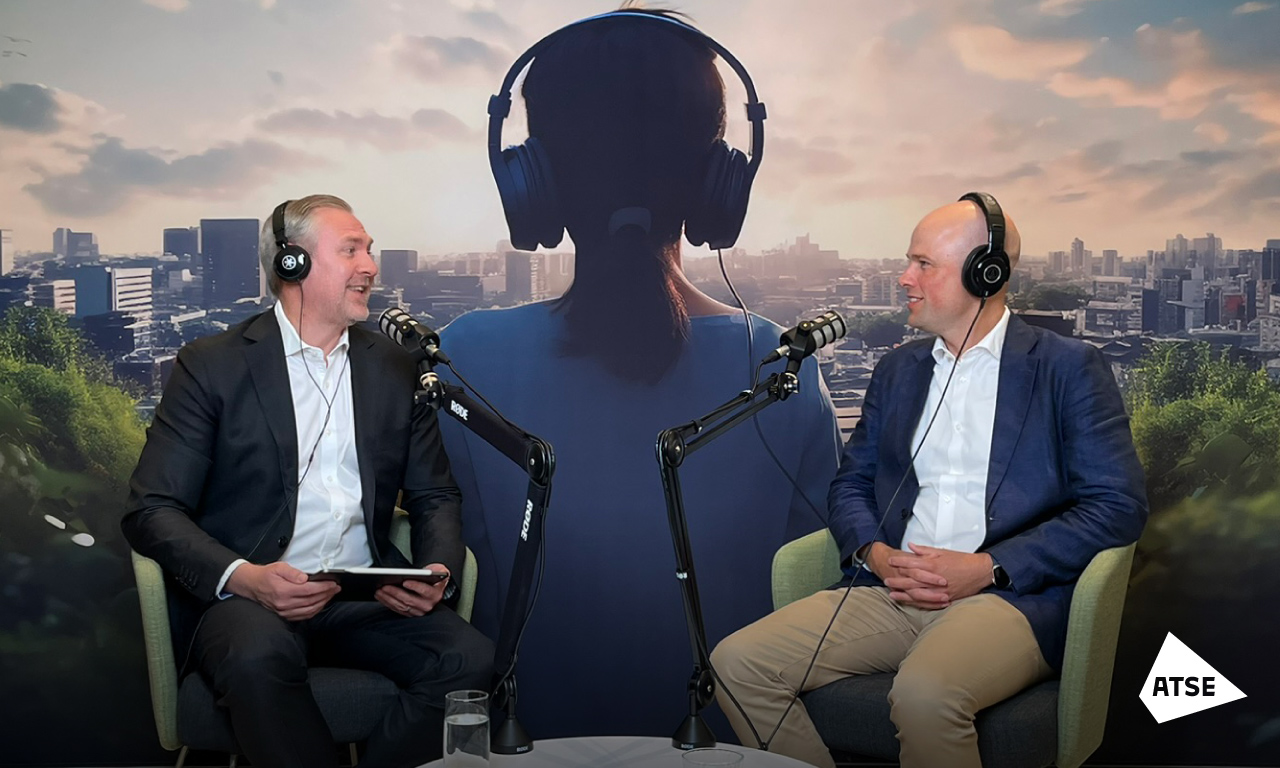
Scott Powell and Marcus Holgersson explore how we can match technology to real-world problems and unlock value through safe and effective adoption.

Director, Innovation

Discipline Leader, Environmental – QLD, Australia

Buildings Structures Practice Leader – WA & NT, Australia

Principal, Sustainability – QLD, Australia

Buildings Structures Practice Leader – QLD, Australia

Buildings & Infrastructure Advisory Leader – New Zealand