Auckland City Rail Link, New Zealand
Auckland’s first underground railway system will reduce congestion, bring people closer to job and amenities, and unlock new development potential.



Change your location to view content tailored for you.
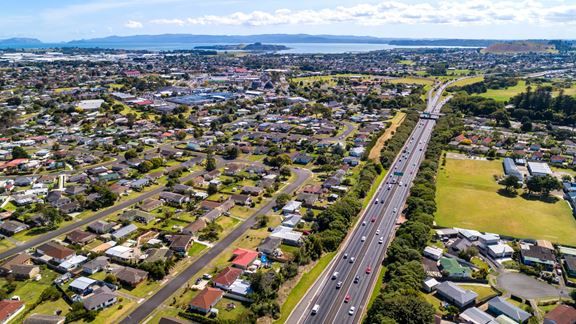
Auckland’s Northern Busway is one of the city’s biggest transport successes. Since opening in 2008, annual passenger numbers have risen from 1.6 million (2009) to 8 million (2019), exceeding both the rail and broader bus network. Approximately a third of the trips over the Auckland Harbour Bridge in the morning peak period are now taken by bus.
This is expected to at least double over the next 30 years. By the mid-2030s, it is forecast that more morning peak trips across the bridge will be by bus than by car (Auckland Transport, 2016).
The North Shore is one of Auckland’s fastest growing areas, and with the issue of a second Waitematā Harbour Crossing yet to be resolved, the strategic importance of the busway to the city is becoming even greater. The current system is tracking towards capacity being reached by the 2030s, underpinning the urgent need for Auckland Transport (AT) to address growing demand of the busway and ensure it meets capacity projections into the future.
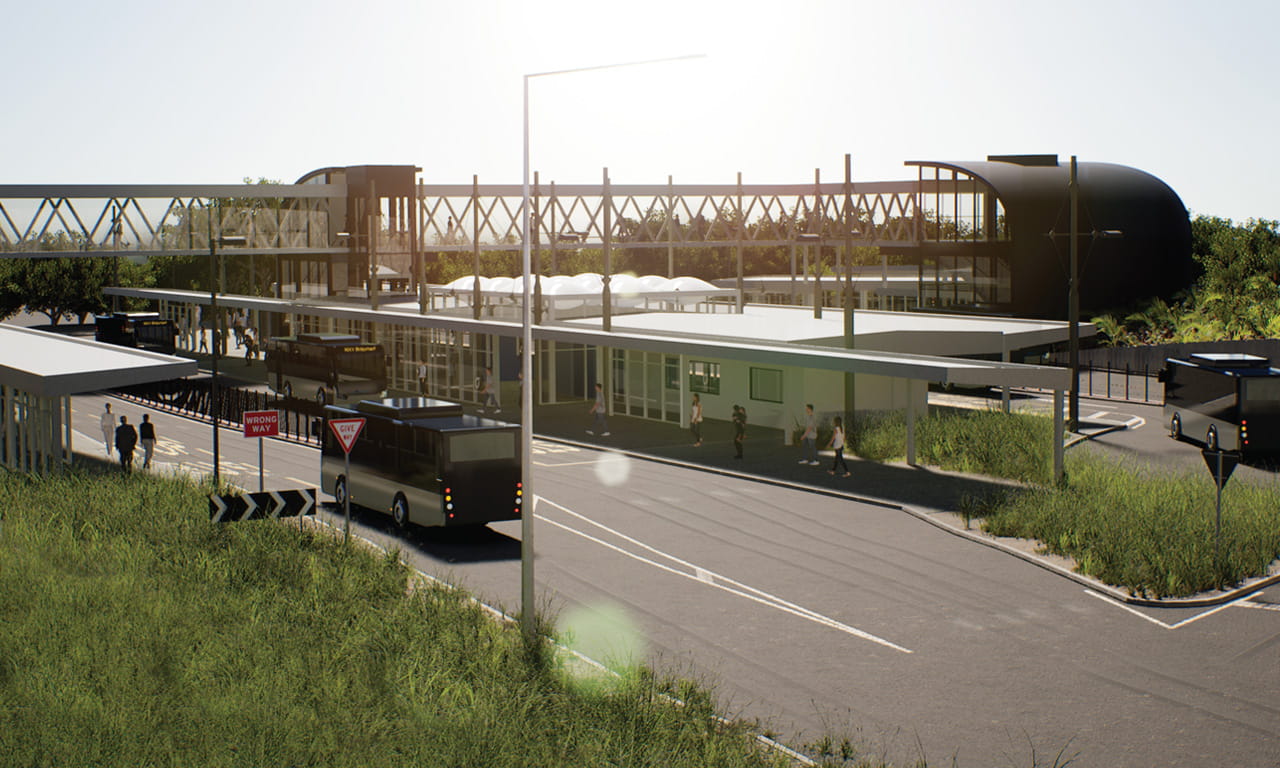
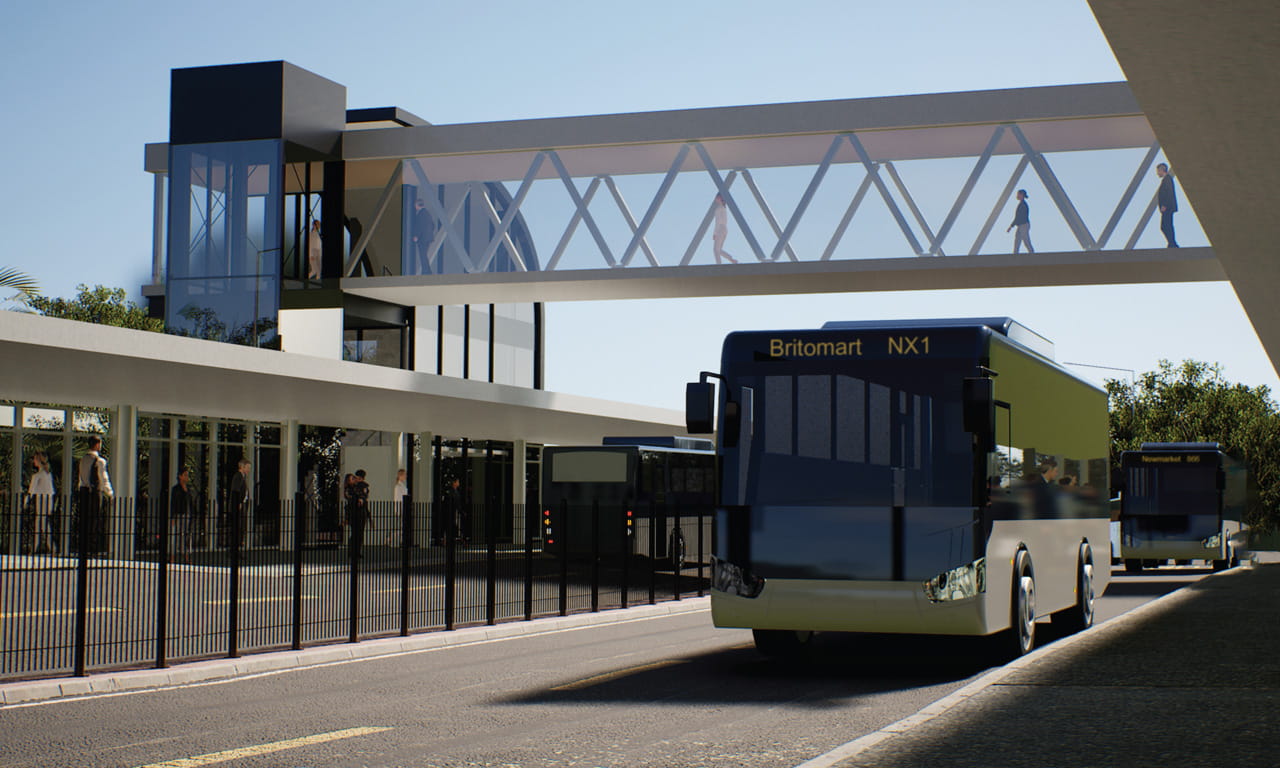
Aurecon responded with a detailed business case that provided pragmatic, cost-effective improvements to the busway to improve travel times and reliability and meet projected capacity up to the late 2030s. It’s about making the best use of the assets we already have.
The full suite of improvements will collectively enable the busway to meet projected demand up to 2038.
The recommended programme can be delivered over 10-15 years and is scalable, depending on the availability of capital and the timing of other rapid transit investments for the North Shore. The recommendations will contribute to meeting growth in cross-harbour public transport demand, while also supporting mode shift to public transport and the ongoing success of Auckland’s city centre, while other rapid transport projects are investigated and implemented.
Aurecon delivered the detailed business case on time and within budget, and it has since been approved, with some measures marked for funding in the Regional Land Transport Plan for 2027.


To develop the solution, Aurecon undertook extensive data gathering, considering inputs including busway performance, recent observed ridership, boarding and alighting patterns, customer feedback and experience data, operational issues and risks and current or proposed improvement programmes.
Responding to the numerous infrastructure, operational and environmental challenges faced in the distinct corridor zones – including the project’s location in a constrained and environmentally sensitive area – Aurecon’s specialised bespoke optioneering and design methodology included:
This project required increased focus on planning and environmental assessments due to the Coastal Marine Area, the Significant Ecological Area (SEA) immediately east of State Highway 1 (SH1), and volcanic viewshaft overlays. Coastal cliff remnants to the north and south of the Auckland Harbour Bridge also contain SEA-protected vegetation and two sites of significance to mana whenua. Modelling was undertaken for SH1 to determine the impact of bus priority and transit lanes.
A comprehensive modelling assessment was completed for all proposed options. A base model was developed to represent the existing operation of the key intersections along Fanshawe Street between Beaumont Street and Nelson Street, modelling was undertaken for the wider system, to provide patronage information and inform the economic evaluation.
To determine the need and timing for station upgrades, Aurecon developed and agreed a specific assessment framework with AT and New Zealand Transport Agency Waka Kotahi (NZTA). The team developed a model to assess the operational impacts of the future bus networks and identify the need for station upgrades. The inclusion of pedestrian and cycling access studies ensured integration with the Akoranga to Constellation shared use path.
Collaborative management and delivery across the programme and with adjoining projects was critical to success. Aurecon led frequent working and informal briefing sessions and sharing of designs with a wide range of stakeholders including AT, NZTA and mana whenua, Auckland Council, Auckland System Management, independent peer reviewers for transport modelling and economics, and project teams from interfacing projects of Akoranga to Constellation Detailed Business Case and City Centre Safety Improvements.
Gaining alignment among stakeholders early in the project, provided the project team with valuable insights and enhanced the outcome of the design and operations of the facilities. Particularly crucial was early agreement of assumptions and sharing designs with interfacing projects to ensure integration across all schemes.
Aurecon facilitated a range of risk, procurement, consenting, funding and governance workshops with stakeholders from AT and NZTA to collaboratively develop a staging strategy that responded to the complexities faced by the project. This strategy considered:
Auckland’s Rapid Transit Network is intended to be the highest level exemplary public transport service, providing fast and consistent regional access, and offers a reliable and superior alternative to driving. The business case recommends a series of improvements to enhance the capacity and improve the reliability of the Northern Busway.
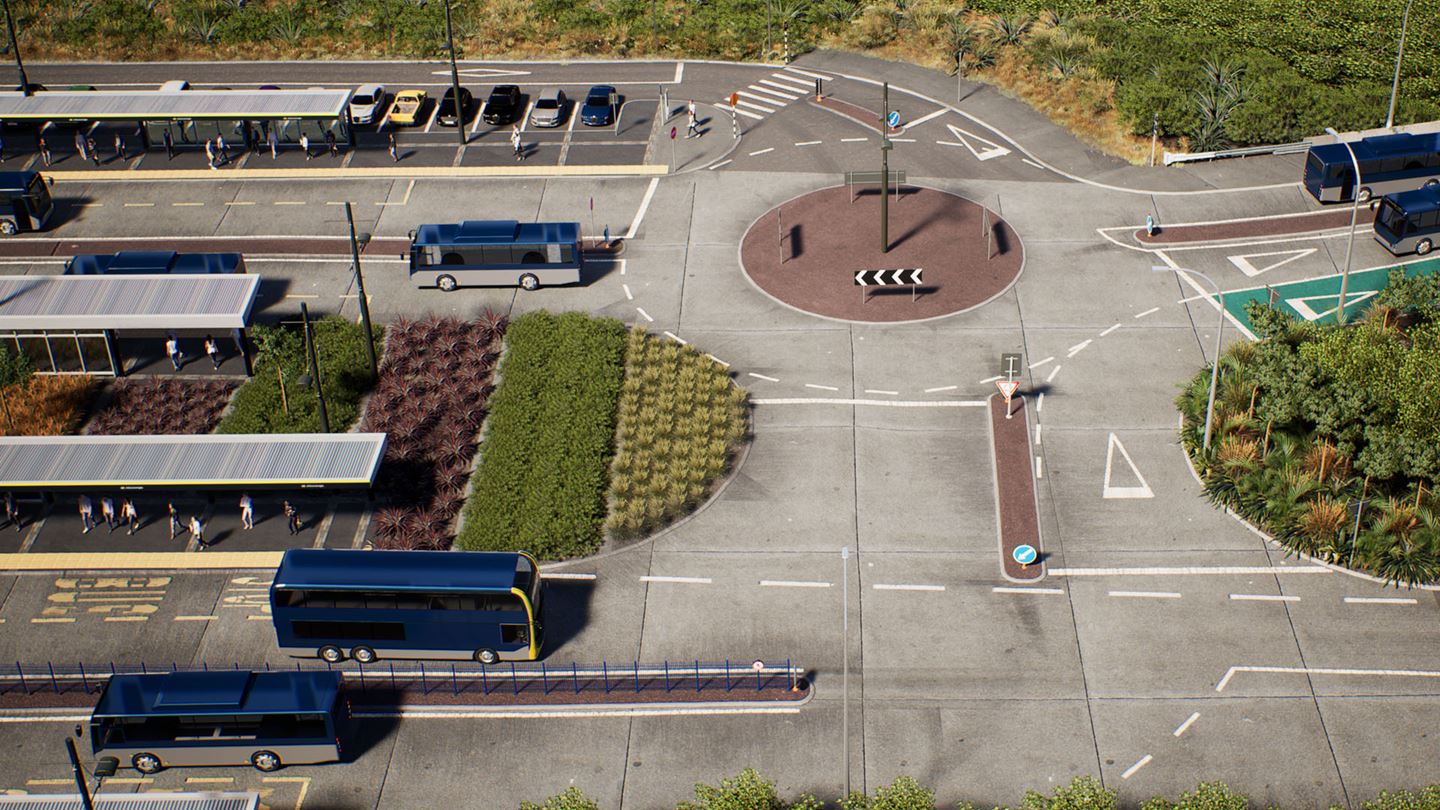
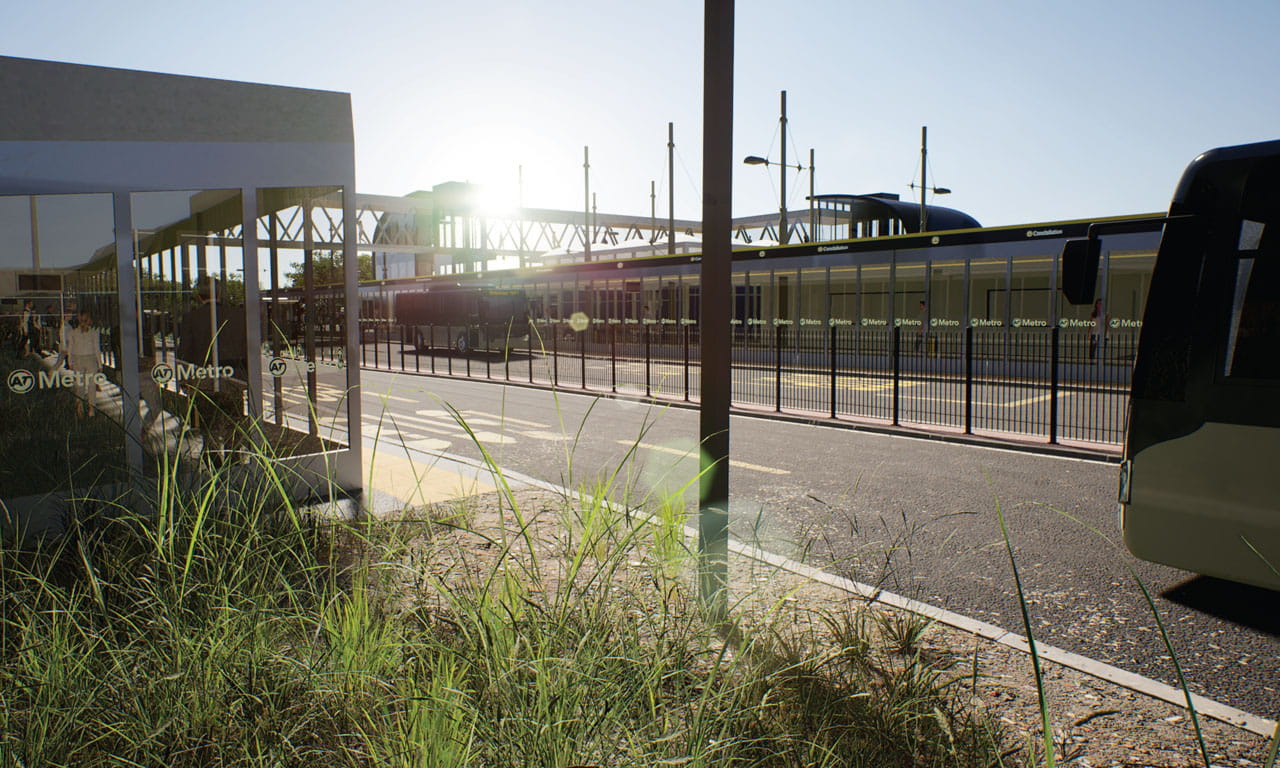
Recommended improvements include platform extensions, bus station upgrades, extensions to bus shoulder lanes, potential managed lanes. The business case also recommends additional system wide improvements to reduce crowding and improve customer experience across the system, such as all door boarding, off board fare collection, level boarding and queuing arrangements for platforms.
The full suite of improvements will collectively enable the busway to meet projected demand and provide a high-quality service that meets customer expectations up to 2038.
Auckland’s first underground railway system will reduce congestion, bring people closer to job and amenities, and unlock new development potential.
Aurecon is part of the Northern Alliance delivering NZ’s Ō2NL expressway, partnering with NZTA Waka Kotahi to improve safety, reliability and efficiency.
Aurecon developed MOAT, a digital tool enabling NZTA to assess carbon and resilience impacts across thousands of projects, supporting faster, data-driven transport decisions.