Drury Rail Stations, Auckland, New Zealand
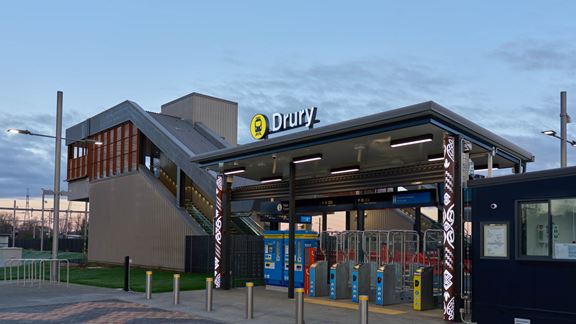
Aurecon is delivering human-centred modular design to three new rail stations with integrated transport options for Auckland's southern growth area.


Change your location to view content tailored for you.
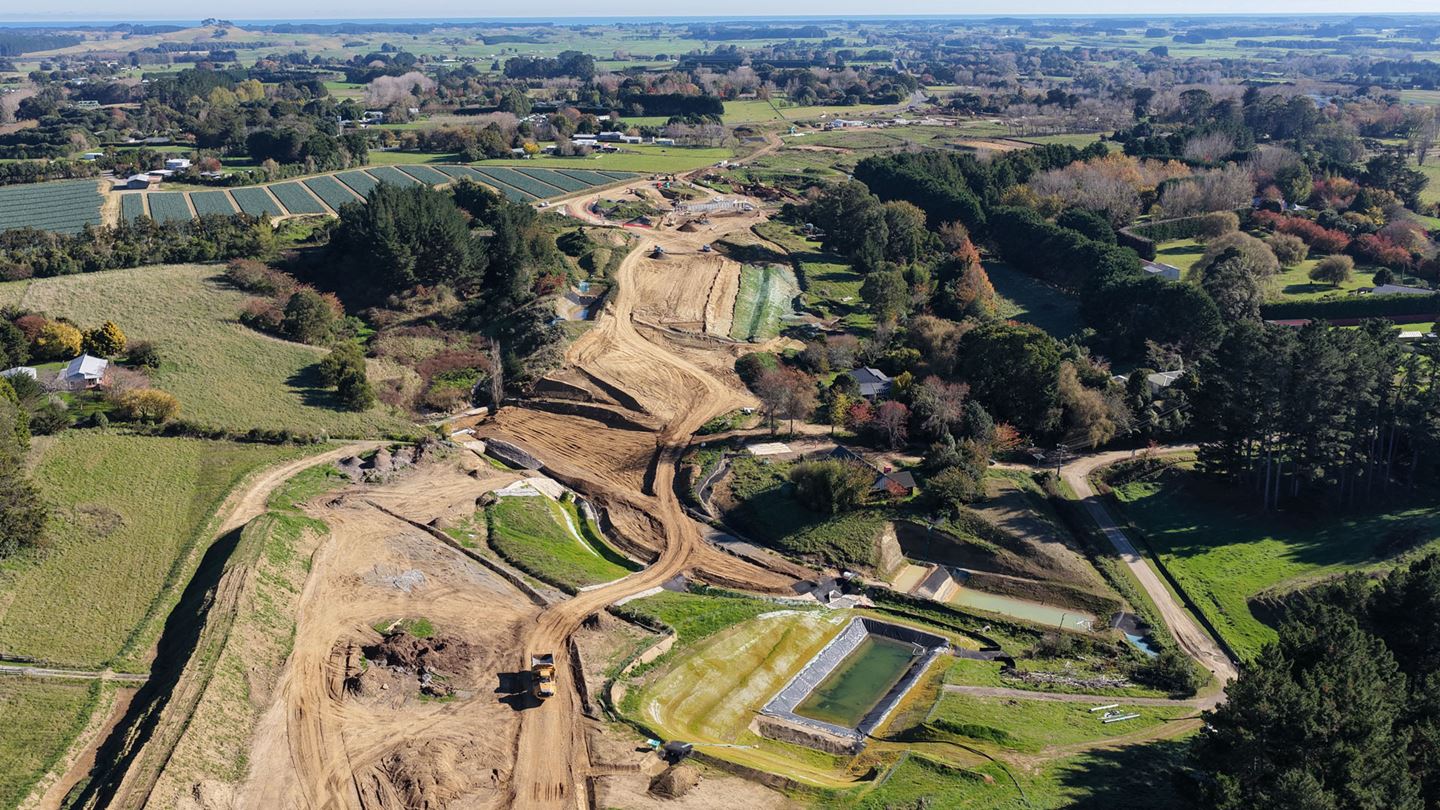
The new expressway being constructed by the Ōtaki to north of Levin: Te Pae o Tararua (Ō2NL) team is part of the Wellington Northern Corridor and is a Road of National Significance. The NZ$2.1 billion, 24 km, expressway will improve safety, resilience, reliability and efficiency for those moving around or through Aotearoa New Zealand’s Horowhenua District and lower North Island. It will provide stimulus for economic growth in the region.
Construction started in October 2025, with the new road expected to be open to traffic before the end of 2029.
Aurecon is part of an alliance alongside Fulton Hogan, HEB Construction, WSP and the NZ Transport Agency (Owner) tasked with delivering the northern section of the works, crossing the Ōhau awa (river), heading north to State Highway 57 and connecting back into the existing State Highway 1 north of Levin. A second alliance is delivering the section of work south of the awa. Ō2NL project partners include Muaūpoko Tribal Authority, Ngāti Raukawa ki te Tonga, and council partner Horowhenua District Council.
Our scope includes delivering approximately 13 km of expressway and the same length of off-line shared use path, the Ōhau awa bridge, a new grade separated interchange at Tararua Road and several roundabouts, as well as stormwater and geotechnical works.
Detailed design is well progressed. The alliance has continually sought opportunities to deliver greater value for money, working with NZ Transport Agency Waka Kotahi to value engineer the design and challenge scope and standards, with the aim of achieving the same resilient and safe outcomes in a more affordable way.
Delivering major transport infrastructure as a core design partner within the Ō2NL Northern Alliance.


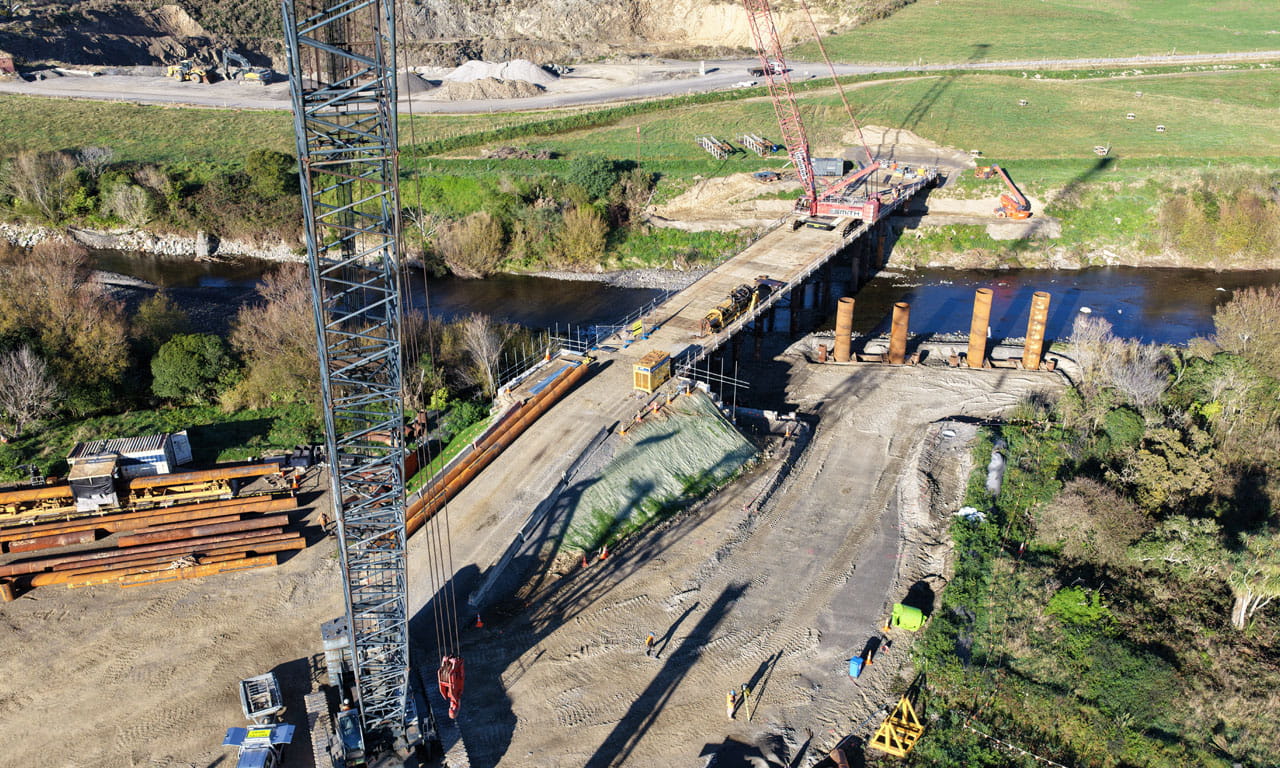
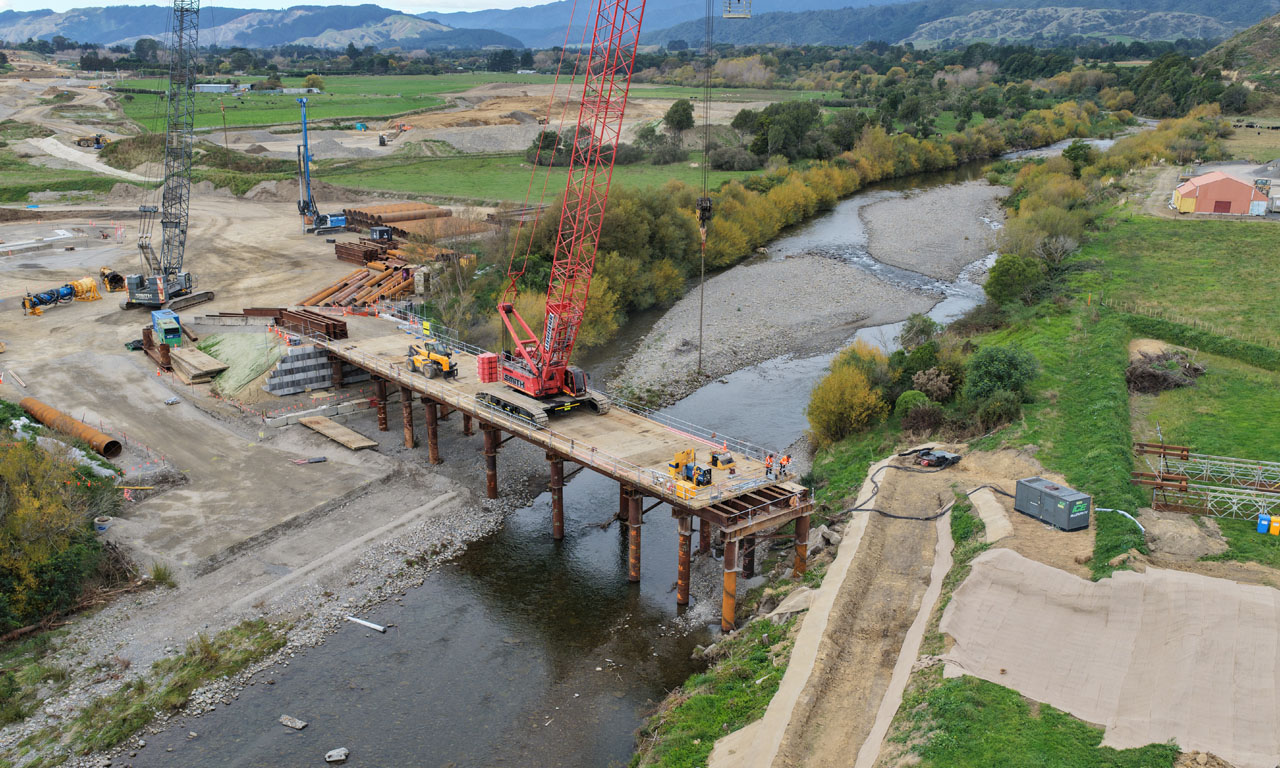
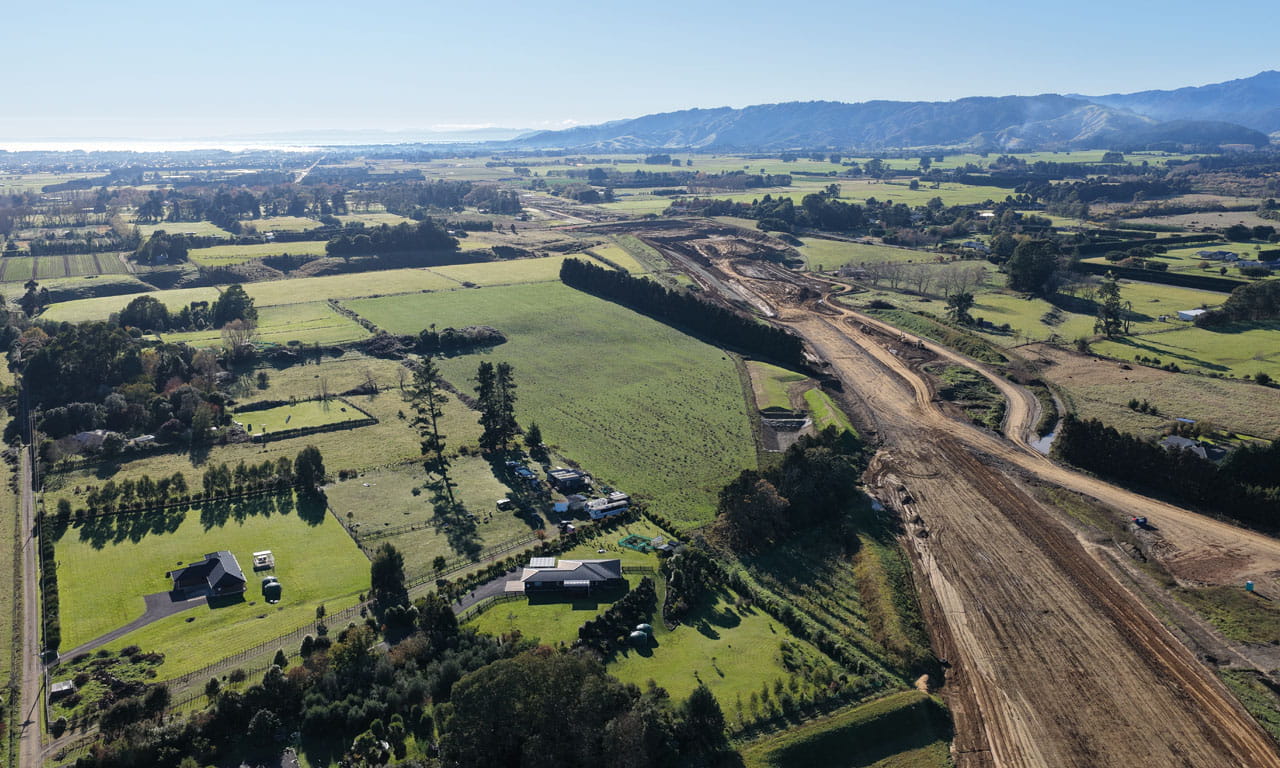
Muaūpoko Tribal Authority and local hapū of Ngāti Raukawa te au ki te Tonga are partners on the project, and there’s a strong philosophy of treading lightly with the whenua, extending the approach applied on Te Ahu a Turanga: Manawatū-Tararua Highway.
A Cultural and Environmental Design Framework (CEDF) outlines the vision for the final design of the project, leveraging the principles of te ao Māori (the Māori world view), mātauranga Māori (traditional Māori knowledge) and te mana o te wai (the mauri or life force of water). The CEDF has been co-created with iwi partners.
To honour the whenua, the design incorporates native planting, stream reconnections, offset mitigation planting and ecological enhancements to integrate the new expressway seamlessly into the landscape, soften visual effects and retain the landscape’s natural character. Approximately 350 hectares of native vegetation will be planted creating a net gain in biodiversity.
A four-hectare pest-free predator proof area has been established to keep native skinks safe during construction and freshwater fish and invertebrates in affected streams will be relocated.
The project seeks to leave a positive legacy, with the alliance required to demonstrate how they will grow people, enhance the safety and wellbeing of the team and community, develop local businesses and people, and create employment and training opportunities. This is delivered through the project’s Legacy Outcomes Investment Framework (LOIF).
The construction and operation of the road is expected to unlock significant economic benefits, with an overall net GDP impact estimated at NZ$1.157 to NZ$1.258 billion. It will also unlock new opportunities for housing and urban development.
Aurecon is delivering human-centred modular design to three new rail stations with integrated transport options for Auckland's southern growth area.
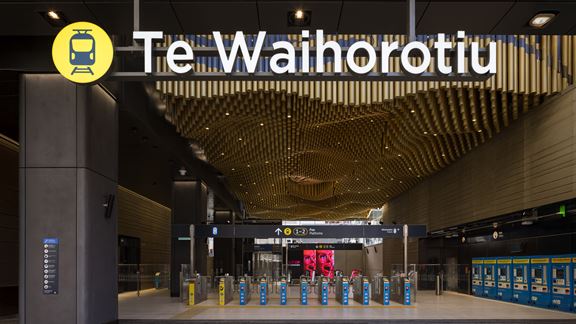
Auckland’s first underground railway system will reduce congestion, bring people closer to job and amenities, and unlock new development potential.
Aurecon developed MOAT, a digital tool enabling NZTA to assess carbon and resilience impacts across thousands of projects, supporting faster, data-driven transport decisions.