Change your location to view content tailored for you.

Following a major landslip and the indefinite closure of a critical strategic transport route in New Zealand’s lower North Island, reconnecting people and communities as quickly as possible was key to ensuring the safety of travellers, and the ongoing prosperity for the region.

In 2017, the landslip from the Tararua ranges cascaded down on State Highway 3, cutting off the main link between Manawatū and Hawkes Bay, including a strategic trading and tourism route through the Manawatū Gorge. With alternate routes causing traffic delays and further safety concerns, providing a safe, resilient and efficient connection to replace the route through the Manawatū Gorge was an urgent priority.

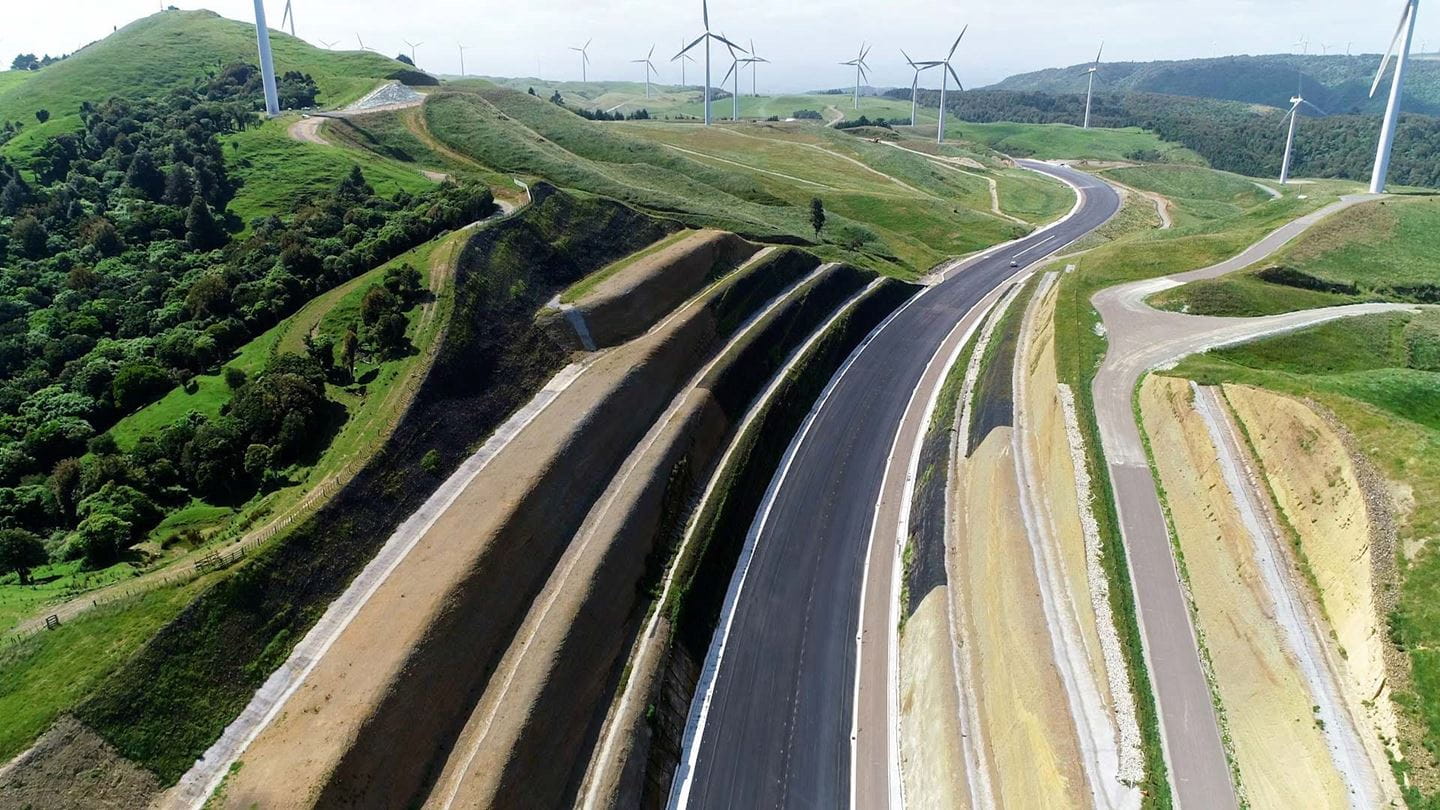
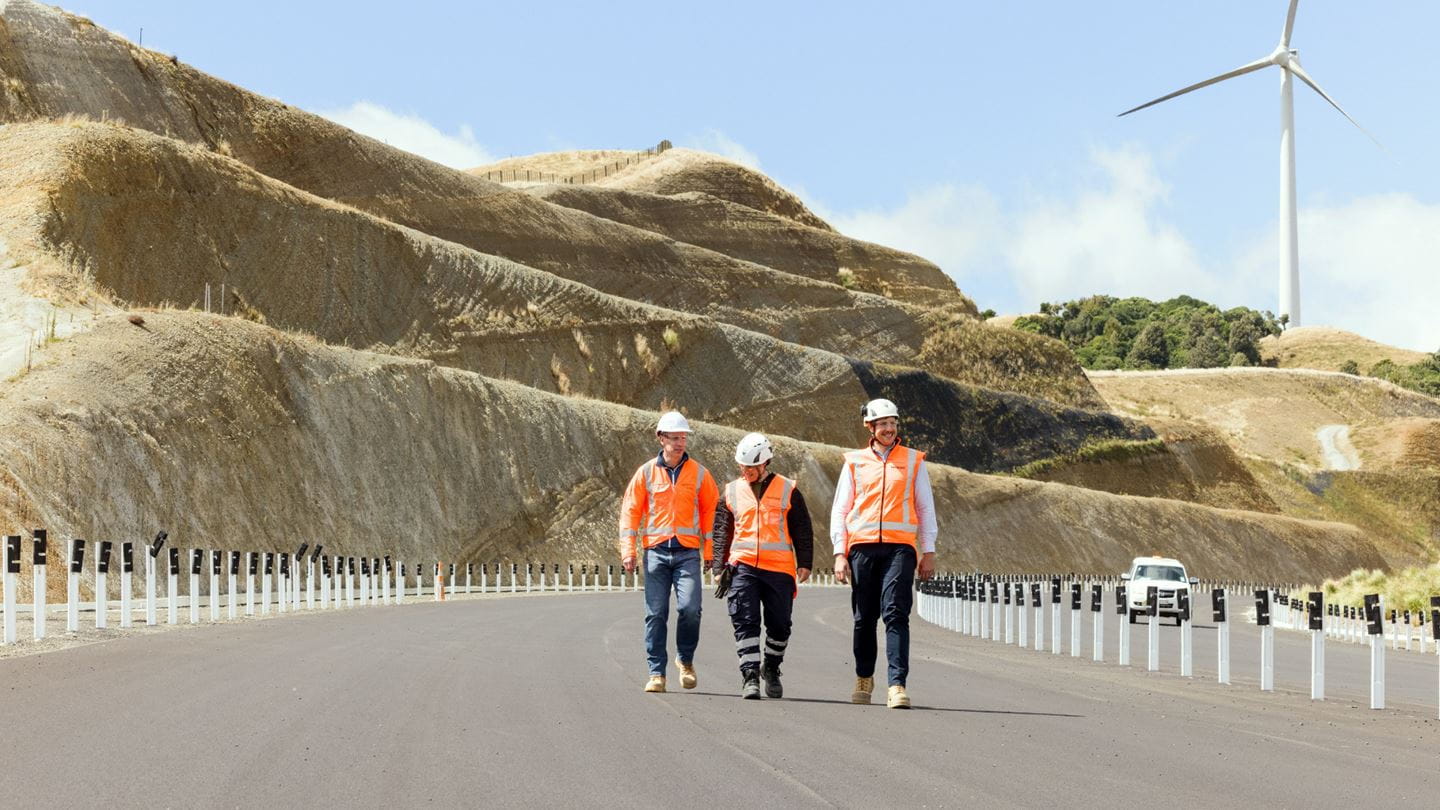
The New Zealand Transport Agency Waka Kotahi (NZTA) engaged an Alliance comprising itself and Aurecon, Fulton Hogan, HEB Construction Limited and WSP to consent, design and build the 11.5 km replacement route, which takes motorists from Woodville to Ashhurst and over the Ruahine range.

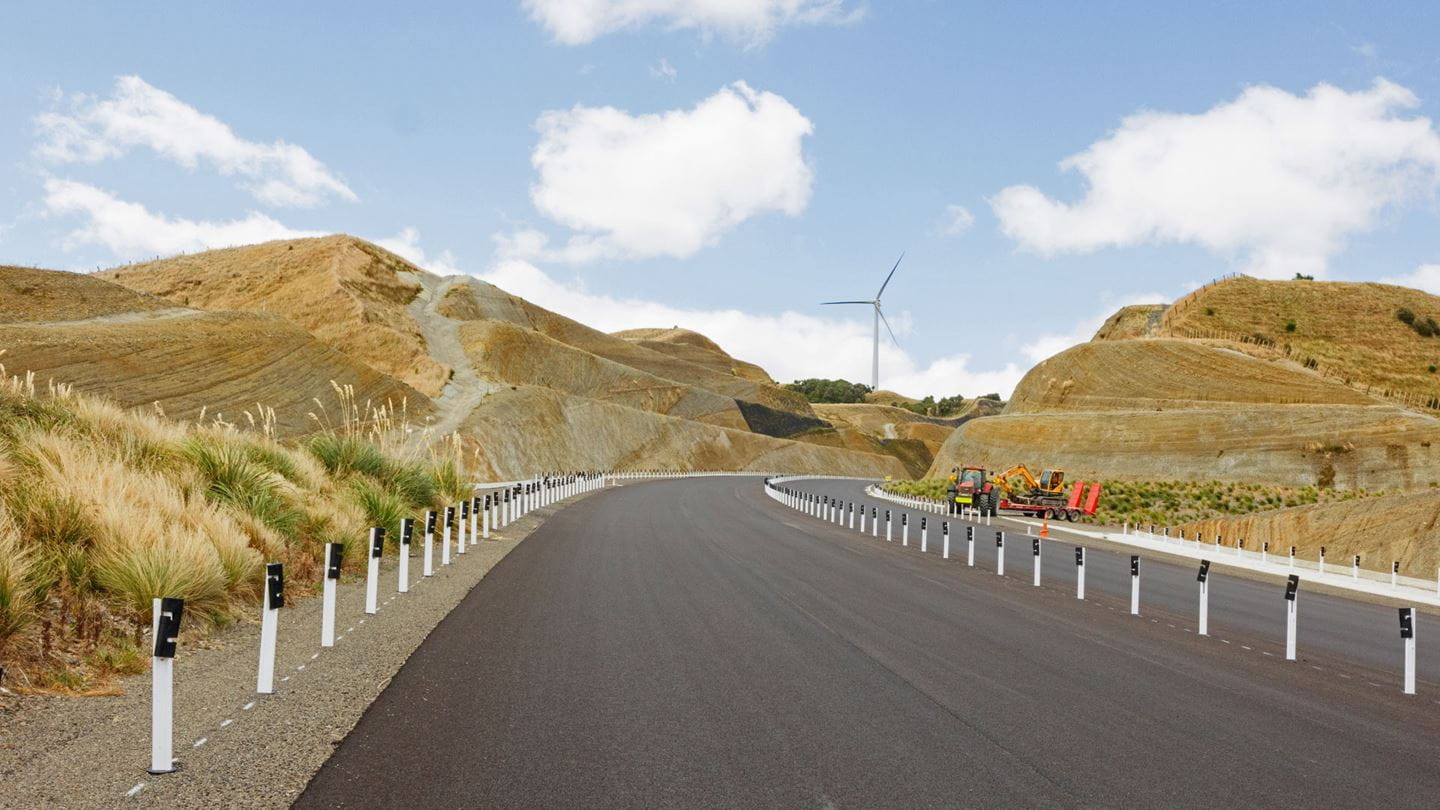
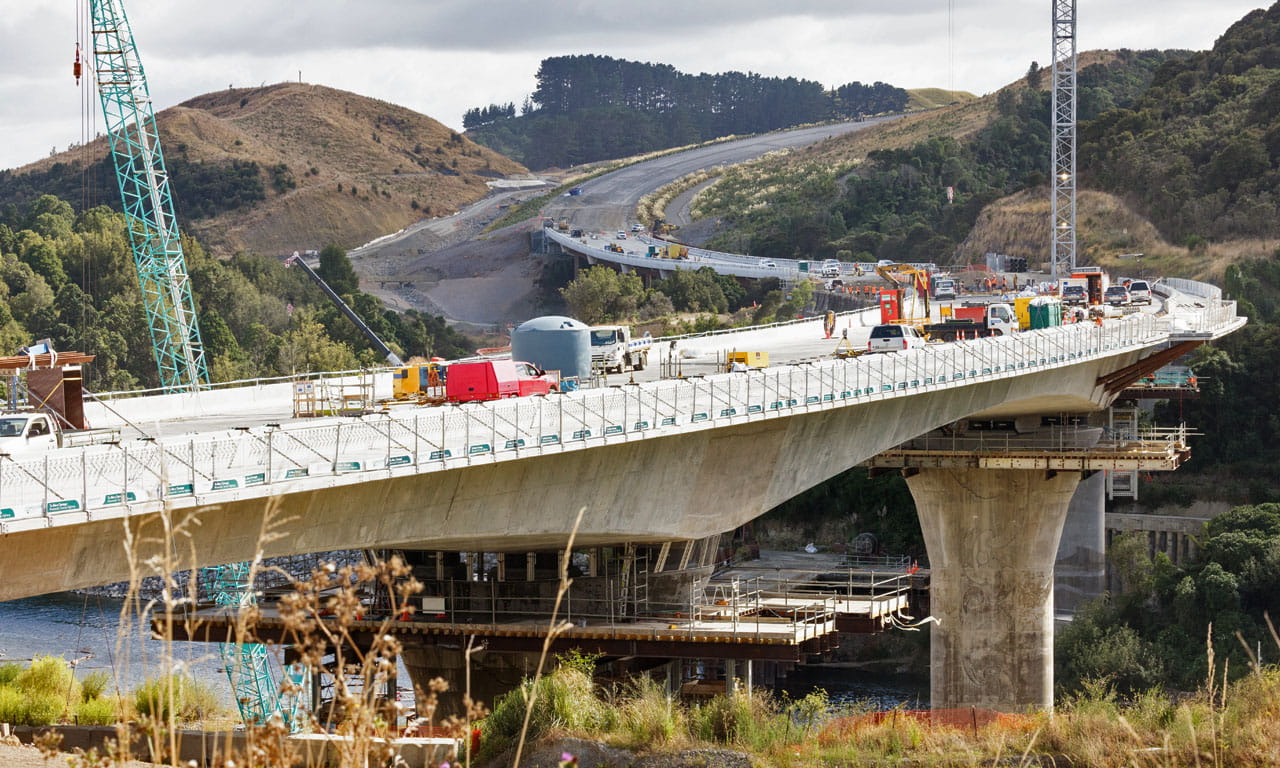
The new rural state highway includes four lanes of traffic, six bridges and supports active transport modes through a shared use path (SUP). The new road opened in June 2025.

In this video, learn how the Alliance partnered with New Zealand Transport Agency Waka Kotahi and the five iwi to deliver innovative, resilient and sustainable solutions that respected the community and the environment.

Aurecon provided planning, consenting, engineering design, digital and construction phase services, as well as advisory services. The Alliance’s resilient and safe design solution, plus the innovative approach to partnerships and reducing consenting risk, helped enable a fast start on the project.

Rapid mobilisation and integration of the Alliance design partners, subconsultants and systems helped develop a one-team culture. Partnerships with iwi, the Alliance’s leading application of digital, and the fast and flexible approach were integral to overcoming the challenges associated with completing this route quickly, in such a complex geography with multiple iwi groups.

With the local community facing an indefinite road closure, the new highway needed to open as soon as possible. Key to achieving this outcome was the Alliance’s approach to the consenting process. The Alliance developed a programme that allowed flexibility in the consenting and property acquisition process, which enabled a fast start on some early works. We de-risked the time taken for securing statutory approvals by shifting the road alignment to minimise impacts on stakeholders and the environment.

Importantly, developing consent applications in partnership with iwi, became critical in unlocking significant outcomes for the project and the community.

Location

Manawatū-Whanganui
New Zealand

Client

NZ Transport Agency Waka Kotahi

Partners

Fulton Hogan, HEB Construction Limited and WSP

Aurecon's Role

Planning, consenting, engineering design, digital, construction phase services, and advisory services

Complete

2025

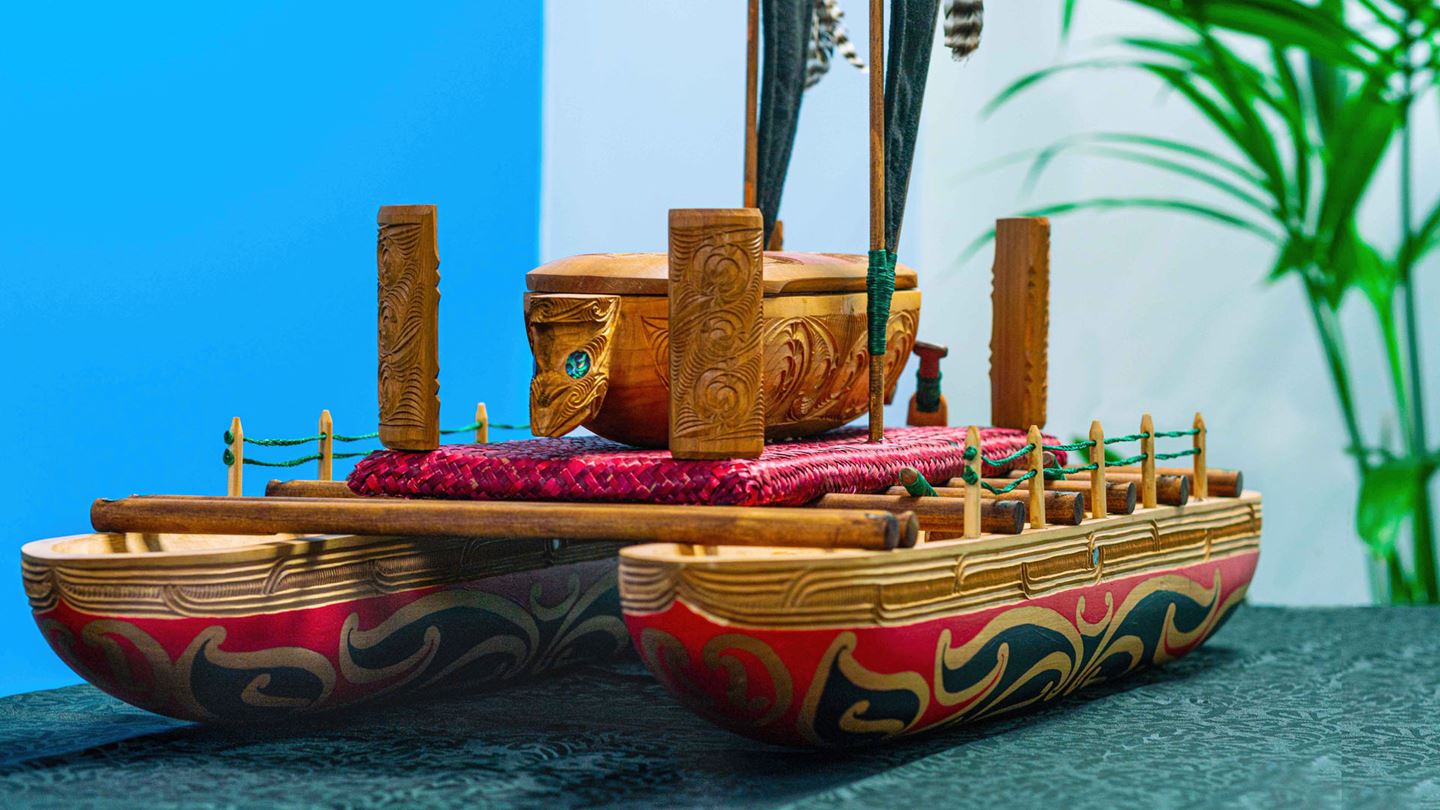
The image showcases a waka, a traditional double-hulled canoe central to Pacific Islands and Māori culture in New Zealand.

Iwi partnership at the heart

The Te Ahu a Turanga Alliance integrated iwi partners within the team at governance level – the first time this has happened in Aotearoa.

Five iwi: Ngāti Raukawa, Ngāti Kauwhata, Rangitāne o Manawatū, Rangitāne o Tamaki nui a Rua and Ngāti Kahungunu ki Tāmaki nui a Rua, played an integral role in developing the consents and design for the new highway, which accelerated the consenting process and allowed the main works construction to start early.

The partnership ensured the taonga iwi value are protected, and the area’s unique heritage is celebrated. A key example is stormwater, where the involvement of iwi in detailed design, drove more open conveyance methods, kept water in swales rather than in pipes or pits, and ensured water travelled to the same place it would have previously.

The image showcases a waka, a traditional double-hulled canoe central to Pacific Islands and Māori culture in New Zealand.

Partnering with iwi delivered best outcomes

Partnering with iwi ensured the best solutions, for the best outcomes. It provided benefits to the project team, through upskilling around iwi priorities, which is being shared and adopted on other projects.

As project partners, iwi were also intrinsically involved during the construction of the new highway, with business and mentoring opportunities for local Māori and Iwi businesses. iwi were intrinsically involved in setting up the Legacy outcomes framework and Health and Wellbeing strategy for the project.

Unique low damage design for seismic location

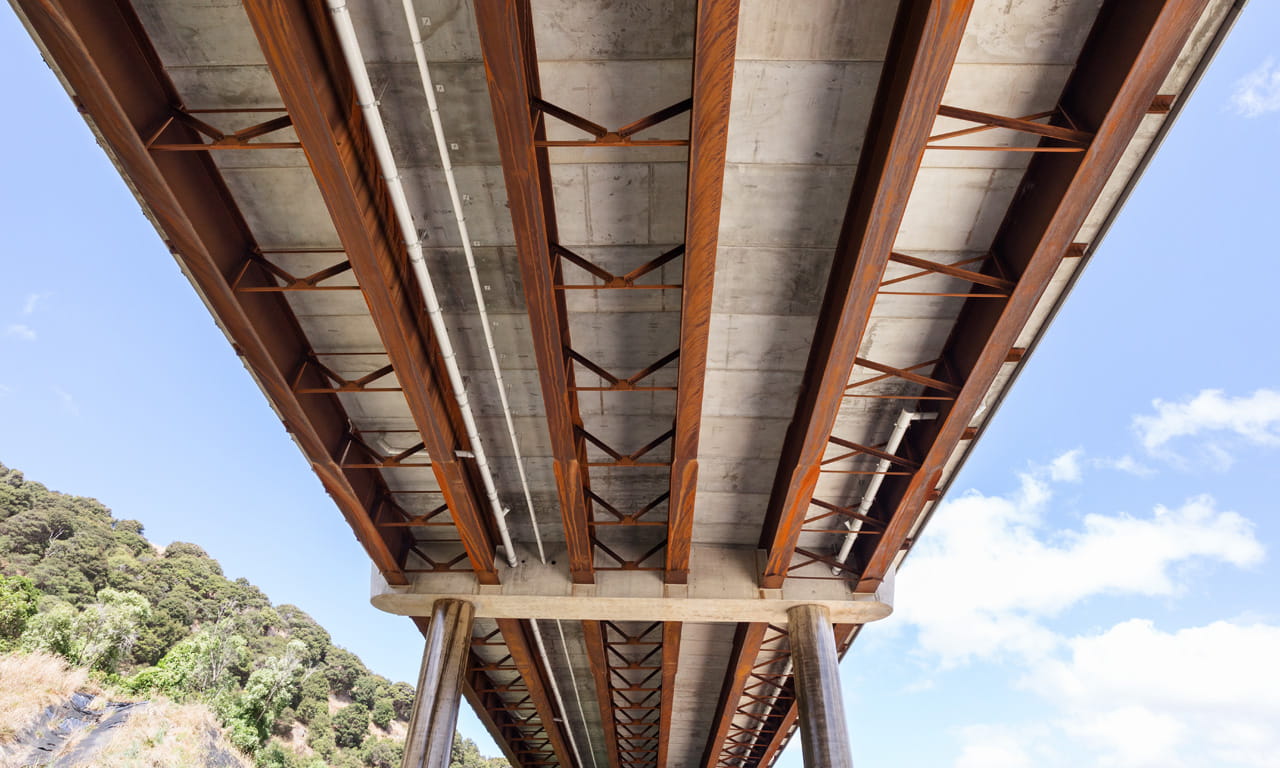
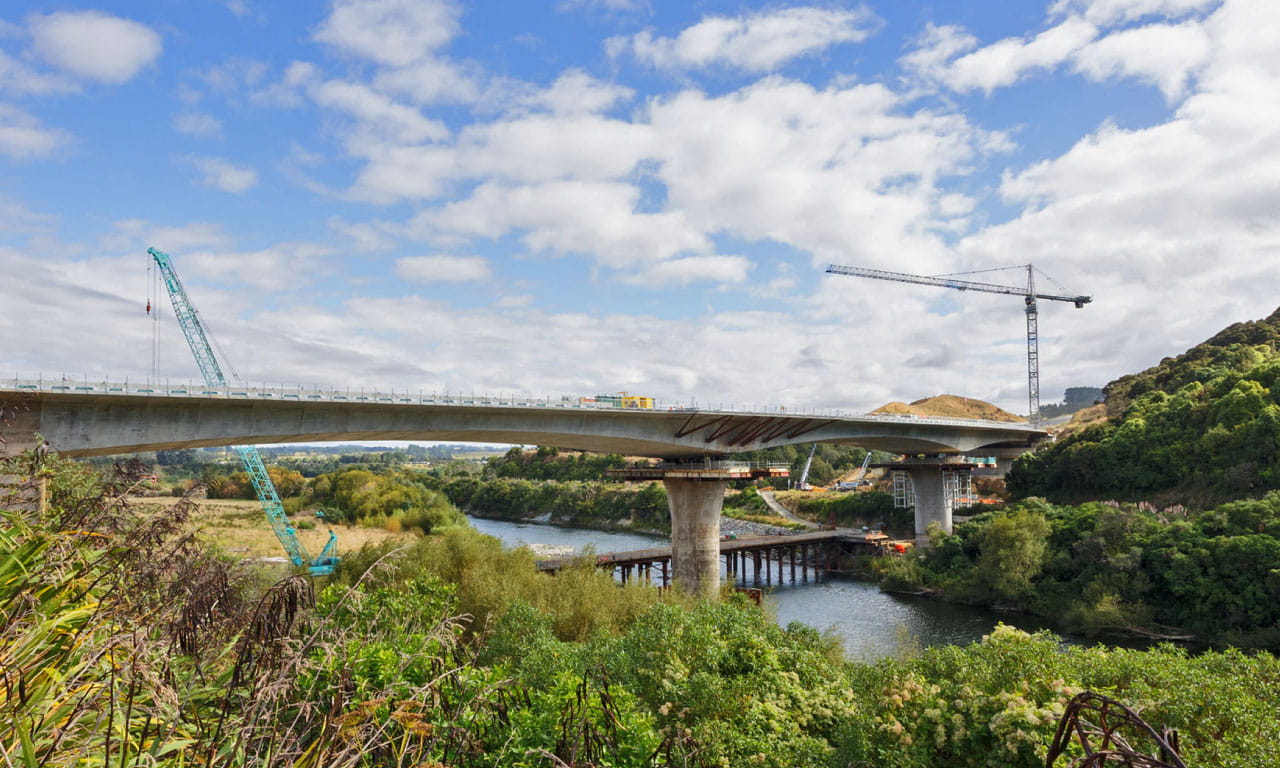
A key challenge was designing six bridges in a high seismic location, including a 295 metre in-situ balanced cantilever bridge (88 metre main span) across the Manawatū River.

Conventional elastic or ductile design of the reinforced concrete substructure was determined to be not economically feasible, leading the Alliance to develop a low damage seismic solution. The superstructure is supported by seismic isolation lead rubber bearings, consisting of a core of lead surrounded by a rubber bearing, which change the period of the bridge, isolating it from the ground.

In a major earthquake, because the bridge is separated with isolation bearings, it doesn’t sustain the same damage as a conventional bridge. This ensures a reliable and resilient route for traffic including emergency services, while also avoiding the investment required for post-earthquake repair when compared with a conventionally designed bridge, which could be 10-20 per cent of the construction value.

Driving change in the industry

To date, low damage seismic design is not widely used in bridge construction. However, the Alliance’s solution and development of the design criteria is expected to be suitable for future design of lead-rubber bearing base isolated bridges in New Zealand.

The Alliance’s work is leading the industry shift, with low damage seismic design now included in New Zealand’s bridge design standards. The Transport Agency Bridge Manual now notes low damage seismic design as a key consideration and requires justification if a low damage solution can’t be achieved.

Sliding design for shifting fault line

Another challenge presented by the high seismic location was designing a bridge which straddles a branch of the Wellington fault line. The fault line creeps 1-5 mm/year, and the bridge must withstand these ongoing shifts, maintaining stability.

It’s an unusual challenge and required an unconventional design. The Alliance’s solution entailed a single span bridge, supported by two large pad foundations which sit on walls either side of the river.

square iconplus icon
Parahaki Bridge is designed with a unique low-damage design philosophy, reflecting the highly seismic location.
Road closure during the construction of state highway.
1 of 2
Parahaki Bridge is designed with a unique low-damage design philosophy, reflecting the highly seismic location.

The walls have ample space on top for the bridge to move. Critical to success were calculations of a perimeter for the bridge to sit on, and a design for the interface which minimises friction from the base of the slab on top of the wall, to enhance performance. It is designed to move with the slow fault movements. If the fault ruptures, it will move several metres apart, which the design accommodates.

The Alliance’s design achieved the most robust and resilient way to span the fault line and accommodate this movement between the two banks.

Environment protection paramount

In an area of complex geography, the Alliance prioritised environmental protection through holistic and efficient design enhancements and earthworks solutions, integrating geotech, geometrics, structures and stormwater.

The Alliance built trusted relationships with Council and iwi through co-design and management of erosion and sediment systems, which enabled year-round earthworks. We improved how spoil sites were identified, and optimised earthworks materials across the site to reduce waste, haulage, and carbon emissions.

Innovative deep soil mixing solution for bridge scour protection replaced costly and carbon intensive import of rip-rap. The steep topography and environmental sensitivity required bespoke detailed design of drainage, including steep culverts with fish passages, to mitigate potential erosion.

The Alliance’s design enhancements – including extending a 100-metre-long bridge to 295 metres, and changing the alignment of a road in a QEII covenant area – resulted in protecting and minimising impact on ecologically sensitive, and high-value environmental areas.

Digital technology a game-changer at every stage

Te Ahu a Turanga: Manawatū Tararua Highway project demonstrated the value of digital technology to achieve improved efficiency, time and cost savings during procurement and construction. Digital tools and 3D models for the entire project were used to co-ordinate and visualise designs across six offices, workstreams and with key stakeholders including NZTA.

Virtual Reality (VR) was embraced through all stages of the project for inductions, critical risk simulations and to enhance engagement with partners and stakeholders to deepen understanding of how key design elements integrate – for example, the complex interaction between bridges, earthworks, drainage and cultural expression design elements.

Digital tools enhanced the Alliance's one-team culture, while producing culturally appropriate designs, dashboard reporting, and minimised scope creep.

VR was also used to support constructability for structures, wetlands, barriers, and the SUP, which optimised designs for safe maintenance access and was critical to the fast-tracked consenting approvals process. The Alliance also provided iwi with GIS tools to map sites of significance.

The Alliance’s use of digital enhanced the one-team culture, and produced culturally appropriate and constructable designs, digital dashboard reporting, and developed an integrated risk-based TOC and programme that minimised scope creep. Digital adoption also proved pivotal in the tender stage, enabling NZTA and iwi to understand the Alliance’s thinking and see first-hand how the new highway will integrate into its environmental and cultural context.

Aurecon provided planning, consenting, engineering design, digital and construction phase services, as well as advisory services.

Unlocking Manawatū’s potential

As well as the creation of a safe, efficient and resilient transport connection, the construction of Te Ahu a Turanga: Manawatū Tararua Highway provided an important economic boost to the wider Manawatū-Whanganui region and lower North Island.

The Alliance achieved targets for employment of local people and partnered with local training providers to deliver apprenticeship and internship programmes for youth and local businesses to gain from the opportunity of working on a project of this scale and complexity.

Award-winning

The Alliance has been recognised for their outstanding creativity, innovation and service, receiving the following awards:

  • Winner at 2025 National Civil Contractors Awards – Projects over $100M category
  • Winner: Diversity Works NZ Awards 2021 – Mātauranga Māori (Small-Medium Organisation)
  • Winner: New Zealand Planning Institute Awards 2021 – Best Practice: Consultation and Participation Strategies and/or Processes

We would love to work with you to bring your ideas to life, so get in touch and we'll get back to you.

Or contact an office near you.