Western Harbour Tunnel, Sydney, NSW, Australia
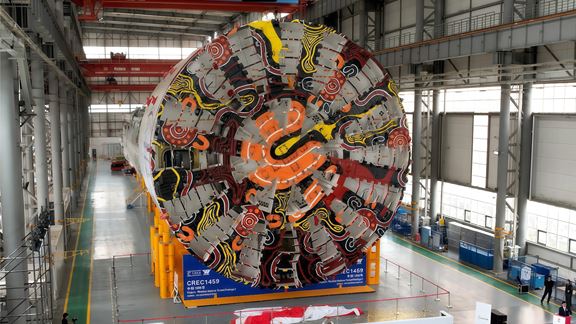
Aurecon is transforming Sydney Harbour, replacing dredging with TBM tunnel engineering to deliver a faster, safer and more sustainable second harbour crossing.


Change your location to view content tailored for you.
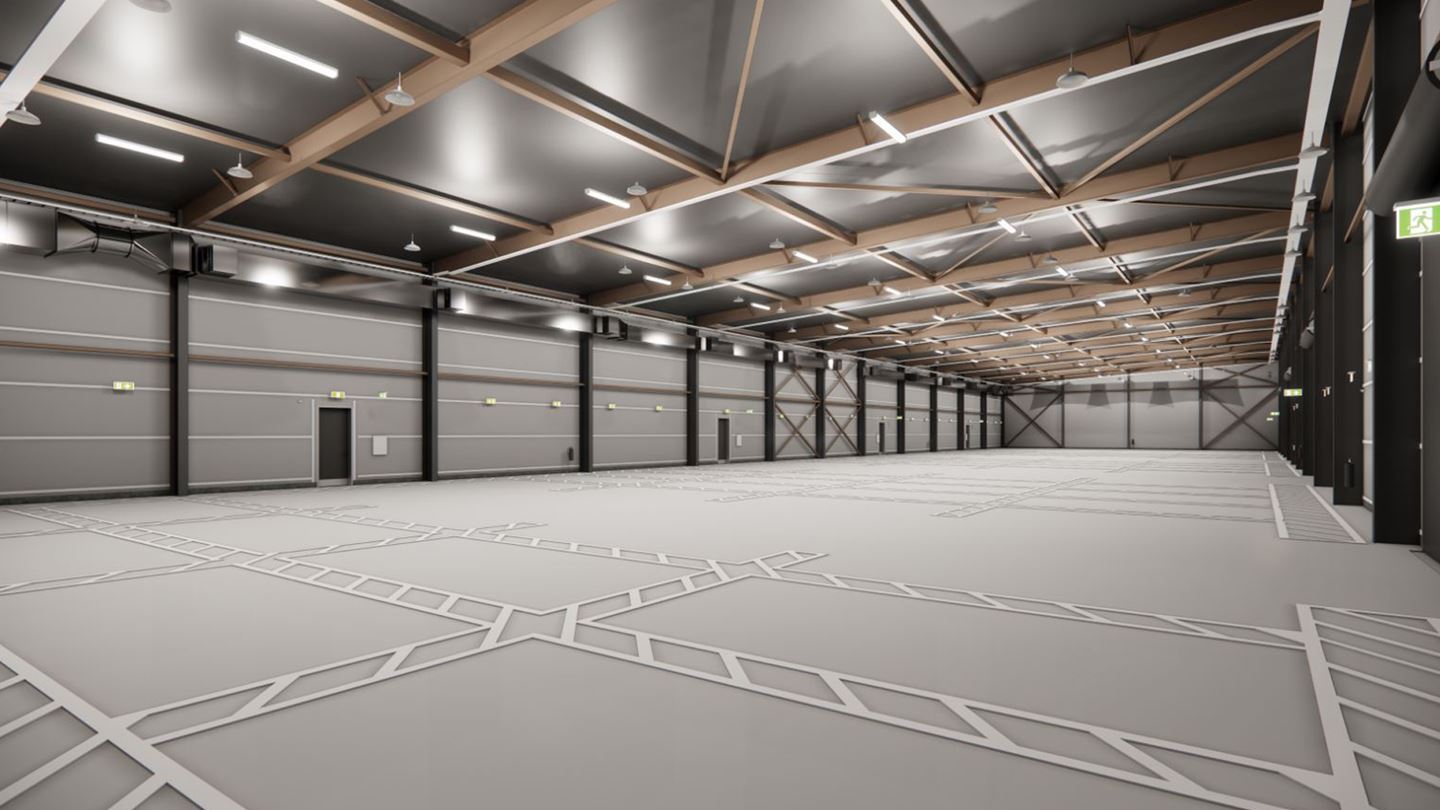
The Guided Weapons and Explosive Ordnance (GWEO) Group plays a pivotal role in the Australian Defence Force (ADF) capabilities. The planned growth in the ADF’s GWEO inventory will require an expanded storage and distribution capacity. As part of this effort, the GWEO Group is leading the transformation of the current storage and distribution network into a more resilient, optimised, and operationally integrated system.
Aurecon, as a GWEO Group Enterprise Partner, has facilitated a complex, highly technical schedule of works to support the transformation, leading network modelling, infrastructure studies, site and scope feasibility reviews, and accelerated design package delivery.
In an industry where safety is paramount, Aurecon’s role was to navigate the complexities of available storage options, determining which required immediate action and which could benefit from further detailed analysis.
The goal was not only to develop economically efficient storage solutions but also to ensure the future network incorporated key design principles: redundancy, resilience, and passive defence, with elements that could be readily deployed when needed.
A model-first approach ensures that GWEO's storage and distribution network will manage operations well into the future.
Adopting a model-first approach, the project team used a simulation package to create representations of the network in operation. This enabled the development, testing, and reporting of numerous scenarios, giving Defence a clear view of how the network could meet operational requirements while remaining cost-effective over its multi-decade lifespan.
The model also simulated the transport of guided weapons throughout the network, covering where they would be stored, where they were needed, and the available vehicle fleets for transportation. This provided a solid analytical foundation for assessing how well the network and its operations would meet Defence’s needs.
Ultimately, the model ensured that the mature GWEO storage and distribution network would have the capacity to manage storage and transport across various Defence bases, effectively supporting operations into the future.


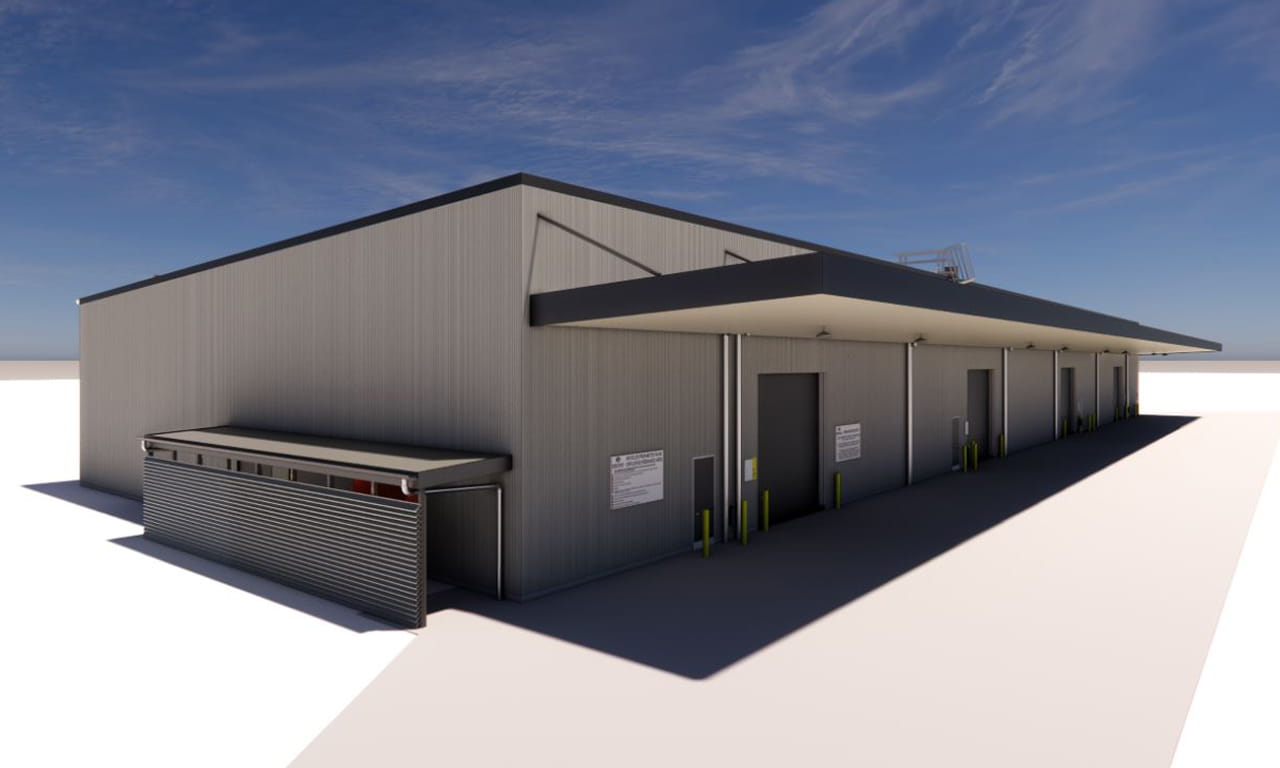
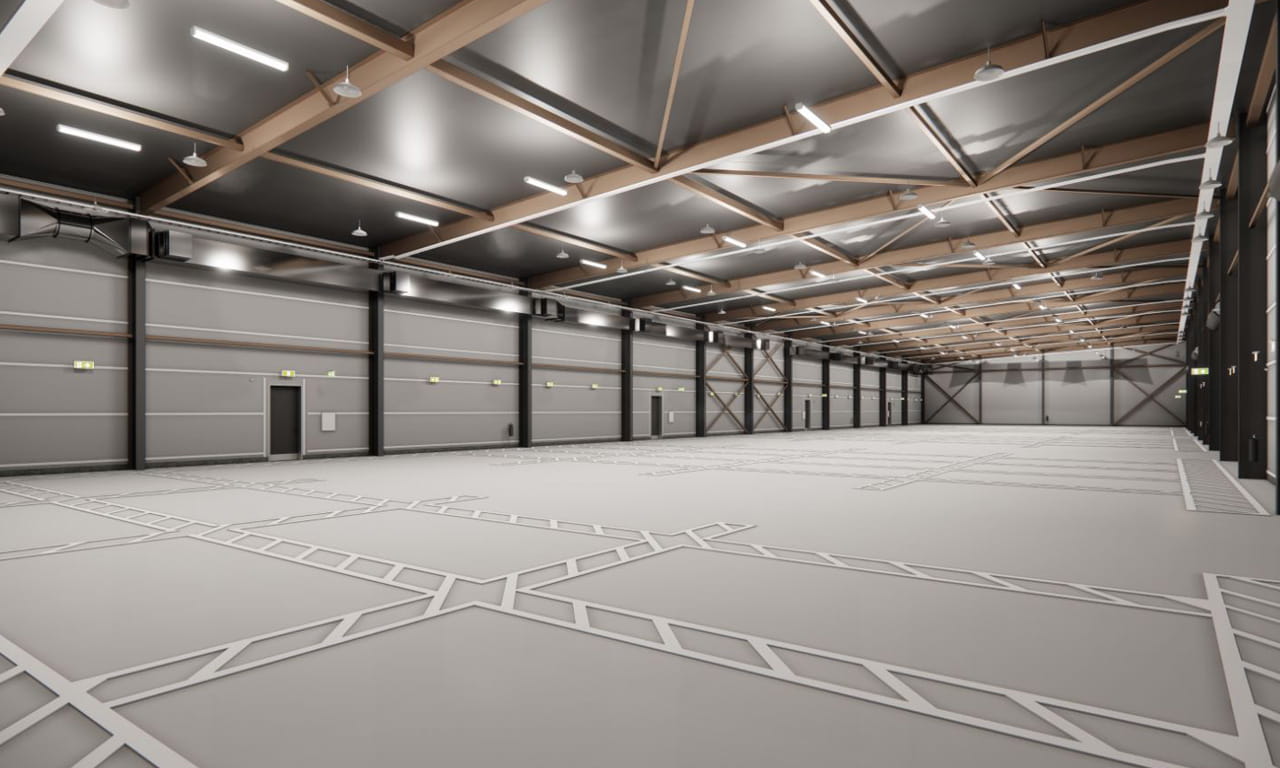
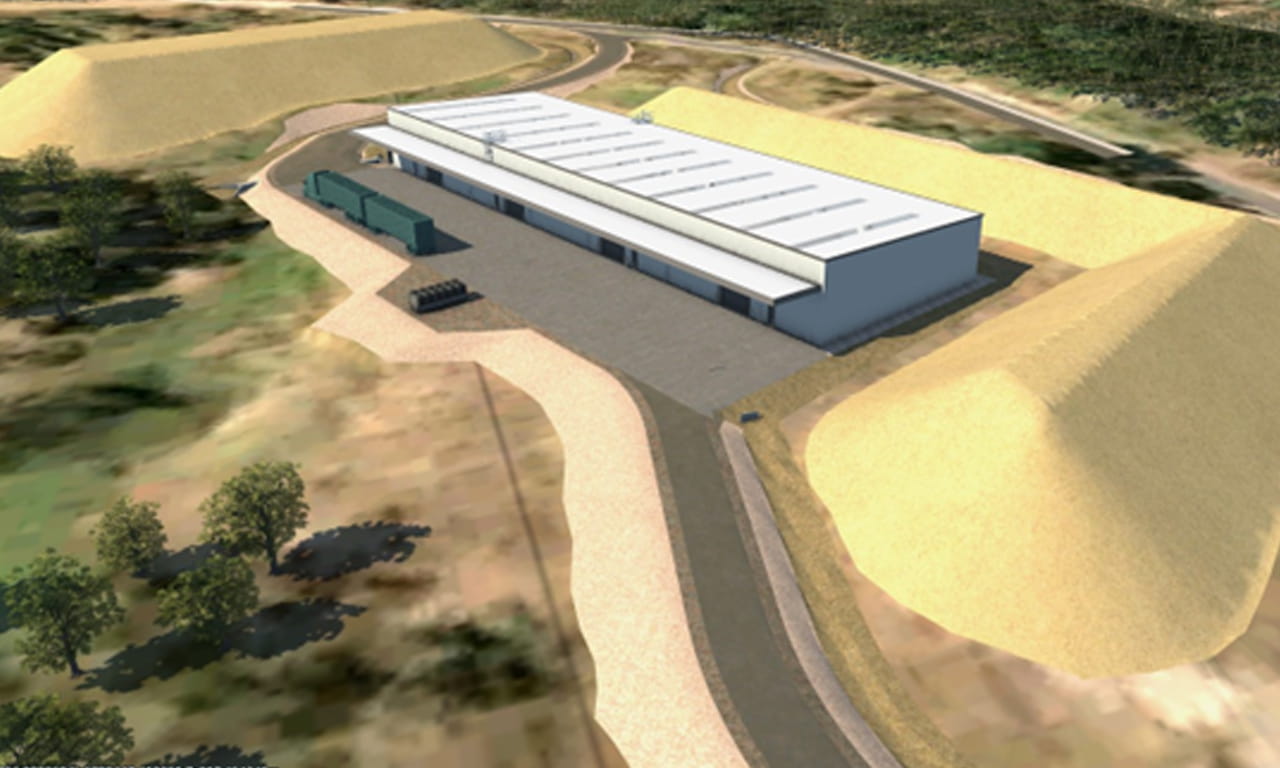
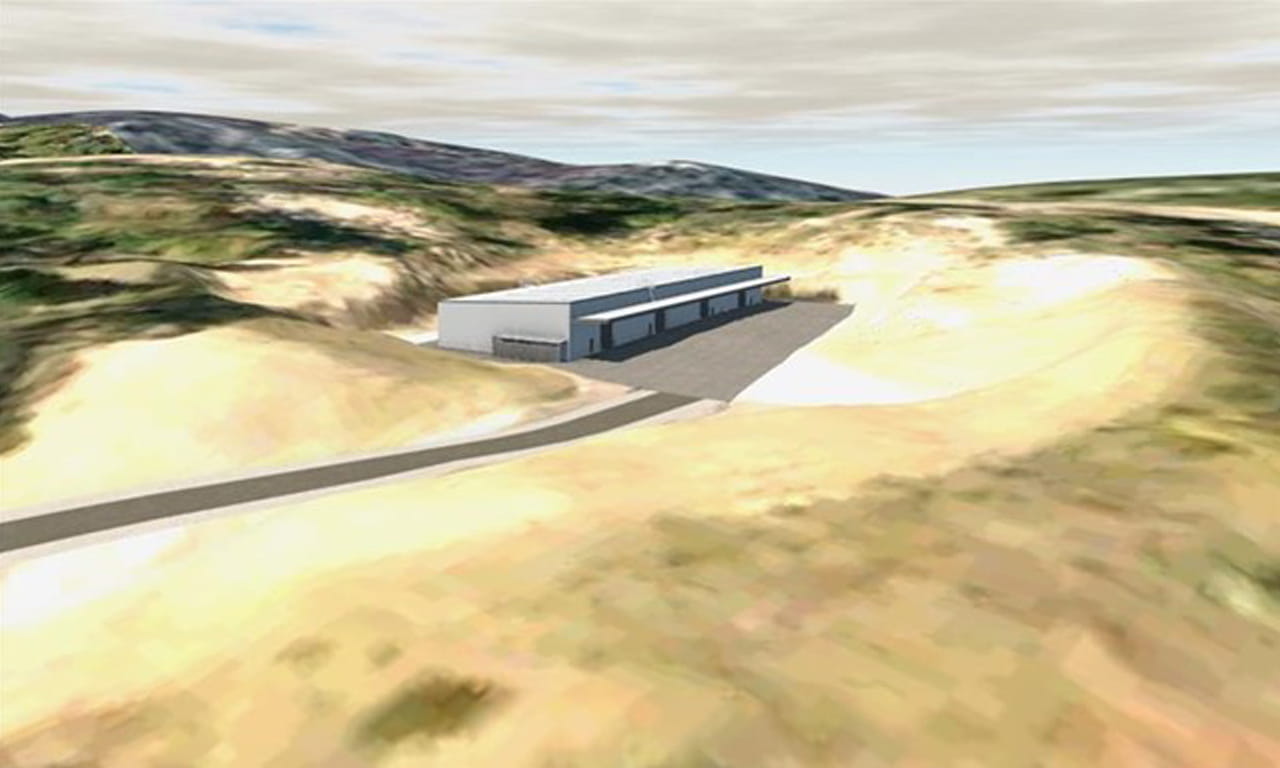
Digital technology was a key enabler in driving the rapid delivery of this program. Aurecon integrated several digital components into the design process and communication with Defence and project teams. These included:
These digital tools played a critical role in identifying and prioritising suitable sites for storage facility development across multiple Defence bases. Notably, two partial greenfield sites were taken to full design within six months, while two additional sites reached partial design completion in the same timeframe. The selected sites are strategically located, reducing transport times, decreasing maintenance intervals, and increasing operational and training ordnance availability.
As the largest landowner in Australia, Defence has a significant responsibility to manage its natural resources in compliance with the 'Environment Protection and Biodiversity Conservation Act 1999' (EPBC Act). Environmental management and stewardship were central to the work undertaken in the GWEO storage and distribution program.
From the outset, Aurecon worked closely with Defence’s Directorate of Environment, Planning, Assessment, and Compliance to ensure that project outcomes aligned with environmental goals and regulatory requirements, while also incorporating base reviews and guidance.
Aurecon conducted environmental impact assessments and secured approvals across the GWEO projects, ensuring that all activities complied with regulatory standards. This included investing considerable time in developing solutions that adhered to the EPBC Act, prioritising improvements to natural environments and focusing development on brownfield sites to avoid further impact on greenfield areas. This environmentally responsible approach was extended to include the tracking of potential future sites requiring approvals under the EPBC Act.
To ensure complex information was easily understood by all stakeholders, the project team used a variety of tools in the environmental reports, including photographs, models, graphs, and interactive GIS portals, making key insights accessible and supporting informed decision-making.
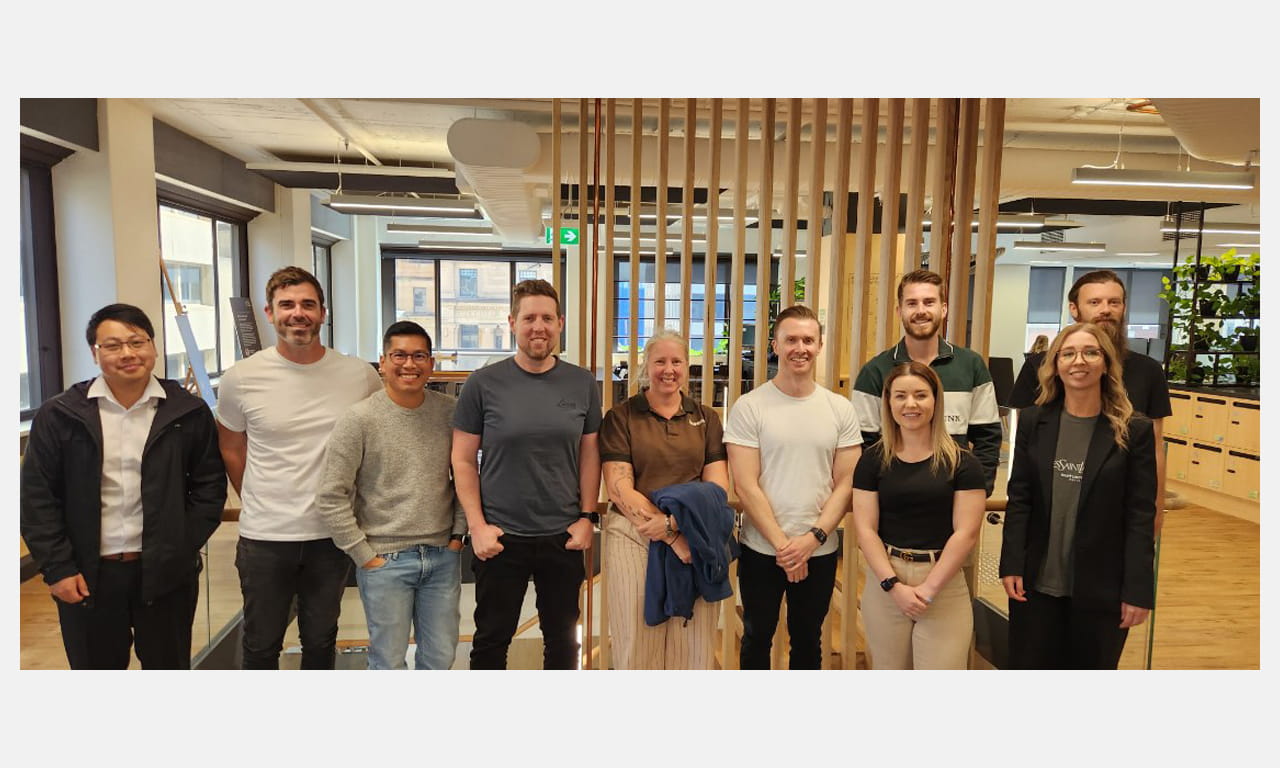
The success of this project came from understanding Defence process requirements, stakeholder engagement, and a willingness to make client and data-centric, risk-based decisions. In addition, the coordination of highly technical requirements with other engineering disciplines, the ongoing education for stakeholders, and the continuous feedback loops on design progression, created a shared understanding between all parties involved with the program.
This effective communication bridged the gap between technical expertise and the broader audience, which was critical to the investigation and design of the optimised storage and distribution network that will support Australia’s military operations well into the future.
This project has won the following awards:
Aurecon is transforming Sydney Harbour, replacing dredging with TBM tunnel engineering to deliver a faster, safer and more sustainable second harbour crossing.
Aurecon's active transport design expertise supports TfNSW to create a seamless, unobtrusive, step-free ramp and cycleway across Sydney Harbour Bridge.
Aurecon leads building services engineering for the New WCH to deliver a 100% all-electric tertiary hospital for South Australian women and children.