Cameron Road Multi-Modal Upgrade, Tauranga, New Zealand
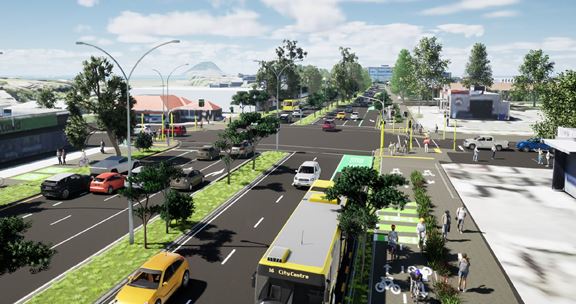
Aurecon was appointed to upgrade Tauranga city’s main arteries Cameron Road to make it safer, more attractive and provide people with more ways to travel.


Change your location to view content tailored for you.
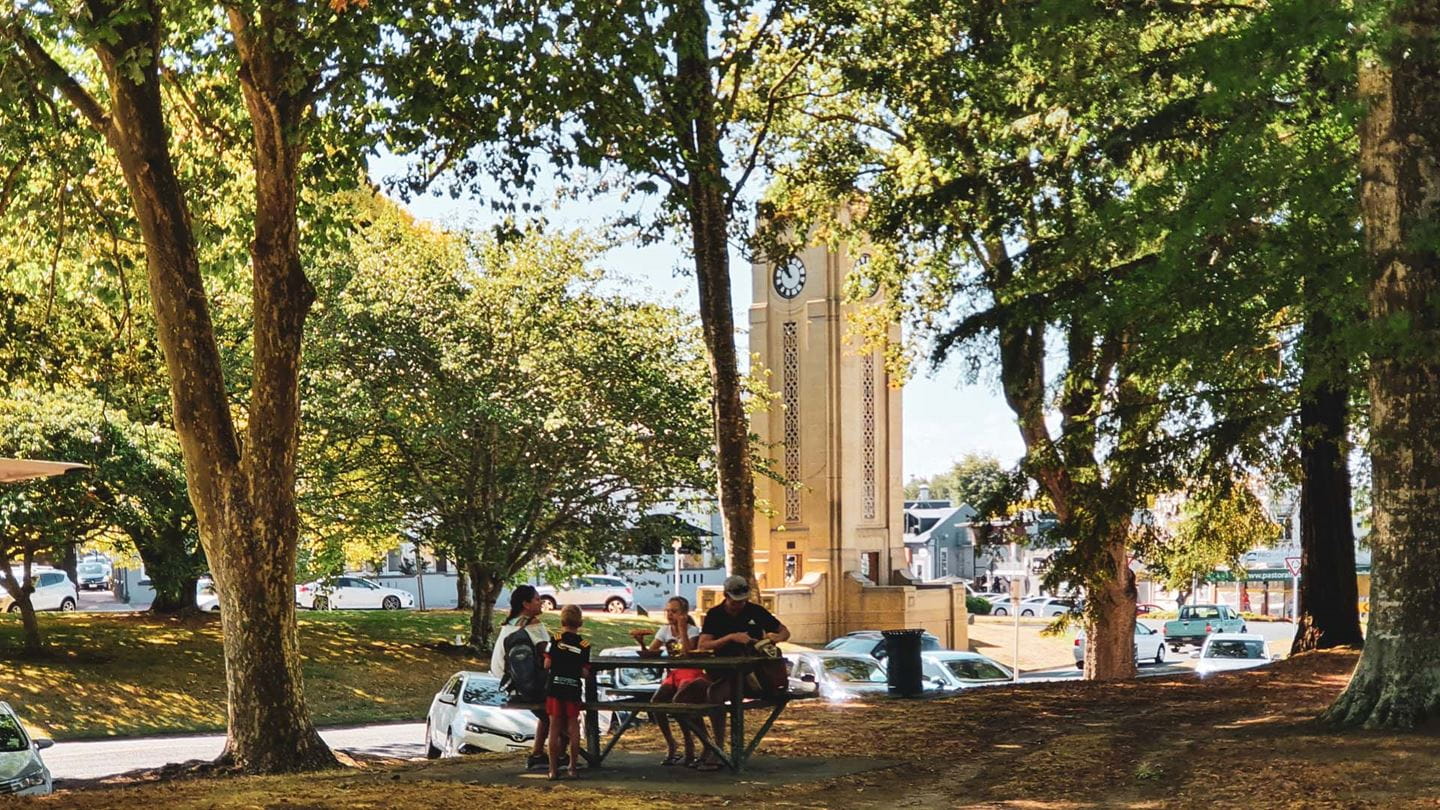
Located in the heart of the upper North Island, Hamilton is one of New Zealand’s fastest growing cities. Over the next 30 years, the population in the metro area is expected to double to circa 550,000 people. To prepare for this growth, the city needs to consider how to best plan for its long-term future to maintain and improve its liveability.
Working with the Future Proof partnership[1], Aurecon developed a region-defining document that will help shape Hamilton and the Waikato’s transport and land use future.
The Hamilton-Waikato Metro Spatial Plan Transport Programme Business Case explores the transport and land use responses to projected growth over the next 30 to 100 years, while reducing impacts on the environment.
It seeks to overcome known challenges, including:


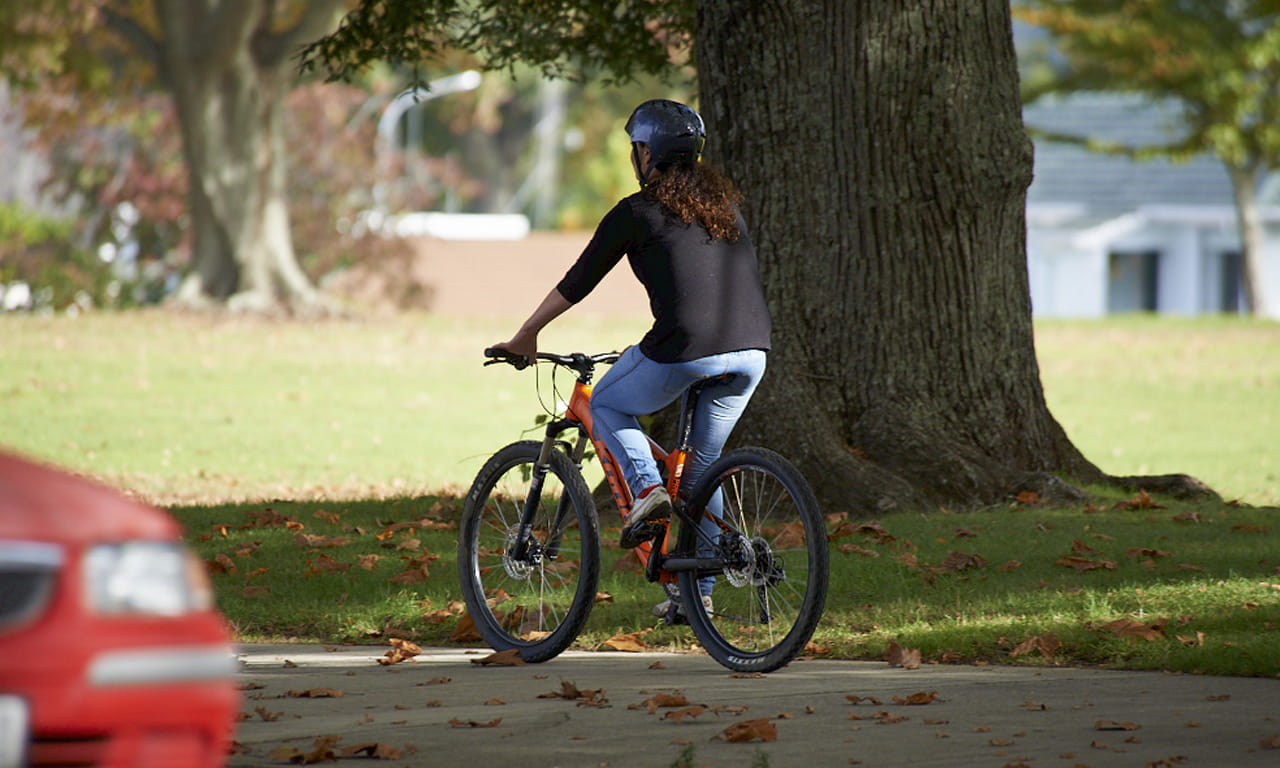
The programme business case recommends a series of multimodal interventions that will deliver on the aspirations of the Access Hamilton Strategy and other strategic objectives including:
The business case defines the staging and sequencing of these interventions to enable a rapid roll out and accelerated delivery of radical transport change – from immediate (next one to three years), through to longer term (20 to 50 years).
Aurecon has also set the framework for Hamilton-Waikato’s transport and land use future by developing an execution plan to achieve staged and sequenced transport upgrades to realise the compact urban form needed to drive sustainable transport outcomes.
[1] Comprising Ngā Karu Atua o te Waka, Waikato-Tainui, Tainui Waka Alliance, Waikato Regional Council, Waipā District Council, Waikato District Council, Hamilton City Council, Matamata Piako District Council, Waka Kotahi, and Waikato District Health Board.
Aurecon was appointed to upgrade Tauranga city’s main arteries Cameron Road to make it safer, more attractive and provide people with more ways to travel.
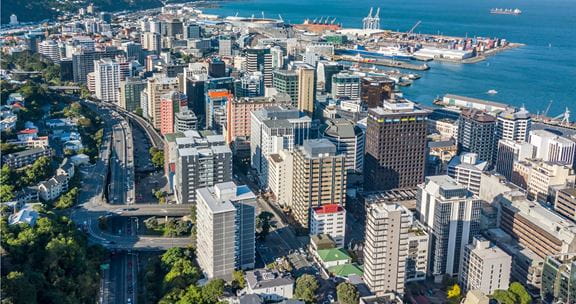
Aurecon used best practice engagement sentiment analysis with digital data analytics for the Let’s Get Wellington Moving programme.
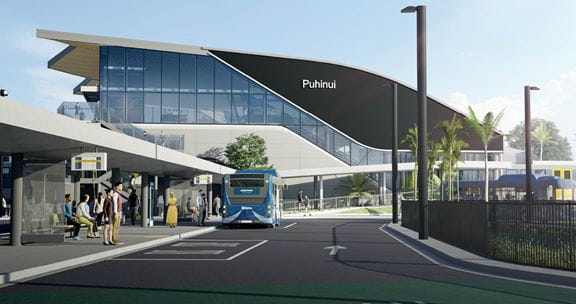
Aurecon is working on a series of rapid transit projects that will increase transport choice and support decarbonisation in the south and east of Auckland.