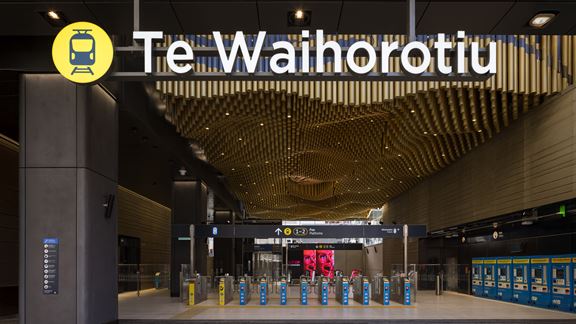
Auckland City Rail Link, New Zealand
Auckland’s first underground railway system will reduce congestion, bring people closer to job and amenities, and unlock new development potential.


Change your location to view content tailored for you.
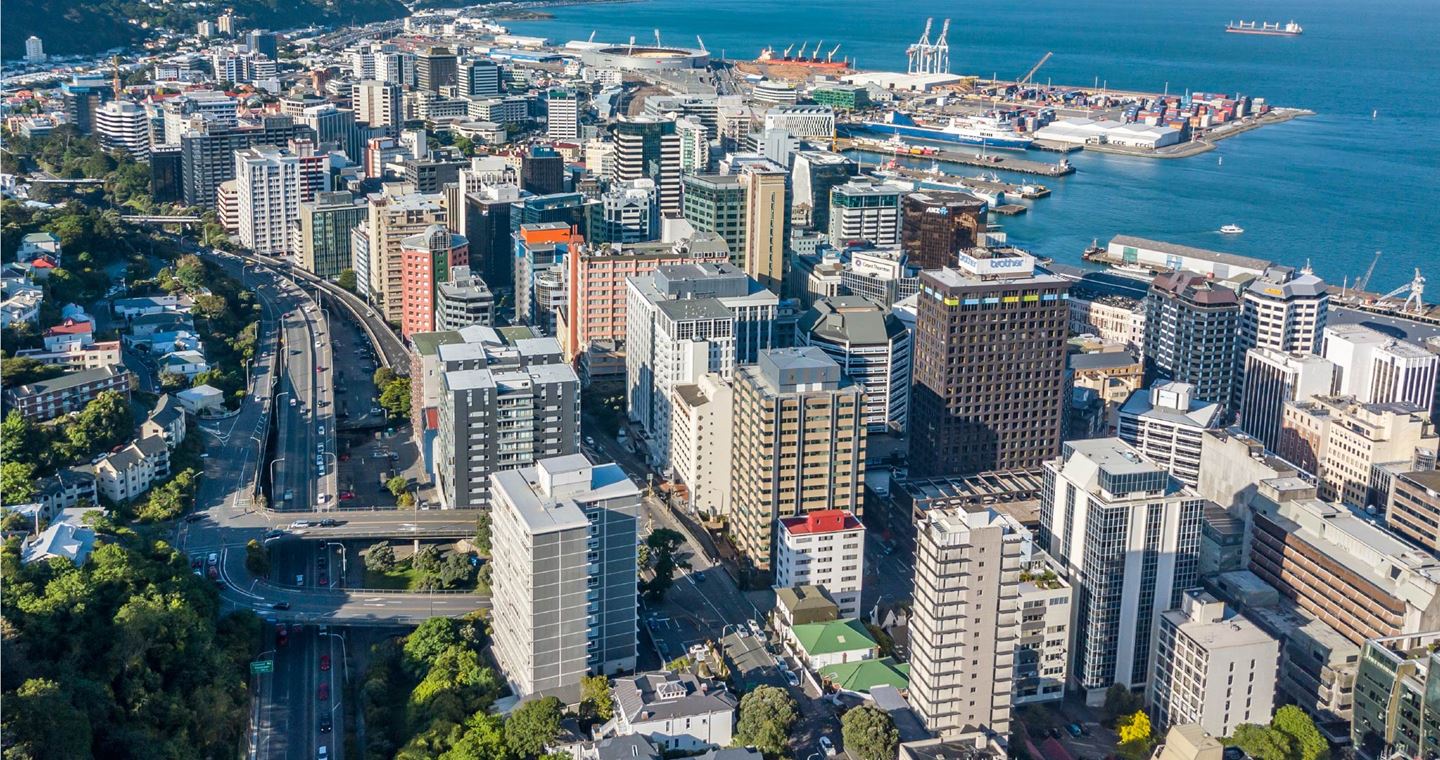
Wellington is one of the world’s most liveable cities and one of Aotearoa New Zealand’s most popular tourist destinations. Over the next 30 years, another 50,000 to 80,000 more people will call the city home.
Wellington’s transport system is approaching capacity, and without major changes, it will start to undermine the liveability and culture that is the city’s great strength.
Wellington City Council, Greater Wellington Regional Council and Waka Kotahi NZ Transport Agency are partnering on a $7.4 billion programme to transform Wellington’s transport network. Let’s Get Wellington Moving is about supporting growth in Aotearoa New Zealand’s capital and making it safer and easier for everyone to get around.
Let’s Get Wellington Moving (LGWM) focuses on options for mass rapid transit, major roading improvements and better walking and cycling connections.
Aurecon and our subconsultants Stantec, WSP and Boffa Miskell, worked with Waka Kotahi, Wellington City Council, Greater Wellington Regional Council and Mana Whenua partners Taranaki Whānui and Ngāti Toa Rangatira to develop a business case for public transport and state highway improvements as part of the LGWM programme. Our work included identifying preferred options for unlocking the Basin Reserve and Mount Victoria tunnel.
Our team also collaborated with the Jacobs GHD JV team looking into options for mass rapid transit, to develop a combined Indicative Business Case (IBC), which will be completed in 2022.
Working across both the three-year Programme (City Streets, Golden Mile, Thorndon Quay and Hutt Road) and the Transformational Programme (Combined Strategic Highways and Mass Rapid Transit) elements for Let’s Get Wellington Moving, Aurecon provides a range of services for this major city shaping infrastructure programme of investment.
Wellington’s unique geography, compact city, and small number of transport corridors means transport challenges are complex to solve. Aurecon’s focus was on identifying transport options that are accessible for everyone and make the most of what the city has to offer. A key aspiration of the project is to support more housing and intensification, enabling more people to live close to where they work and play, in turn reducing carbon emissions.


With several business cases underway concurrently, the IBC had to ensure alignment and integration across initiatives to enable a compelling investment story. Aurecon advocated the development of consistent evidence across the programme and within the project – avoiding duplication of effort or inconsistency across projects.
LGWM is a complex and ambitious programme with multiple stages and stakeholders. A key part of Aurecon’s role during the IBC was to drive the programme and decision gates that LGWM needs to go through, ensuring alignment of the various partners in a complex political environment.
LGWM means significant change to how Wellingtonians travel around their city, including the introduction of a new form of public transport – mass rapid transit.
To engage the community in the project and ensure their views and perspectives were used to shape the final solution, Aurecon led a comprehensive and accessible engagement process, over a tight six-week period, that enabled everyone with a stake in the city’s transport network to participate. We provided quality information through a highly visible public and stakeholder engagement campaign.
This promoted a range of channels, including an interactive, easy-to-navigate digital engagement platform – Hello to the future of Wellington transport. Our team closely monitored social and digital channels and real-time data from participants to adjust messaging or channels reach when there were gaps in knowledge, or information misunderstandings.
In addition, there were more than 40 face-to-face meetings (in-person or online), 18 open days for communities, and high quality webinars with subject matter experts offering informed discussions with participants. More than 80 per cent of campaign participants said that the information our team provided was engaging and useful.
Aurecon used best practice engagement sentiment analysis with digital data analytics to report on findings from the engagement process, which allowed us to make sense of complex information and capture insights to feed into future phases of work.
Aurecon has assisted with developing a strong relationship with Mana Whenua partners Taranaki Whānui and Ngāti Toa Rangatira. Mana Whenua are represented in the governance as members of the Governance Reference Group and in the more operational aspects of the Programme as members of the Iwi Partnerships Working Group.
Reductions in carbon emissions were a key target for the Programme. Aurecon undertook technical advisory work for the Programme and IBC to advise on embodies carbon for construction options and projected emissions and savings. These assessments were important in confirming a multidisciplinary approach and arriving at options that encompassed the desired outcomes for the different clients.
The carbon assessment used Waka Kotahi’s Carbon Assessment Tool for Investment (CATI) to provide measurable comparisons between the options in embodied and enabled carbon.
Aurecon quantified the relative difference in embodied carbon across the programme options and assessed the impact of each option on reducing emissions from vehicles. This work then enabled us to identify the programme options with the greatest potential to reduce carbon over the lifecycle of the infrastructure. We also assessed the potential carbon impacts of the programme through a holistic lens, considering such issues as:
Aurecon is now working to further develop the CATI tool to provide a higher-level lens on what types of transport infrastructure to invest in.
Aurecon also carried out initial work to understand the potential impact the LGWM Preferred Programme Option may have on liveability for Wellingtonians, including active modes, safety, enterprise, green space, and social infrastructure.
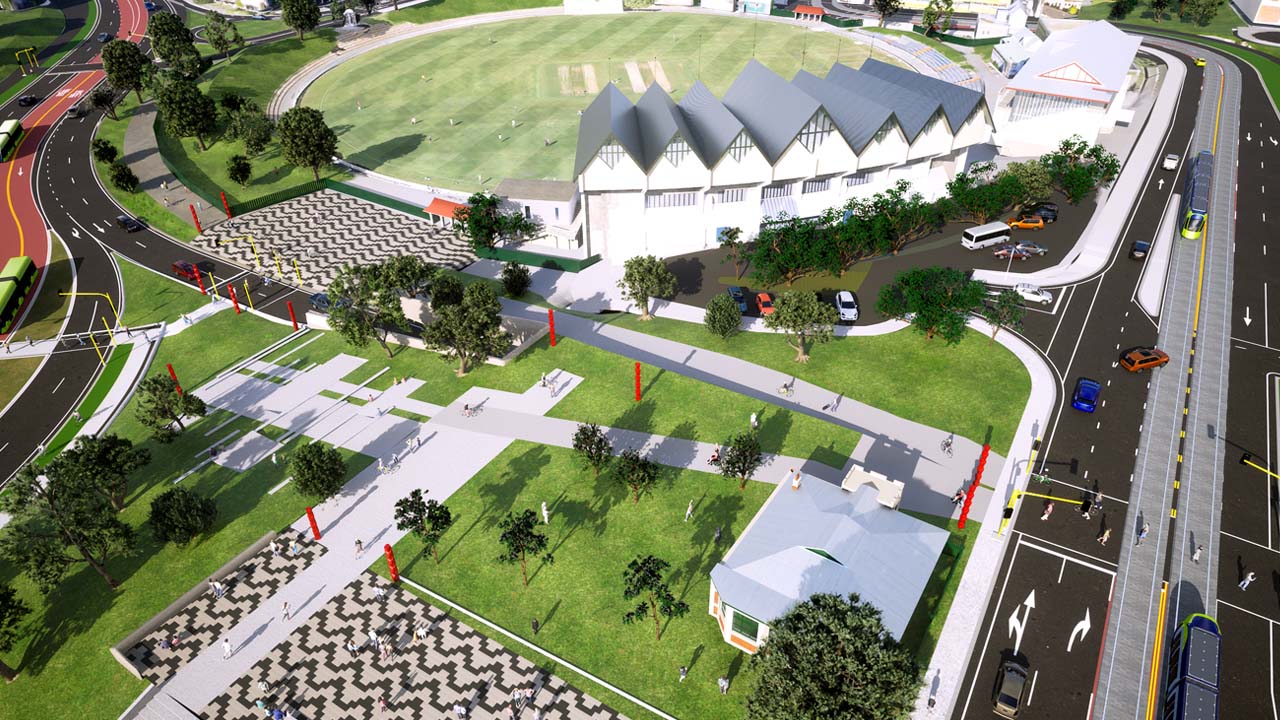
Aurecon produced a digital visualisation of options for the Basin Reserve and Mt Victoria Tunnel assessed in the IBC, which provided technical experts with a much greater understanding of the true impacts of each option.
Some of the aspects of these visualisations were further refined for use during public engagement to describe potential future states to the community. These visualisations will also be used for future applications such as costing options, an indication of land take, and assessing and communicating construction impacts. They will be further enhanced for use in future community engagement.
Auckland’s first underground railway system will reduce congestion, bring people closer to job and amenities, and unlock new development potential.
Aurecon is part of the Northern Alliance delivering NZ’s Ō2NL expressway, partnering with NZTA Waka Kotahi to improve safety, reliability and efficiency.
Aurecon developed MOAT, a digital tool enabling NZTA to assess carbon and resilience impacts across thousands of projects, supporting faster, data-driven transport decisions.