Western Harbour Tunnel, Sydney, NSW, Australia
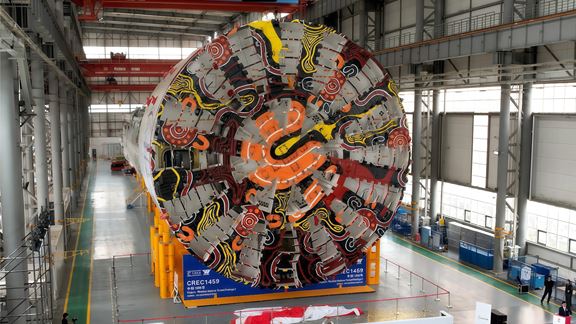
Aurecon is transforming Sydney Harbour, replacing dredging with TBM tunnel engineering to deliver a faster, safer and more sustainable second harbour crossing.


Change your location to view content tailored for you.
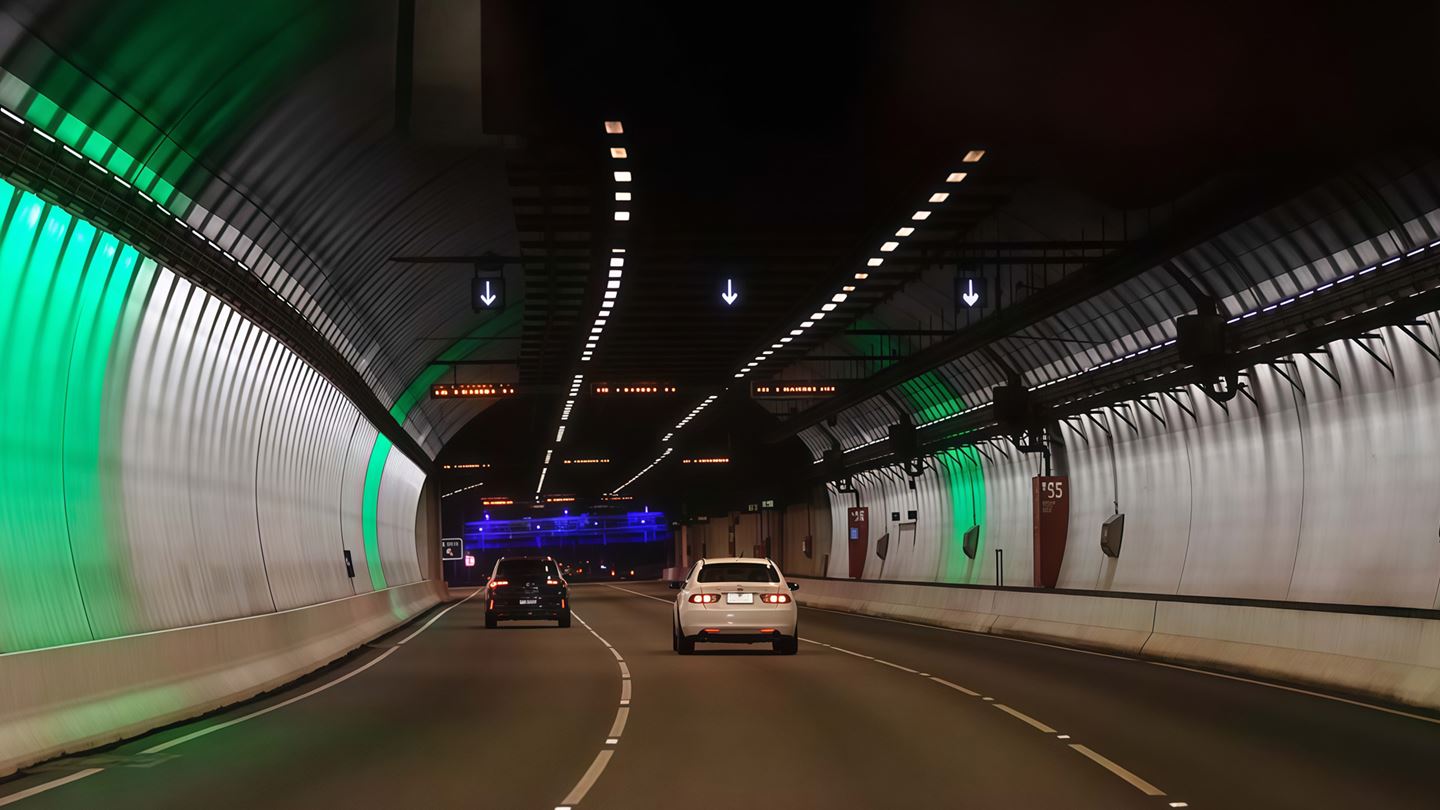
Each year more than 20 million vehicles travel through Melbourne’s Burnley Tunnel, making the 3.4 km link one of the busiest in the entire city. This critical road link opened in the year 2000, and ongoing upgrades are important to ensure the asset continues to keep the city moving safely and efficiently for decades to come.
Helping to modernise the operation of the tunnel, Aurecon was appointed by Transurban to analyse and design the replacement of the low voltage cable network which powers everything in the tunnel: lights, ventilation, life safety and security systems.
With the tunnel already in operation, replacing the low voltage cable is a complex operation, and typically requires long tunnel shutdowns. Aurecon mitigated this risk, limiting shutdowns in both frequency and duration to achieve project deadlines, through an approach founded on technical excellence and effective collaboration and engagement.
Through early collaboration and detailed investigation, Aurecon delivered a safer, simpler cable route with minimal disruption.
To ensure upgrade works could be conducted with limited shutdown periods, Aurecon addressed constructability and risks early in the design phase, optimising coordination and minimising potential issues during construction.
Given the involvement of multiple stakeholders in the project, it was crucial to establish alignment from the outset. A proactive approach was adopted by conducting early stakeholder engagement through workshops, including ‘Risk and Opportunity’ workshops, ‘Safety in Design’ workshops and ‘Early Contractor Involvement’ workshops. These allowed all stakeholders' perspectives to be heard and incorporated into design decisions, while also enabling rapid pivoting of ideas when necessary.
Aurecon’s stakeholder engagement was supported by clear communication, well defined roles and collaborative efforts of clients, contractors, and designers. This approach contributed to identifying and mitigating risks and paved the way for maintenance activities to be executed efficiently, minimising disruptions and enhancing overall project success.
Aurecon’s expertise in tunnel systems and refurbishment was critical in understanding operation, construction and maintenance constraints, and in managing fire protection and fire engineering to ensure the design reduces risk equally or greater than the original.


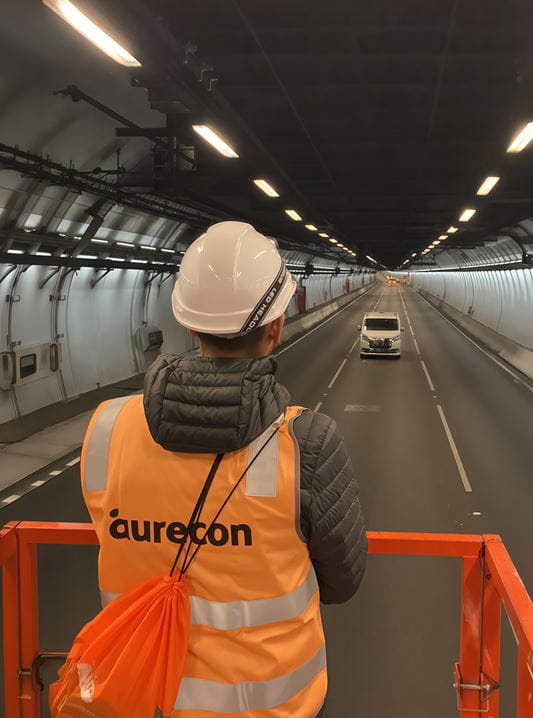
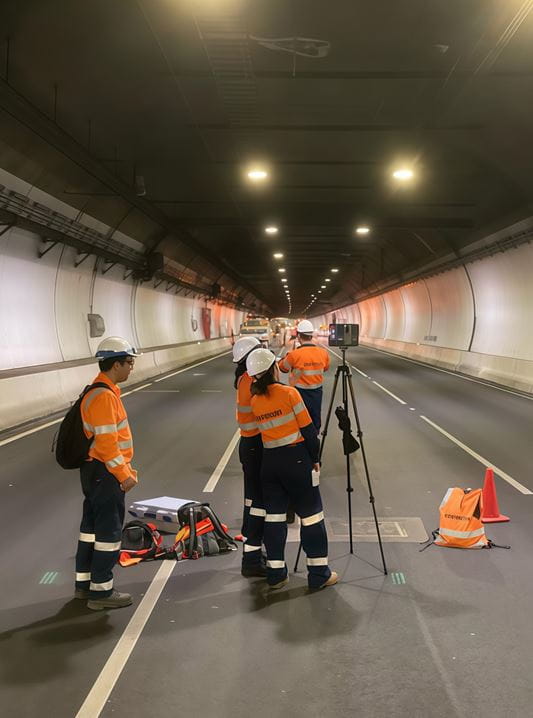
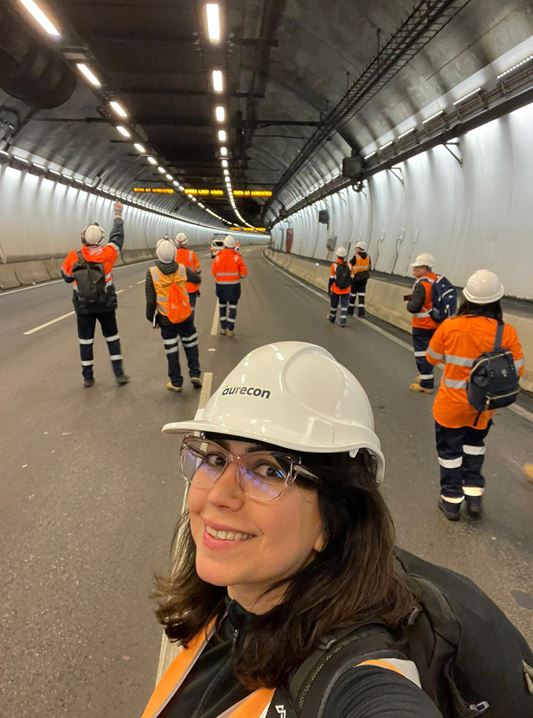
A major challenge included spatial constraints for new cabling, and validation of as-built documentation – which can affect the precision of design and the assumptions being made.
To address this, Aurecon conducted a comprehensive site inspection and manual measurements to validate as-built structures and existing services clearance geometry. A point cloud survey enabled the team to refine the tunnel geometry and generate a precise 3D model. This model served as a key design reference, increasing efficiency of inspections during scheduled site closures.
Testing was undertaken in combination with non-destructive (or non-intrusive) thermal imaging, and Ultrasonic Pulse Echo test, to determine the condition of the tunnel’s walls, roof and ground, and confirm the concrete quality and lining geometry. This enabled the project team to survey areas where cabling supports were required to be installed and determine if those areas could accommodate the works.
Another benefit of this approach was being able to marry the concept design with the realities of what was practical inside the tunnel. For example, by understanding the specific requirements for the network and the tunnel, Aurecon successfully identified optimum locations for the cables. Our final cable route design repositioned the existing cables to the top side of the tunnel, resulting in a solution that was simple to construct and install, avoided impacts to existing components, and which did not require full tunnel closures for future maintenance.
Aurecon’s approach and design to extending the life of critical tunnel assets showcases long-term thinking, sustainability and operational resilience, and ensures Burnley Tunnel remains operational, safe and efficient for road users and crews into the future.
Aurecon is transforming Sydney Harbour, replacing dredging with TBM tunnel engineering to deliver a faster, safer and more sustainable second harbour crossing.
Aurecon's active transport design expertise supports TfNSW to create a seamless, unobtrusive, step-free ramp and cycleway across Sydney Harbour Bridge.
Aurecon’s expertise in large-scale transport projects, tunnels engineering and urban mobility delivers city-shaping, digitally driven infrastructure.