Western Harbour Tunnel, Sydney, NSW, Australia
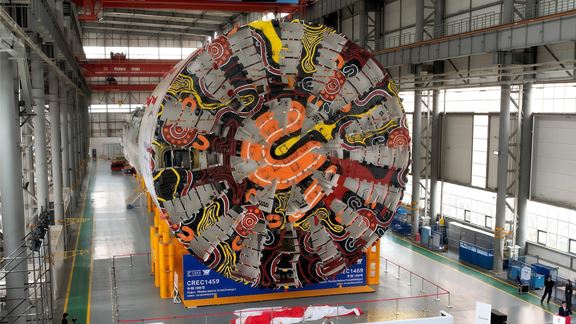
Aurecon is transforming Sydney Harbour, replacing dredging with TBM tunnel engineering to deliver a faster, safer and more sustainable second harbour crossing.



Change your location to view content tailored for you.
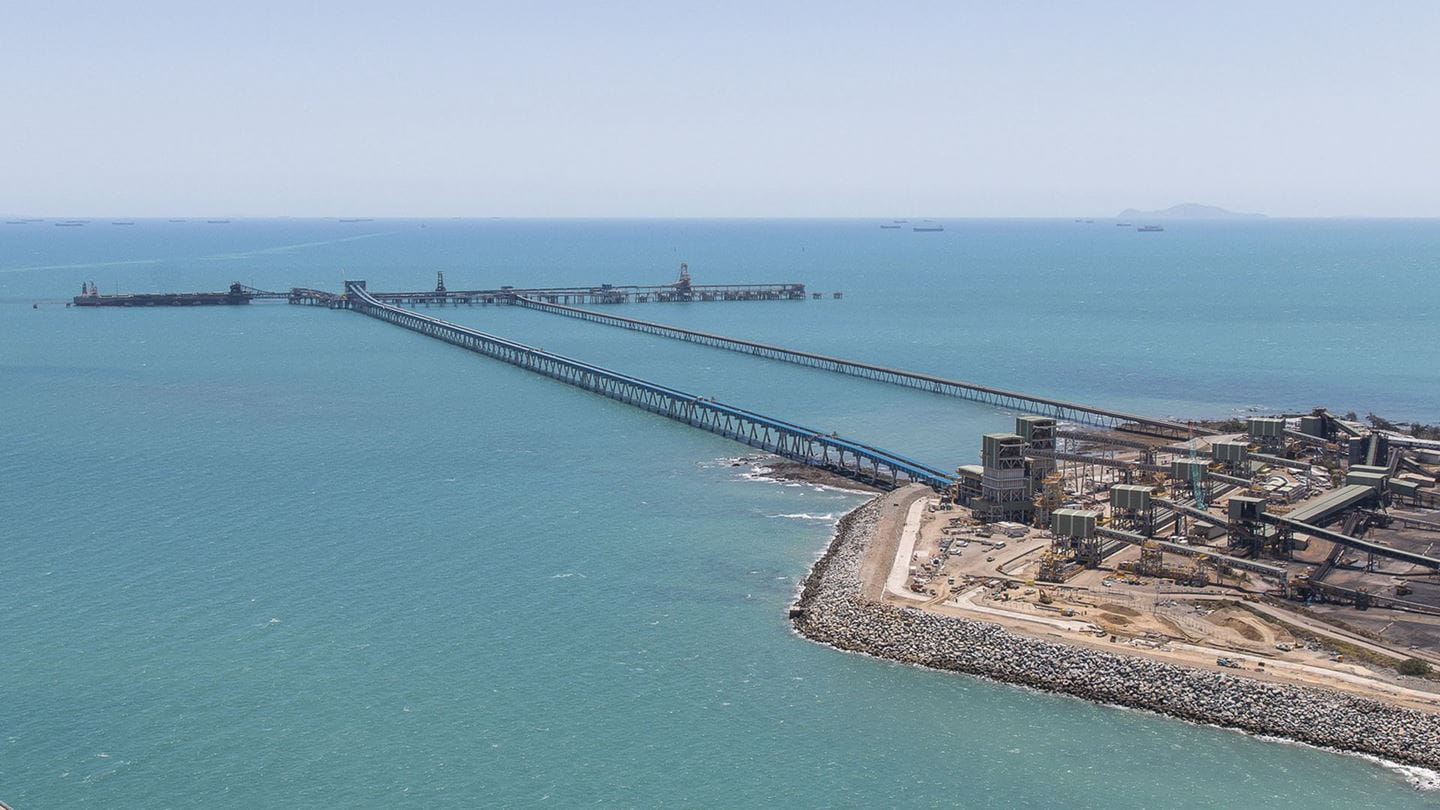
The world relies on efficient ports to move resources to enable communities and economies to prosper. Heritage-recognised by industry association Engineers Australia, a second life for Hay Point Terminal in Queensland has secured its future as one of the most efficient and largest export assets of its type in the world.
BHP Mitsubishi Alliance (BMA) was presented with business challenges including berth maintenance shutdowns and vulnerability to extreme weather events. To ensure its operational resilience to extreme conditions, following early phase studies Aurecon continued its strategic partnership and ongoing work on the terminal with (BMA) to renew the existing berth and replace the shiploader on Berth 2.
Unconventional climate-smart engineering and circular economy thinking has extended the asset’s life by 50 years, enhanced its resilience and protected the Great Barrier Reef from new development.
The new design for Berth 2 has enhanced its resilience to significant weather events, ensuring the resilience of BMA’s business and reliability of supply to global customers.
State-of-the-art physical model wave testing was carried out at the prestigious National Research Council facility in Canada – to test wave crest levels that could be experienced at Berth 2. The testing also measured wave loads and pressures acting on the berth structures to enable design solutions to be tailored to withstand these significant loads.
This informed an increase in the berth’s height by 4.5 metres to improve the facility’s resilience to severe cyclones, and informed the requirements for significant concrete ballast mass to stabilise the gravity based concrete caissons. Modelling outputs also provided valuable data to enable refinement of the engineering design of modifications to the existing caisson structures.
An upgraded berth providing cyclone immunity of 1,000-year average recurrence interval (ARI) has been achieved – a significant upgrade compared to the previous structure which was considered to have approximately 50-year ARI immunity.
The innovative approach brought together an integrated understanding of the existing assets, engineering design, port operations and construction expertise. A key design challenge in the re-use of the caissons was to double the design life of the structures, accommodate more than double their original design loads, and accommodate degradation of some of the structure.
An initial solution was developed which changed the structural form and load paths through the caissons, involving new steel struts linking the seaward and landward caissons columns, which then shared loads between columns and eliminated overstress.
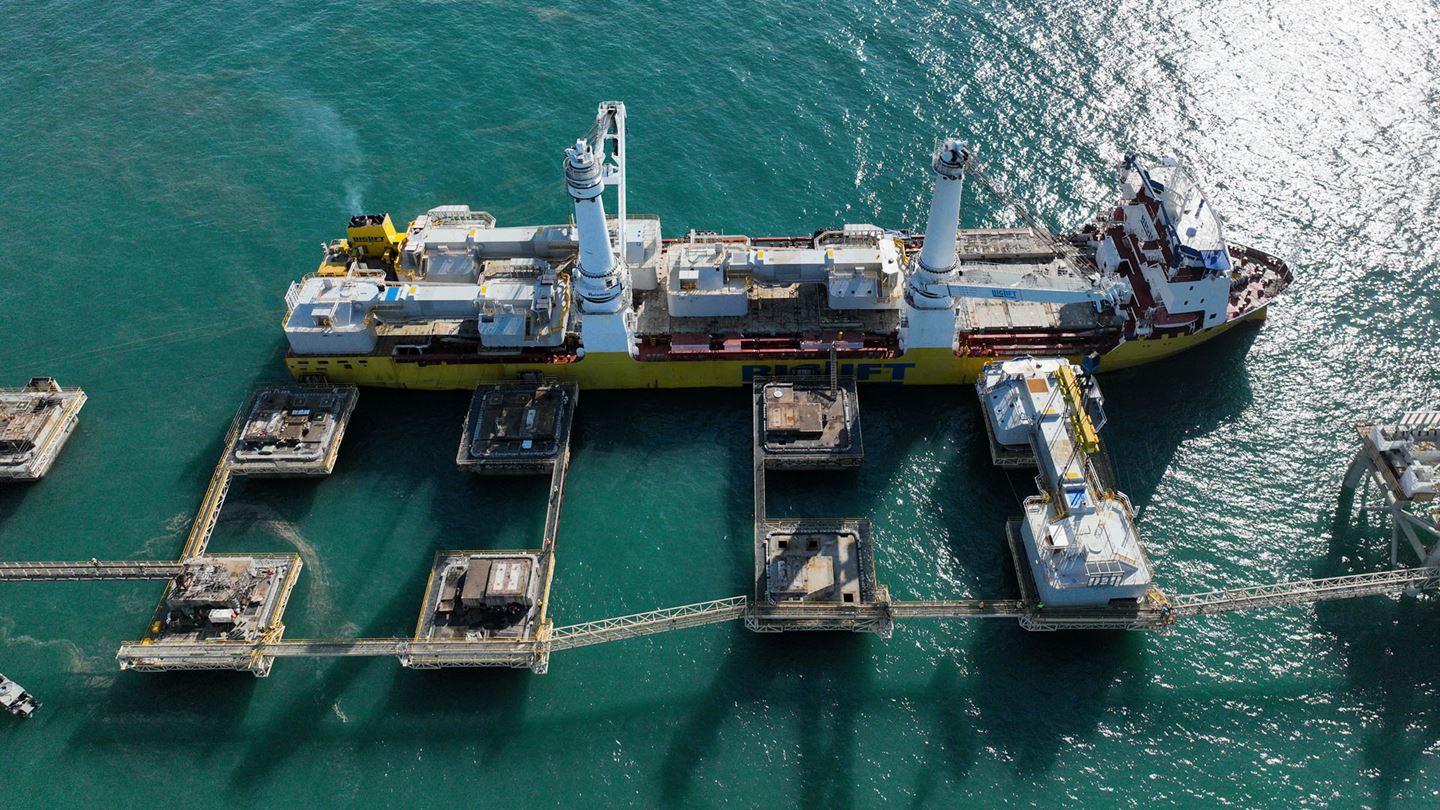
To improve the structural integrity and eliminate construction works in the tidal zone, Aurecon’s re-design flipped the strut support system from post-tensioned stainless steel bars around the perimeter of the columns to adding additional ballast mass and large, modularised steel structures spanning between the tops of the caisson columns (coined ‘dogbones’ due to their unique shape).
This solution allowed re-use of the existing degraded caissons, and also avoided up to 20,000 site labour hours of crews working in the wave zone, improving safety and construction schedule risks . It also makes future operations and maintenance easier, as personnel can inspect and maintain the structures from above tidal flow levels.
A circular economy approach to re-use the existing caissons minimised the physical footprint and avoided the need for dredging of the berth pocket and disrupting the sensitive Great Barrier Reef marine environment. This saved more than 30,000 tonnes of materials that would have otherwise required demolition.
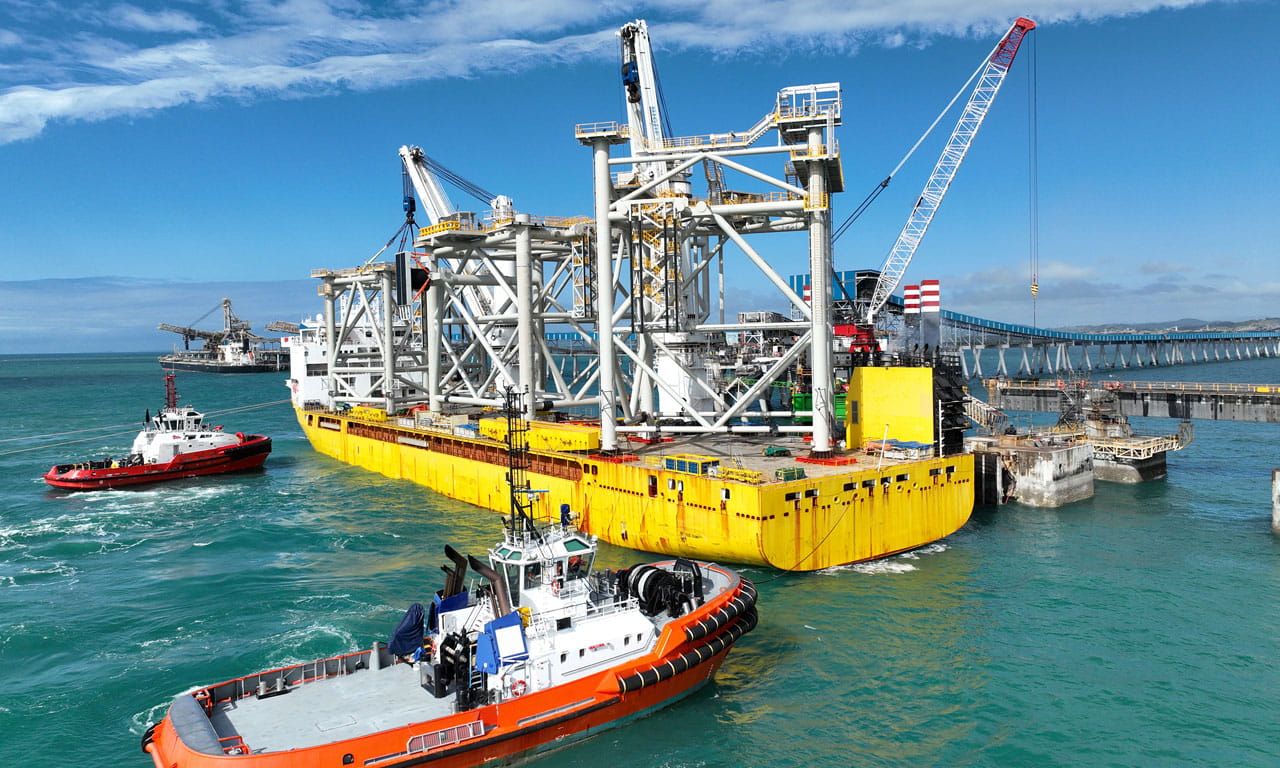
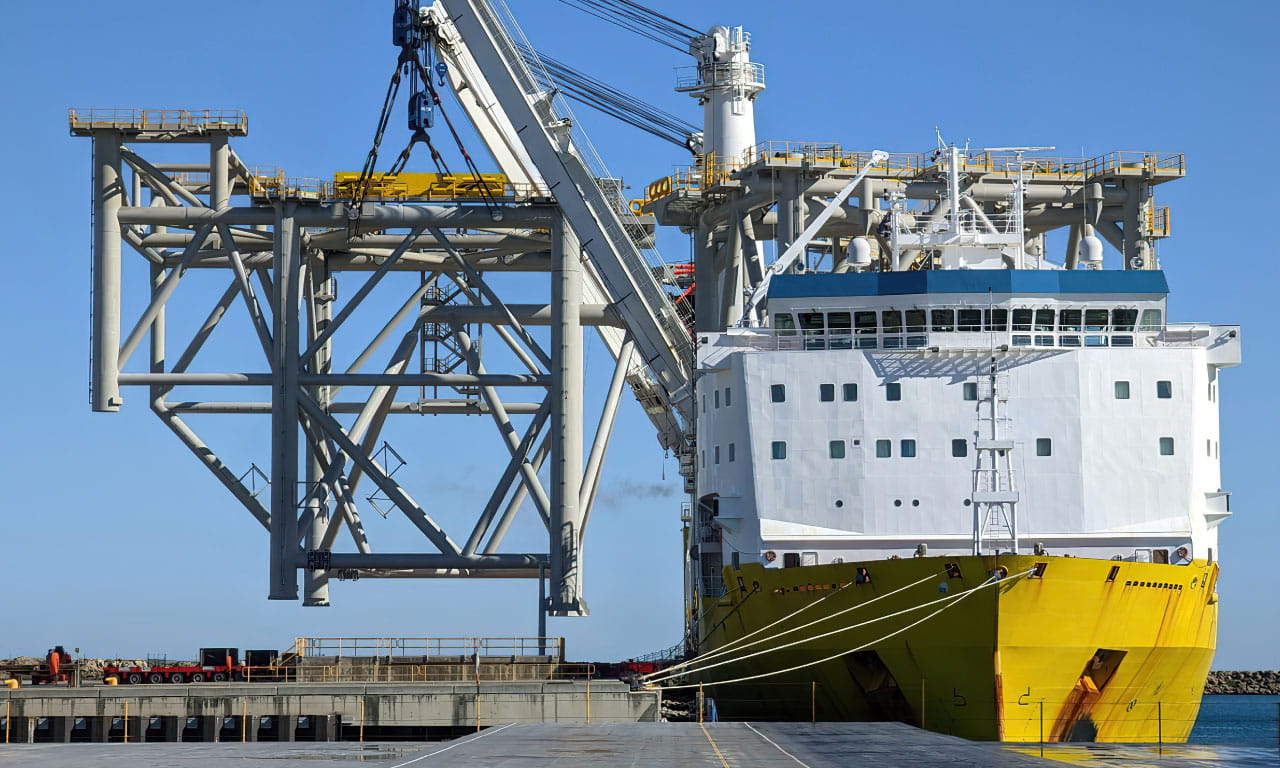
By extending the berth by 40 m with the addition of new modular steel jacket structures, impacts have also been reduced on the marine environment because large vessels only need to be positioned once at the berth rather than shifting multiple times to fully load.


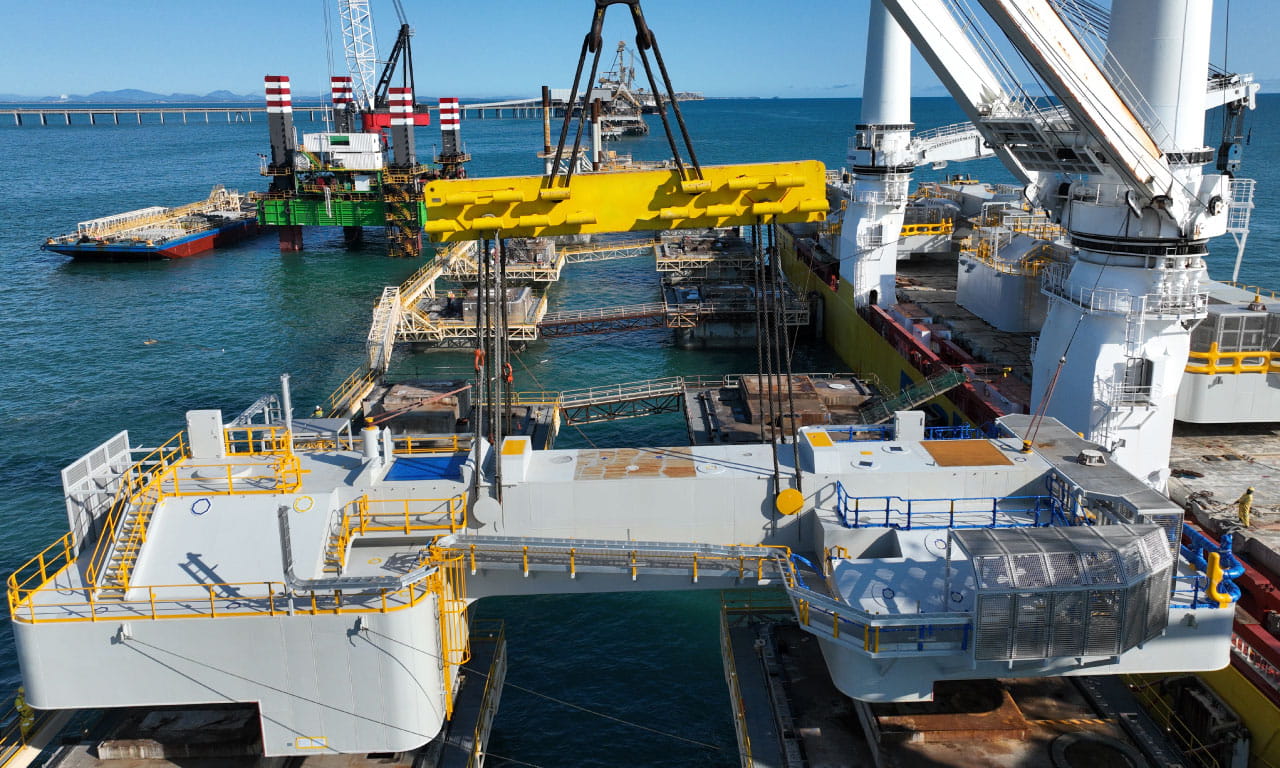
The upgrade of Berth 2 was planned and designed to minimise disruption to ongoing operations from shutdown and tie-in works, and sustain the asset life of this critical export terminal. The project progressed from initial reference design, followed by an Early Contractor Involvement model with a focus on constructability, cost and schedule implications, then final detailed design and construction.
A focus on constructability was a key feature of the design of this project. The overall berth shutdown duration needed to be minimised to lower impacts on port throughput and reduce capital costs, requiring rapid on-site installation.
Modular construction of the jacket structures maximised scheduling benefits. By prefabricating off-site, on-site construction works could occur in parallel. It made the project more agile, enabled supply chain involvement earlier in the process, and reduced the end-to-end construction time.
Digital analysis and modelling techniques allowed the design of Berth 2’s transformation that considered of a blend of heritage and modern structures and the complex interfaces between static and mobile structures and operating on the berth (such as the shiploader traversing and operating on the berth). BMA was able to navigate through the digital model to see how designs were progressing, respond to design enquires, and highlight any concerns early.
A digital engineering approach was also used to capture and store asset information on materials and structures in alignment with the new ISO 19650-1:2018 and 19650-2:2018, the international standards for managing information over the delivery phase of a built asset.
Through digital solutions, BMA can plan maintenance and achieve operational efficiencies for the next 50 years.
On traditional projects, the team would regularly send copies of paper reports and drawings to the client for review. On Hay Point Berth 2, the project team took the initiative to build a web-based portal to publish project controls data and provide the client with access to the digital models, to convey designs as models are progressed.
The environment in which these assets operate necessitates ongoing maintenance requirements, so by developing a fully-integrated platform and data-rich models which house key specification, performance, maintenance and asset data, BMA can plan and implement maintenance and achieve operational efficiencies over the next 50 years.
There’s no one-size-fits-all with port facility upgrades. At Hay Point Terminal, Aurecon’s bespoke technical solutions helped transform Berth 2 into a resilient structure that will be adaptable in the future, maintaining the export supply that supports Australia’s economy.
One of the largest shiploaders ever to be built globally, this is a complex machine with intricate moving parts. Resources operations and the export supply chain incorporate incredibly complicated logistics and rely on the efficiency and availability of complex machines to make or break meeting critical export targets and ensuring the safety of equipment operators. Aurecon delivered the design phases, detailed design and shop detailing of the 8,000tph replacement shiploader at Hay Point.
To achieve the shiploader’s on-budget and ahead of schedule delivery fully assembled, modularisation was used to streamline construction, ensuring that shop-built components were assembled efficiently. The methodology involved overlapping workfronts of engineering design, detailing and fabrication. Parallel direct-to-detail and direct-to fabrication workfronts minimised risk, improved schedules, and boosted cost efficiency.
Rigorous examination of metals and corrosion isolation strategies were undertaken for long-term durability and lifespan, reliability and minimisation of maintenance.
Virtual reality informed safety improvements such as the repositioning of the operators control cabin off the boom of the shiploader and allowing operators to understand and experience a new working environment.
The steel supplier was Bluescope Steel, who hold a certification in ReponsibleSteel. Stringent protocols were also implemented to safeguard against pollutants going into the ocean. Efficiencies in installation, reduced corrosion risks, and durability optimising the shiploader’s lifespan.
The Hay Point Shiploader demonstrates the power of a collaborative BIM-driven approach, coupled with early contractor involvement and a focus on standardisation and modularisation. This combination not only streamlined construction but also created a data-rich foundation for future maintenance and operation.
Designed in the 1960s, and built in the 1970s, the near 50-year-old Berth 2 is unique, with its foundations formed of a series of large gravity base concrete caissons, which remain stable and support the wharf’s steel superstructure and shiploader through their mass alone. Constantly exposed to the offshore marine environment, Berth 2 and its shiploader were aging assets in need of extensive and costly maintenance through the 2010’s. The berth also had relatively low immunity from cyclones by modern standards, and was at risk of damage and significant downtime following large cyclonic events.
The Shiploader and Berth Replacement project has been more than a five year journey for both Aurecon and BMA. Initial Aurecon studies into the cyclone immunity of Berth 2 took place in the 2000’s, with more detailed immunity studies and initial Berth 2 mitigation concepts developed in 2010. The current project officially commenced in 2017, with construction and commissioning completed in 2023.
Ultimately the project studied, designed and delivered a modernised and renewed Berth 2 facility with 1,000 year average recurrence interval (ARI) cyclone resilience, while retaining the unique caisson foundation structures, to reliably secure the future of the berth and exports for the next 50 years.
The project has won the following awards:
Aurecon is transforming Sydney Harbour, replacing dredging with TBM tunnel engineering to deliver a faster, safer and more sustainable second harbour crossing.
Aurecon's active transport design expertise supports TfNSW to create a seamless, unobtrusive, step-free ramp and cycleway across Sydney Harbour Bridge.
Aurecon's study guided Goulburn Valley Water to identify pathways to a renewable hydrogen ecosystem and support a clean energy transition in regional Victoria.