Renewable Hydrogen Ecosystem Study, Goulburn Valley, Australia
Aurecon's study guided Goulburn Valley Water to identify pathways to a renewable hydrogen ecosystem and support a clean energy transition in regional Victoria.



Change your location to view content tailored for you.
The southern hemisphere’s largest manufactured drinking water ultraviolet (UV) disinfection system is helping to maintain the supply of safe, clean drinking water for nearly half a million South Australians. It has been retrofitted to SA Water’s Happy Valley Water Treatment Plant as part of the utility’s Capital Delivery Program Partnership to ensure continued compliance with Australia’s world-leading drinking water standards.
The project evolved in response to emerging source water quality risks arising from increased urbanisation within the Happy Valley catchment area. The Happy Valley Water Treatment Plant is the largest of its kind in South Australia and supplies drinking water to approximately half of metropolitan Adelaide as well as several smaller surrounding communities.
Together with SA Water and KBR, through the program partnership, Aurecon completed the system’s concept design and acted as Owner’s Engineer for installation of the plant’s UV disinfection system.
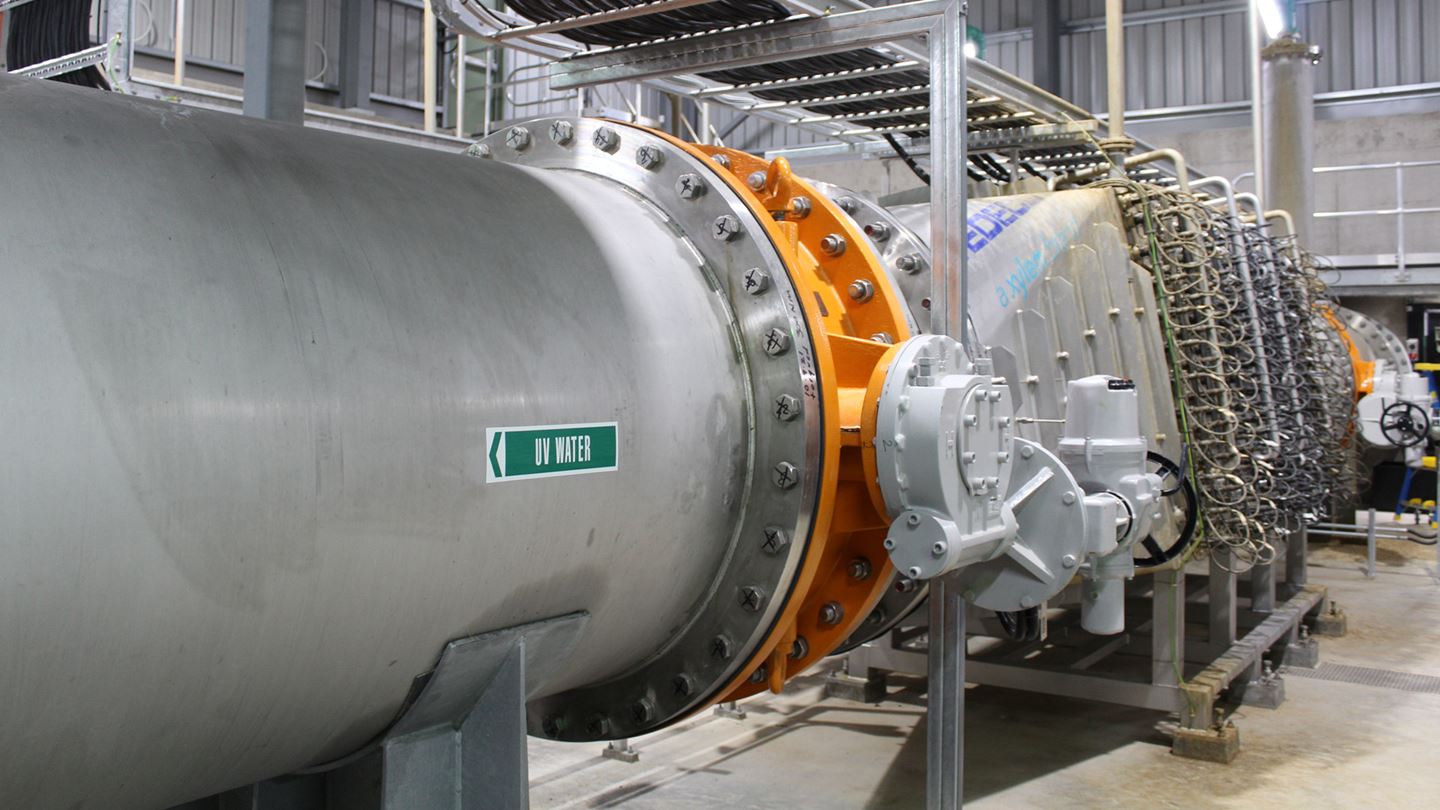
The pumpless UV disinfection system removes pathogens that otherwise evade conventional filtration and disinfection treatments.
The design included the UV reactors, a ‘bunker’ style building, as well as modifications to the existing filter outlet structure to accommodate a limited hydraulic grade. Filtered water from the conventional water treatment plant passes through the UV reactors where the water is exposed to UV light at a wavelength of 254 nm, which has proven to be effective at inactivating waterborne pathogens.
The Happy Valley UV system utilises four UV reactors, with a combined total of 624 UV lamps, enabling the system to instantaneously treat up to 600 megalitres of water daily, whilst maintaining additional treatment capacity to cater for operational flexibility and support demand changes when required.


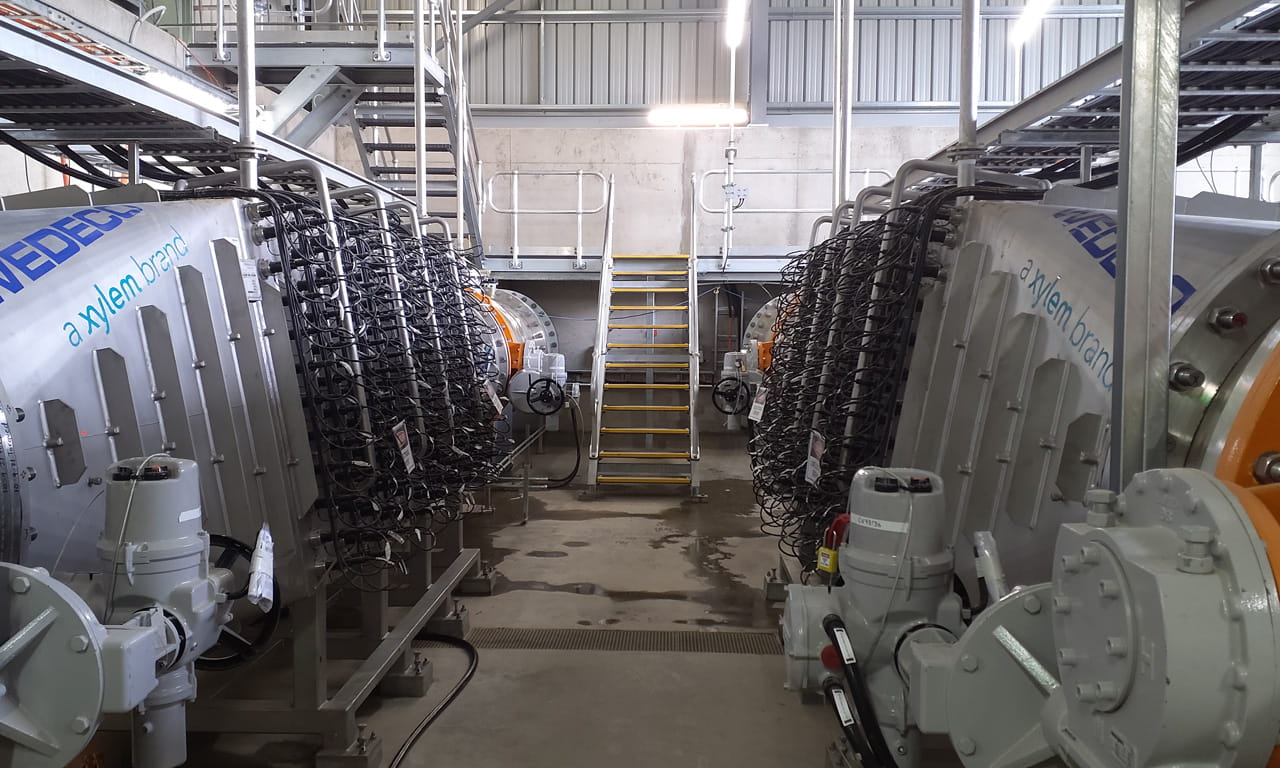
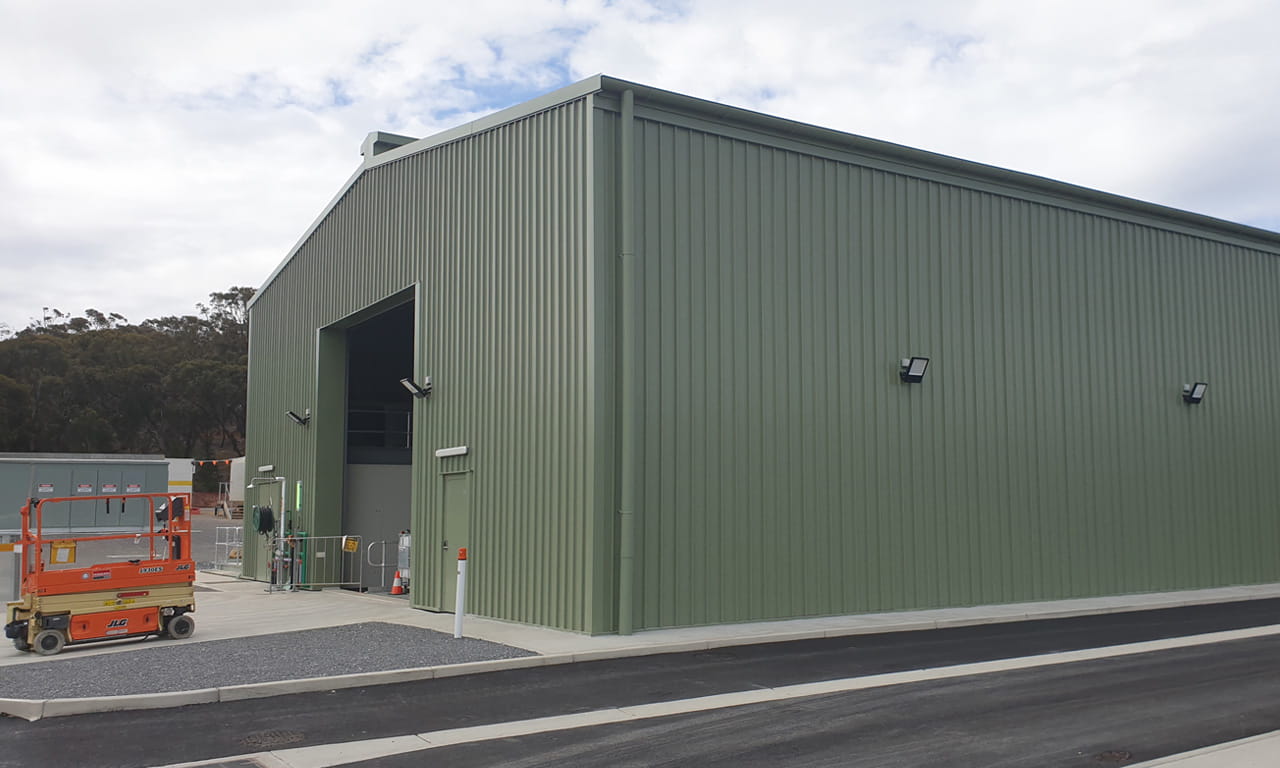
The partnership faced a number of challenges on this project including retrofitting the complex UV system within a geographically constrained site and also within a limited hydraulic gradient envelope.
With less than 2.5 metres of hydraulic head available between the existing filter outlet duct and treated water storage top water level, the partnership developed a novel design that did not require re-pumping. This overcame the challenge of the constrained space and also avoided a significant additional cost that would have otherwise been required.
Innovative thinking and close collaboration were required to retrofit the new UV system infrastructure onto the constrained site.
To create the novel design, the team used 3D digital design software to conceptualise the UV system’s installation process. It also assisted in designing a compact plant and unique hydraulic profile to suite the ground-level grade to retain liquid flow through the UV facility in-lieu of a new pump station. Construction methodology insights from the constructor were incorporated into the 3D model at concept design stage to ensure that layout options were constructable within the project’s timeframe.
The 3D digital design approach provided early identification of where clashes might occur between services and structures so safety and construction schedule risks could be addressed and mitigated prior to construction commencing.
The partnership was able to make civil, earthworks, structural and electrical design provisions in the UV system plant to suit a range of possible future construction works on-site. This will significantly reduce the complexity of project tie-in works if the site is expanded in the future.
The front-end engineering design (FEED) team collaborated early with the constructor and operator to determine appropriate cost estimates and ensure the condensed project delivery timeframe could be achieved within the project budget. This was a collaborative process of early engagement and represented a one-team approach where all people involved were open to ideas that aligned with the project’s requirements.
The UV disinfection system now provides Happy Valley Water Treatment Plant with an enhanced treatment barrier to ensure a continued supply of safe, clean drinking water to SA Water’s customers.
Aurecon's study guided Goulburn Valley Water to identify pathways to a renewable hydrogen ecosystem and support a clean energy transition in regional Victoria.
Seqwater’s Integrated Master Plan redefines sustainable water planning for South East Queensland, a 30-year program of capital and non-capital interventions.
Aurecon partners with SA Water to upgrade Bordertown's water supply and enhance water security and resilience for a growing community.