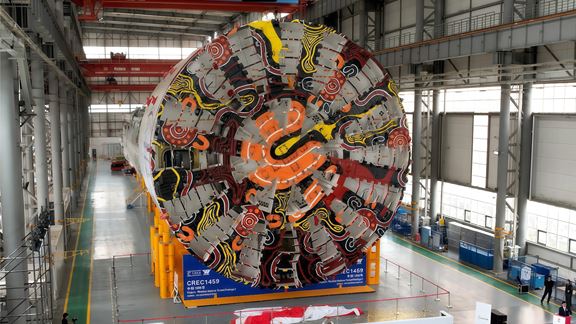
Western Harbour Tunnel, Sydney, NSW, Australia
Aurecon is transforming Sydney Harbour, replacing dredging with TBM tunnel engineering to deliver a faster, safer and more sustainable second harbour crossing.


Change your location to view content tailored for you.
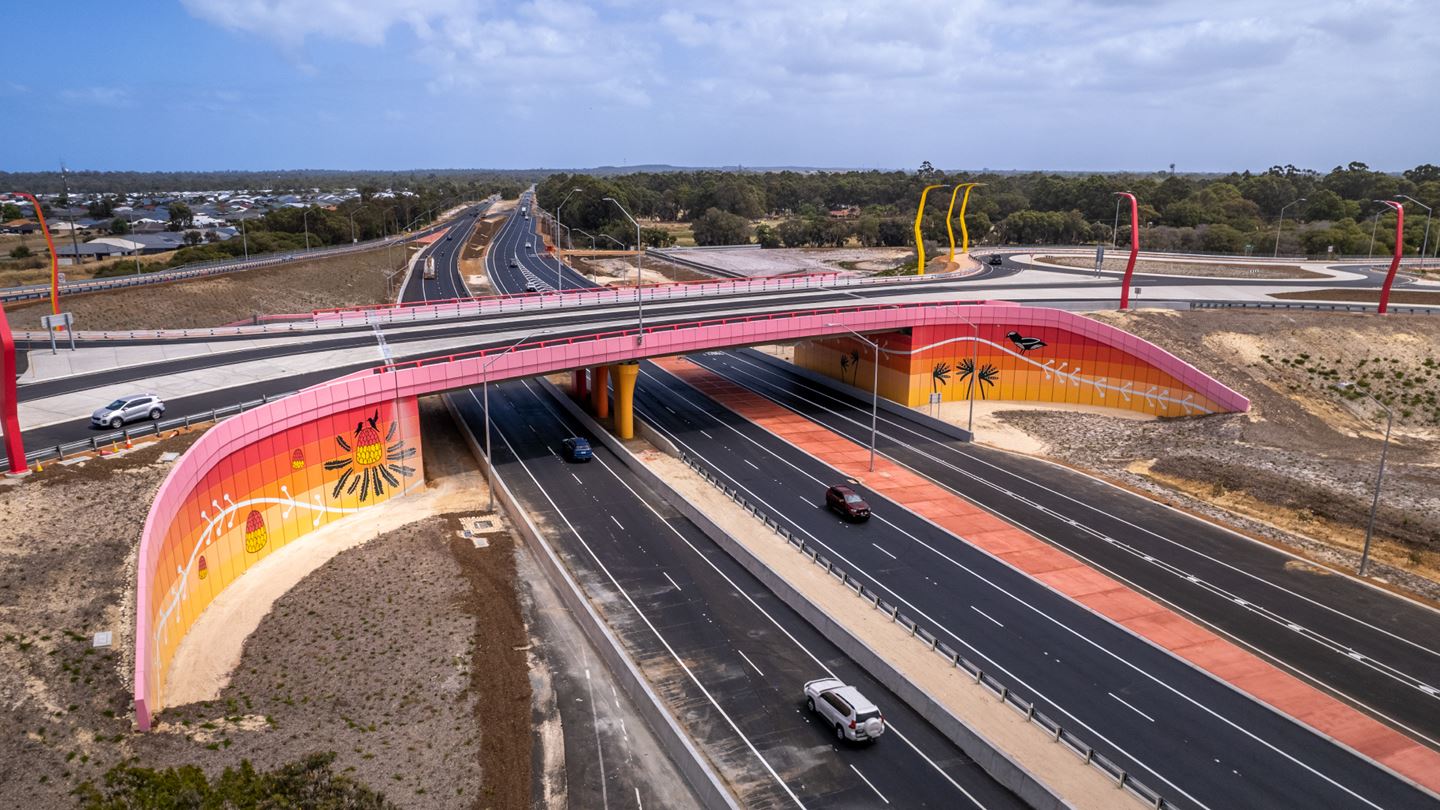
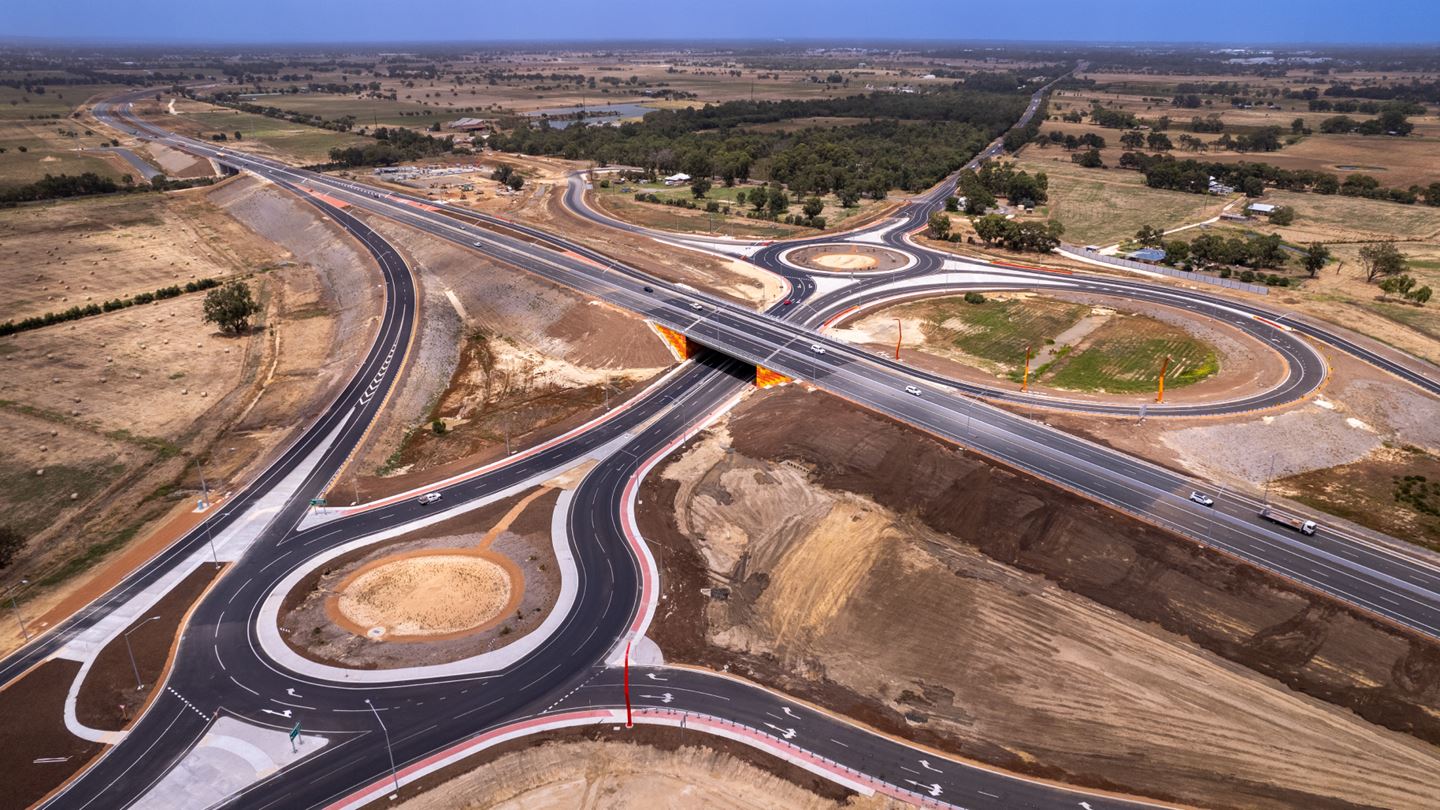
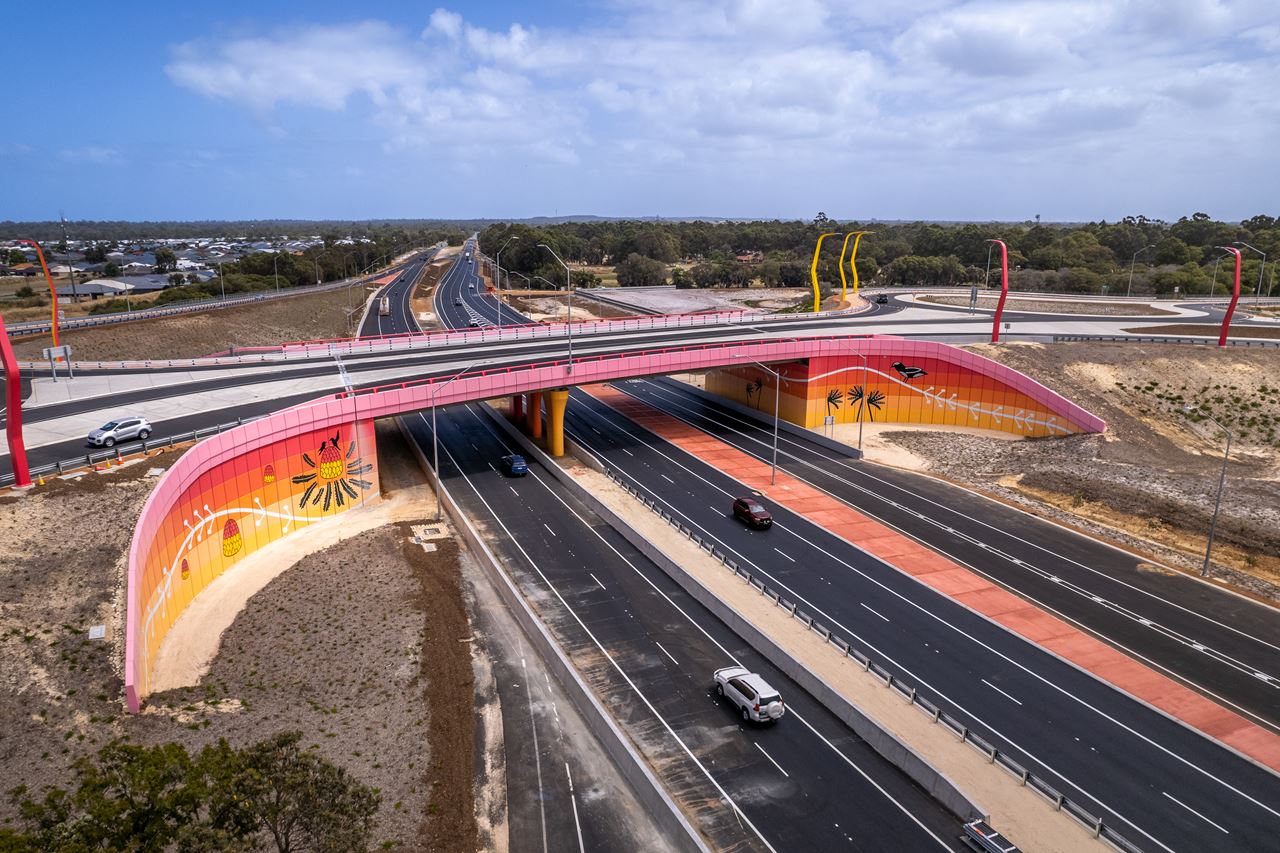
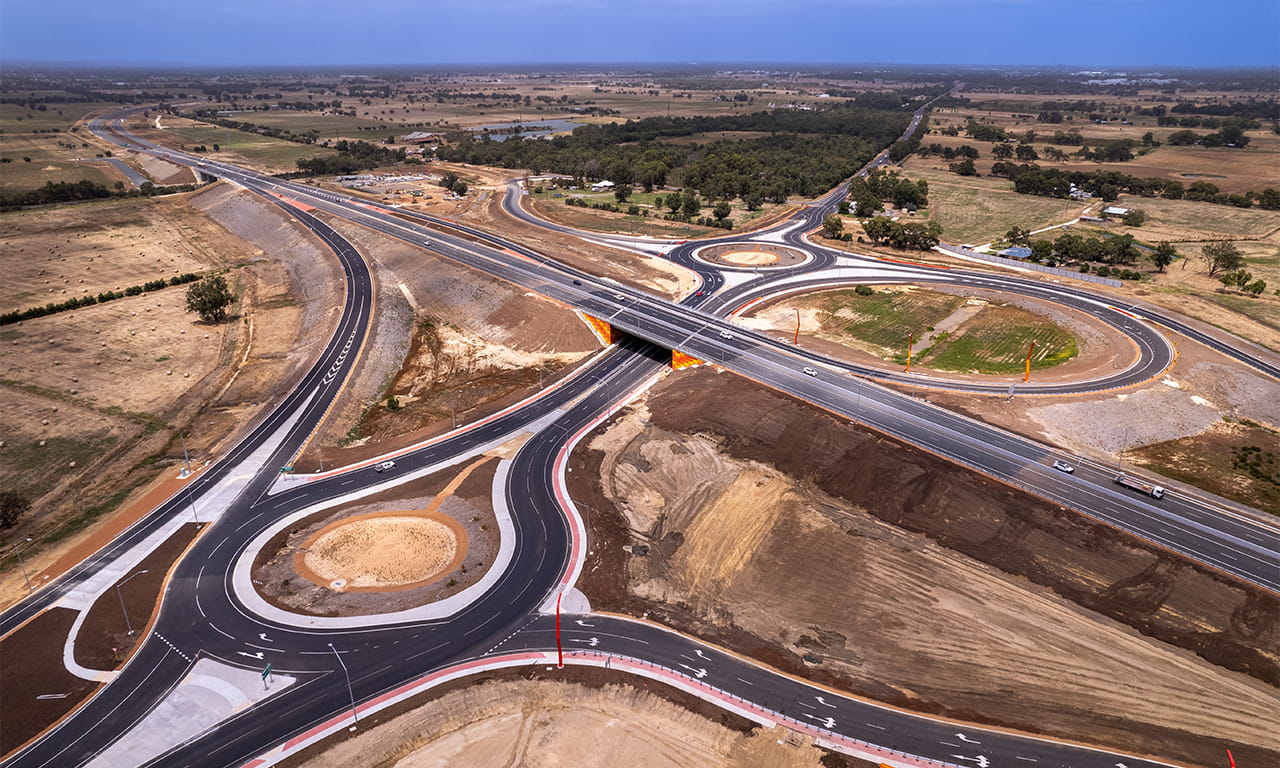
The 27-kilometre Wilman Wadandi Highway in Western Australia is the largest transport project undertaken in the South West region, delivering a safe and efficient road network for freight, tourists and locals, as well as significant economic, environmental and social benefits for the region.
The South West Gateway Alliance, in partnership with Main Roads Western Australia, delivered this project, with Aurecon contributing engineering design and stakeholder and community engagement.
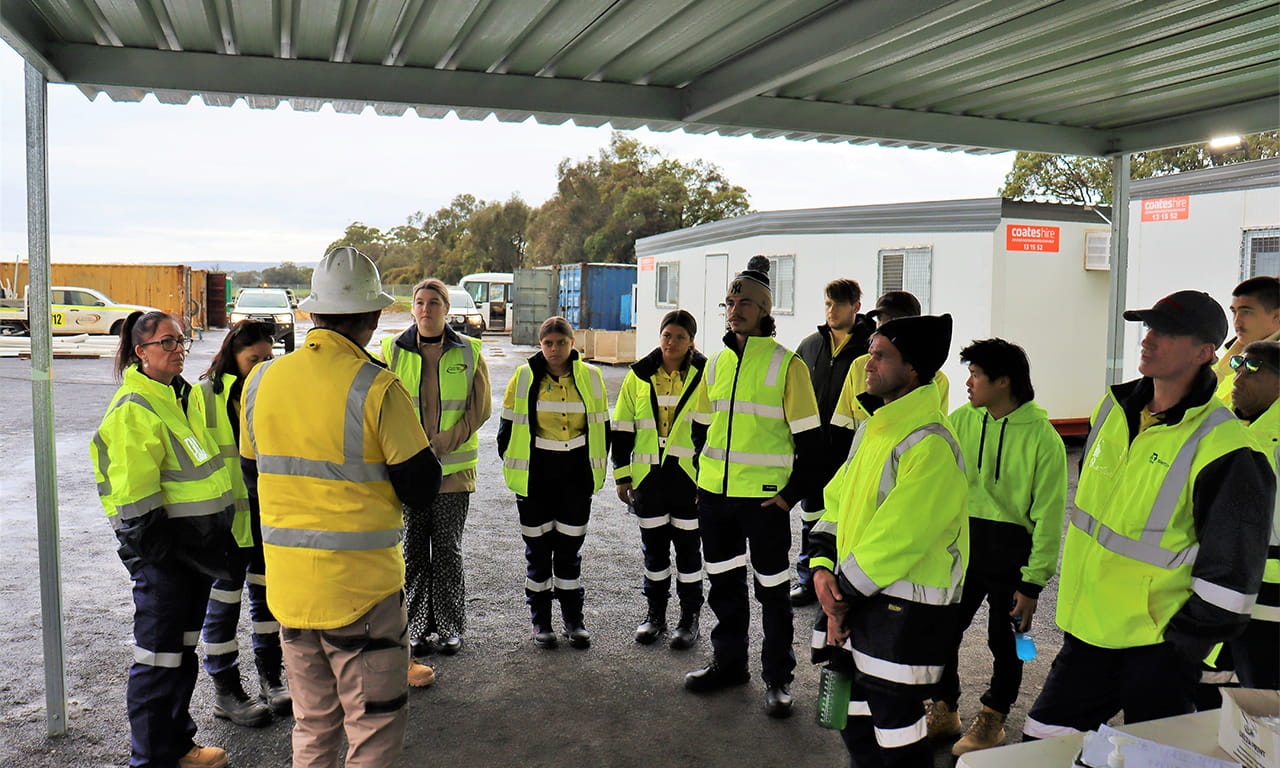
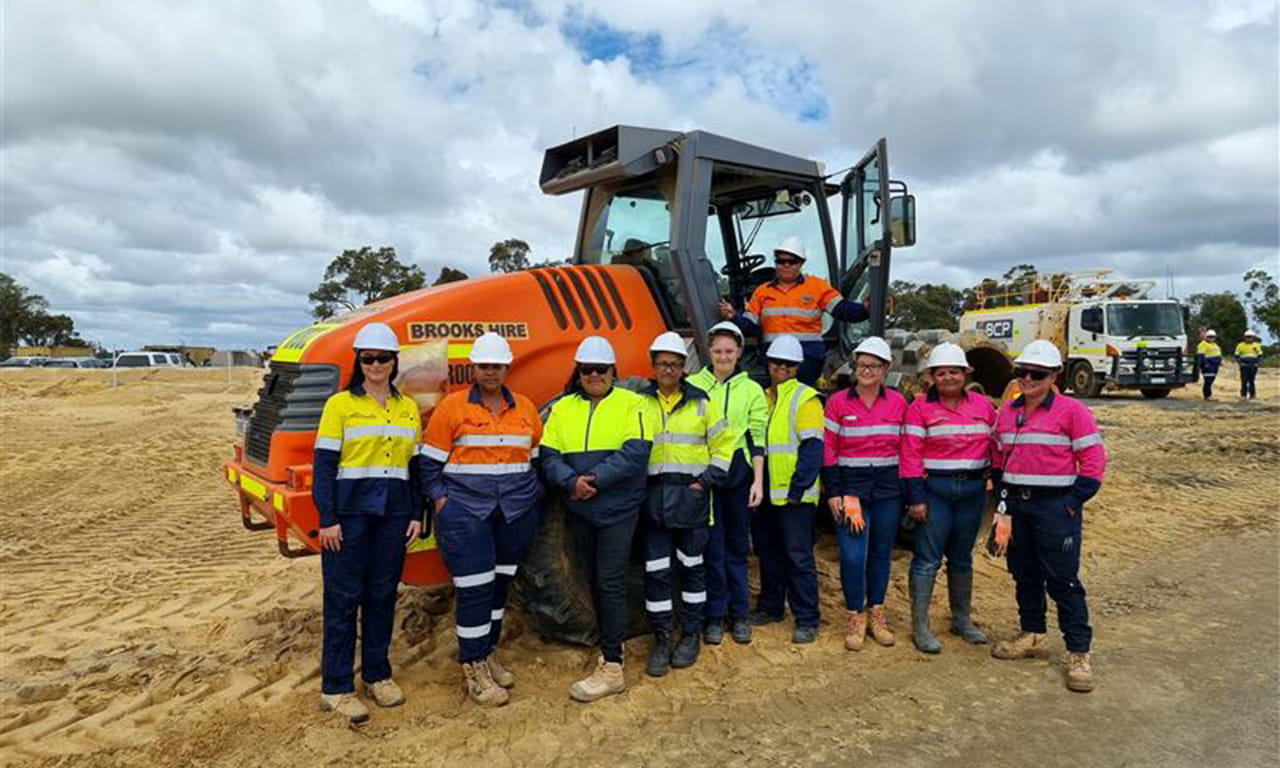
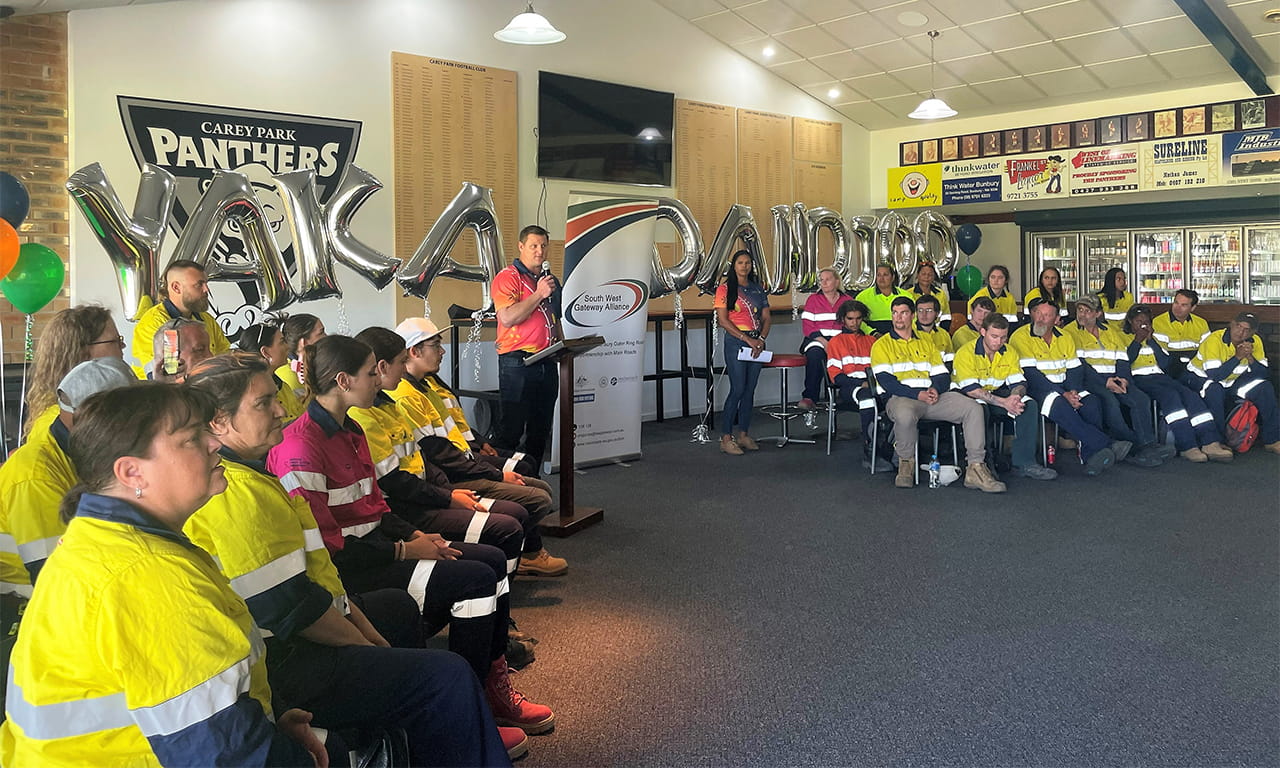
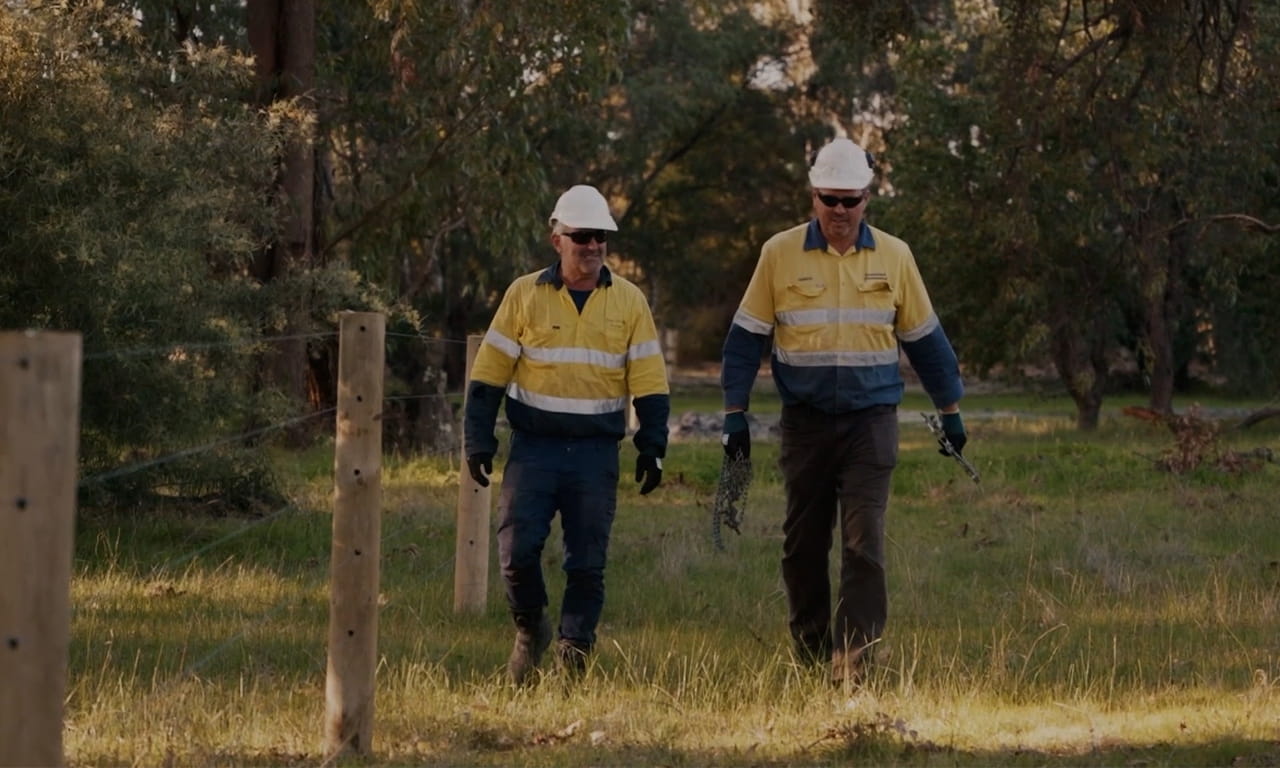
Social and economic outcomes were central to the project’s success. The Yaka Dandjoo Sustainable Employment Program provided pathways for youth, women, individuals over 45, and Aboriginal people, to join the civil and construction industry. Since its inception, the program graduated 191 participants across 13 cohorts. A total of 147 (77 per cent) of people achieved employment after graduating, 82 per cent on the highway project working for 36 different businesses.
This innovative program included life skills as well as employment skills training and provided a two-week on-site work experience in civil construction, winning multiple awards.


A Local Business Advisory Group (LBAG) was established to ensure that local businesses had input to the project’s timeline and procurement strategy. This group led the formation of the project’s “inside out” local procurement strategy that prioritised businesses genuinely based in the region by using a Local Weighting table. The table defined the five different ‘categories’ of being considered as a local business, with weighting given to businesses that were established, owned and operated in the region.
A community hub in the centre of Bunbury was established that allowed community members, including job seekers and businesses, to speak directly with Alliance employees about opportunities on the project and be informed of its progress. A large satellite map of the project and an interactive visualisation of how the highway would function were part of the information on display, ensuring all community members felt informed and connected to the project.
Local and Aboriginal business procurement targets were exceeded, with contracts appointed across 390+ local suppliers*.
The project spent*:
$628.4 million with 396 local South West businesses exceeding the initial target of $450 million
$62.2 million with 33 Aboriginal suppliers more than 50% above the target spend of $30 million
The Alliance packaged works for local constructors that were tailored to their resourcing and delivery capabilities. This was achieved by using computational design to right-size repeatable packages of work while remaining aligned with the project’s critical delivery timeframe.
Efficiency was also achieved throughout the design and construction phases with the use of digital engineering applications. The result was that more than 80 per cent of project contracts were awarded to local businesses in the South West region.
The project features 11 bridges, including a 382-metre ‘mega-bridge’ that overcame complex challenges to reduce materials use and remain sensitive to the environment. With 12 bridge spans varying between 23.8 metres and 43.3 metres, it provides a clear crossing over the environmentally-significant Ferguson River. A vertical clearance of 7.3 metres over the freight rail corridor was achieved, and the number of abutments required reduced from six to two – resulting in a 22 per cent reduction in concrete volume.
The project introduced Western Australia’s first use of large, bored mono-piles, together with an integral bridge design at the route’s ‘Y’ Interchange to minimise maintenance and maximise efficiency.
This is significant because, by using bored mono-piles up to 2.2 metres in diameter, this eliminated the installation of numerous smaller piles and pile caps – often large and heavily reinforced – and meant the piles terminated underside at deck level with a headstock. The headstock was precast which eliminated onsite formwork and falsework requirements at height (approximately 6 metres above ground level).
A number of trials pioneering the use of sustainable materials was undertaken on the highway project. This included pipes from 100 per cent recycled plastic, mostly household milk and juice bottles, forming part of the project’s drainage network. A total of 66 metres of the recycled pipe was laid, with each pipe 6 metres in length and 37.5 cm in diameter, with the benefit of a 100-year product life.
An eco-friendly substitute for traditional cement concrete, geopolymer concrete from locally stored fly ash was used in concrete blocks along the route. A lower-emission alternative, this was a demonstration project for the product for wider market applications.
The project pioneered trials of sustainable materials including recycled plastic pipes, low-carbon concretes, and Food Organics Garden Organics in mulch for erosion control. Wildlife connectivity and habitat protection was achieved with fauna bridges and underpasses, revegetation of 335 hectares, and long-term conservation sites.
Being awarded industry accolades reflects the project’s achievement of lasting social and economic improvements for the region, and Western Australia:
*As at May 31 2025.
Aurecon is transforming Sydney Harbour, replacing dredging with TBM tunnel engineering to deliver a faster, safer and more sustainable second harbour crossing.
Aurecon's active transport design expertise supports TfNSW to create a seamless, unobtrusive, step-free ramp and cycleway across Sydney Harbour Bridge.
Aurecon leads building services engineering for the New WCH to deliver a 100% all-electric tertiary hospital for South Australian women and children.