Christchurch Earthquake Recovery, New Zealand
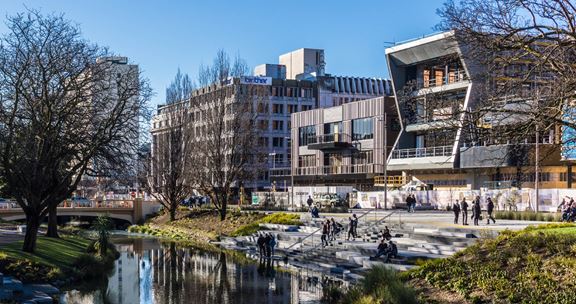
Aurecon used digital visualisation technology to engage communities in the design process for key Christchurch rebuild projects following 2011 earthquakes.


Change your location to view content tailored for you.
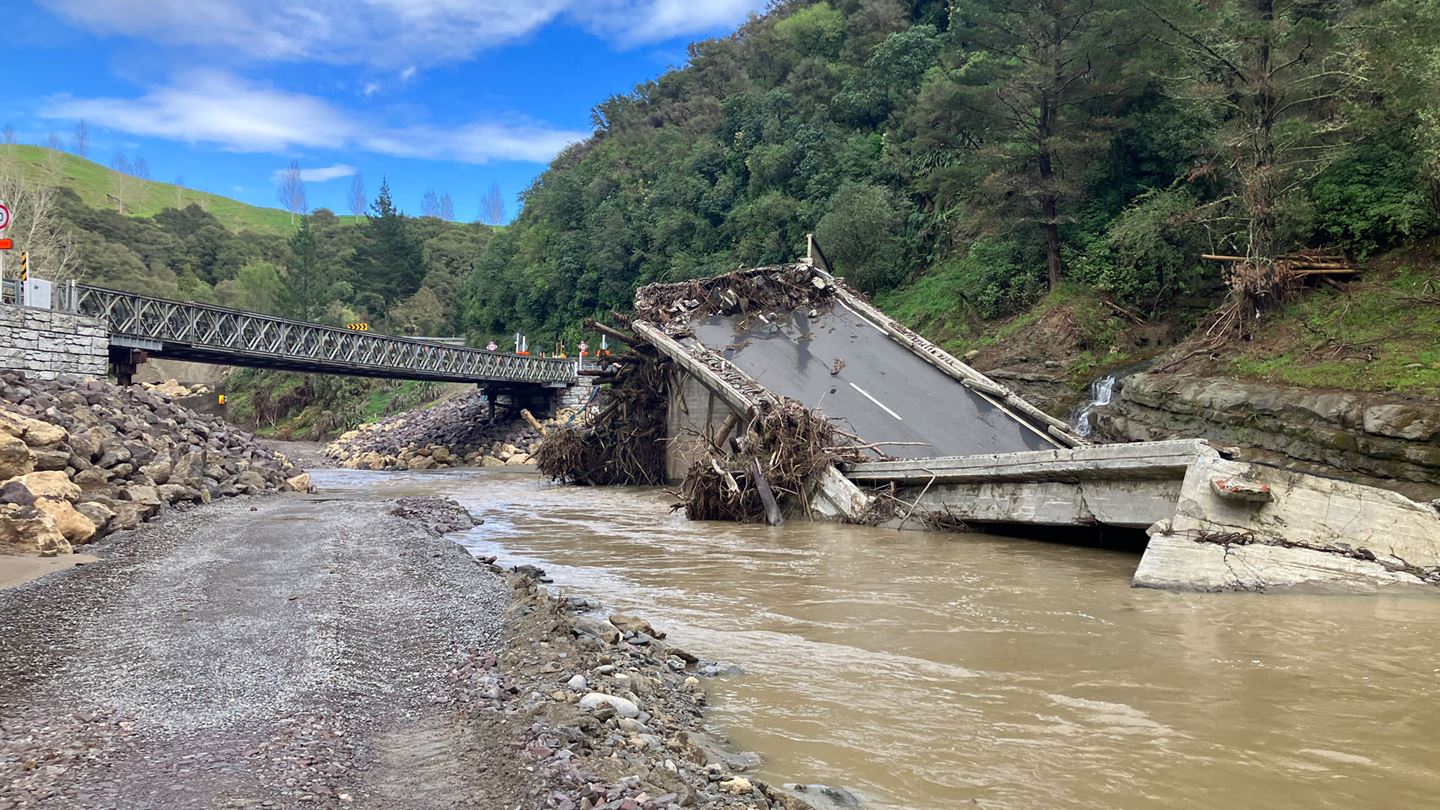
Cyclone Gabrielle brought flooding, slips and destruction to many areas of New Zealand’s North Island when it struck in February 2023. Te Tairāwhiti (Gisborne) and Te Matau a Māui (Hawke's Bay) were some of the worst hit regions, with homes destroyed and road and rail infrastructure badly damaged, leaving whole communities cut off and families displaced.
Following the emergency response, the Transport Rebuild East Coast (TREC) alliance was set up in July 2023 to plan, organise and deliver much of the Recovery work; while also looking at potential Rebuild work for the state highway and rail networks across the East Coast, in conjunction with local businesses and contractors.
The alliance model was chosen following its successful use to deliver the North Canterbury Transport Infrastructure Recovery (NCTIR) programme after the 2016 Kaikōura earthquake. TREC’s alliance members are NZ Transport Agency Waka Kotahi (NZTA), KiwiRail, Downer, Fulton Hogan, and Higgins alongside local contractors. Aurecon is part of the design sub-alliance, along with Tonkin + Taylor, and WSP.
The alliance has a ‘local first’ focus and is working with many local contractors and suppliers to deliver work on the ground, as at mid-2024 more than 80 per cent of the physical work had been delivered by local contractors.
In 2023, $384 million was allocated for Recovery funding, and the May 2024 Budget saw an additional $250 million allocated for Recovery work on Hawke’s Bay and Tairāwhiti state highways. Recovery is to keep roads and rail open and ensure access minor resilience improvements may take place through the construction process where modern standards naturally provide a better outcome than what was in place beforehand.
TREC has also looked at potential mid to long term Rebuild opportunities to improve the resilience of roads and rail in the region. As part of Budget 2024, the government decided not to fund any Potential Rebuilds through the Budget process at this time.


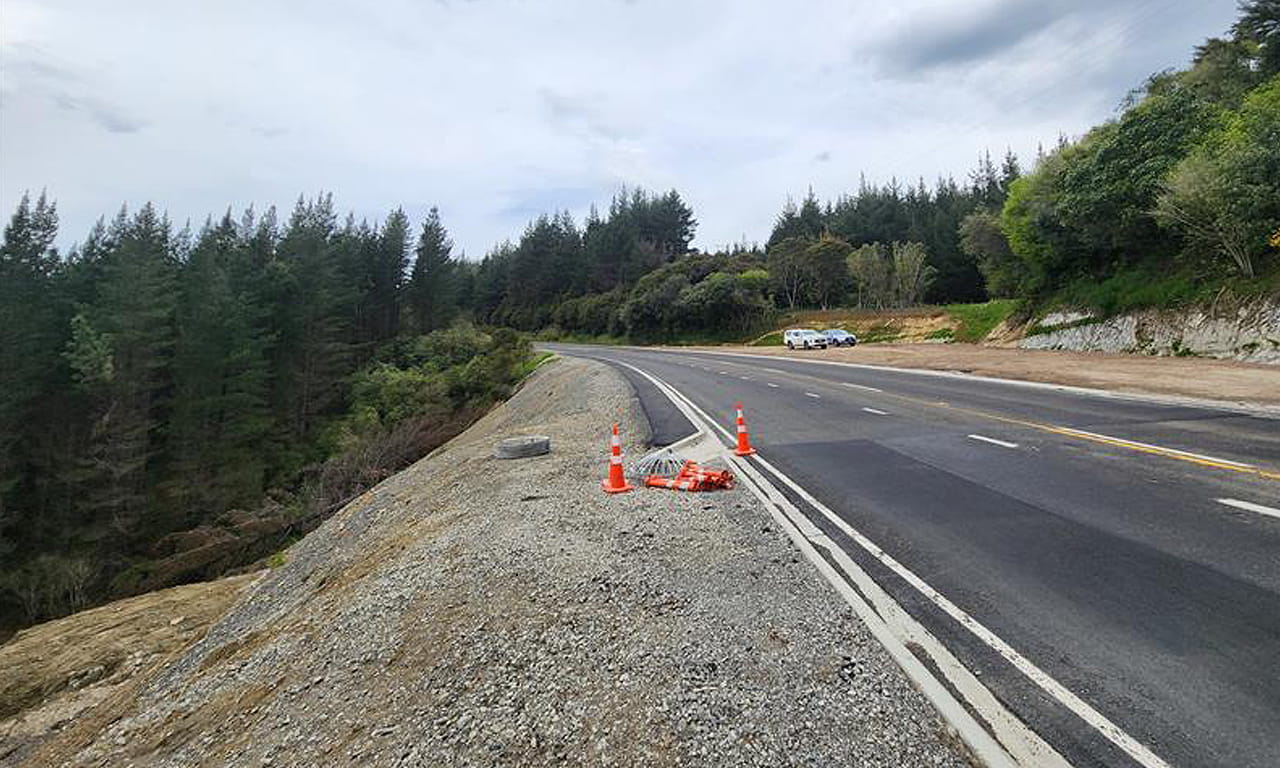
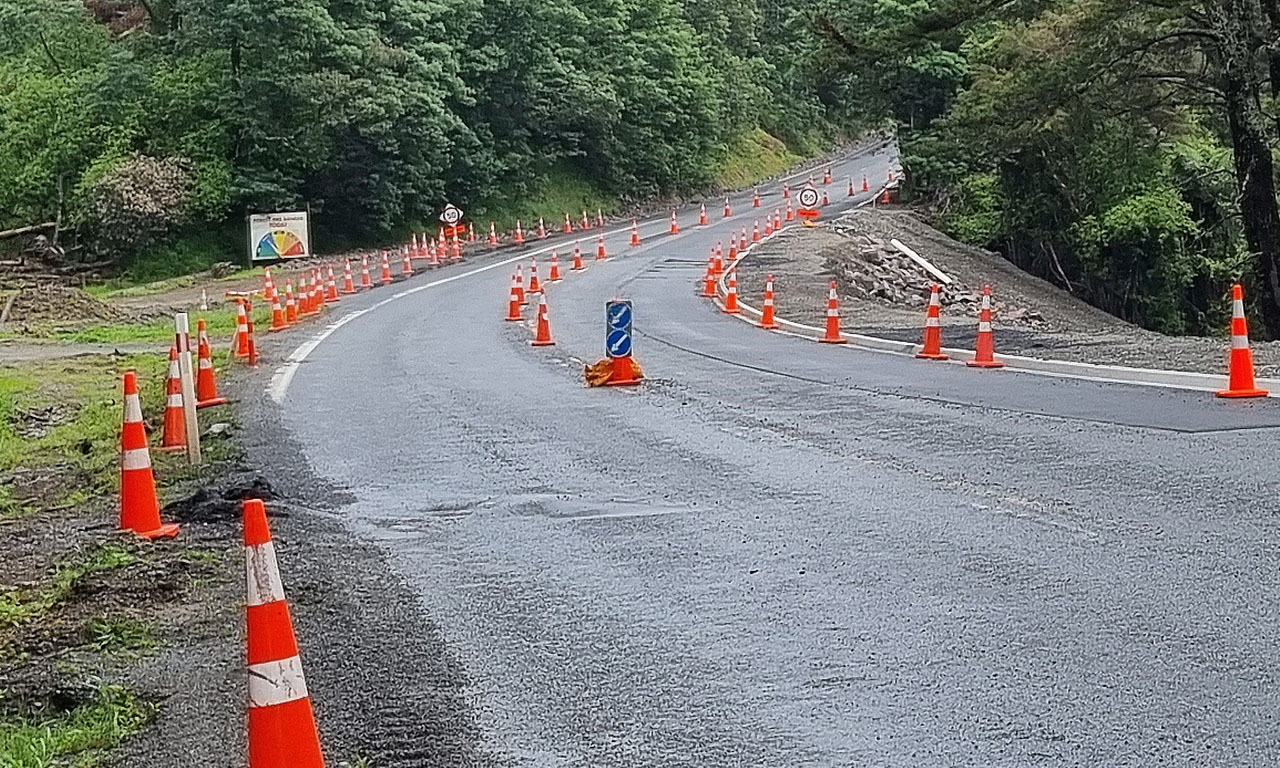
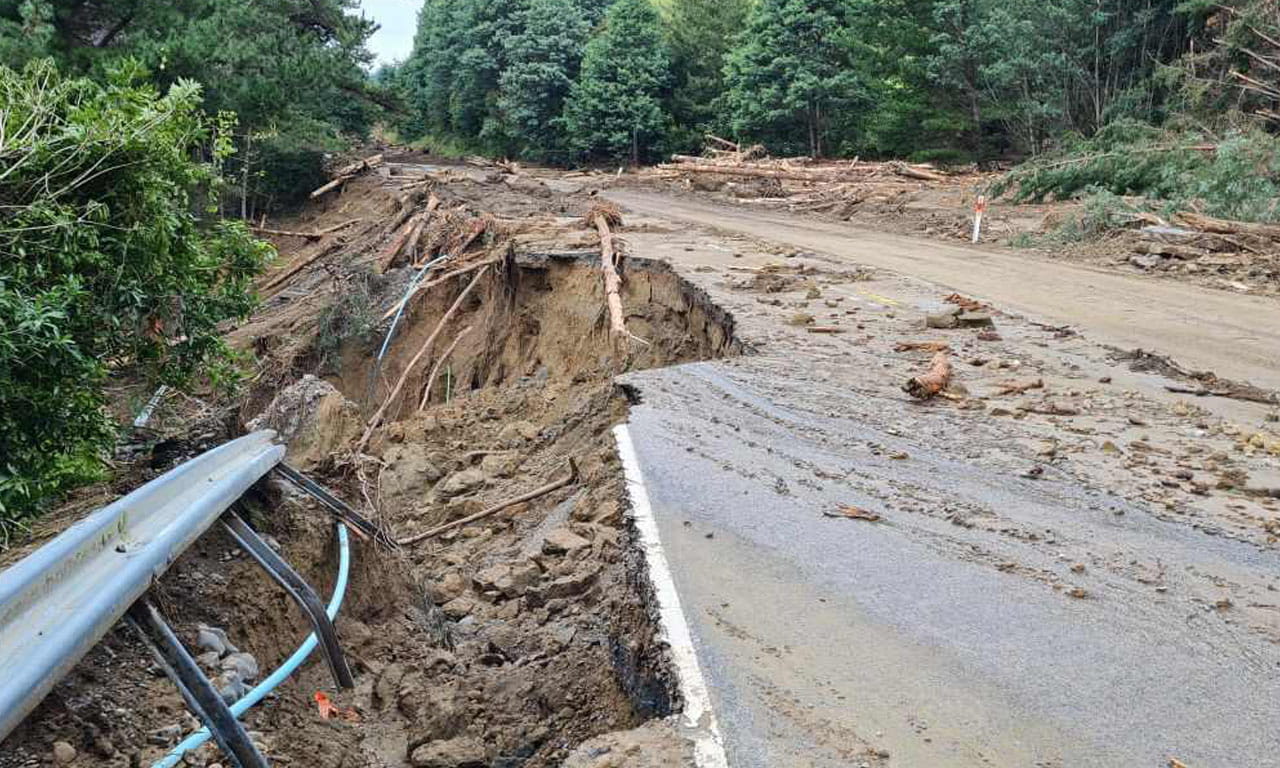
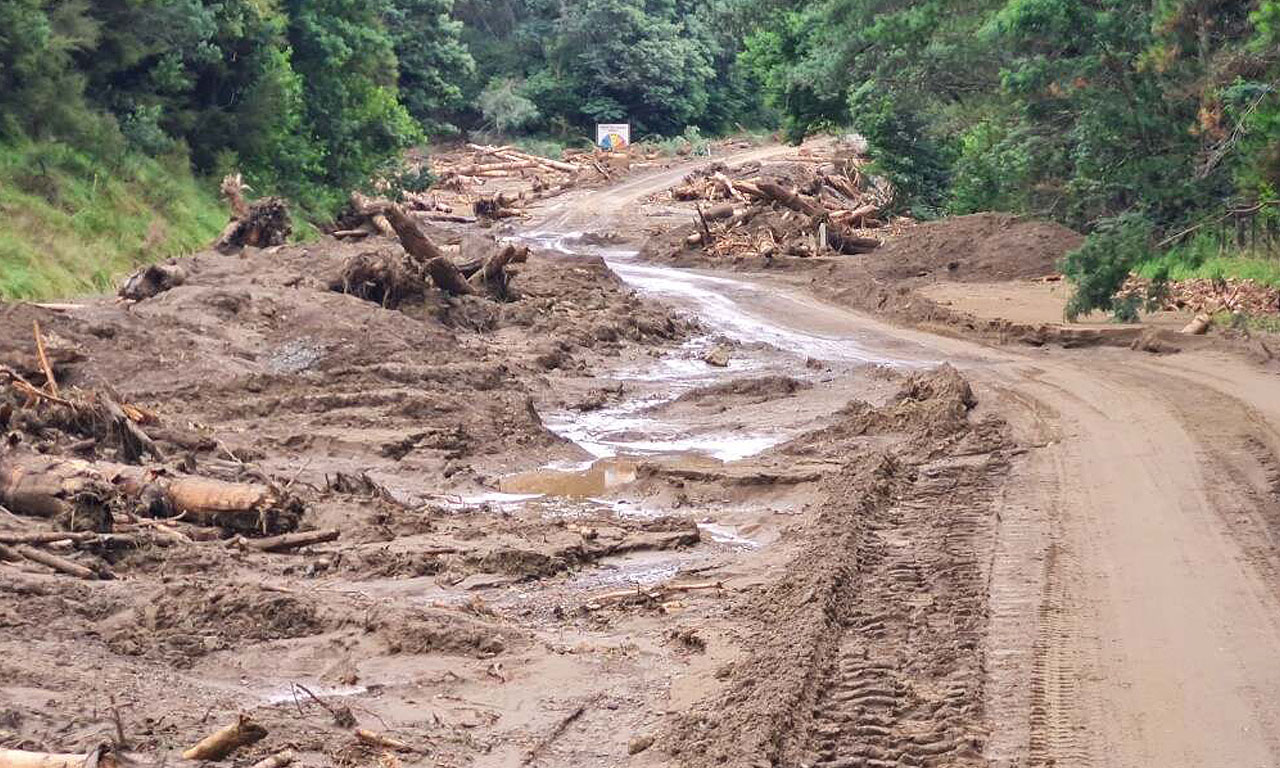
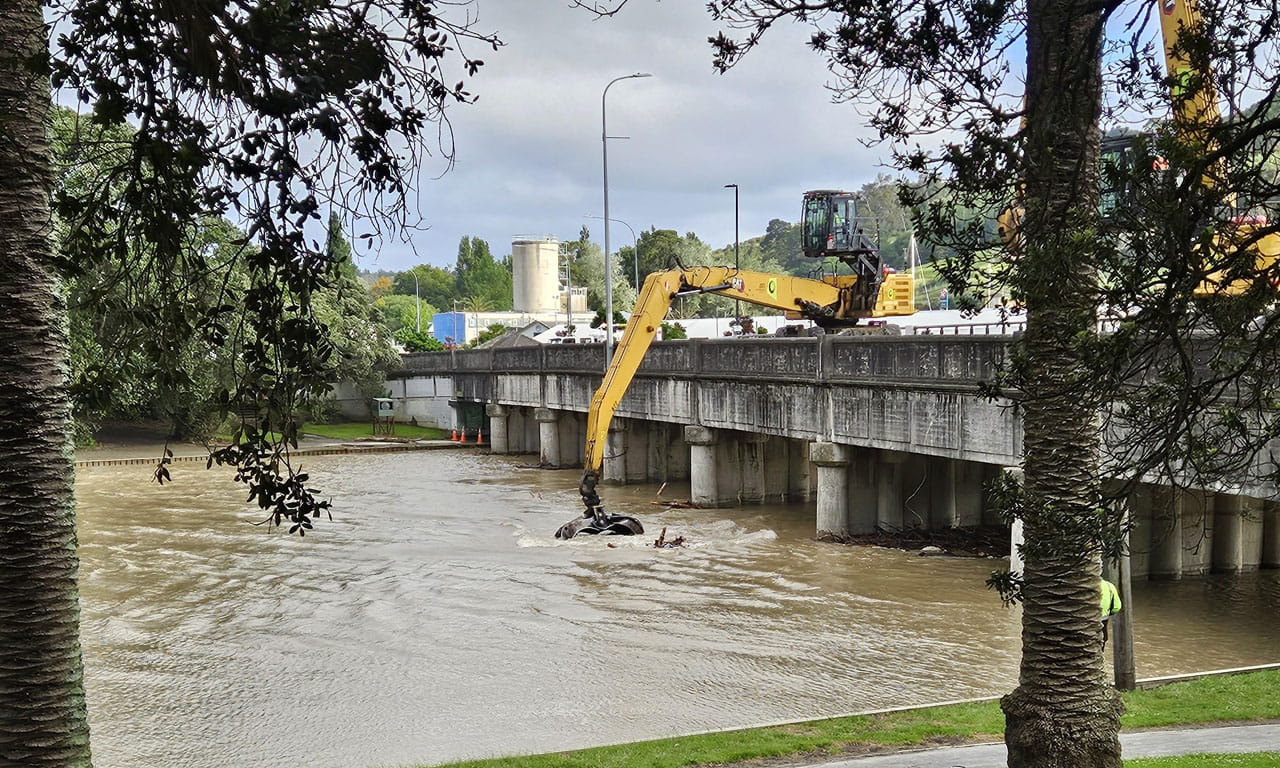
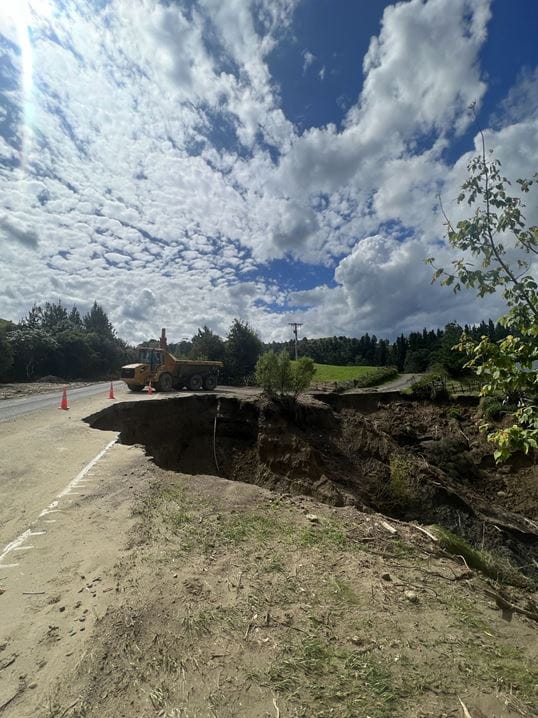
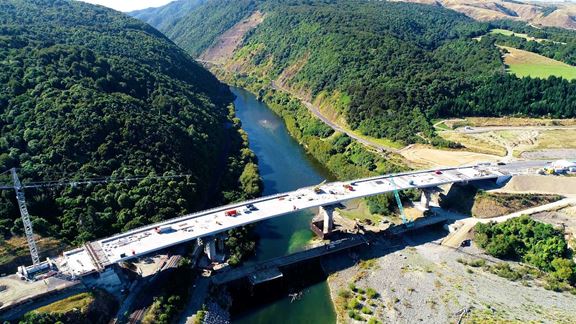
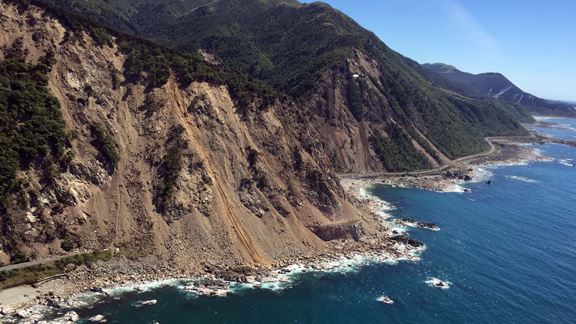
Aurecon’s experience from other major resilience programmes like NCTIR (Kaikōura Earthquake Recovery), the Christchurch Earthquake Recovery and Te Ahu a Turanga: Manawatū-Tararua Highway (where a new highway is being constructed after slips caused the closure of the existing road in 2017) was key to our appointment as part of the TREC alliance.
What makes TREC unique is the sheer expanse of the task hundreds of discrete work sites, spanning around 1000 km of road network and 150 km of rail. Maintaining connectivity and cohesion across the team requires continued effort and focus.
Equally challenging are the complex geotechnical conditions. Although the Cyclone was a massive weather event, it came on the back of several years of severe storms in the East Coast region, meaning the ground is saturated and unstable. The alliance is leveraging geotechnical expertise honed on previous recovery projects to create innovative and fit for context solutions.
Aurecon used digital visualisation technology to engage communities in the design process for key Christchurch rebuild projects following 2011 earthquakes.
Aurecon helps build a safe and resilient highway through Manawatū Gorge, reconnecting New Zealand’s Manawatū and Hawkes Bay regions.
Aurecon lead design delivery of the Kaikōura Earthquake Recovery Programme to quickly restore critical lifelines, such as road, rail and harbour infrastructure, to communities.