Leading the rail recovery
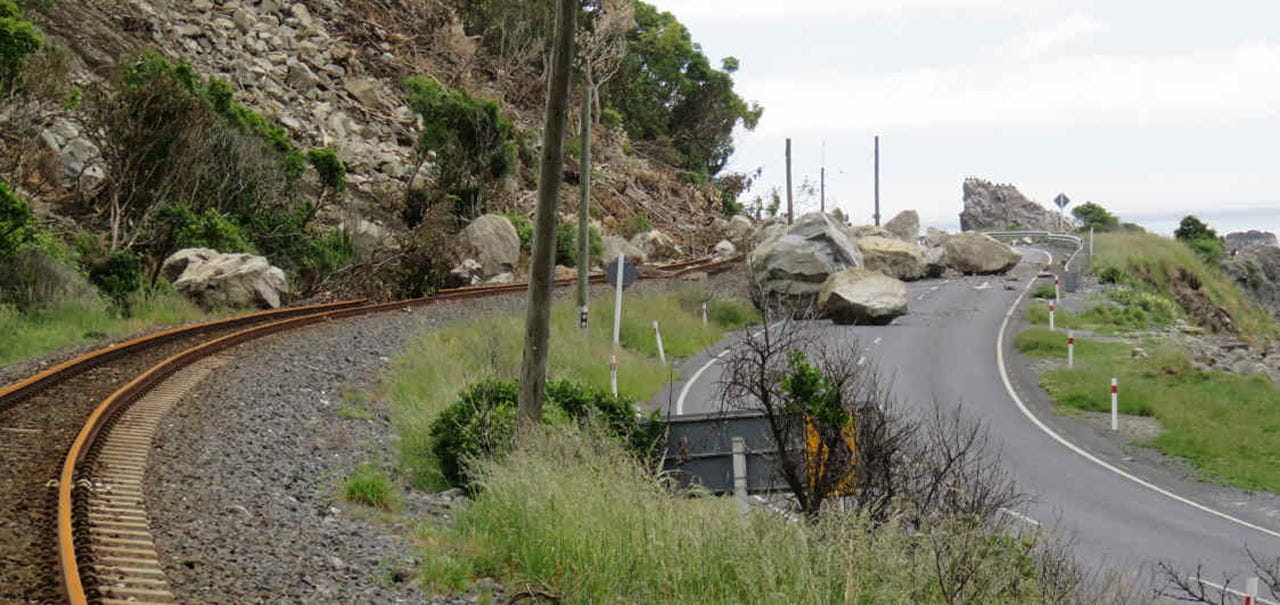
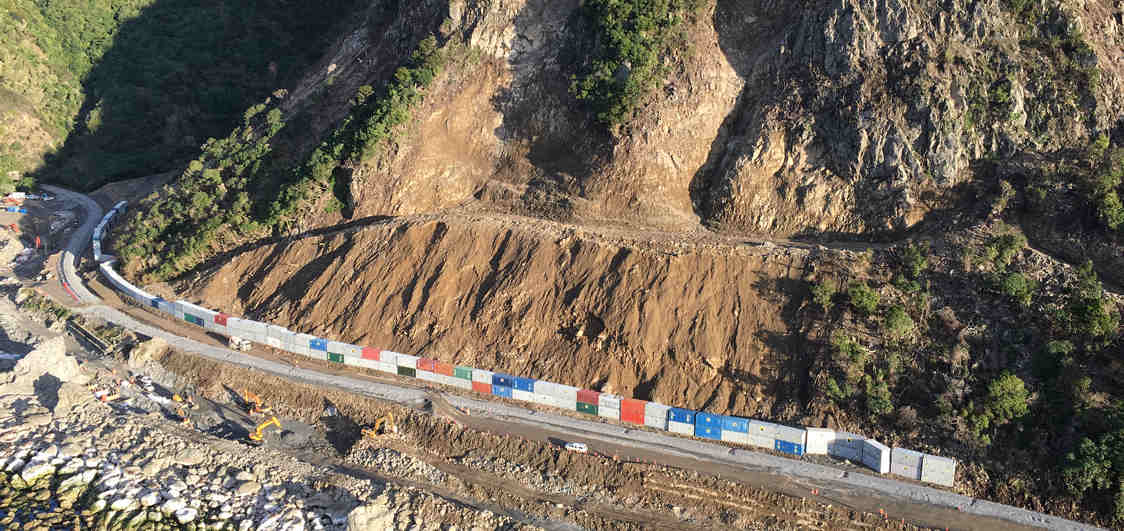
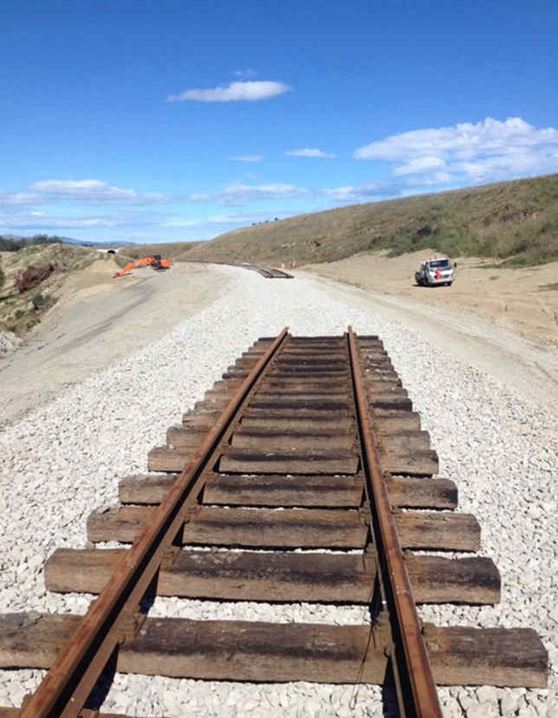
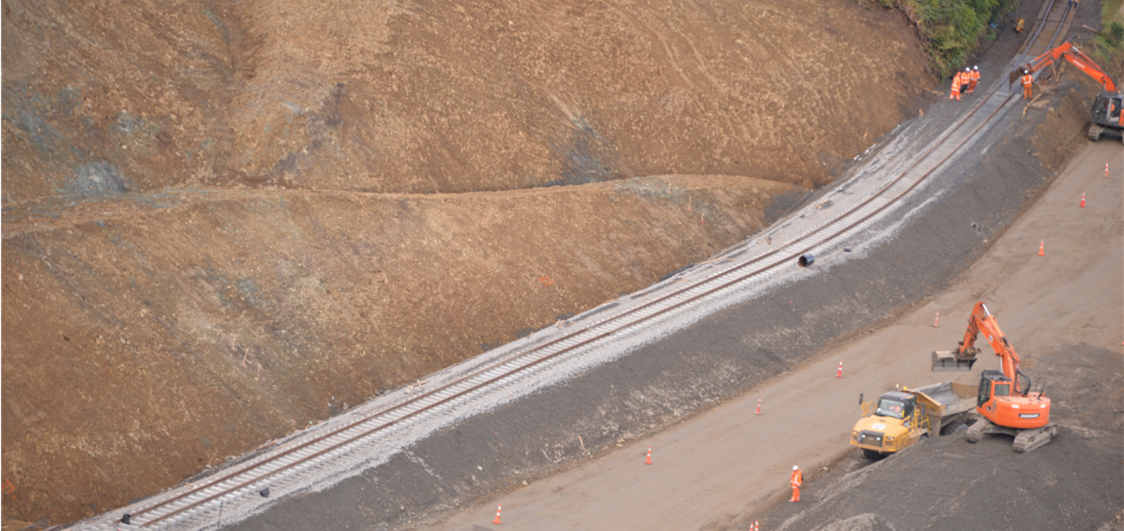
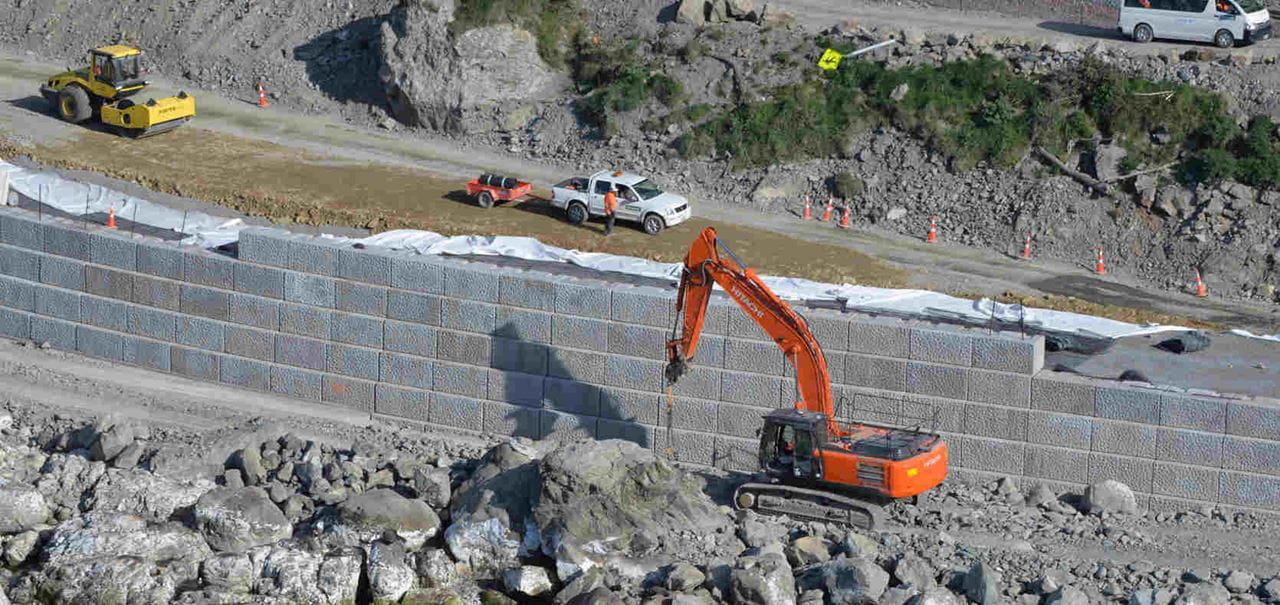
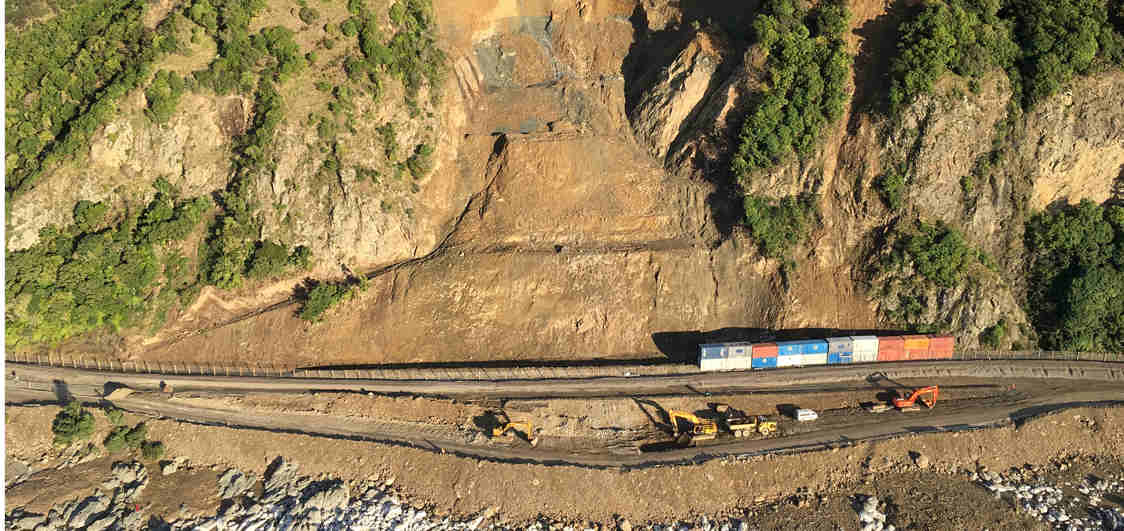
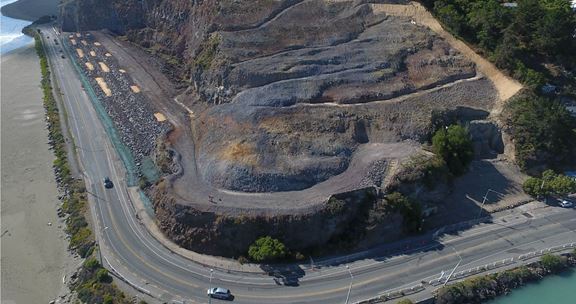
Aurecon Rail Zone Design Manager, Haden Walters, said, "Given the narrow transport corridor and the close proximity of the road and rail, it has been essential for teams to work closely with each other. We approached the rebuild task by sequencing work from either end, with the goal of meeting in the middle.”
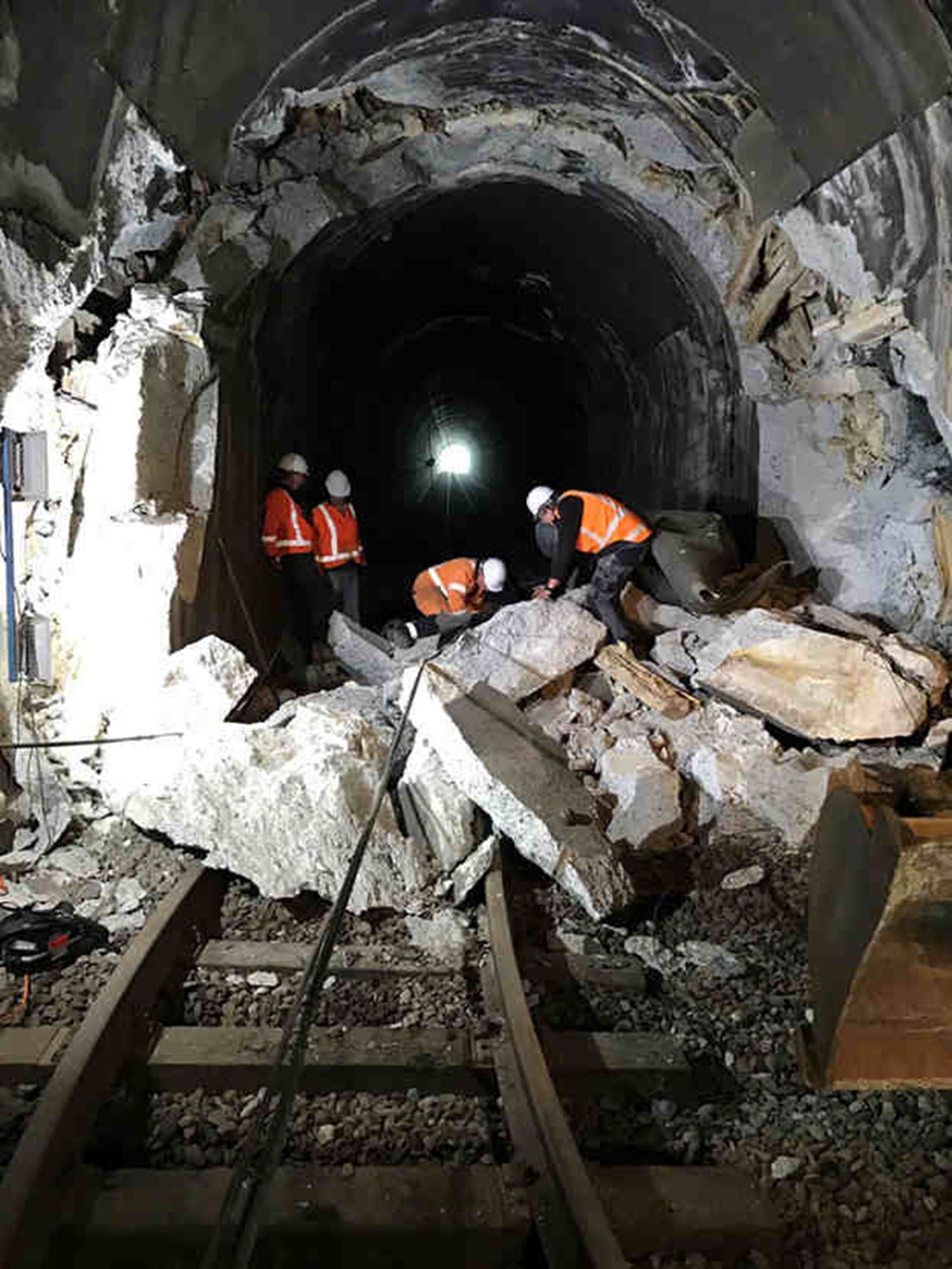
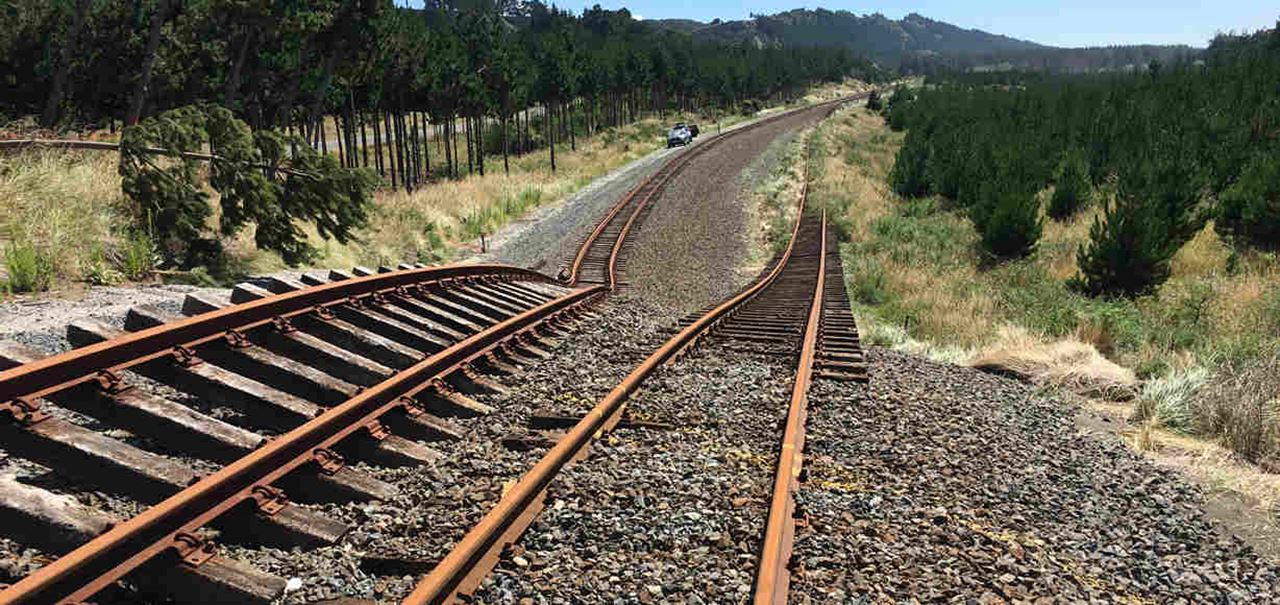
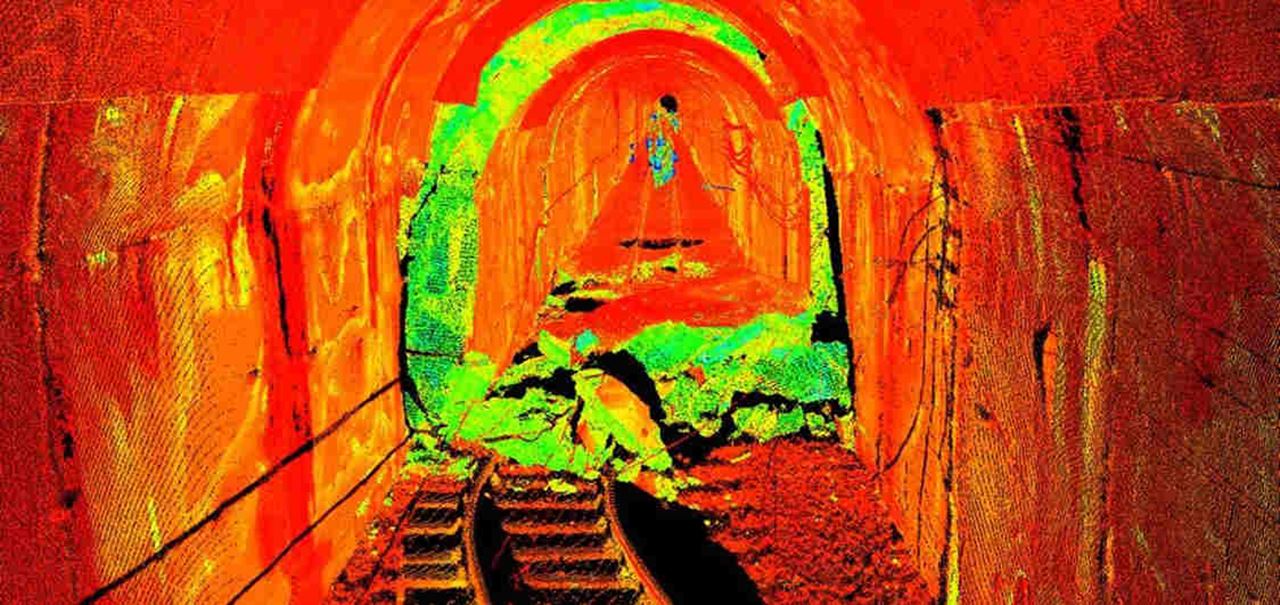
The Main North Line railway, prior to the earthquake, provided passenger services and carried over 1 million tonnes of freight per year. To support the ambitious timeline to get this crucial transport network back up and running, Aurecon became the main provider of rail engineering services. From tunnel inspections and design to flood modelling and storm water design, Aurecon teams worked with NCTIR to deliver design concepts that would not only reconnect communities, but also protect this lifeline for them in the future.
"The level of personal commitment and teamwork across NCTIR has been quite humbling and a career highlight for many. It’s great to have re-connected communities and seeing first hand what this means for the region."
Tim Watterson, Major Projects Director, Aurecon
Reconnecting North Canterbury communities
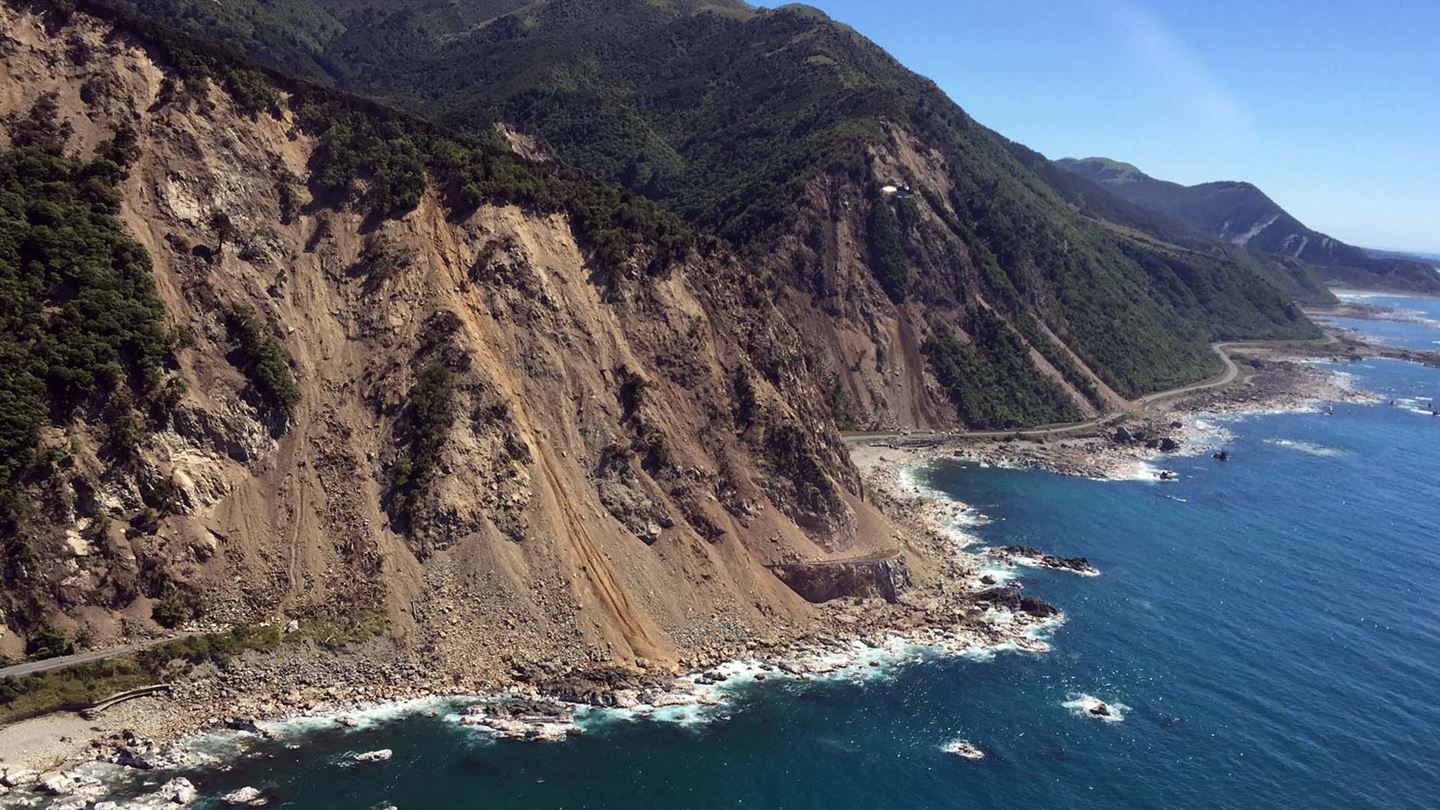
One of the main challenges of the programme has been the fact that the affected road, rail and marine transport links are critical lifelines to the surrounding communities. Freight and passenger trains ground to a halt, whale and sea life watching tours were stranded in the marina due to the reduced water depth, and other tourism related businesses saw their income flown out of town with the evacuation of tourists from the area. With this in mind, the team committed early on to support the goal of reconnecting these communities by the end of 2017.
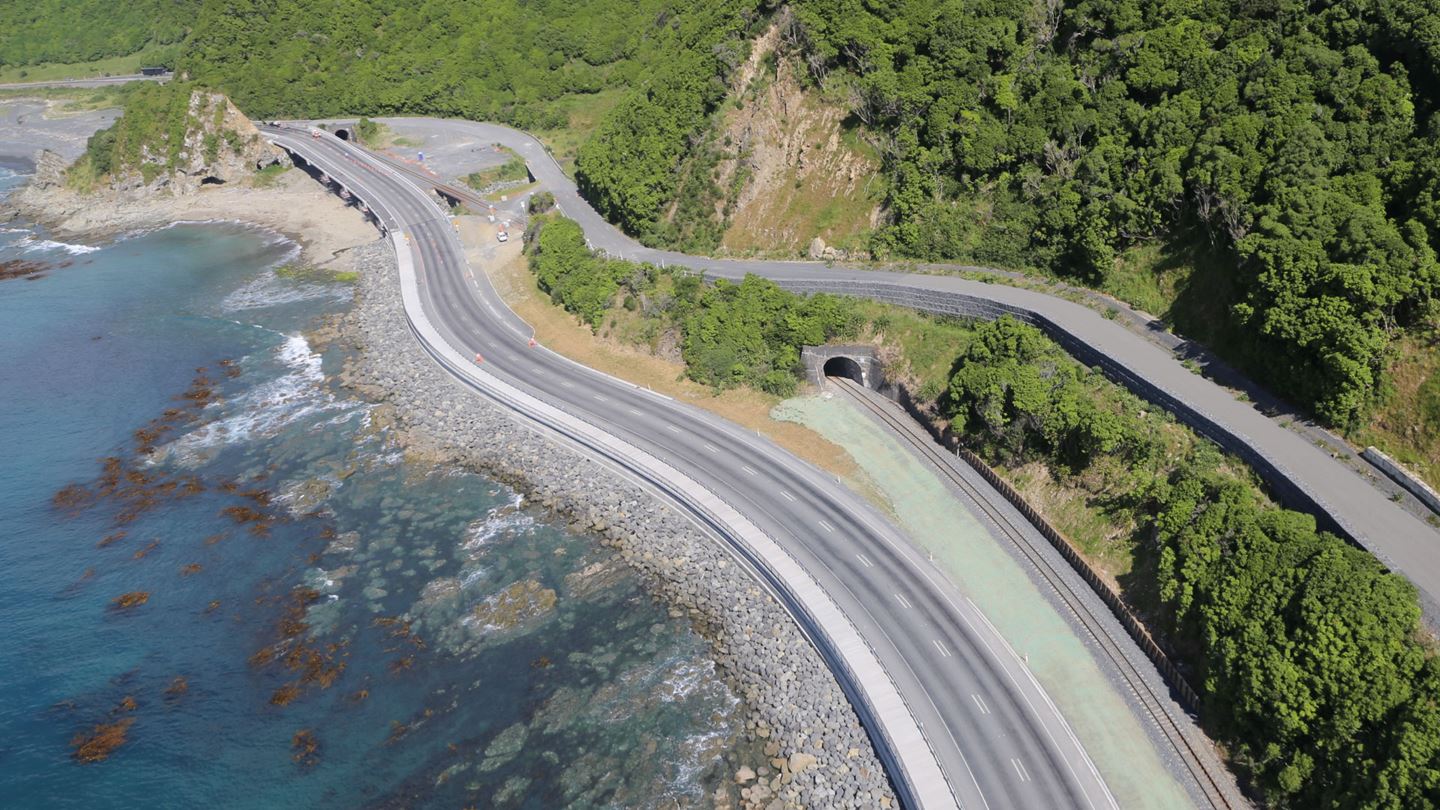
The critical Main North Line railway between Picton and Christchurch was re-opened less than a year after the earthquake, in early September 2017. While Kaikōura’s harbour was re-opened exactly one year after the earthquake on 14th November 2017, and the main coastal State Highway 1 link between Christchurch and Picton followed in December 2017.
The 140m Irongate bridge delivered as part of the recovery set a record for the fastest seven span bridge built in New Zealand.
The 140m Irongate bridge delivered as part of the recovery set a record for the fastest seven span bridge built in New Zealand. This was possible through an intentional design that was a) based on widely accepted standards with no bespoke elements and b) developed in collaboration with the construction team based on what could be built fastest – considering available plant, material supply, construction workforce planning.
The successful re-opening of the key transport routes and ongoing efforts to not only re-build, but also improve the safety and long-term resilience of the road and rail infrastructure, are testament to the hard work and collaboration of all the teams involved and the neighbouring communities.
"What we achieved in the space of a year is simply outstanding! Many people didn’t think we could do it. Everyone has worked extremely hard under challenging conditions. The level of personal commitment and teamwork across NCTIR has been quite humbling and a career highlight for many. It’s great to have re-connected communities and seeing first hand what this means for the region," concludes Tim.