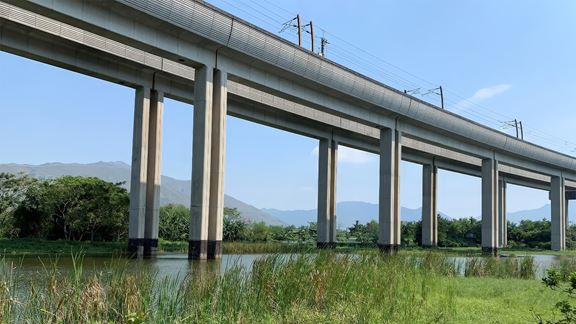
Ecological monitoring of MTR Kam Tin Wetlands, Hong Kong
Long-term monitoring of Tuen Ma Line wetlands shows how thoughtful infrastructure mitigation can foster thriving, biodiverse habitats in urban Hong Kong.


Change your location to view content tailored for you.
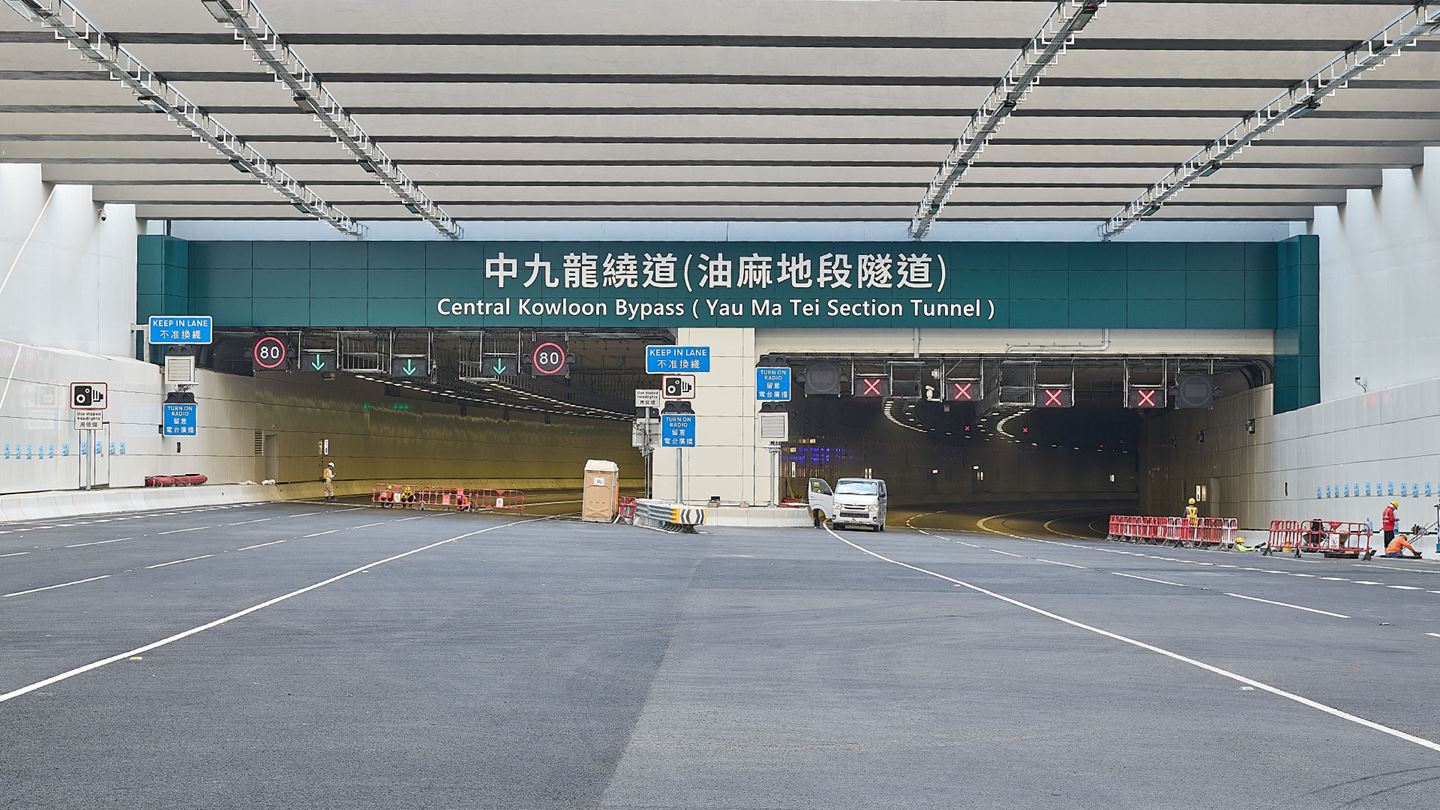
Hong Kong’s urban landscape has been reconfigured through the completion of the Central Kowloon Bypass (Yau Ma Tei Section), creating a more integrated spatial connection between East and West Kowloon. This project relieves the highly congested traffic between the Yau Ma Tei Interchange in West Kowloon and the Kai Tak Interchange in East Kowloon, fundamentally altering the flow of the city's traffic corridor.
At the helm of this complex project is Aurecon, contracted by Bouygues Travaux Publics (BTP) to oversee crucial aspects of the design and assessment process for the Central Tunnel portion.
Spanning 4.7 kilometres, this dual three-lane trunk road is designed to address Kowloon's pressing traffic congestion issues and meet future transportation demands. The route incorporates 2.8 kilometres of Central Tunnel constructed using the drill-and-blast methods, requiring about 2,400 controlled blasts under 240 structures including hospitals and schools. The team used drill-and-blast method under MTR lines to minimise impacts, complemented by cut-and-cover tunnels in Yau Ma Tei and Ma Tau Kok, three ventilation buildings and one administration building.
Aurecon’s multifaceted role encompasses detailed design of tunnel and cavern temporary supports for the Central Tunnel portion, the Ho Man Tin Ventilation Building raft footing, noise enclosures, as well as conducting comprehensive blasting impact and construction impact assessments on existing structures affected by the Central Tunnel.
Aurecon's expertise also extends to geotechnical interpretation, ensuring the project's successful execution in Hong Kong's challenging urban environment.
The Central Kowloon Bypass (Yau Ma Tei Section) stands as a testament to innovation, perseverance, and collaborative effort
in urban infrastructure development.
Navigating Hong Kong's dense urban landscape presents numerous challenges. The project threads through one of the city's oldest and most populous areas in the world, skirting high-risk locations such as hospitals, gas stations, and reservoirs. It intersects with four operating MTR lines, at one point coming within a mere three meters of existing infrastructure. The project scope impacts over 200 buildings and structures, many of which are ageing and lack proper documentation.
The route also encounters both freshwater and saltwater service reservoirs, and traverses two major fault zones, including a lengthy soft-ground section, along the main Central Tunnel.
To overcome these obstacles, Aurecon's team has implemented innovative solutions. These include our in-house blast assessment program with 3D visualisation for more accurate predictions, the relaxation of settlement limits for reservoirs to maximise construction productivity, and the introduction of a pilot TBM option for early ground condition assessment. These challenges have been encountered and overcome through close collaboration from BTP and the client representative, without compromising public safety.
The Central Kowloon Bypass (Yau Ma Tei Section) significantly reduces east-west travel time across Kowloon. The new route promises to slash peak-hour journeys between West Kowloon and Kowloon Bay from 30 minutes to mere 5 minutes, alleviating traffic congestion and enhancing regional connectivity.
The Central Kowloon Bypass (Yau Ma Tei Section) stands as a testament to innovation, perseverance, and collaborative effort in urban infrastructure development. Under the client’s guidance with Aurecon’s support, this project is set to become a landmark achievement, reshaping urban transit in Hong Kong and setting new standards for complex engineering projects in densely populated urban environments.
Long-term monitoring of Tuen Ma Line wetlands shows how thoughtful infrastructure mitigation can foster thriving, biodiverse habitats in urban Hong Kong.
Aurecon delivers a transformative integrated structural design for ONE SOHO, a vibrant entertainment hub and residential hub in Hong Kong.
AEC designed an ecological enhancement wetland to offset habitat loss and disturbances from the construction and operation of Lok Ma Chau Spur Line.