Fanling Golf Course Environmental Enhancement, Hong Kong
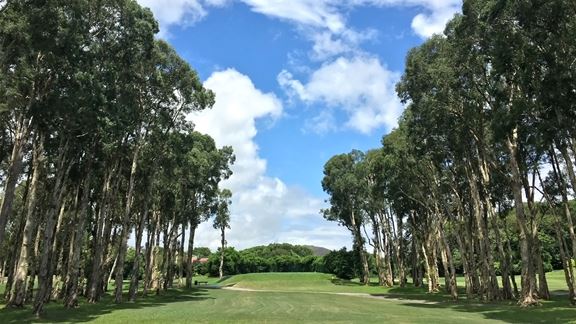
Aurecon's ecologists conduct surveys and species monitoring at Fanling Golf Course to help preserve critical wildlife habitats in Hong Kong's lowland areas.


Change your location to view content tailored for you.
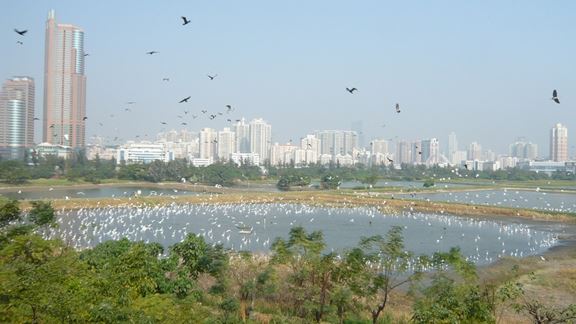
Hong Kong is famous for its urban landscape and vibrant nightlife. However, Hong Kong also has an abundance of natural beauty, created through a strong focus on the restoration and preservation of wetlands and marsh areas.
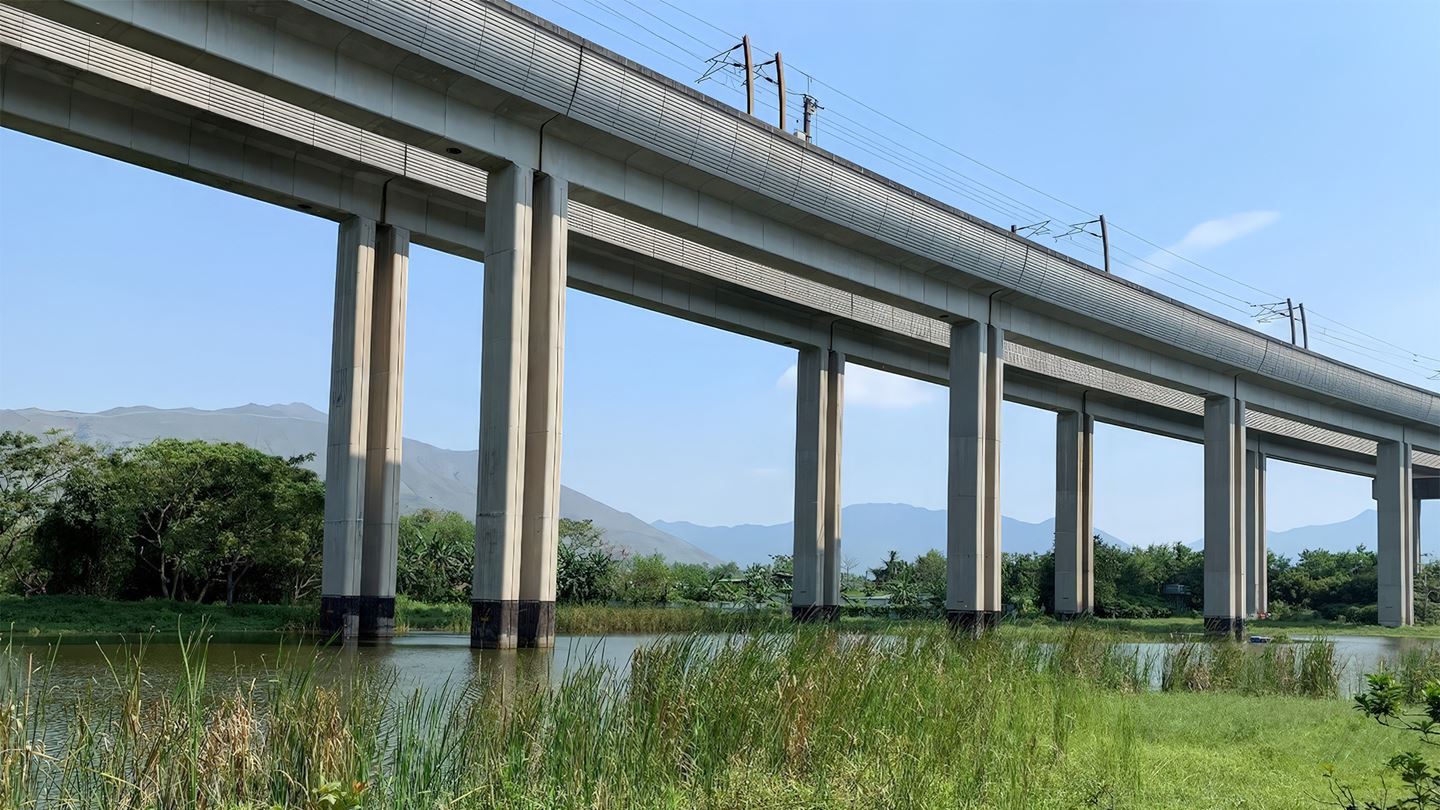
AEC, a member of the Aurecon Group, has been the long-term adaptive conservation management advisor to MTR for preservation of wetlands created alongside the Tuen Ma Line (between Nam Cheong to Tuen Mun Station) when it was constructed.
A series of mitigation wetlands, comprising in total 12 hectares, was created along the railway in the Kam Tin area to compensate for loss of freshwater wetland habitats during construction of the rail line. Creating functional wetlands adjacent to railway infrastructure presented unique engineering and ecological challenges that required specialised expertise to overcome.
Following the creation of the mitigation of wetlands, AEC was appointed to undertake long-term ecological monitoring. This role entails a review of visual survey data (regarding species occurrence), habitat quality, and water levels at regular intervals.
Aurecon also helped coordinate and supervise habitat management activities associated with the wetlands – such as control of water levels and vegetation management – ensuring they continue their important role in Hong Kong’s biodiversity.


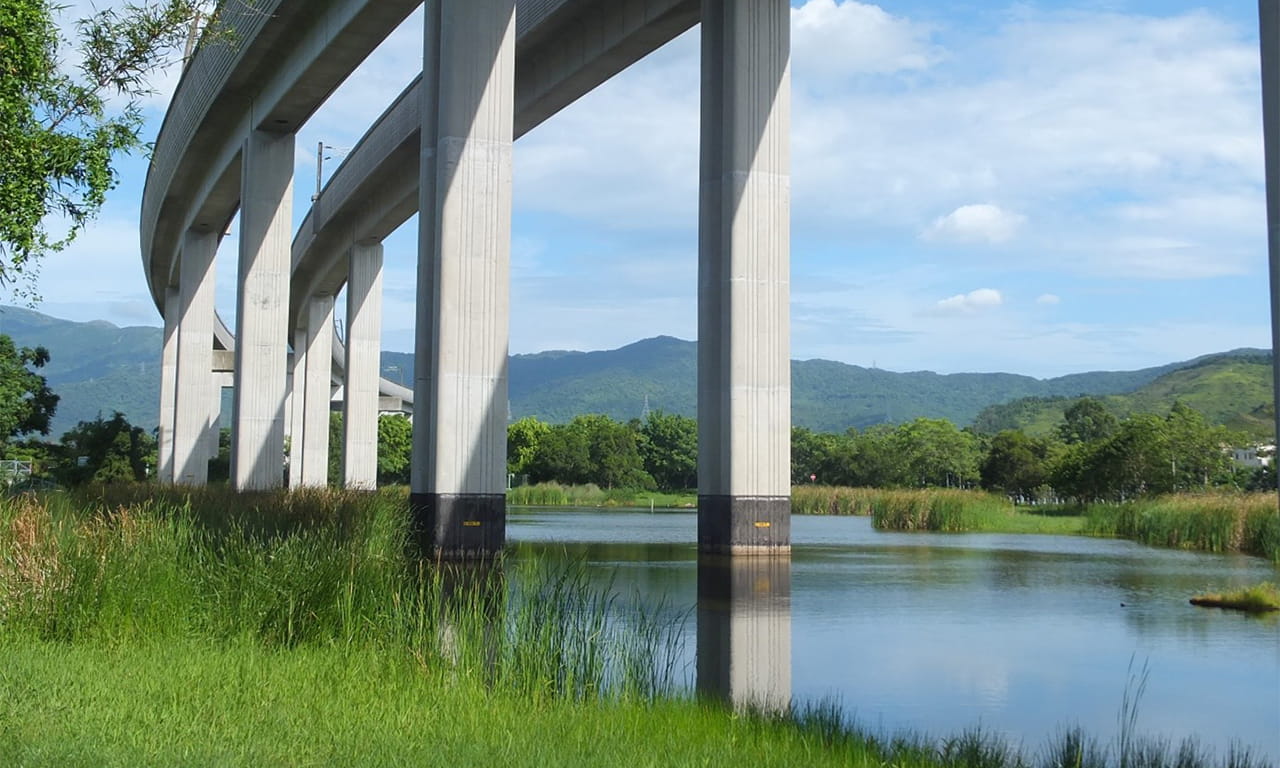
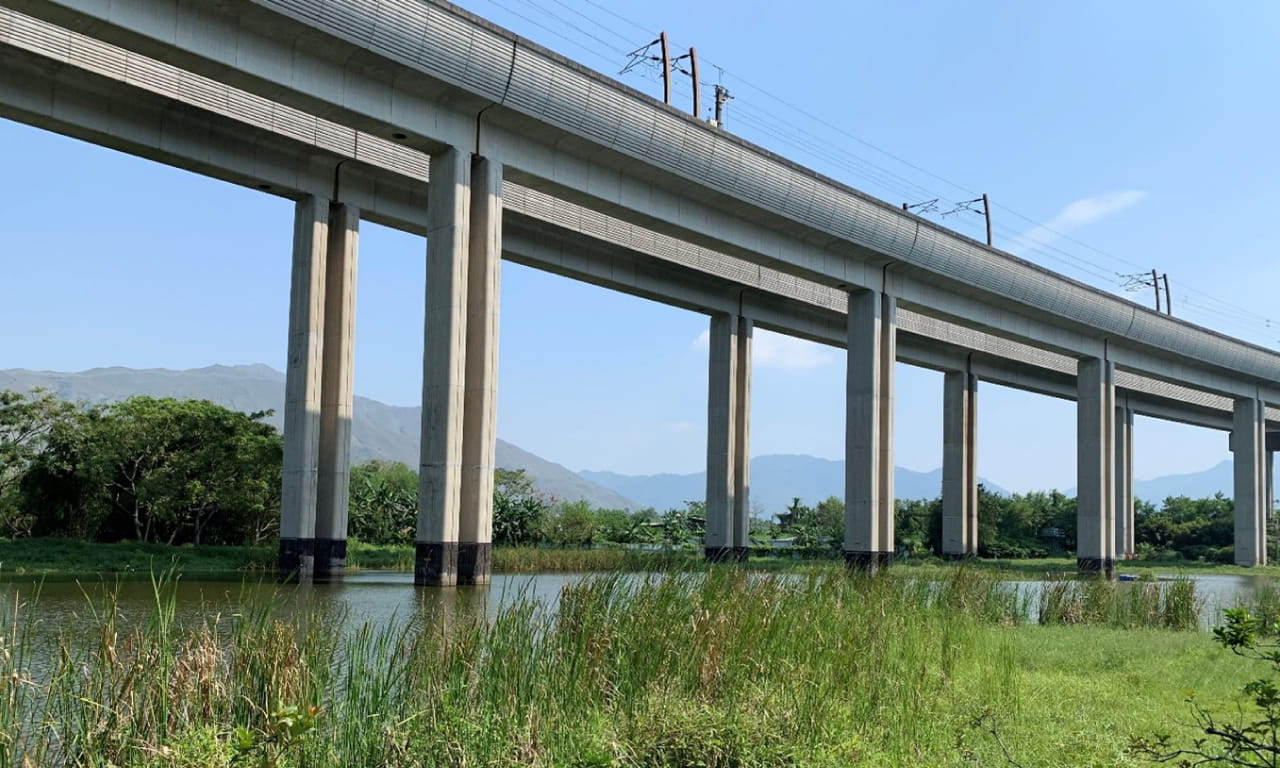
Through this programme, these wetlands have become well-established, providing habitats for a wide range of wetland-dependent wildlife, from birds and dragonflies to amphibians and reptiles.
Aurecon’s measures support MTR’s ongoing investment in the abundant resources that thrive in the area, to manage the wetlands and improve facilities. This sustainable approach also ensures the wetlands continue to enhance Hong Kong’s ecological diversity and provide vital habitats for its wild animals and plants, contributing to Hong Kong’s overall environmental goals and biodiversity conservation targets.
The project demonstrates how thoughtful environmental stewardship can transform infrastructure mitigation requirements into valuable natural assets that benefit both wildlife and the broader community.
Aurecon's ecologists conduct surveys and species monitoring at Fanling Golf Course to help preserve critical wildlife habitats in Hong Kong's lowland areas.
AEC designed an ecological enhancement wetland to offset habitat loss and disturbances from the construction and operation of Lok Ma Chau Spur Line.
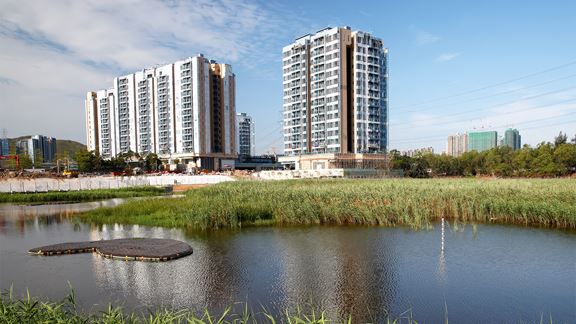
Hong Kong's Park Yoho residential development features a large wetlands restoration, supporting 180+ wildlife species, fostering biodiversity for a self-sustaining ecosystem.