PARK YOHO Wetlands Restoration, Hong Kong
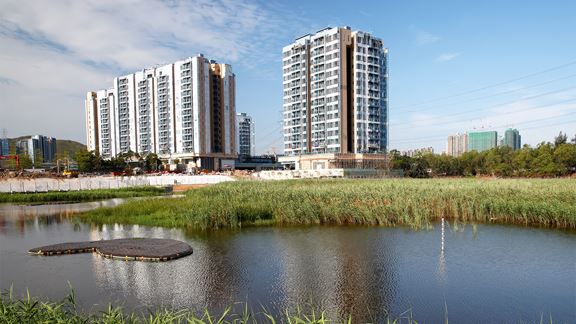
Hong Kong's Park Yoho residential development features a large wetlands restoration, supporting 180+ wildlife species, fostering biodiversity for a self-sustaining ecosystem.


Change your location to view content tailored for you.
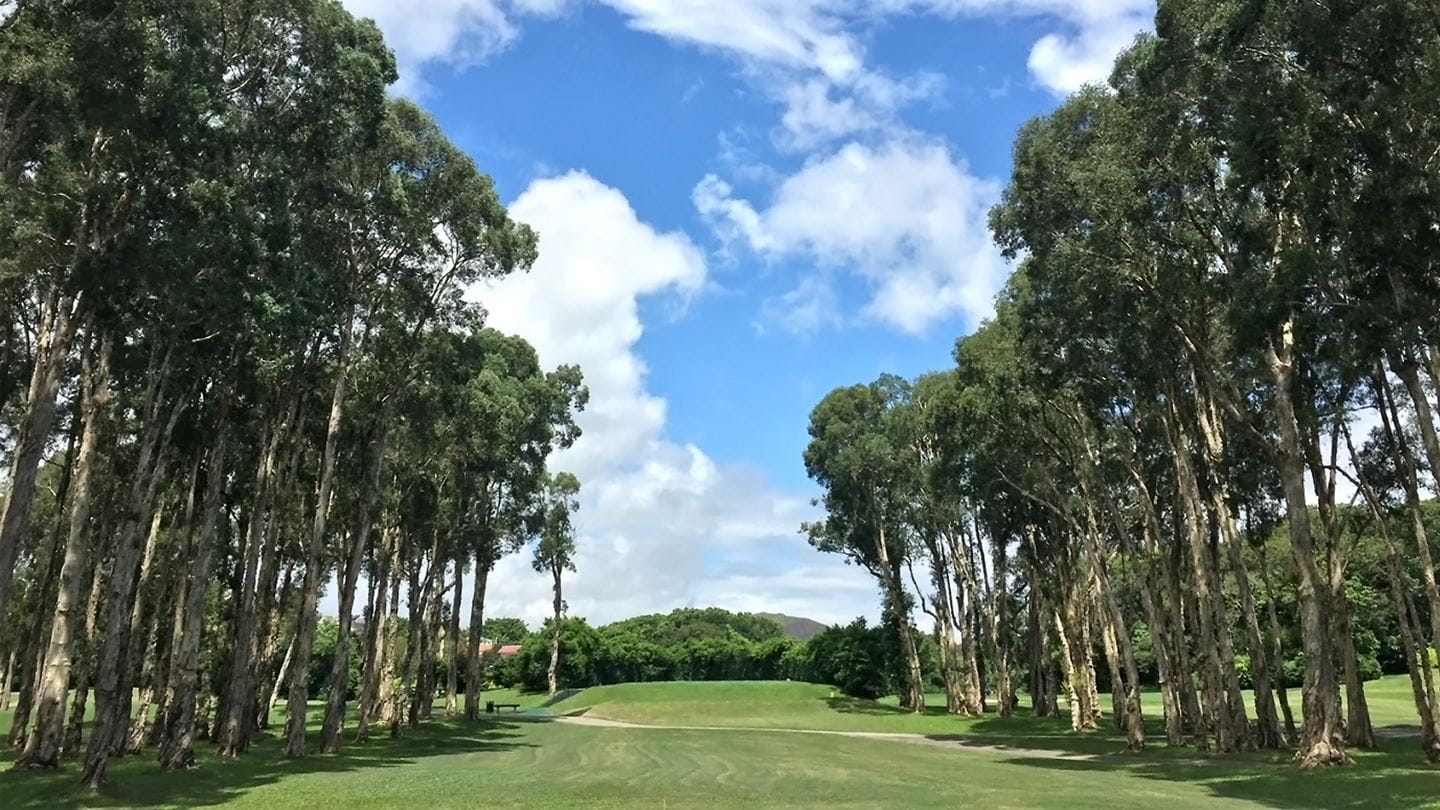
Hong Kong’s lowlands are typically the areas where most urbanised development occurs, with a flat profile and access between urban centres. The Fanling Golf Course, located in the territory’s northern lowlands close to the border with Mainland China, serves as a crucial habitat for numerous endangered species. Its development has been deliberately minimised to preserve these ecologically important wildlife areas.
AEC, a member of the Aurecon Group, is the golf course’s long-term consultant, conducting regular ecological surveys and species monitoring to document the ongoing presence of wildlife and biodiversity.
The area, a total of 172 hectares, is home to a diverse suite of wild animals and plants. This includes the critically endangered Chinese Swamp Cypress, with wild population of the species estimated to be as low as 250.
A specific woodland area for this species has now been created for its ongoing management and protection. This approach of preserving biodiversity while maintaining world-class facilities is setting a benchmark in sustainable golf course management.
Aurecon’s ecologists, using cutting-edge remote sensing techniques and infrared automatic cameras, have recorded many species new to the site, such as the Japanese Night Heron. The use of remote devices is a non-invasive method to track and record wildlife species and movements, allowing research to be extensively conducted over long time periods and in multiple locations simultaneously.
This has contributed to Hong Kong deepening its understanding of the wild animals native to the country, and the biodiversity habitats that support their survival and reproduction.


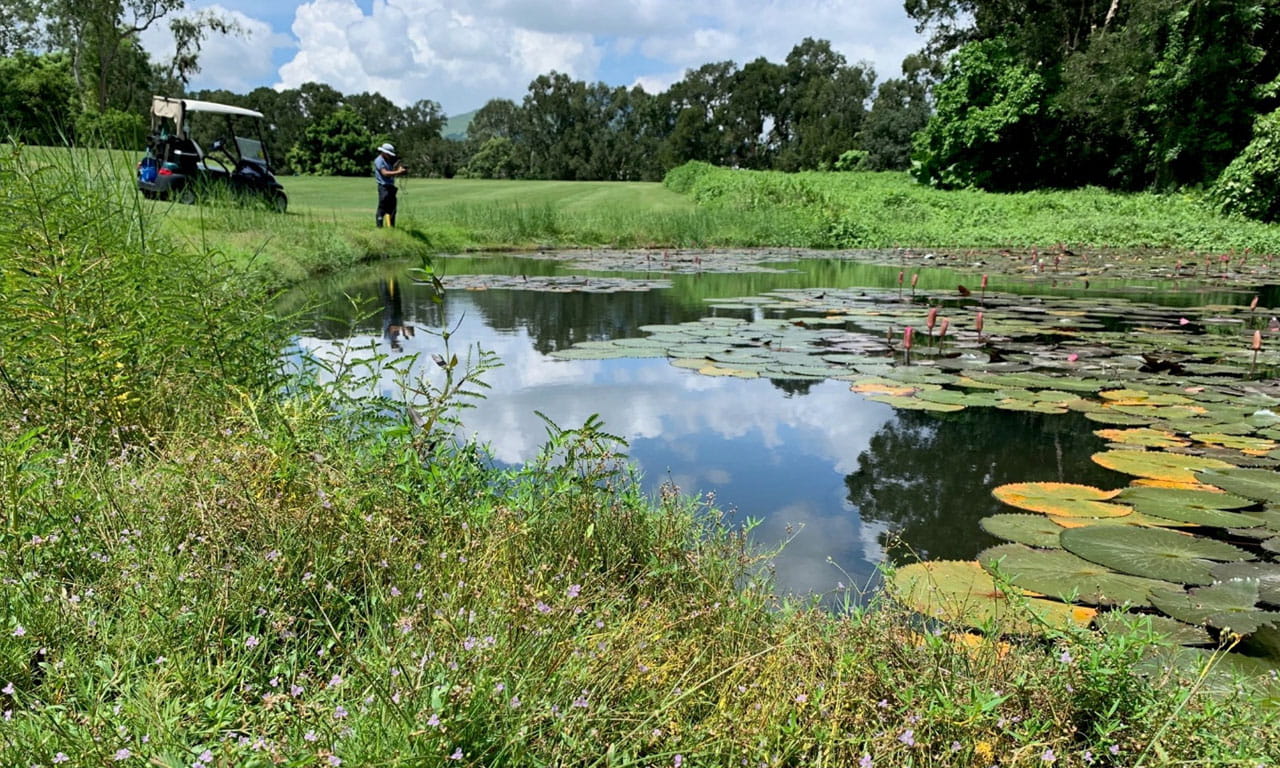
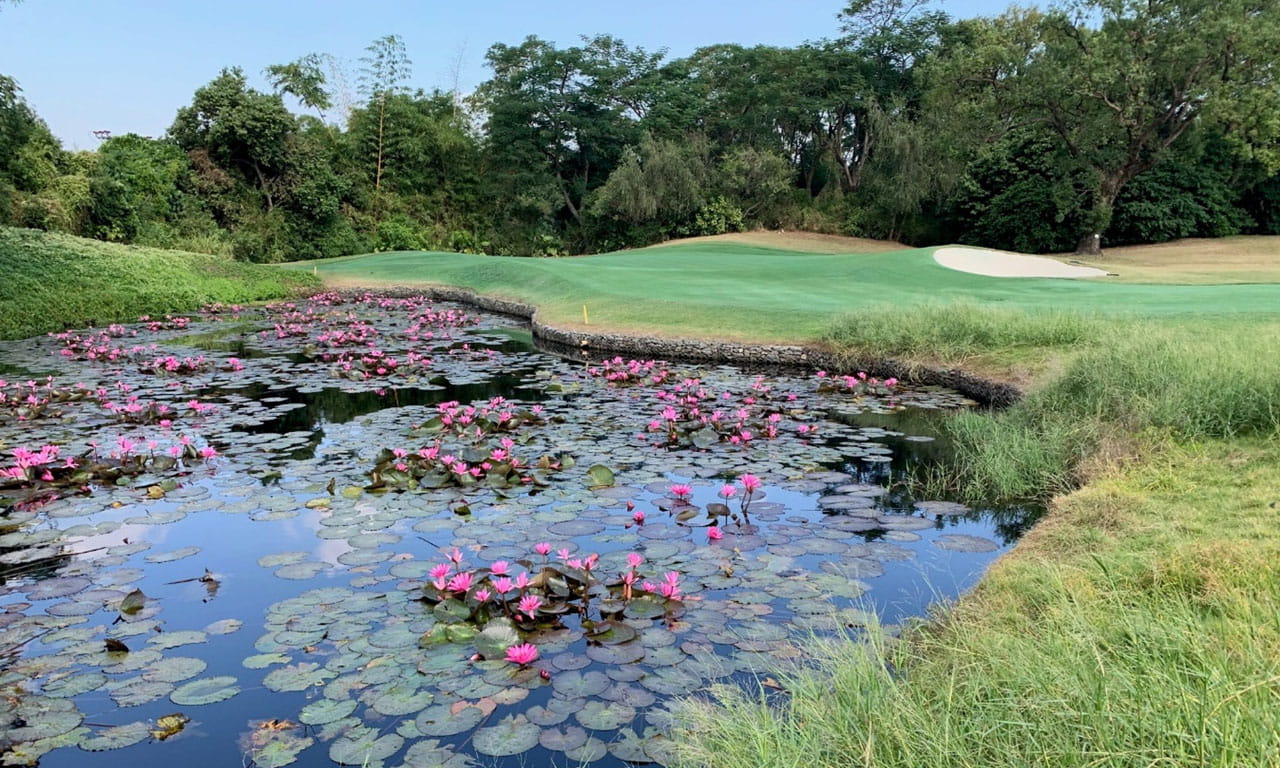
In addition to undertaking the wildlife surveys, Aurecon assisted the Hong Kong Golf Club to achieve full certification in the Audubon Cooperative Sanctuary program. This internationally recognised program acknowledges golf courses that are demonstrating commitment to environmental stewardship by increasing wildlife habitat areas.
To be eligible for the program, the golf course increased its adoption of wildlife habitat management practices with our support. A specific butterfly garden is home to more than 100 different species. Bird nesting boxes and bat roosting boxes were installed, and additional ponds and water features created for wildlife to nest and rest.
These practices are directed by an environment oversight committee to ensure that wildlife and plants continue to be protected and preserved at the golf course now, and into the future.
Hong Kong's Park Yoho residential development features a large wetlands restoration, supporting 180+ wildlife species, fostering biodiversity for a self-sustaining ecosystem.
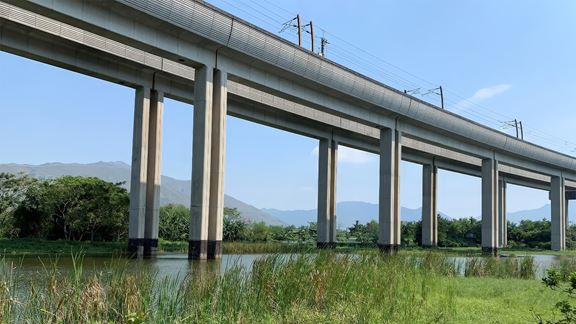
Long-term monitoring of Tuen Ma Line wetlands shows how thoughtful infrastructure mitigation can foster thriving, biodiverse habitats in urban Hong Kong.
Aurecon delivers a transformative integrated structural design for ONE SOHO, a vibrant entertainment hub and residential hub in Hong Kong.