Western Harbour Tunnel, Sydney, NSW, Australia
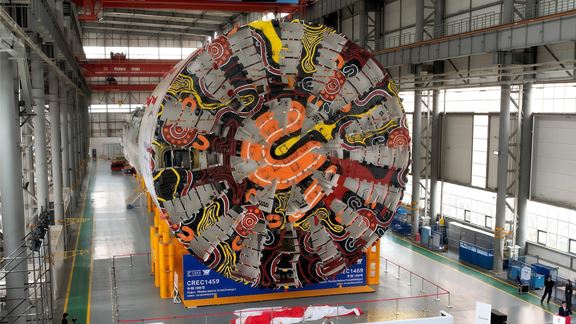
Aurecon is transforming Sydney Harbour, replacing dredging with TBM tunnel engineering to deliver a faster, safer and more sustainable second harbour crossing.



Change your location to view content tailored for you.
There is a saying by residents of Queensland, Australia: it’s beautiful one day, perfect the next.
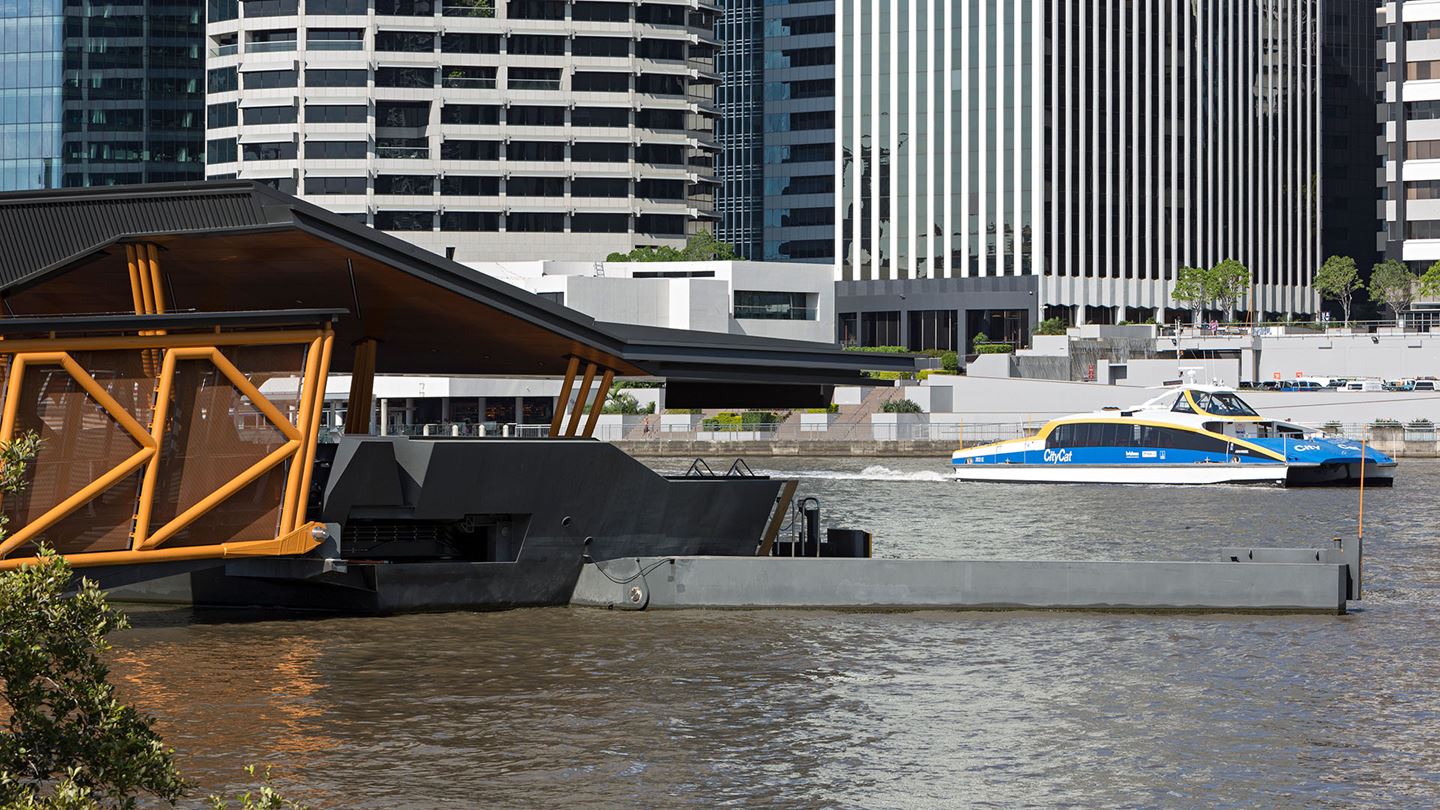
But for some Brisbane residents (the state’s capital city), beauty turned to anguish when the mighty Brisbane River broke its banks on 12 January 2011, inundating thousands of homes, disrupting lives and businesses. This extreme weather event severely damaged or destroyed seven of Brisbane’s ferry terminals.
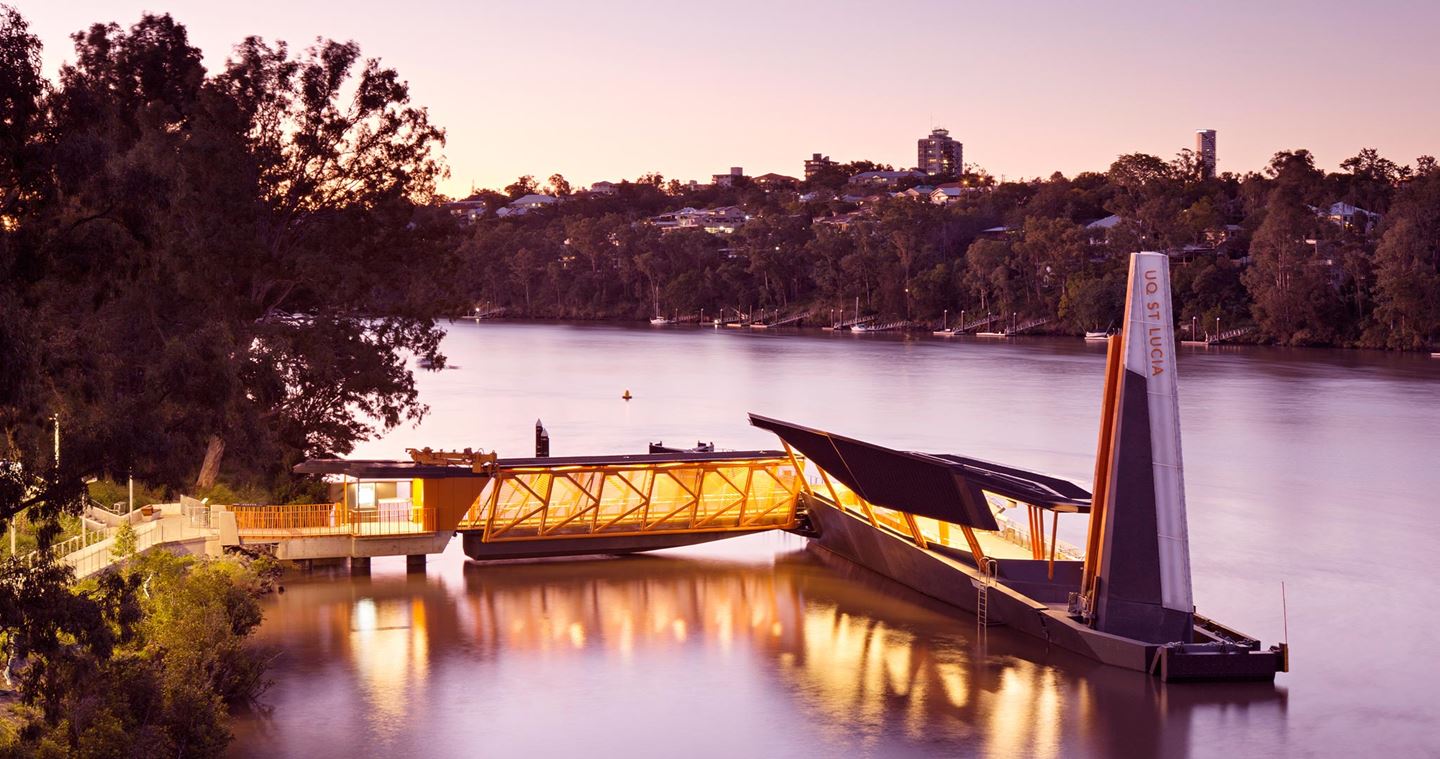
In August of the same year, Aurecon and Cox Architecture won an open design competition which attracted 65 submissions from around the world to design new ferry terminals that would be more resilient to flood events and fully accessible to all passengers.
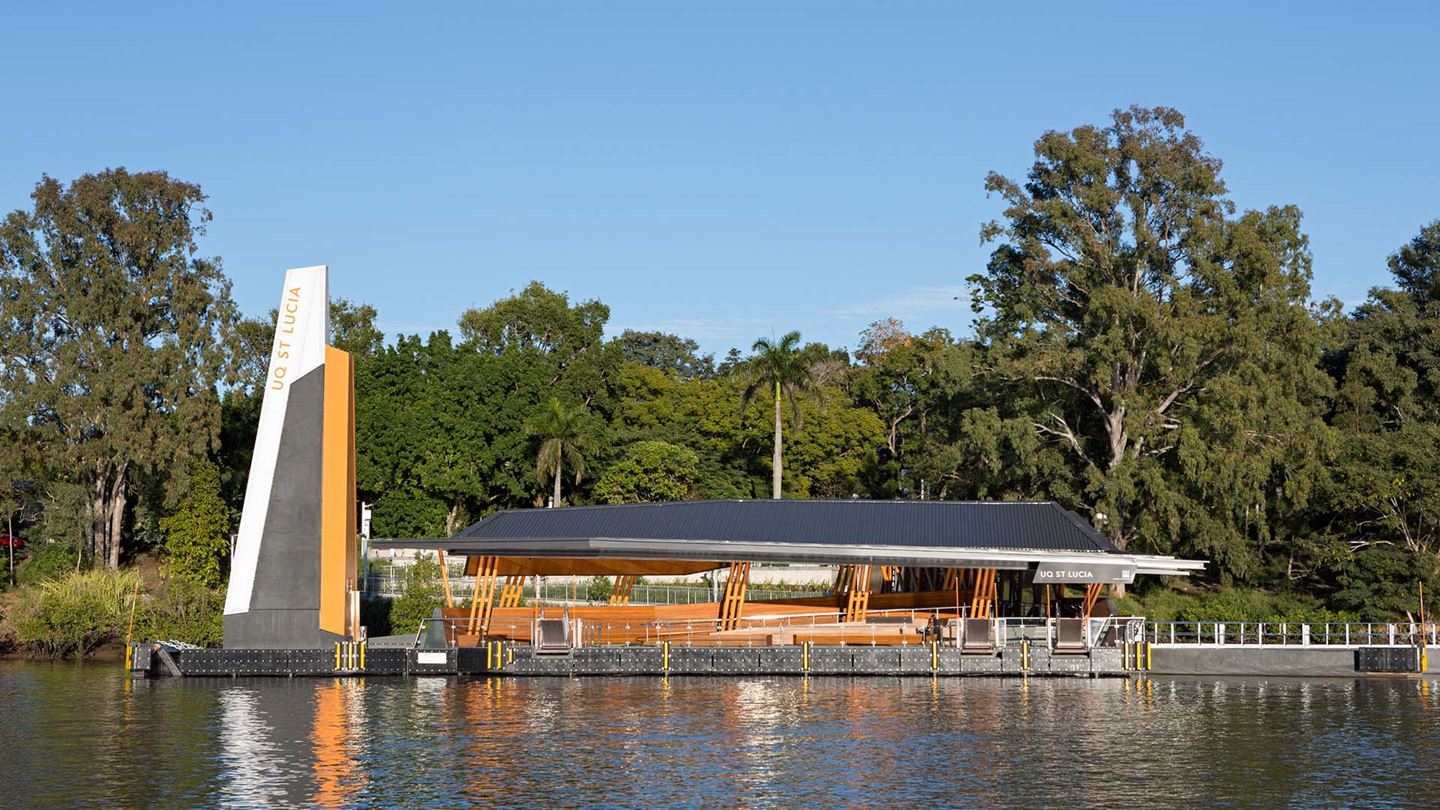
What began as a project to replace damaged infrastructure became a bold design concept to transition from previous ferry terminal design convention to improve aesthetics, flood resilience and accessibility for all. The design ushers in a new generation of terminals that enhance people’s connection with the main waterway through Brisbane, integral to everyday life in this capital city. Aurecon delivered all design elements including: maritime, industrial, mechanical, structural, services, lighting and geotechnical engineering.
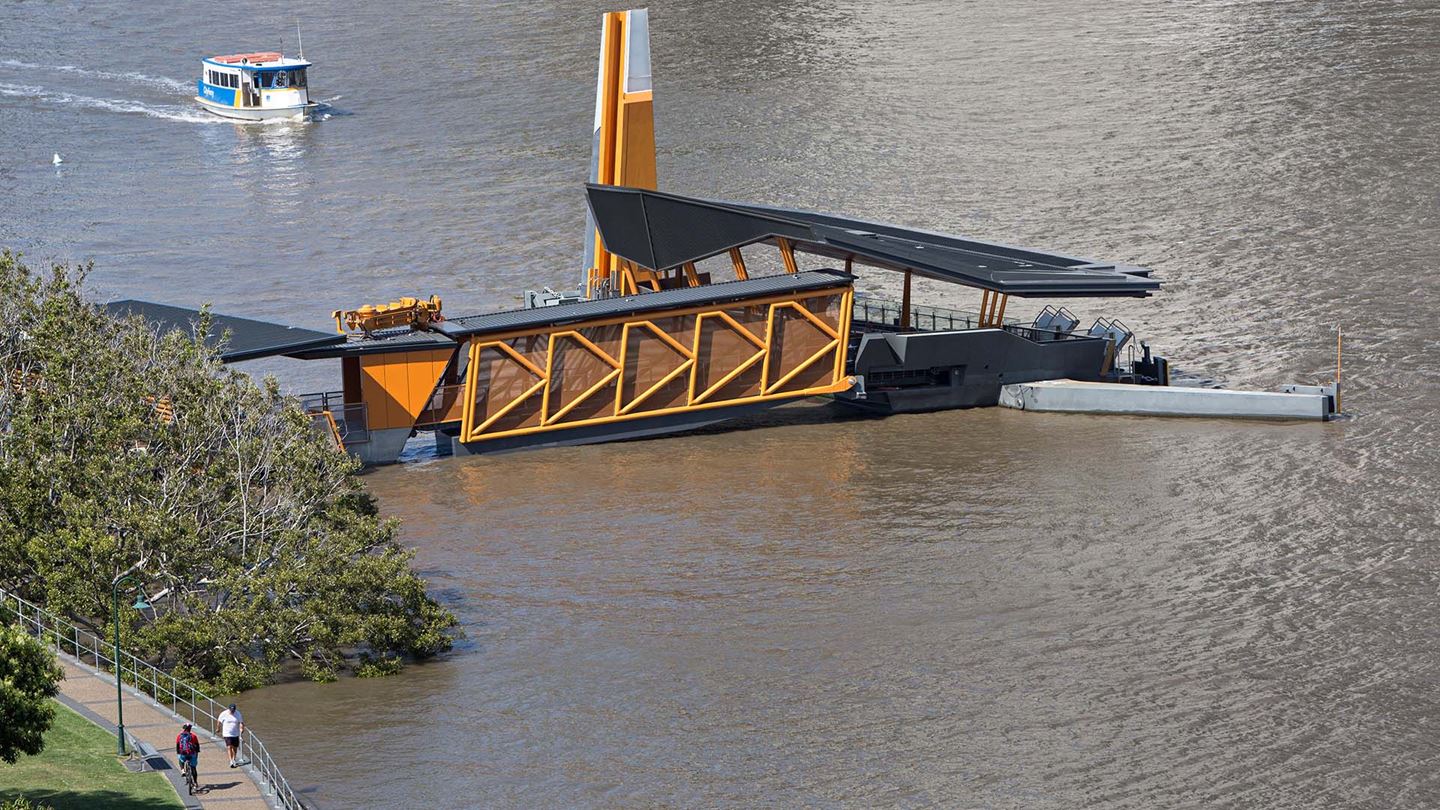
Less than seven years after the terminals were originally constructed, the Brisbane River experienced a flood event in early 2022. The way the network infrastructure responded to this event demonstrated the success of the flood resilient concepts. Gangways automatically detached and floated, while the single piers securely tethered the pontoons during the flood and deflected significant flood-borne debris.
This video explains how Brisbane's new generation of flood resilient ferry terminals work.
The flood event in 2022 presented a significant learning opportunity regarding how the infrastructure, mechanics and the way individual components function. Aurecon worked closely with Brisbane City Council during the terminals' recommissioning to fine-tune the terminals' performance to become even more resilient to future flood events.
The design objectives of the new generation of ferry terminals designed by Aurecon and Cox Architecture delivers to the community:
The challenge of integrating these competing design objectives required deep collaboration between the maritime, industrial, mechanical and architectural disciplines. The depth of this collaboration is at the core of the project’s many innovations.


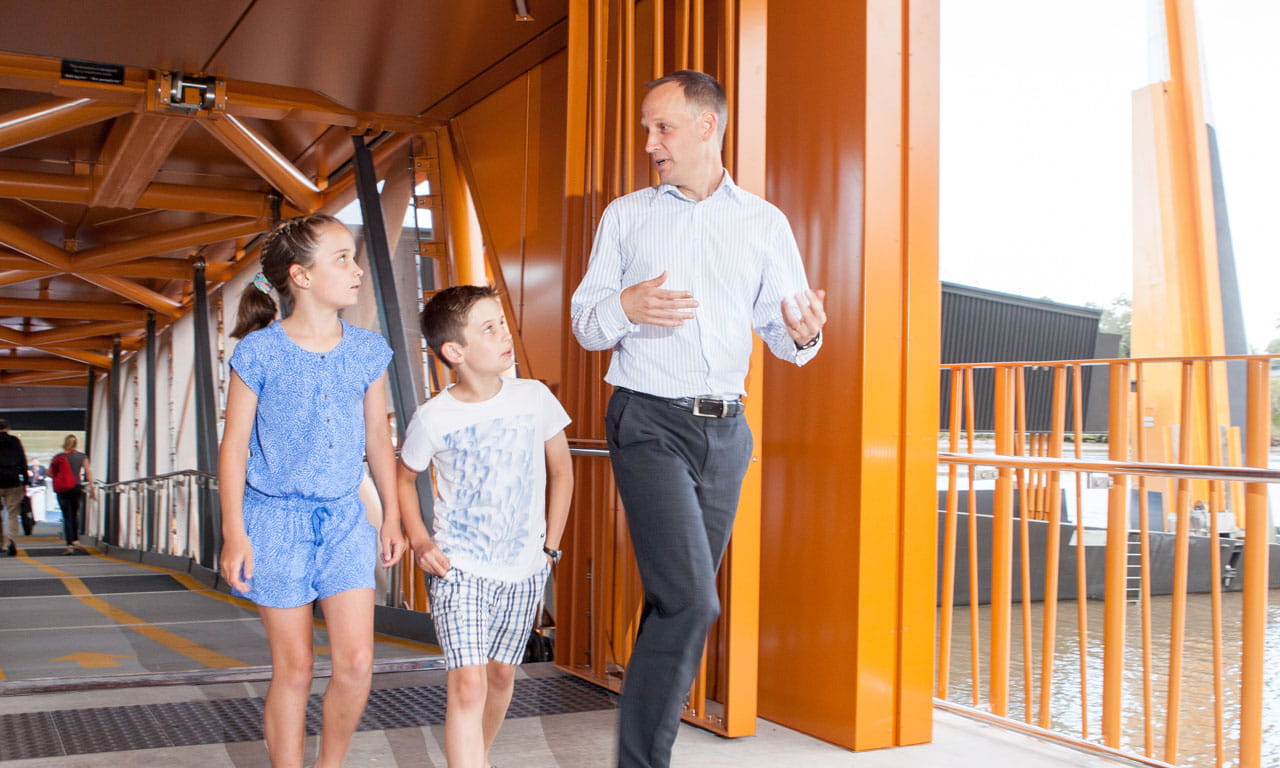
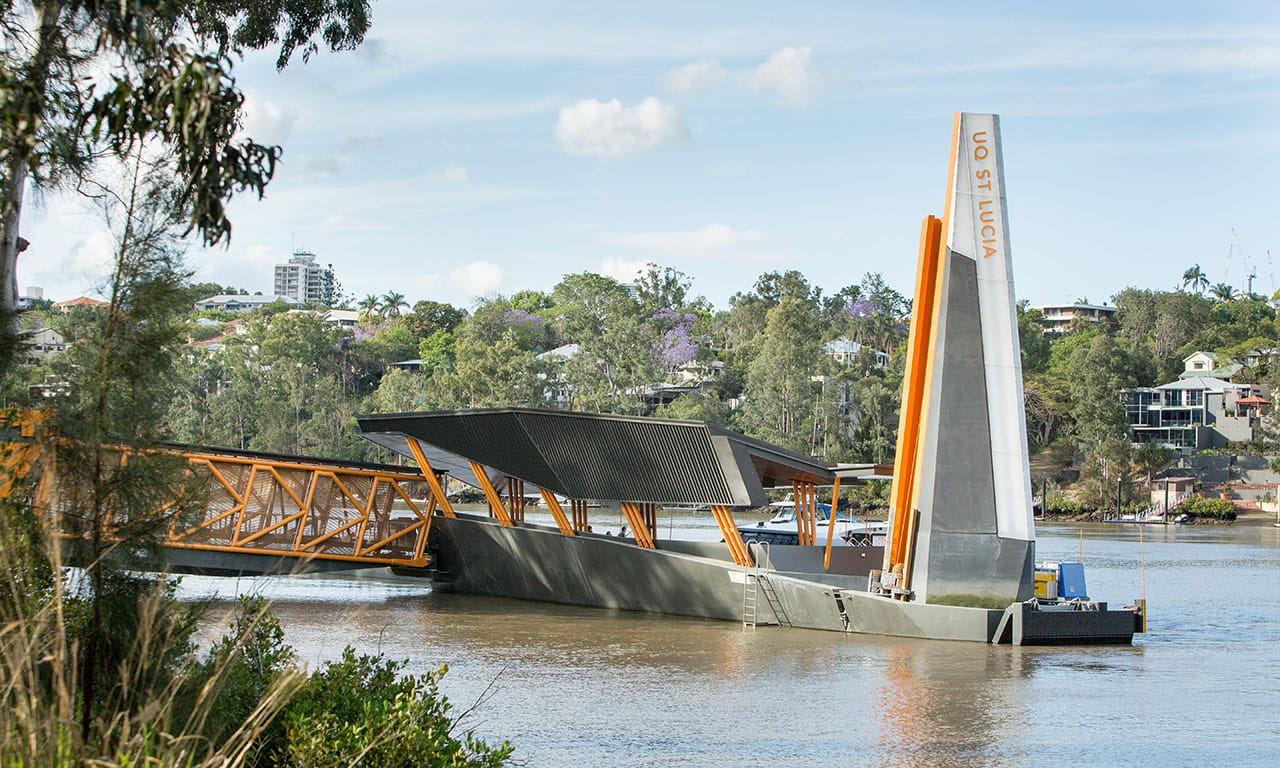
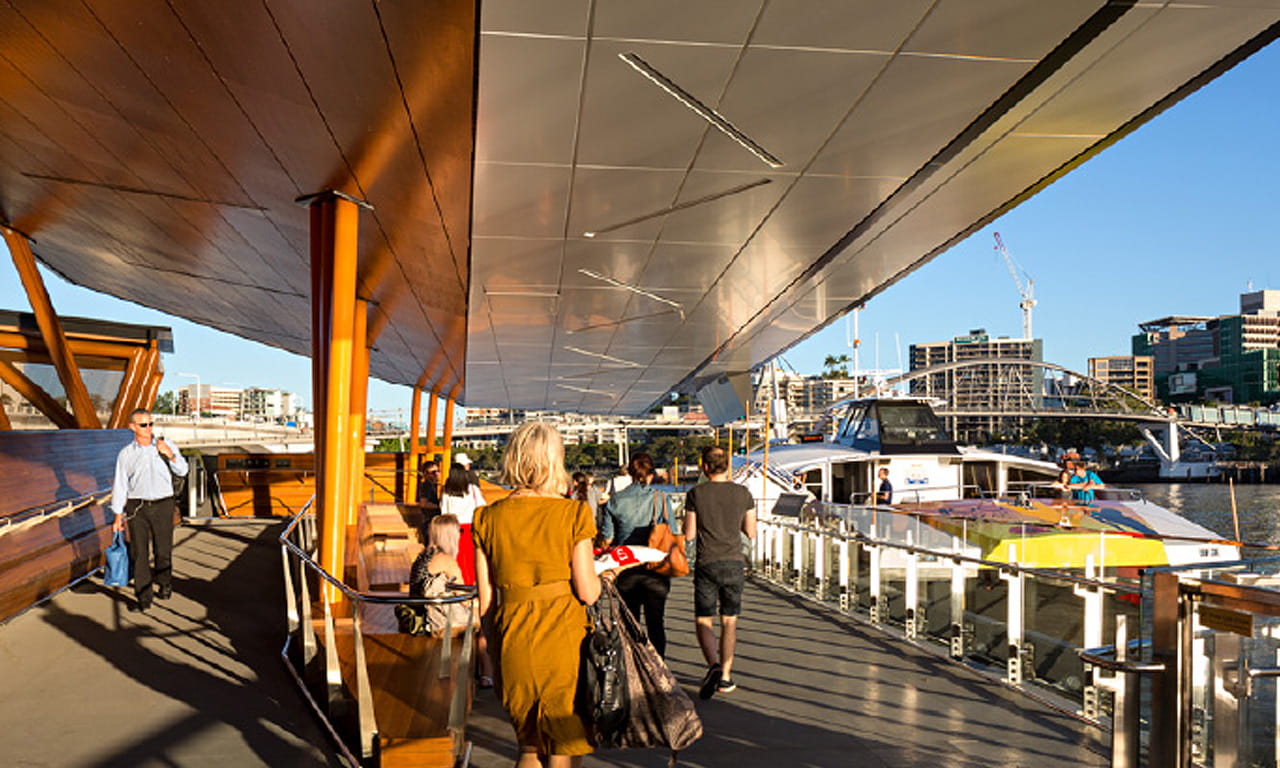
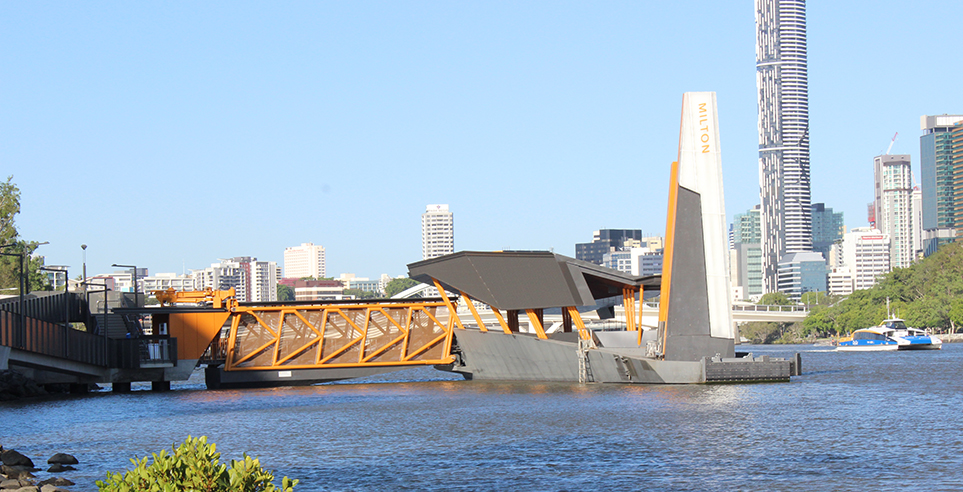
These new generation ferry terminals stretch conventional boundaries. They incorporate world leading flood resilient technology which means the terminal can be returned to operation after a flood event.
Each terminal deflects debris away from the pontoon, whilst also providing primary restraint of the pontoon. An upstream fender absorbs flood impact and deflects objects to prevent significant damage.
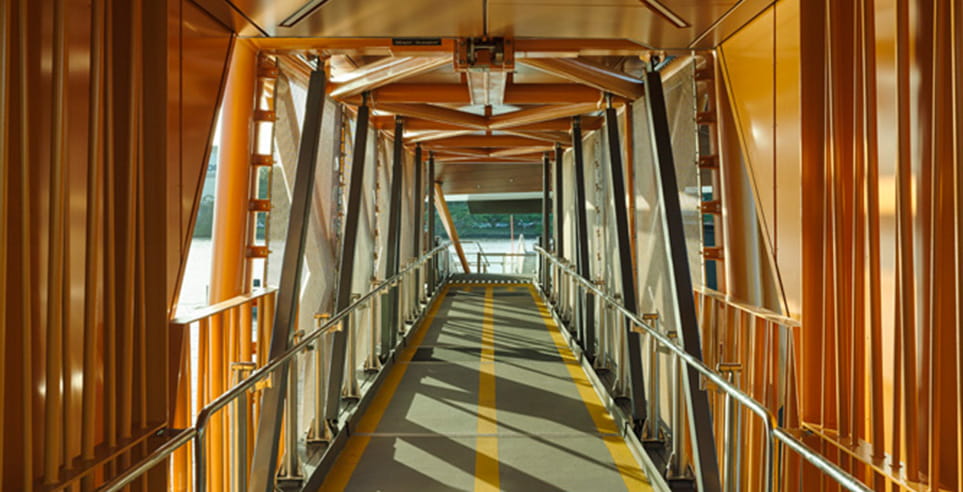
During a flood, the gangway uses the floodwaters to become buoyant, lifting off its pin and rotating away from the river to allow debris to pass through. After flood waters recede, it is rotated back into position. A chain connected to an underwater pile secures the downstream arm. The pontoon’s boat shaped hull makes it more resilient by minimising flood drag force.
Believed to be a world first (at the time of original construction) for compliant disabled access, the unique gangway mechanics maintain level intermediate landings throughout the tidal range. An innovative hanging floor within the gangway structure uses pinned parallelogram frames which can rotate and are connected to fixed triangular frames that maintain their installed level regardless of how the internal structure moves.
Now everyone can enjoy the iconic Brisbane River and travel by ferry, in addition to the city benefiting from resilient terminals that can return to use after a flood.
This resilience is representative of communities being able to have resilience of waterway transportation, an example to other cities of what may be possible for their infrastructure to return to use after extreme weather events.
The engineering and architectural outcomes on this iconic Brisbane project were amplified with digital engineering tools that enabled collaboration between multidisciplinary specialists.
For the designers to convey the engineering intent using 2D drawings would have been time-consuming.
Using 3D visualisation engineers, architects and Brisbane City Council could understand how all the intricate parts of the solution came together, and how the essential engineering elements could be designed to form part of the architectural statement. It also identified any potential clashes between infrastructure and services that were addressed early, long before construction began.
The engineering structure is visible, so controlling the shape and the size of elements was important from an architectural perspective. By interpreting the visual models, Aurecon and Cox Architecture could see what impact any design change would have on this balance.
One example is the detachable gangways that, as Aurecon understands, uses one the world’s thickest aluminium hollow tubes. By using this material, the gangways are lightweight enough to float, yet strong and durable enough to support the pontoon, while at the same time be architecturally pleasing and able to withstand the harsh marine environment.
The terminals are integrated and linked across eight socially and environmentally different landscapes, and passengers can return to using ferry transport after a flood. The result is an elegant flood resilient design for Brisbane City Council’s public transport infrastructure and something that can adopted by any ferry terminal network around the world, particularly those subject to flooding.
We hope these terminals will become synonymous with Brisbane’s forward looking attitude to the design of public transport infrastructure and enhance commuters’ experience of and connection to the city’s key natural feature – its river.
The project has won the following awards:
Aurecon is transforming Sydney Harbour, replacing dredging with TBM tunnel engineering to deliver a faster, safer and more sustainable second harbour crossing.
Aurecon's active transport design expertise supports TfNSW to create a seamless, unobtrusive, step-free ramp and cycleway across Sydney Harbour Bridge.
Aurecon's study guided Goulburn Valley Water to identify pathways to a renewable hydrogen ecosystem and support a clean energy transition in regional Victoria.