Technology solutions combined to magnify benefits
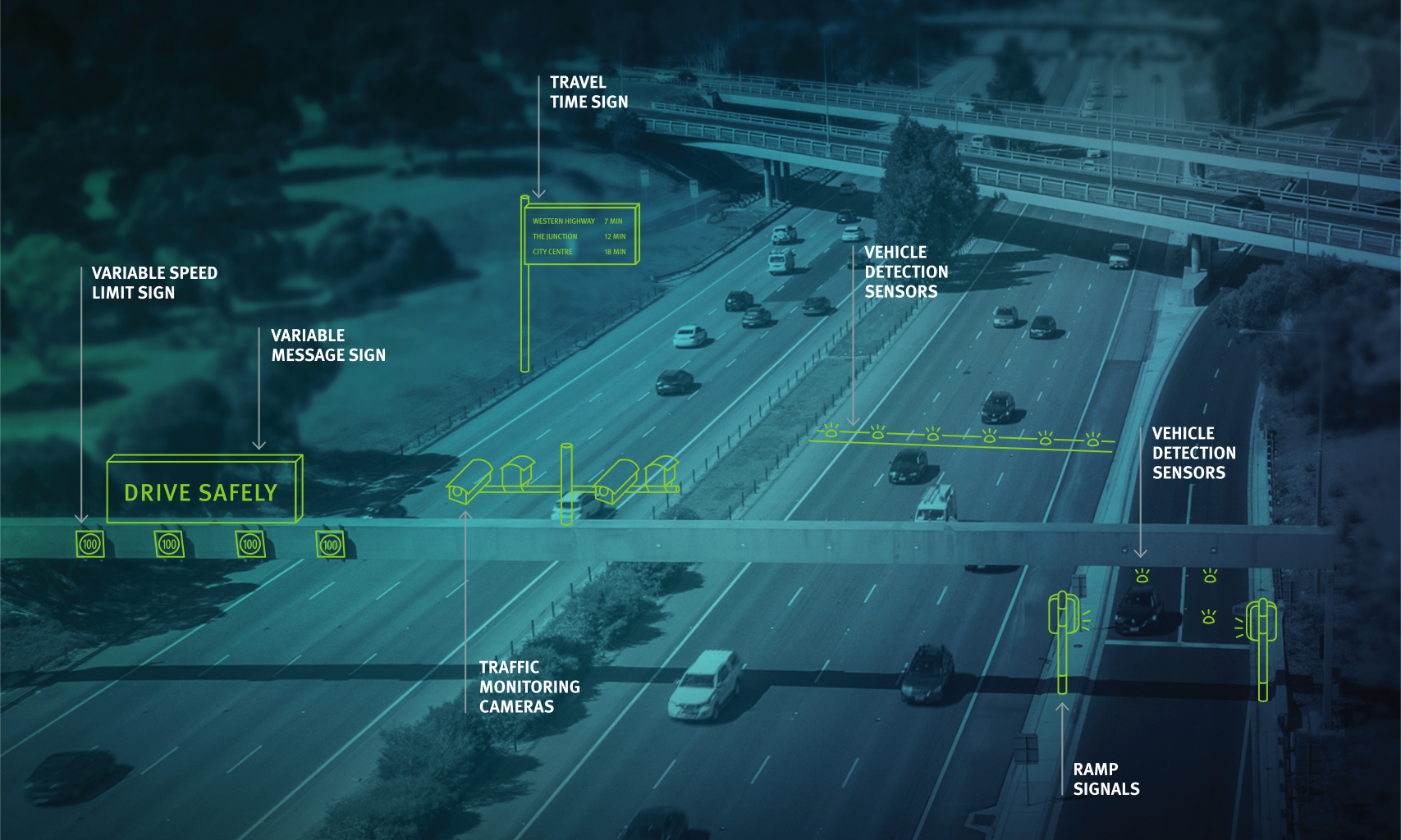
The ‘smart’ really comes into its own when the traffic systems talk to each other and automatically adjust to incidents and congestion. When solutions are combined, benefits are amplified.
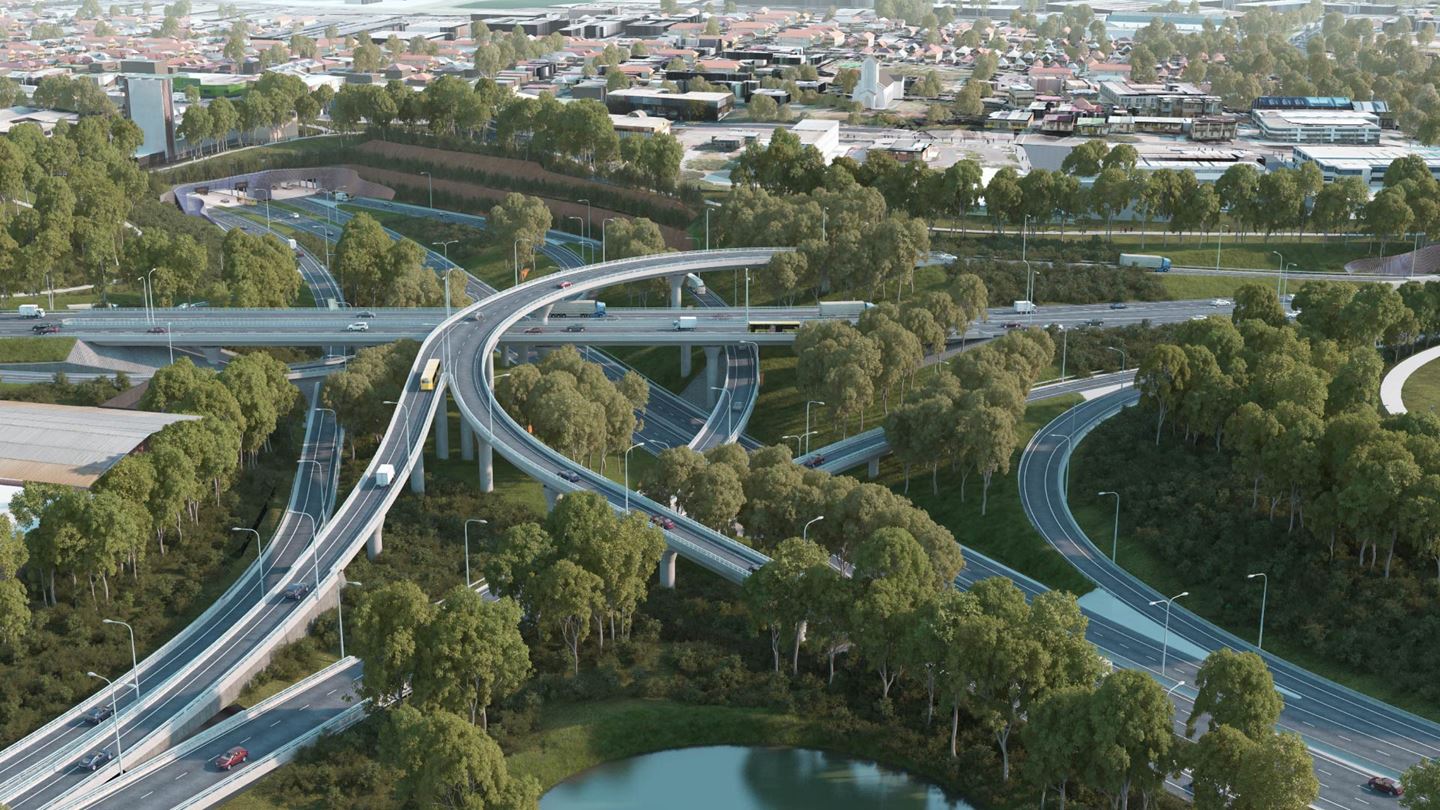
As an example, Transport for NSW is building flexibility into the planning and design of its transport infrastructure projects for emerging technologies. This flexible modern approach is being incorporated into the M4 Smart Motorway with design standards to support digital connectivity and automation.
Congestion on a motorway is inevitable when traffic volumes exceed the capacity of the road. With digital traffic management systems, the onset of congestion can be delayed and reduced.
One such way is the implementation of predictive algorithms or machine learning which enables road operators to provide proactive management of motorways to maintain stable traffic conditions or minimise the occurrence of traffic flow breakdown during peak periods.
In the future, virtual vehicle management systems in the form of smartphone apps and in-vehicle systems could significantly enhance the movement of vehicles by using data and information from the smart motorway system. For example, a motorist might be able to receive a graphical interface, real-time audio alert detailing the location and type of incident ahead, plus the expected travel delay.
The shift in thinking
In Australia and New Zealand, there is a combination of mega projects, consideration of how existing infrastructure can be optimised and further developed, and there are opportunities to make a change through new greenfield sites. Today, there is also an increasing reliance on new technologies to optimise the performance of existing motorways.
We expect to see more of these technologies installed in future years, given the benefits of the technology, and the fact that governments have finite budgets for new infrastructure construction. The technology is getting to the point where it is making a serious difference in tackling the mega transport challenges facing our cities.
There are significant environmental and economic benefits to optimising existing infrastructure. Cost is the first. Funding is required to invest in smart motorway applications and retrofit to motorways that are already built, however, the cost will never surpass the capital expenditure required for a new motorway.
In this age of conservation and environmental management, the inbuilt sustainability of optimising an existing road is being developed and extended to produce a variety of environmentally sustainable options. There is also a range of successful examples that address the use of sustainable or recycled materials for road lighting, digital traffic management and signals.