
Beyond bricks and mortar: resilient research and high-containment facilities
Learn how adaptable, sustainable building design for complex research and high-containment facilities enhances public health outcomes and disease preparedness.


Change your location to view content tailored for you.
Tāmaki Makaurau Auckland’s tech strategy sets an important direction for the city. Future iterations could strengthen its impact by building more deliberately on Aotearoa New Zealand’s existing economic strengths and by elevating the role of place, proximity and connectivity in supporting a thriving innovation economy.
With more than 11,000 firms and home to 60% of Aotearoa New Zealand’s top 200 tech companies, Auckland already has a strong tech industry. However, to lift prosperity and unlock the high-value jobs of the future, the city needs to continue to grow that.
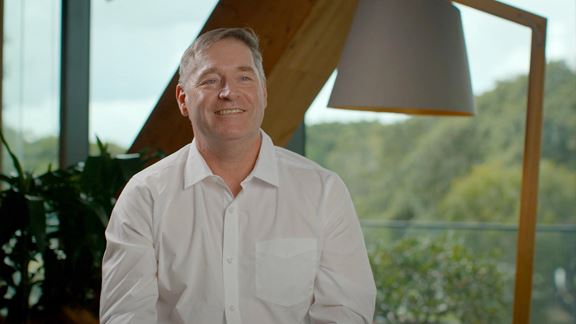
Looking to other cities can provide inspiration. Aurecon brought Jeremy Gill, Head of Policy at Committee for Sydney Innovation District Alliance to Tāmaki Makaurau Auckland recently to learn more about how Sydney is applying these principles.
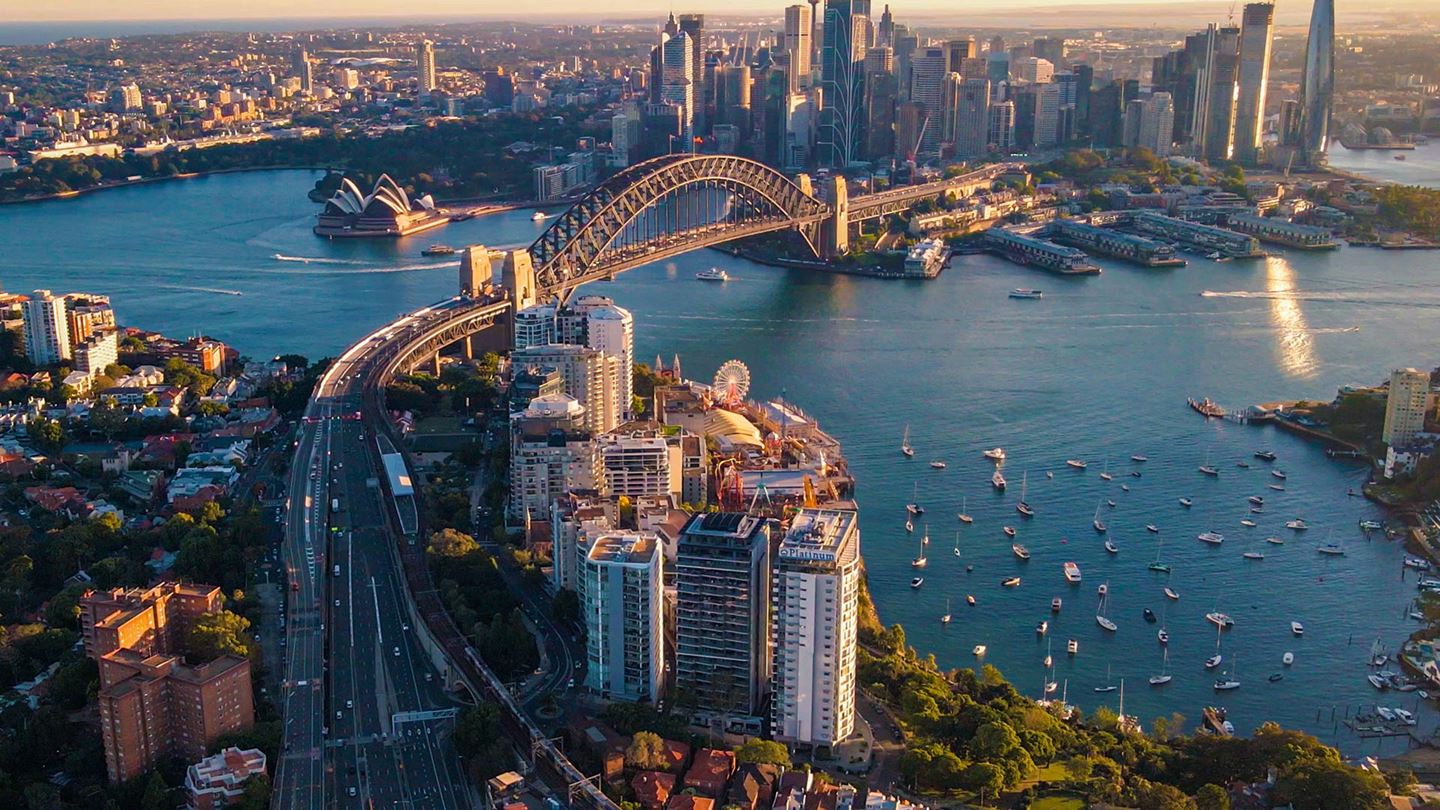
Our closest neighbour is seeking to transform their historically coal-reliant economy to one driven by tech and innovation, advanced manufacturing, clean energy and higher education. And the strategy appears to be working, with Sydney now home to nearly 50% of Australia’s scale ups and the No 1. startup ecosystem in the Southern Hemisphere.
Among the many insights from Jeremy, some of Sydney’s success shows that Auckland needs stronger alignment between national strengths and regional opportunities, and greater emphasis on the role of place based factors like transport, housing and vibrant precincts in attracting the skilled talent required to help firms scale.
A key lesson from Sydney is to build on our existing strengths. An example is Australia’s strategy to shift from an economy that has traditionally exported much of its raw materials offshore for value-adding to retaining more of that value domestically – through processing, manufacturing and the energy transition.
To identify future opportunities for Auckland, we should look to two areas – first, the sectors that are already established here, and second, where Aotearoa New Zealand’s economy has existing strengths. FinTech, HealthTech, and digital and creative tech are already thriving in Auckland, with significant potential to grow this further as identified in the Tech Tāmaki Makaurau Strategy.
Nationally, however, Aotearoa New Zealand has strong capabilities in agriculture and the primary industries, as well renewable energy. In his presentation Jeremy challenged us to consider how Auckland could play a central role in capturing and retaining more of that value chain locally by focusing on Agritech, CleanTech and research and development.
Another consideration is the role our largest economy plays in delivering on national objectives. This means aligning research and development projects with national priorities and considering how innovation could help drive sectors with domestic demand, for example using automation and modern methods of construction for housing. Connecting into national direction is important, as it drives us to ask how Auckland’s industries can support wider societal goals such as equity, decarbonisation, and iwi participation.
Looking at existing patterns can reveal what different industries gravitate towards. Sydney’s Tech Central innovation precinct developed around specific amenities, with Camperdown’s health, education and technology institutions clustering around Royal Albert Hospital and the University of Sydney, and tech and innovation start-ups in Eveleigh and Haymarket drawn to the world-class tertiary education institutions and transport connectivity anchored by Central Station. An intentional strategy is now beginning to connect and amplify the different nodes of activity occurring across Tech Central.
Innovation nodes exist in Tāmaki Makaurau Auckland as well, with FinTech and SaaS businesses concentrating in Wynyard Quarter; DeepTech in Parnell; MedTech and BioTech in Newmarket with its proximity to Auckland Hospital and the University of Auckland; and film and creative industries centred in Henderson. In the south, Manukau has several innovation and entrepreneurship hubs, and North Harbour is home to tech and AI startups and Massey University.
The current Tech Tāmaki Makaurau Strategy sees the spatial concentration of Auckland’s existing innovation hubs as a challenge, but we see it as an asset (with that existing spread and the post-City Rail Link (CRL) rapid transit network in place which addresses the Strategy’s inclusion aspirations), enabling agglomeration, which describes the productivity, efficiency and innovation that can be unlocked when businesses and people can interact and collaborate easily.
Auckland's tech strategy rightly calls out technology infrastructure as key to growing the city’s innovation economy; however, we should take this one step further and consider the importance of broader infrastructure investment in transport, housing and placemaking.
As noted above, innovation precincts require proximity – both to a diverse and skilled talent pool and to other precincts. Rapid transit is one of the simplest levers to increase that proximity. In Sydney, Tech Central is anchored by Sydney Central Station, and the new metro and light rail have greatly improved access into and across the central city.
For Auckland, the completion of CRL later this year creates a powerful opportunity to connect existing innovation nodes together, give businesses access to a broader talent base and reshape land use. The Newmarket Innovation Precinct in particular, is connected to two stations – Newmarket and Grafton – which will improve access to the central city, other precincts and to talent.
Newmarket, however, also highlights the opportunity in Auckland’s tech strategy to consider the value of place-making. Sydney’s Surry Hills is home to a thriving tech industry with talent attracted not just to the proximity of Sydney Central Station and Tech Central but also to the bars, cafes and sense of place that Surry Hills offers.
The University of Auckland owns a large parcel of land which forms the core of the proposed Newmarket Innovation Precinct, but it is unclear if there is alignment with Council’s urban development aspirations for the area beyond the Tech Tāmaki Makaurau Strategy. If Newmarket is to become an innovation hub, it could benefit from investment in place-making, in appealing third spaces (e.g. hospitality, public art), in pedestrian connections across rail line and busy roads, and to open spaces in the Domain and Newmarket Park.
Wynyard Quarter and Britomart serve as great Auckland examples of such place-making and connectivity. There is an opportunity for the Strategy to hold the larger bold vision for Auckland that private and public interests can align around.
Mass rapid transit is also a catalyst for unlocking housing, a major priority for Tāmaki Makaurau Auckland. Plan Change 120 will enable the city to maximise the potential of CRL through intensification around rail stations. While this is a positive step forward, simply upzoning around stations won’t deliver the benefits we’re looking for. We also need to ensure these locations are appealing places to live, with quality urban design, green space, and amenities, as well as allocation for affordable housing and different homes for different kinds of families, if we are to attract the range of experience levels the tech industry will require.
Perhaps controversially for Tāmaki Makaurau Auckland, Jeremy offered a caution against just pursuing housing at every CRL station. While housing is critical, and a key factor in attracting talent, land for innovation precincts along the rapid transit network must be preserved from housing development (regardless of whether the latter is a higher value land-use). Importantly, this includes thinking strategically about the role that inner city industrial precincts can play in future industries and ensuring they are not squeezed out in a race to deliver new homes. Incentives for the right kinds of development are levers Councils can use to help bring their vision to reality.
The Tech Tāmaki Makaurau Strategy is a strong foundation, but insights from Sydney’s experience suggest the next iteration should consider Aotearoa’s New Zealand’s strengths and opportunities, not just the opportunities that are emerging locally, and, if we are to attract industry, investment and talent, it should also consider place. We should see the existing spatial concentration as an opportunity, not a challenge, and plan space for innovation to grow, aligning public transport, housing and investment in high-quality urban environments where the innovation will actually happen.
Lastly, Jeremy noted Auckland’s relative advantage over Sydney in having a simpler governance structure with a single metropolitan council and only two layers of government. Success in building innovation precincts will also require continued collaboration between Council and the private sector, something that has been a strength for Auckland to date, and which must continue.
This article was originally published in the NZ Herald’s Project Auckland Supplement on 27 March 2026.

Director, People, Movement & Place – New Zealand
Learn how adaptable, sustainable building design for complex research and high-containment facilities enhances public health outcomes and disease preparedness.
Aurecon’s ecology and biodiversity expert shares how to achieve timely project approvals, what regulators want, and how to navigate regulatory changes.
Aurecon shares insights on how renewable project delivery models are evolving to better manage risk and deliver long-term value through project partnerships.