Safeguard Mechanism’s contribution towards ambitious 2035 NDC
This paper explores three individual change scenarios for the Safeguard Mechanism, illustrating different pathways for greater emissions reductions in Australia.



Change your location to view content tailored for you.
Decarbonising economies to combat the negative impacts of climate change is a complex journey. Many governments around the world have set a net zero target by 2050, with some setting their target to achieve net zero carbon emissions even faster.
To transition, global economies will need to navigate away from how they operate today industrially, to a net zero model. Economies will have to question every aspect of their energy, process, material and mobility decisions across every industry.
For industries without a target, plan or pathway to net zero, there will be increasing opposition, not only on environmental grounds, but also on whether their economic or business model will be viable going forward.
"While the path ahead will not be easy, the acceptance that we need to decarbonise as rapidly as possible is necessary to mitigate the transition risks associated with climate change. The transition and choices available will be different for each organisation."
Paul Gleeson, Managing Director, Energy – Australia
The successful transformation towards a net zero carbon emissions economy requires a robust strategy, as well as engagement and trust from stakeholders and the community.
How are governments and industries positioned to chart their course in transitioning to net zero emissions? How are they responding to the impact of changing social values and stakeholder expectations? How will finance and investment decisions respond to this transition?
These questions are explored in our insights including five case studies that consider the learnings from the industries that are most exposed to the transition to net zero emissions.
An organisation's net-zero commitment impacts all areas from strategy to physical operations. It’s a factor in every decision across their value chain.
The question when connecting strategy and operations is how to address the risks that come with supply chain vulnerabilities, and then convert those risks into opportunity; at an asset level, site level, company-wide level, and global marketplace level? Has your organisation tailored its strategy to consider the transitional impacts of climate change with specific planning to manage emissions reform and operations?
To understand how your organisation can rebalance priorities to deliver and decarbonise explore our insights and case studies that detail examples of delivering on strategy intent while linking both asset investment and operational outcomes.
This paper explores three individual change scenarios for the Safeguard Mechanism, illustrating different pathways for greater emissions reductions in Australia.
Aurecon’s sustainability experts explore the key design considerations for reducing operational and embodied carbon in data centres across the Asia Pacific.
Australia can learn from Europe’s lead to take large-scale demonstrations of circular economy from theory into practice.
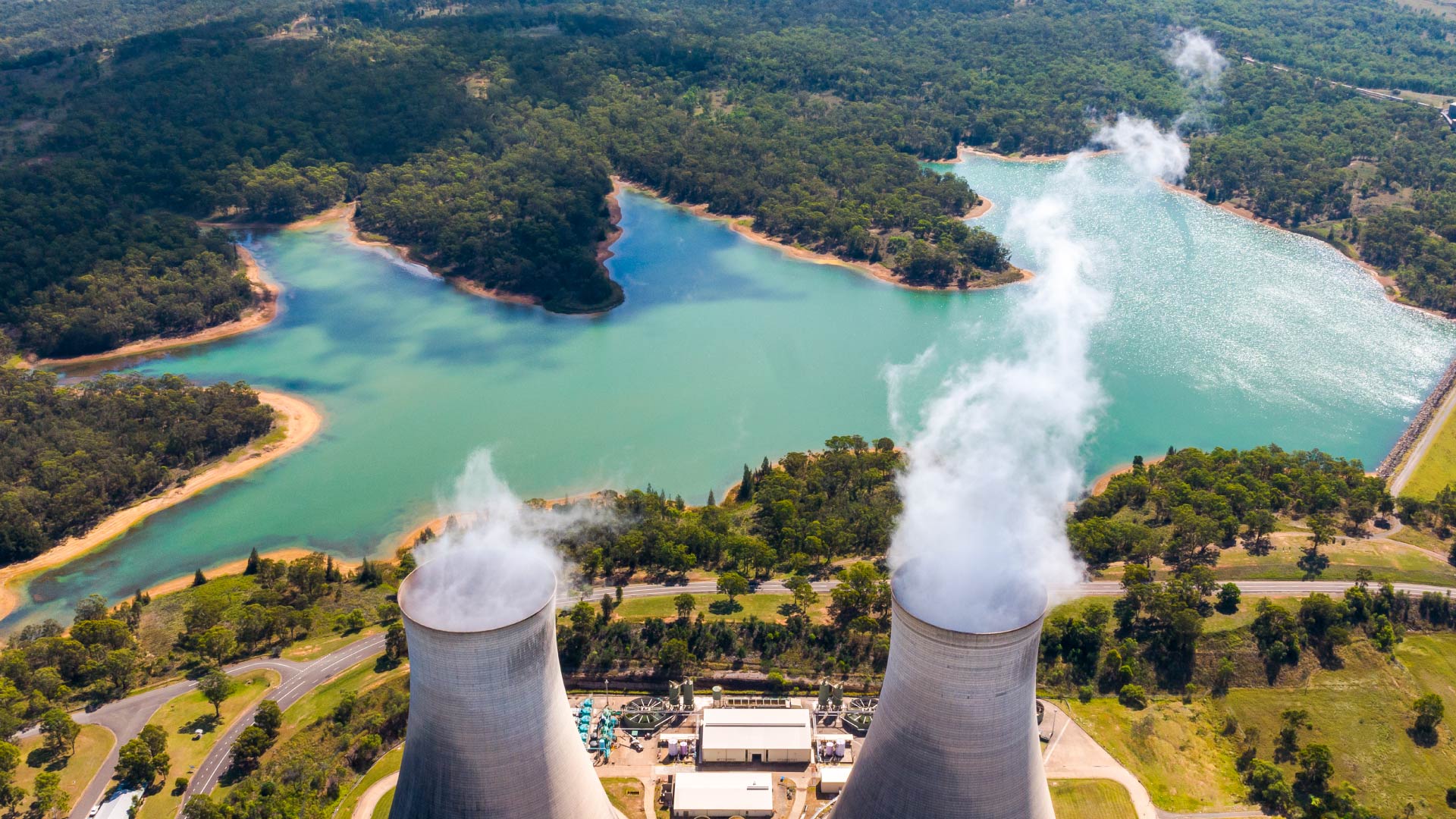
Aurecon identifies five considerations for sustainably decommissioning and demolishing power stations and transitioning Australia's energy supply.
This paper explores the synergies between decarbonisation and circular economy to combat climate change and drive sustainable development.
Carbon market analytics are now emerging as a central consideration for organisations making complex investment decisions on decarbonisation.
Dr Ben McGarry and Emeritus Professor Mark Howden discuss the vital role of engineers in climate leadership and creating a resilient, low-carbon future.
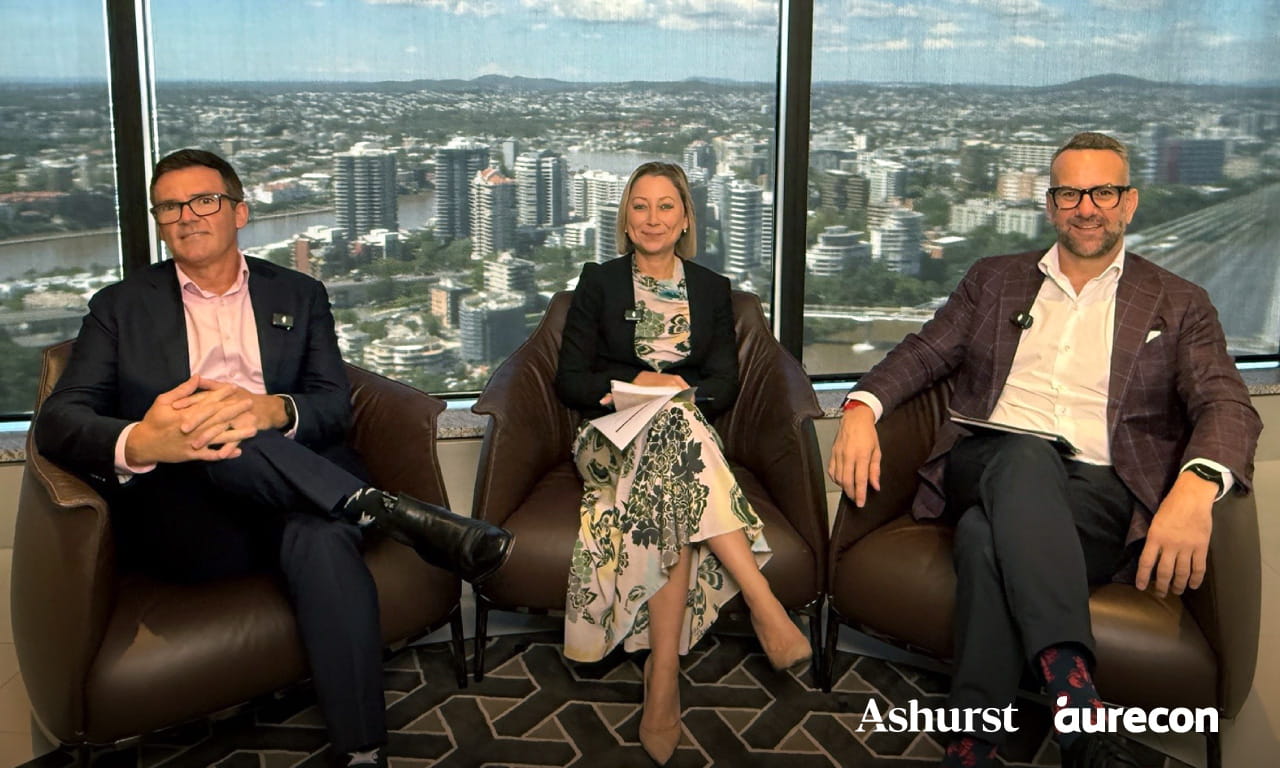
Paul Gleeson together with Ashurst partners Elena Lambros and Dan Brown explore the progress, market forces, and future of Australia's energy transition.
Tony Wood and Paul Gleeson delve into the economics of energy transition and the pivotal role of decarbonising electricity in achieving sustainability targets.
At Aurecon, we work with organisations and governments to protect and enhance their performance by responding to the risks and opportunities presented by sustainability and climate change.
Get in touch with one of our experts below and learn more about the transition and physical risks of climate change and harness the opportunities and navigate the risks of the energy transition.

Managing Director, Energy – Australia

Design Director – Australia