La Trobe University Net Zero Emissions Program, Melbourne, Australia
Aurecon is working with La Trobe University to implement large-scale carbon emissions reduction initiatives and provide pathways to improve sustainability.


Change your location to view content tailored for you.
La Trobe University, one of Victoria’s leading tertiary institutions, set an ambitious goal to become carbon neutral by 2029. A key milestone toward this objective was the delivery of a large-scale, on-campus renewable energy system that could reduce emissions, strengthen energy resilience, and demonstrate leadership in energy innovation.
The challenge was multifaceted. The University wanted to reduce ongoing emissions while at the same time develop infrastructure that delivered commercial value, improved energy reliability, contributed to biodiversity, and functioned as a learning platform for students.
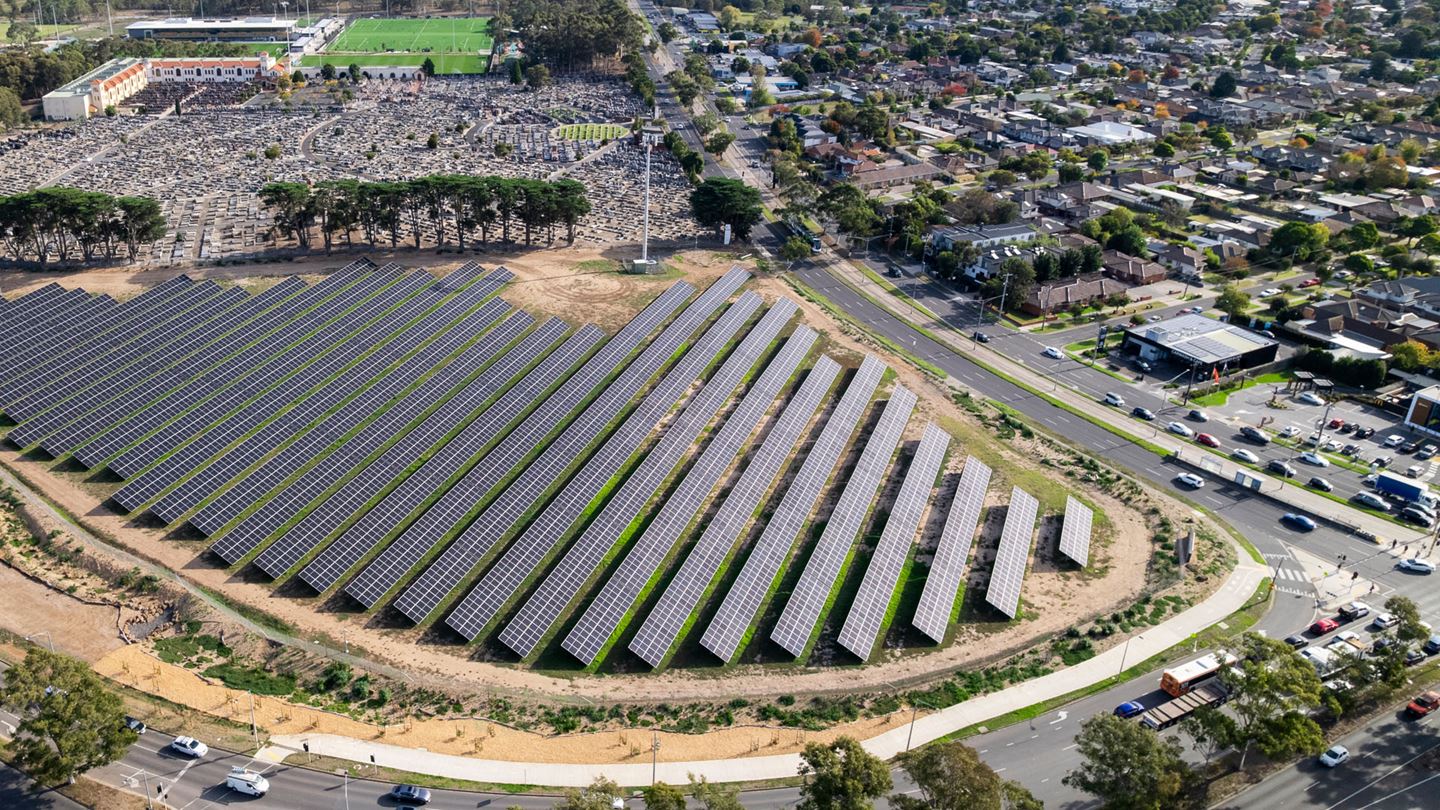
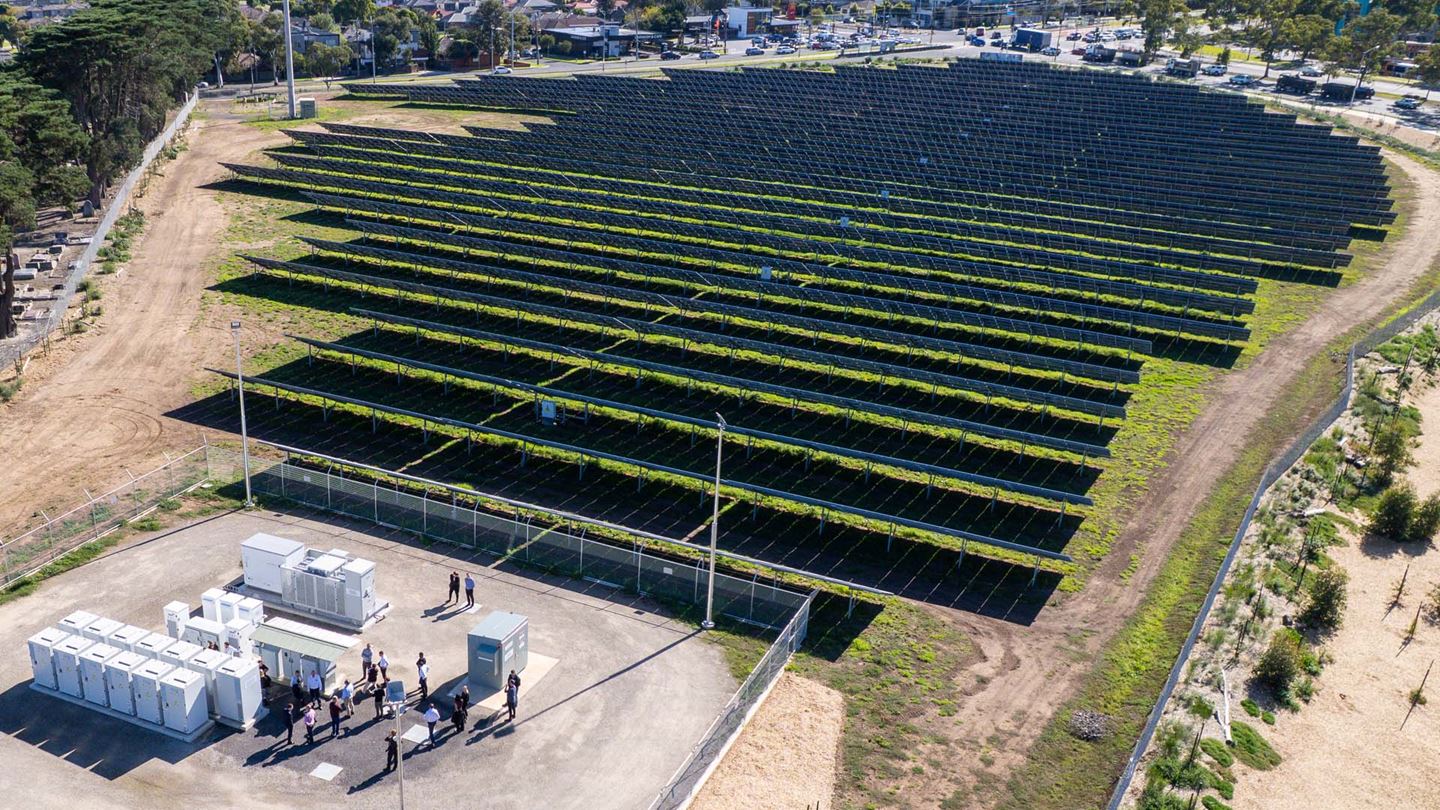
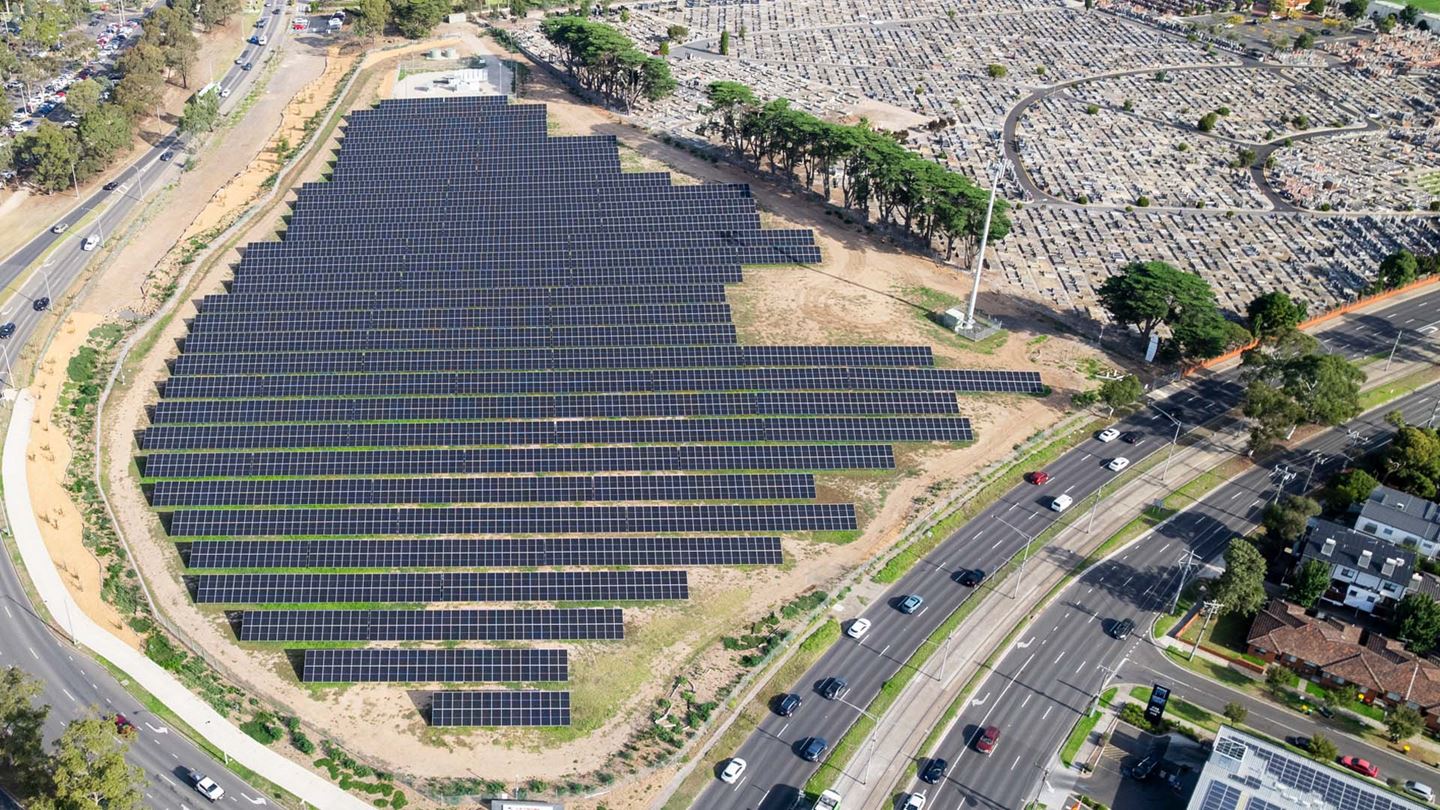
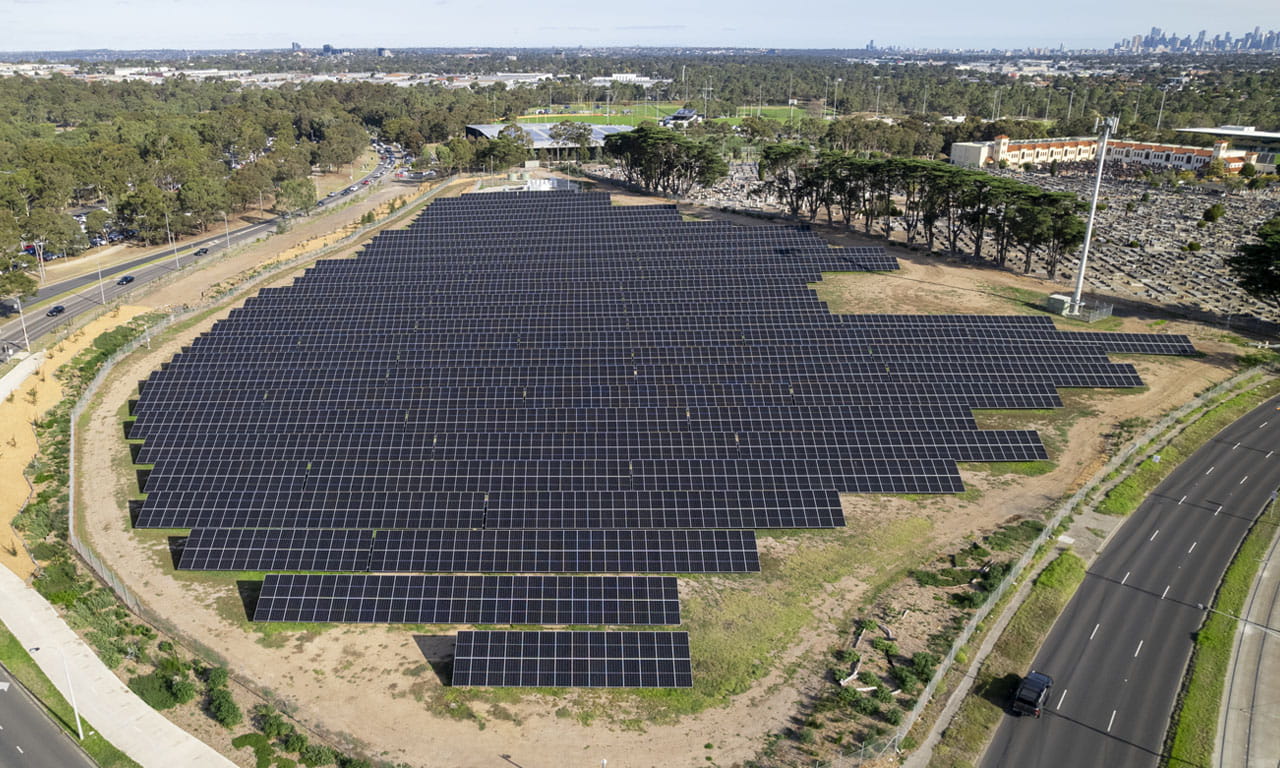
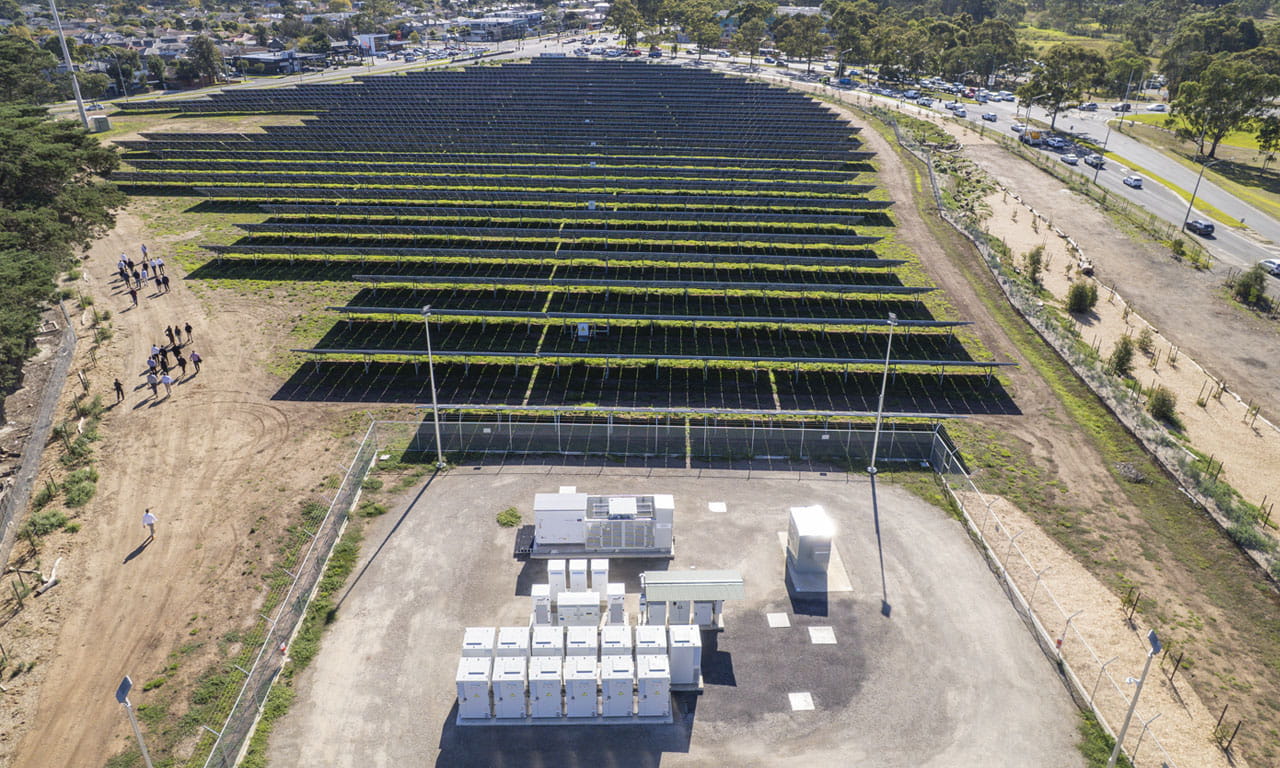
La Trobe’s $10 million solar and battery project answers that call, redefining what’s possible in distributed urban energy, spanning 3.5 hectares and featuring a 2.5MW/4.5MWh battery energy storage system (BESS).
This nationally significant project delivers two Australian-firsts: a dual-market 'wholesale virtual switch' and
DC-coupled Frequency Control Ancillary Services (FCAS) capability. This demonstrates how engineering excellence can not only deliver emissions reductions and cost savings but enable large consumers to balance
self-sufficiency with active market participation through a new class of agile, data-driven energy assets.
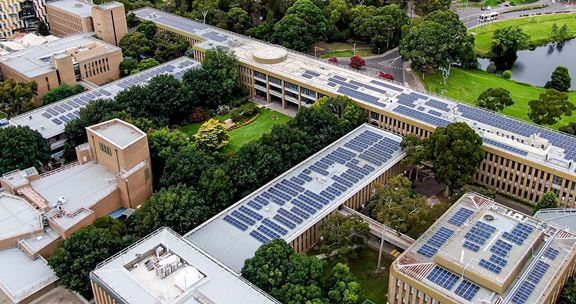
The project is among the largest urban solar and battery installations at an Australian university and the first to demonstrate such a high degree of system integration across DC architecture, real-time optimisation, and hybrid market participation.
A pioneering dual-market ‘wholesale virtual switch’ allows La Trobe to dynamically switch between behind-the-meter renewable use and accessing wholesale spot market pricing. It is also the first time a DC-coupled system has been used to participate in certain Frequency Control Ancillary Services (FCAS) within the National Electricity Market, helping stabilise the grid and prevent power issues in the community.
Aurecon was engaged as the Net Zero program advisor and Owner’s Engineer for this landmark solar and battery project, bringing together a multidisciplinary team across energy, electrical, digital, civil, and advisory disciplines to guide the project from concept through to commissioning.
Key deliverables included:
A defining technical innovation is the system’s DC-coupled architecture, rarely applied at this scale. The system’s DC-coupled architecture reduces conversion losses by up to 5 per cent, while enabling direct PV-to-battery charging and precision curtailment control.
This design improves round-trip efficiency, simplifies infrastructure, and can support off-grid scenarios and importantly demonstrates how advanced inverter-based systems can support grid stability services traditionally reserved for synchronous assets.
Its pioneering wholesale virtual switch is a unique commercial framework that mimics market registration while avoiding regulatory complexity. Operated via an intelligent controller, it analyses live wholesale pricing and determines optimal operating modes and dynamically shifts between grid import/export and behind-the-meter consumption to optimise financial returns in real time.
These innovations allow La Trobe to be both self-sufficient and market-active, previously a trade-off for urban energy users.


The project has the potential to save La Trobe an estimated $30-40 million in energy costs over 25 years – savings that can be redirected into teaching, research, and facilities, amplifying long-term public value.
A significant societal contribution is the system’s role in strengthening energy resilience across both the campus and the community. The solar farm supplies a large portion of the University’s daytime energy needs, significantly reducing grid reliance and energy-related emissions.
The integrated BESS enables load shifting and dynamic energy dispatch, helping stabilise the grid as more renewables enter the system. In doing so, the project directly benefits the surrounding community through increased energy reliability.
Ecologically, the project restores previously underused land through the planting of 40,000 native plants and 600 trees, with a focus on Indigenous species, boosting biodiversity by 200 per cent. This landscape transformation supports habitat regeneration while integrating with the University’s broader environmental initiatives.
At the heart of La Trobe’s Net Zero program, the system reduces emissions by 15 per cent and supports the transition to 100 per cent renewable electricity.
Aurecon is working with La Trobe University to implement large-scale carbon emissions reduction initiatives and provide pathways to improve sustainability.
Aurecon is transforming Sydney Harbour, replacing dredging with TBM tunnel engineering to deliver a faster, safer and more sustainable second harbour crossing.
Aurecon's active transport design expertise supports TfNSW to create a seamless, unobtrusive, step-free ramp and cycleway across Sydney Harbour Bridge.