A people-centred approach for connection and collaboration
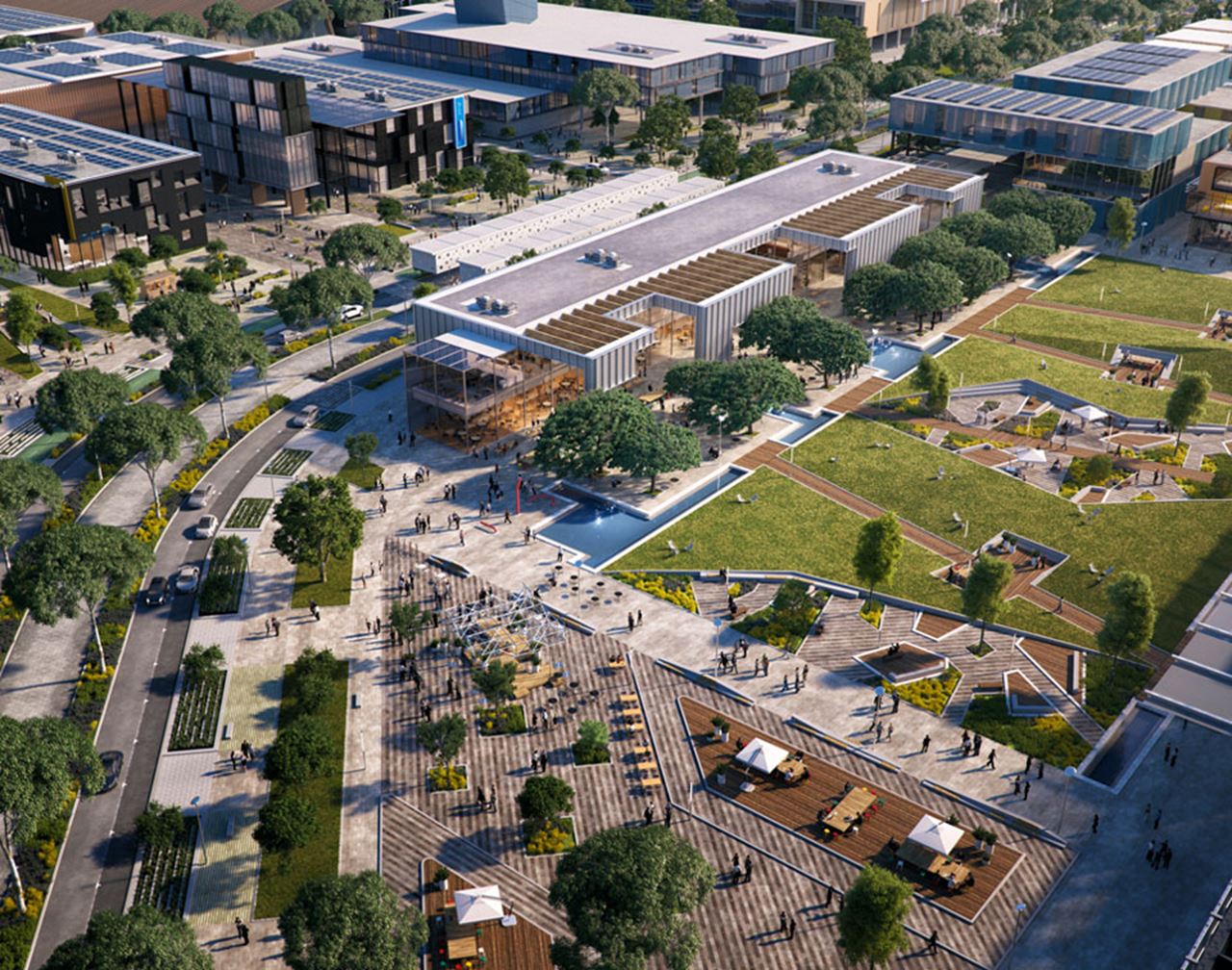
Precincts are places with purpose, underpinned by a strong and enduring vision. They are curated and coordinated to drive greater collaboration, better placemaking outcomes and economic growth, supported by better integration of land use and infrastructure investment planning.
At the heart of all precinct and city shaping projects are the people, communities and businesses they serve. Whilst precincts vary greatly in size, from whole cities to regional centres to neighbourhoods, they all aim to facilitate one or more of these objectives:
- Stimulate growth and opportunity
- Promote equity
- Focus on a special purpose
The success of a precinct is dependent on how it serves and responds to its users’ needs. For instance, precincts focused on a special purpose, such as renewable energy, education, health or sports and entertainment have specific visions and goals. So, while success looks different from one place to the next, the measure of it, and key ingredients to achieve it, remain the same.
The following four aspects are vital to the underpinning of successful precincts that are economically and environmentally sustainable, highly liveable, and leave a positive legacy for the future.
1. Put people at the heart of everything
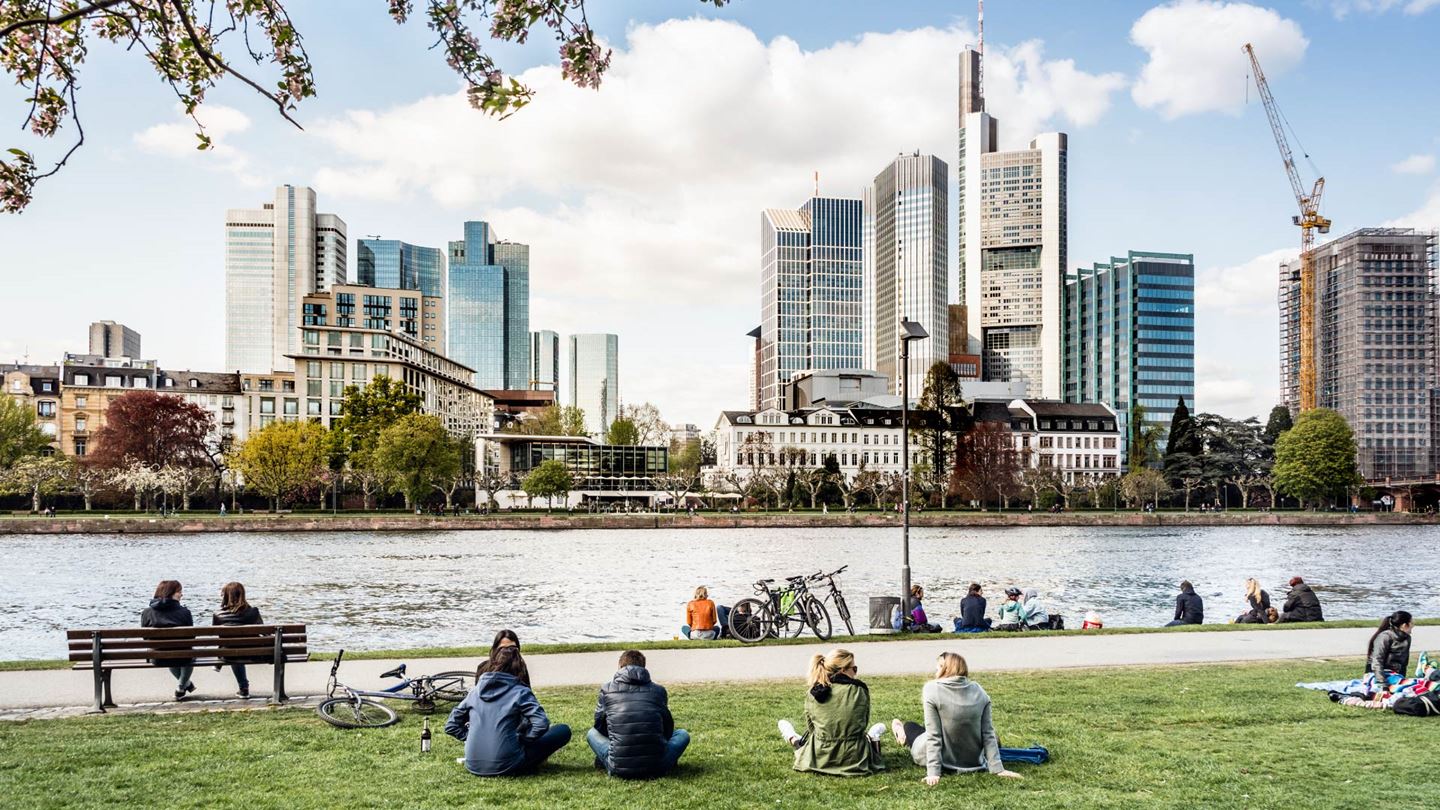
What is a place without its people? Collaborating with and responding to the people who will live, work and play in a precinct is critical to success for both the place and its users. From setting the strategic vision, through to design and ongoing evolution, when the community, stakeholders, businesses and investors have a sense of ownership and vested interest, their participation increases and drives long-term success.
To slightly misquote Aristotle, a precinct or city is greater than the sum of its parts. Every element of a place, from its buildings and infrastructure to its green spaces, services and connections to its surroundings needs to be considered holistically and with people in mind. Gone are the days where our precincts and places are planned, designed and delivered by disparate subject matter experts.
Taking an integrated human-centred design approach connects all parties to form a collective understanding of the place and how it will be designed and delivered, with the end-user at the heart of all decision-making. This user-centred, integrated design approach drives efficiencies and delivers results that are inclusive, enhance quality of life and connect people to place.