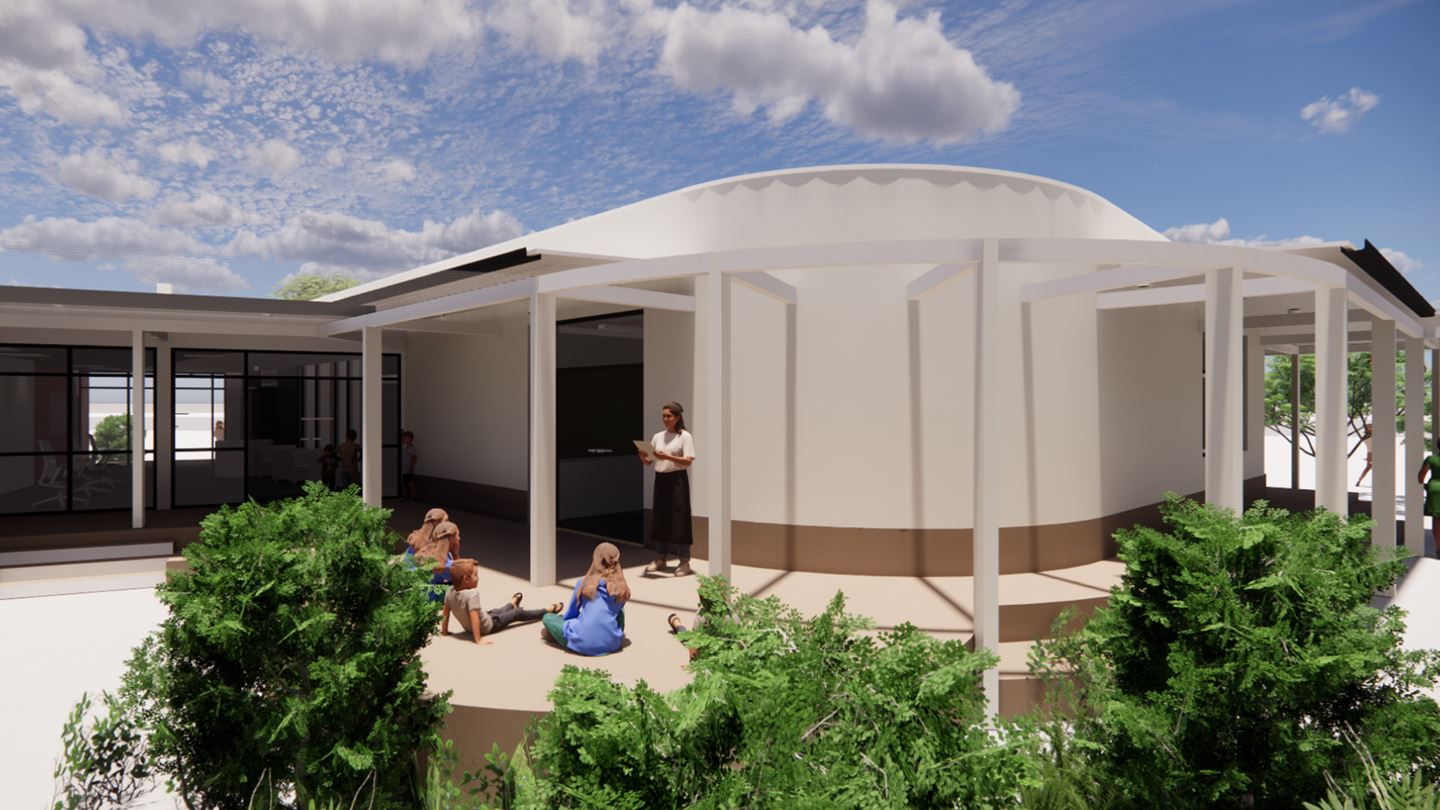
In decades past, cookie-cutter asbestos-laden demountable classrooms were installed on school sites to provide additional learning spaces quickly and cost-effectively. Today, gone are the demountable classrooms, replaced by customised modular units that can still provide certainty in programme and cost, while also delivering fast, sustainable, high-quality, flexible learning spaces in tune with modern pedagogy.
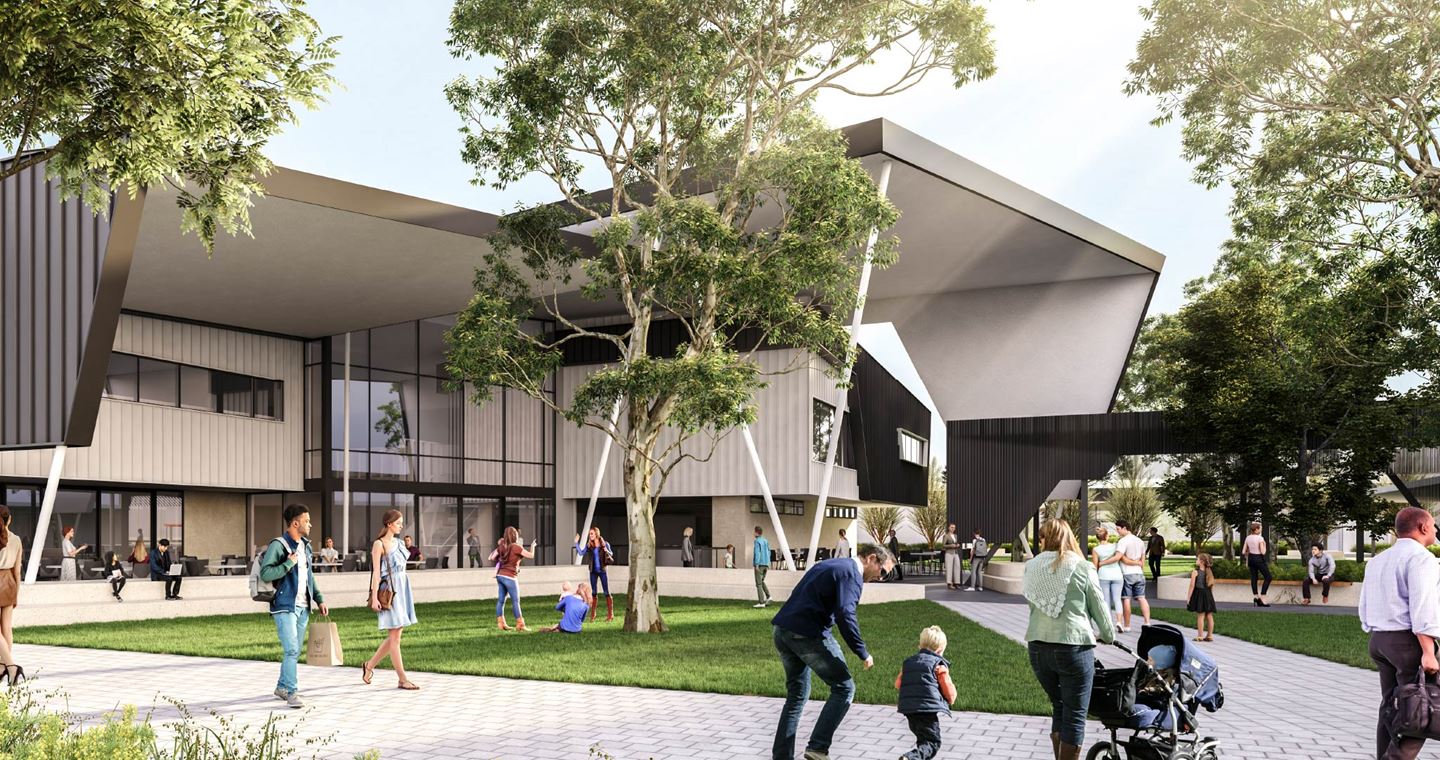
Modular construction has responded to the rapidly changing needs of schools. The days of rows of desks and blackboards are long gone. Contemporary school buildings are smart, flexible, and configurable high-quality spaces that facilitate student growth and learning.
Modular design technology and precision engineering, powered by digital tools, is driving overdue change in this sector where modular construction or modularised design methods are becoming increasingly incorporated with traditional construction, or in some applications replacing it altogether.
Faster, smarter and greener – modular construction is enabled by new technology and procurement models, delivering best-in-breed learning facilities for primary and secondary schools.
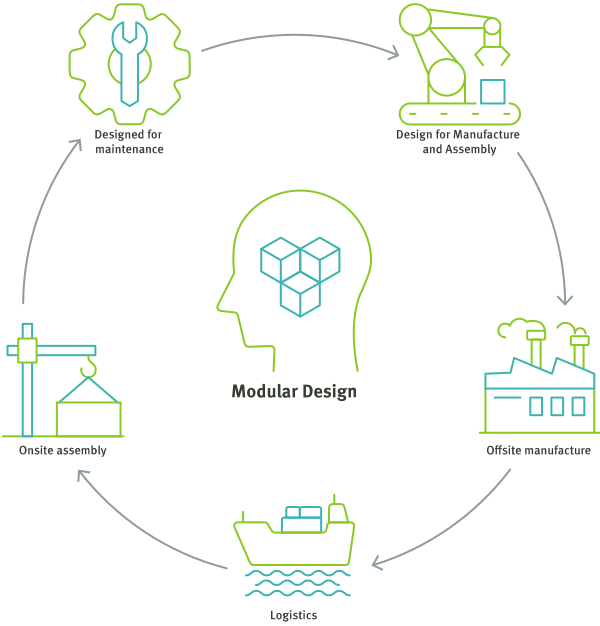
The modular construction delivery method emphasises project effectiveness. It aims to identify and adopt the most effective approach to deliver a project with minimised resource, exploitation and damage to the environment, and maximised quality of work, health and safety and assurance of delivery:
Modular school buildings and the value effect
If education has been undergoing a major revolution in recent years, so has the demand for purpose-built functional spaces in schools. One challenge with traditional building techniques is being able to build within constrained spaces safely, without significantly interrupting school activities and schedules, but fast enough to meet growing demand.
Permanent modular school buildings are becoming increasingly recognised for their value effect. The combination of integrated designs, purpose-built spaces, and exceptional flexibility in design is making the difference.
Modular construction is part of the transition towards a circular economy in the construction industry, decreasing reliance on virgin materials by reducing wastage in the prefabrication process. This is circular procurement in action as it reduces the volume of carbon emissions in the production and transportation of materials used in construction. Modularity also helps facilitate durability (longevity), repairability and maintainability.
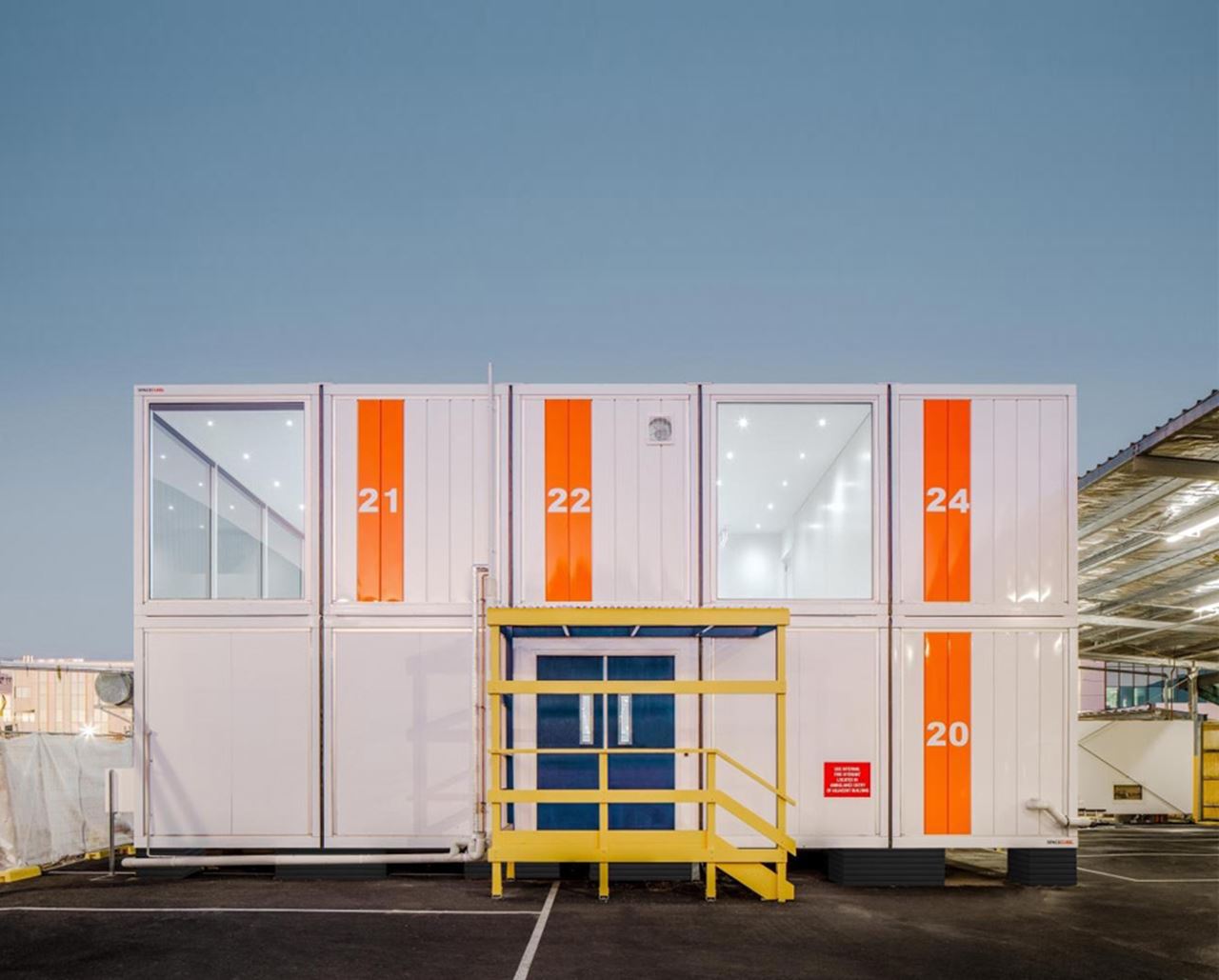
Clients are looking for safety during installation, cost surety, quality outcomes and speed of delivery. Architecturally designed, and optimised, permanent modular buildings are constructed off-site in modules to high standards and then installed with minimal disruption to students, staff and learning programmes.
Modules are delivered to schools where builders assemble them. When schedules are optimised, this can cut up to half the time required for a traditional build, giving students and teachers faster access to high-quality learning environments, while minimising disruption on site, delivering safer outcomes.
Modular construction technologies have existed for many decades. The evolution of digital tools now makes it possible for designs to change quickly in response to the specific requirements of the application.
The resulting digital models become an integral part of the asset management requirements of buildings, enabling both capex (capital expenditure) and opex (operating expense) to be optimised. If done right, these models can be used deep into the lifecycle of an asset.
Government initiatives for manufacturers and other stakeholders involved in manufacturing and upstream and downstream supply chain will create more interest among manufacturers of units.