
Tirohanga Whānui Bridge, Auckland, New Zealand
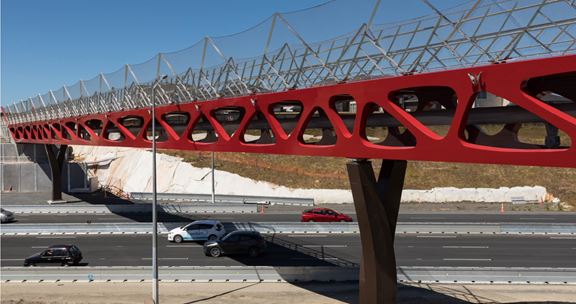
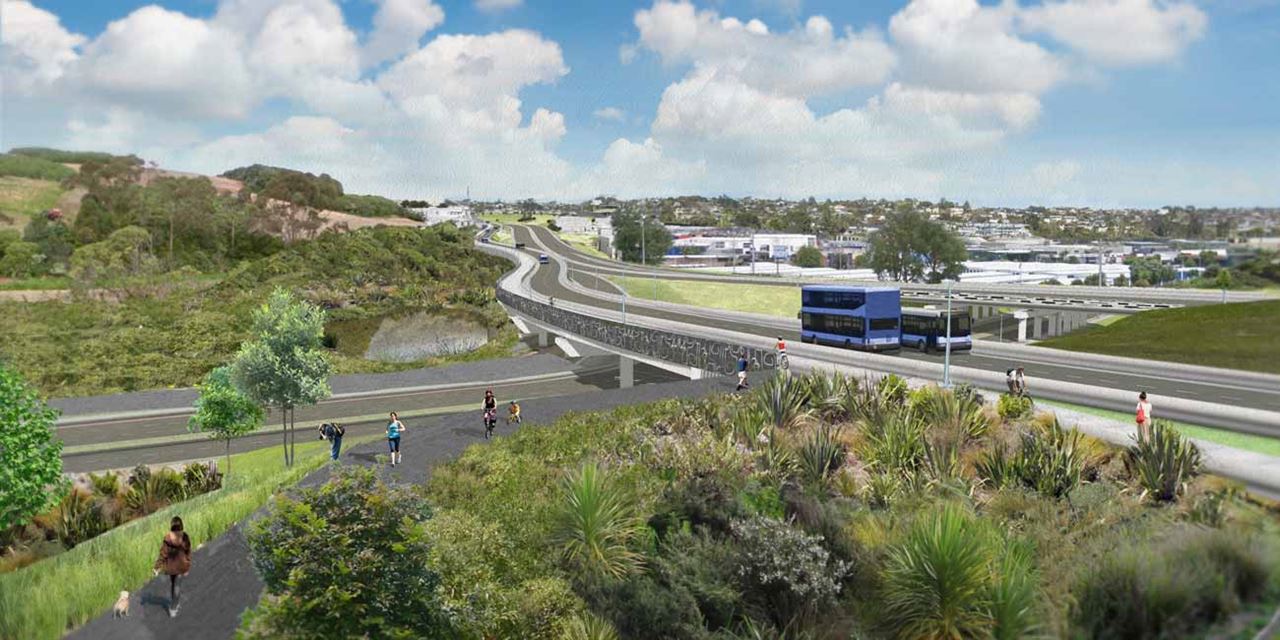
Aurecon designs multifunctional bridge across State Highway 1 with panoramic views to Rangitoto Island and the green hills of Auckland.


Change your location to view content tailored for you.
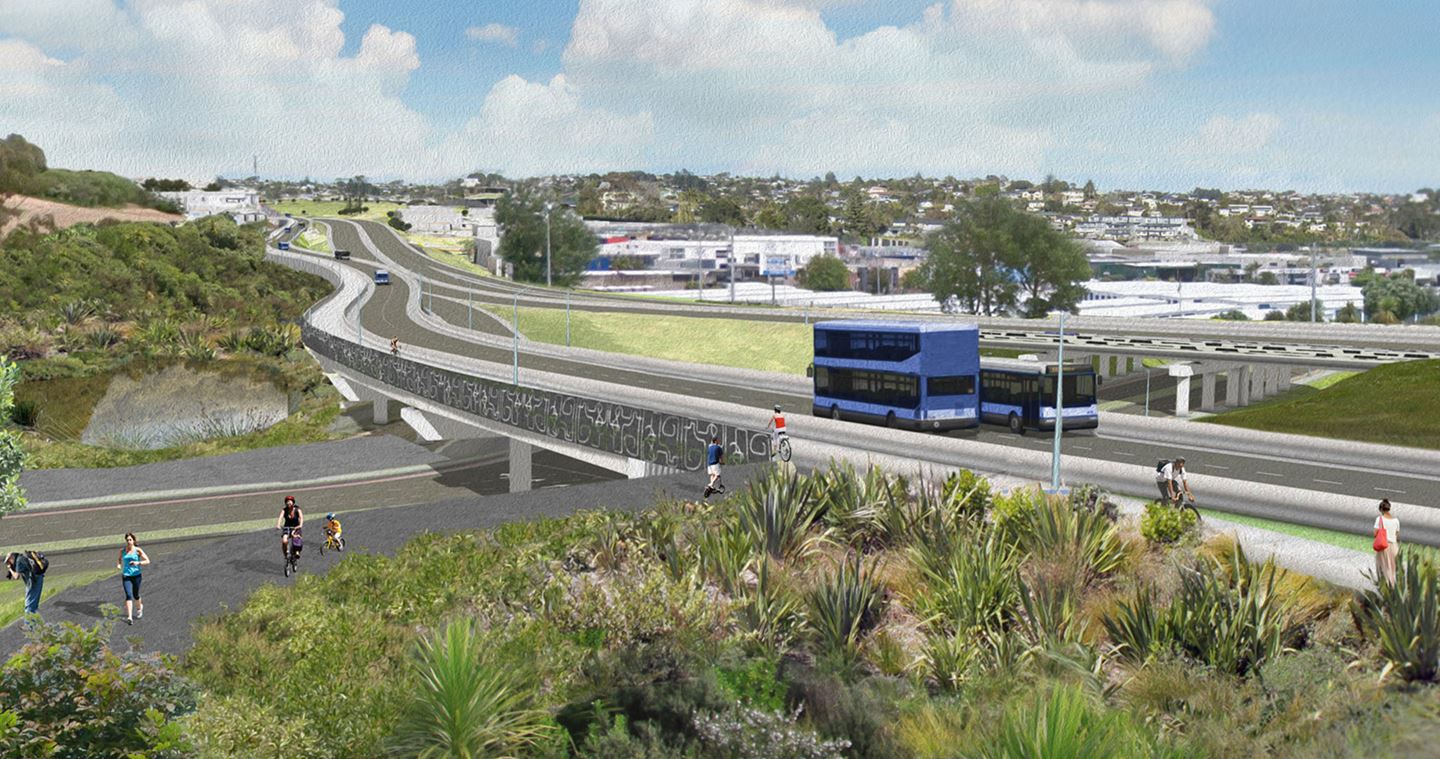
The Northern Corridor Improvements (NCI) project delivered a new key connection in Auckland’s transport system. It is the final piece of the NZ Transport Agency’s 48 km Western Ring Route, providing a second route around Auckland to connect the south and north through the west.
Building on the improved travel times and resilience customers are already experiencing since the opening of the Waterview Connection. The NCI project includes:
Aurecon worked closely with the NZ Transport Agency to bring the community into the conversation while developing the design and planning for the project to understand their needs and ensure the project was fit for purpose.
Project challenges included:


NZ Transport Agency engaged Aurecon to undertake the NCI project’s design and consenting phase in 2016-2017. Aurecon delivered the design and successfully led the project through the Board of Inquiry (BoI) process under a compressed timeframe of just 22 months.
The complexity of the project’s environment was one of the greatest risks to meeting the tight timeframes – with some 130 individual properties, 160 buildings, 8 residential suburbs, 8,000 businesses, educational facilities and 10 hectares of publicly-owned open spaces interfacing with the project area.
The Transport Agency and Aurecon team made a commitment to put public interests at the heart of all decision making and achieved this with a formal and structured engagement approach.
A relationship matrix and action plan were developed to identify stakeholders, the communication pathways to reach them, and the feedback mechanisms to obtain input from affected iwi, individuals or businesses. A Multi-criteria Assessment Tool helped ensure feedback informed decision-making at every decision point.
Meaningful engagement contributed to design changes to accommodate stakeholder and iwi aspirations. For instance, the project team’s successful consultation with the body corporate and apartment owners at an apartment complex resulted in a change to engineering designs so the whole block of apartments avoided damage to their shared stormwater assets.
A good example of where public participation helped shape the planning process was the decision not to proceed with a proposed bridge link across the motorway. Community ambassadors encouraged community members to complete an independent survey with their views of the bridge. The project team listened to the community and their concerns that a bridge link would significantly increase the traffic volume into a quiet residential suburb and make the area unsafe, so the bridge option did not proceed.
In its report and decision, the BoI for the project recognised that there had been a great many opportunities offered to those potentially affected by the project to engage with the Transport Agency to discuss matters of concern and, in some cases, to negotiate alterations to the project. The extensive effort invested in consultation ‘smoothed the way’ for taking the project through the BoI and securing approval to proceed.
Aurecon designs multifunctional bridge across State Highway 1 with panoramic views to Rangitoto Island and the green hills of Auckland.
Auckland’s first underground railway system will reduce congestion, bring people closer to job and amenities, and unlock new development potential.
Aurecon is part of the Northern Alliance delivering NZ’s Ō2NL expressway, partnering with NZTA Waka Kotahi to improve safety, reliability and efficiency.