
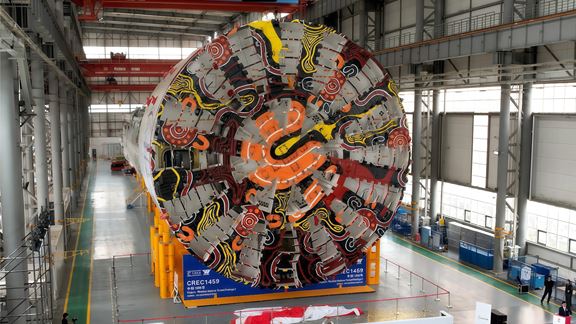
Western Harbour Tunnel, Sydney, NSW, Australia
Aurecon is transforming Sydney Harbour, replacing dredging with TBM tunnel engineering to deliver a faster, safer and more sustainable second harbour crossing.


Change your location to view content tailored for you.
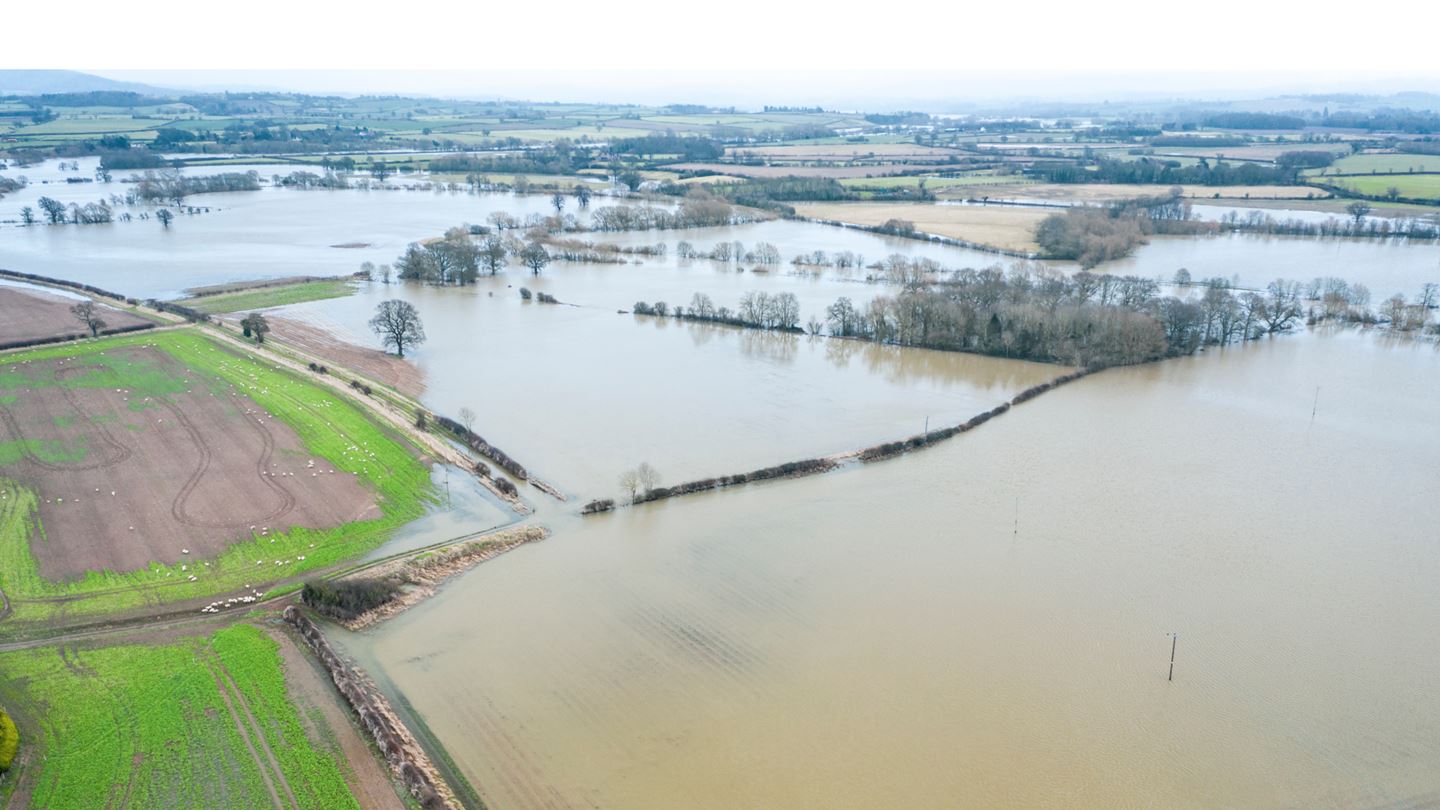
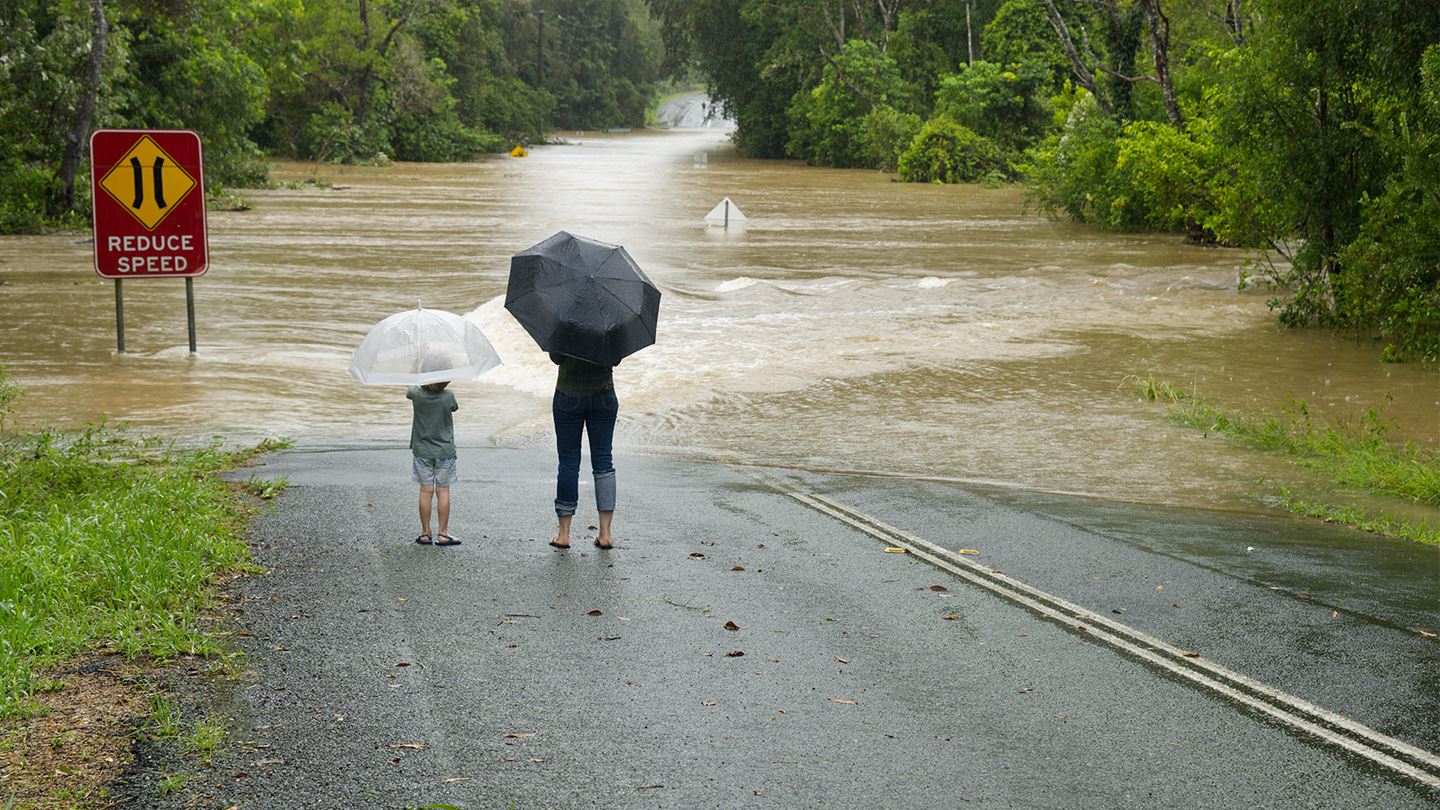
Queensland’s Darling Downs region spans almost 80,000 km2 and is traversed by a critical inland highway network, including over 4,500 km of key state and national freight routes that are highly vulnerable to closure associated with flood events. Disruptions from flood events can create significant economic and community impacts due to delays and diversions across this vast road network.
To address this challenge, mitigate costs, and improve the resilience of the highway network, Queensland’s Department of Transport and Main Roads (TMR) engaged Aurecon as lead consultant to undertake the Darling Downs District Flood Study (DDDFS). This study has informed the development of flood vision standards for each key highway link and has identified locations to focus the planning effort on future upgrade projects that provide value for money for TMR and long-term overall improvements to flood resilience across the network.
The DDDFS will also provide a strong and robust foundation for future business cases relating to proposed upgrades.
Aurecon led the comprehensive study to assess the impact of flood events on traffic, including significant freight movements, across the network. Critical to this assessment was the development of an enhanced Decision Support Tool by the Aurecon-led team. This enables consideration of flood vision standards for individual links leading to determination of the most effective upgrade strategies – prioritised based on their potential to improve resilience and use of available funding.
Aurecon and its partners undertook extensive data collection, hydrologic and hydraulic modelling, traffic and freight analysis, and economic analysis. This embedded insights into TMR’s Decision Support Tool (DST), as well as enabling the investigation of flood vision standards and potential upgrade strategies. By using the DST outcomes, TMR will also be able to support investment decisions and provide clear rationale for proposed improvements.
Originally designed to be used for one single highway link at a time, the game-changing enhanced DST could be applied across the Darling Downs highway network. The tool used historical flood event flows and drew upon more than 16,000 potential highway closure scenarios to determine the performance of each link and the network. The tool also considered the economic impact of road closures on freight and general traffic at a strategic level; freight and traffic behaviours during flood events, and the cost benefit of different upgrade options.


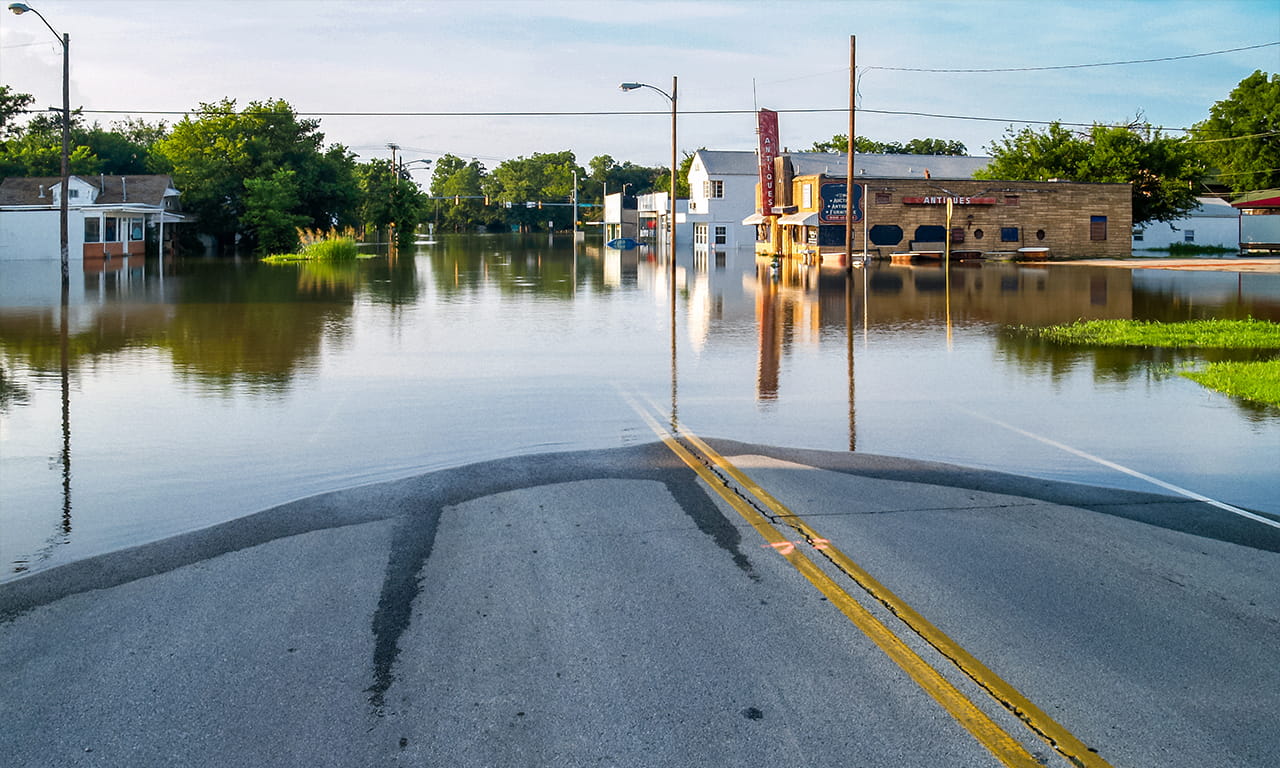
By testing thousands of scenarios, Aurecon achieved a robust evidence base for exploring upgrade options and prioritising flood resilience projects. The result is a powerful, data-driven roadmap that equips TMR with evidence to prioritise investments, including initial relative comparative costs for upgrades, delay and diversion benefits and flood benefit-flood cost ratios. TMR can also leverage the insights to justify resilience upgrades and strengthen transport reliability across the region.
With over 1,600 crossing locations, a key challenge was the derivation of flows at multitudes of crossing locations using continuous hydrologic simulation and detailed hydraulic modelling. This process required developing a long-term rainfall dataset covering over 120 years, using both real and synthesised datasets.
Advanced hydraulic modelling was undertaken to understand how different rainfall and flooding scenarios impacted the highway network. The project used new and improved methods to develop cutting-edge hydrologic models.
Traffic demand forecasts and assessments of the impact of flood-related disruptions as a cost on freight and commuter travel were key inputs into the Decision Support Tool.
To assess impact of closures across the network, Aurecon’s partner, KPMG, developed a bespoke traffic assignment and demand model capable of understanding and estimating the key transport demand metrics for each potential road closure scenario on the Darling Downs network, for each of the identified in-scope road links (and combination of links). As a result, a ‘library’ of network travel costs for each of the defined closure scenarios was generated. This library of scenarios and detailed outputs was vital to informing the economic impacts, including benefits.
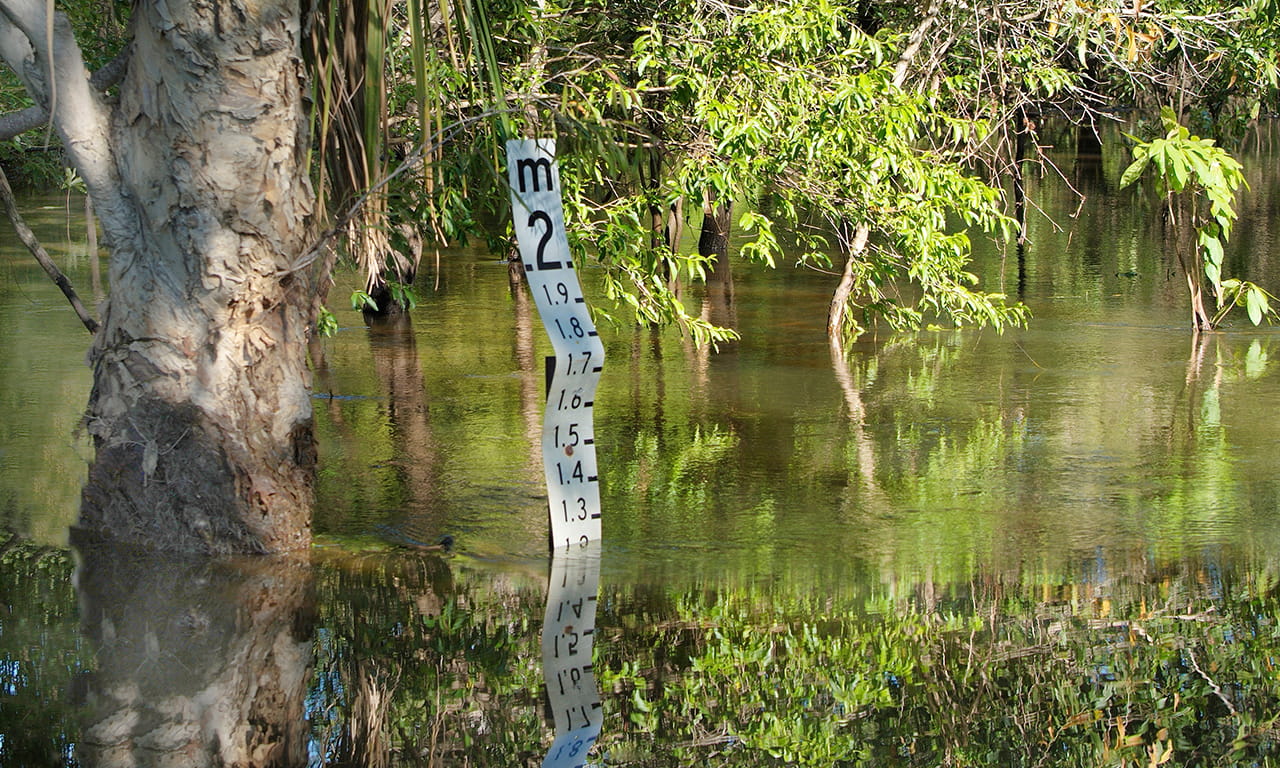
A key challenge in assessing the economic benefits of improving flood resilience is predicting how road users respond to flood events. Whether they postpone travel, wait for waters to recede, or take an alternate route depends on factors such as urgency, cost, and available alternatives. While private commuters may delay trips, freight operators must balance time-sensitive deliveries – such as perishable goods -with diversion costs.
To address this complexity, Aurecon’s partner KPMG refined the economic analysis module within the Decision Support Tool, incorporating a demand modelling framework where the trade-offs between the costs of diversion are weighted against the costs of waiting for flood waters to recede. This enabled a robust economic appraisal of potential upgrades, assessing key benefits such as reduced travel time, lower vehicle operating costs, and improved road safety. Integrating these insights with the Decision Support Tool helps Aurecon support TMR to prioritise infrastructure investments that offer the greatest value for both road users and the economy.
The Darling Downs District Flood Study outcomes will inform decision making to deliver a more flood resilient and reliable transport network that will enhance economic growth through improved freight and commuter movements and considers potential climate change impacts.
Aurecon is transforming Sydney Harbour, replacing dredging with TBM tunnel engineering to deliver a faster, safer and more sustainable second harbour crossing.
Aurecon's active transport design expertise supports TfNSW to create a seamless, unobtrusive, step-free ramp and cycleway across Sydney Harbour Bridge.
Aurecon's study guided Goulburn Valley Water to identify pathways to a renewable hydrogen ecosystem and support a clean energy transition in regional Victoria.