Western Harbour Tunnel, Sydney, NSW, Australia
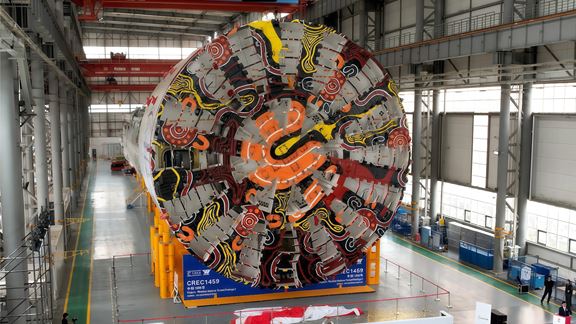
Aurecon is transforming Sydney Harbour, replacing dredging with TBM tunnel engineering to deliver a faster, safer and more sustainable second harbour crossing.


Change your location to view content tailored for you.
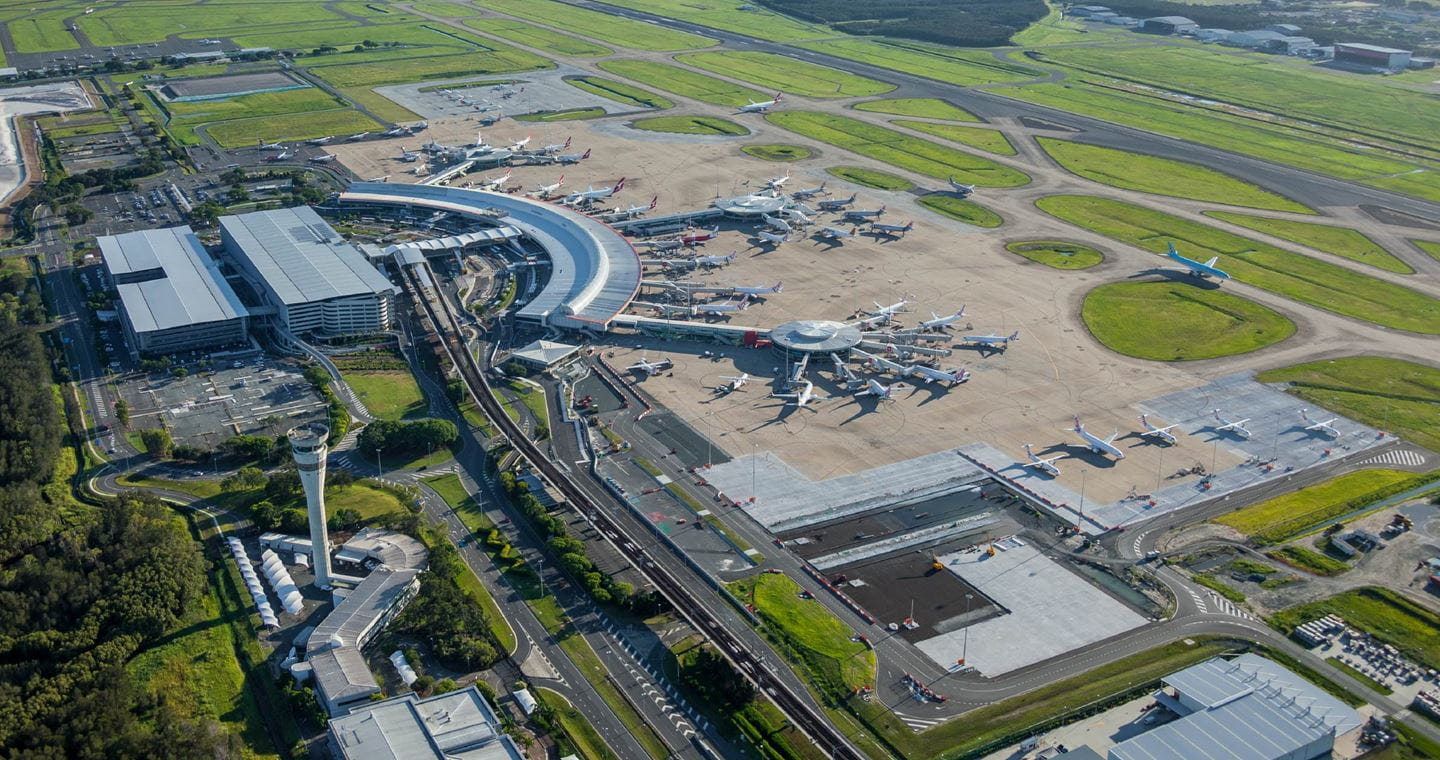
The popularity of Brisbane as a tourist and business destination is continually growing. Hundreds of thousands of visitors arrive at its airport every week and Brisbane Airport Corporation (BAC) and Aurecon have worked together for a significant time, transforming the airport for passengers and service operators in the future.
Learn more about Aurecon's work to transform the area into an innovative location for businesses and a destination for travellers.
The future growth of the domestic and international terminal precincts is underpinned by the Terminals Development Strategy. To inform this strategy, Aurecon facilitated a design-led deep-dive into BAC’s current business and future possibilities.
Aurecon identified potential risks, themes and opportunities that ranged from precinct design and experience to terminal and business operating models. The outcomes were potential future scenarios (and assumptions) that were taken to further testing before potentially being included in the strategy. Key themes included increasing connectivity, offering a unique experience and developing a business hub for BAC that responds to passenger demands and business growth.
Aurecon’s engineering capabilities contributed to the design of two new gates to the International Terminal to suit larger aircraft, including the Airbus A380. In addition, passengers and service operators will have:
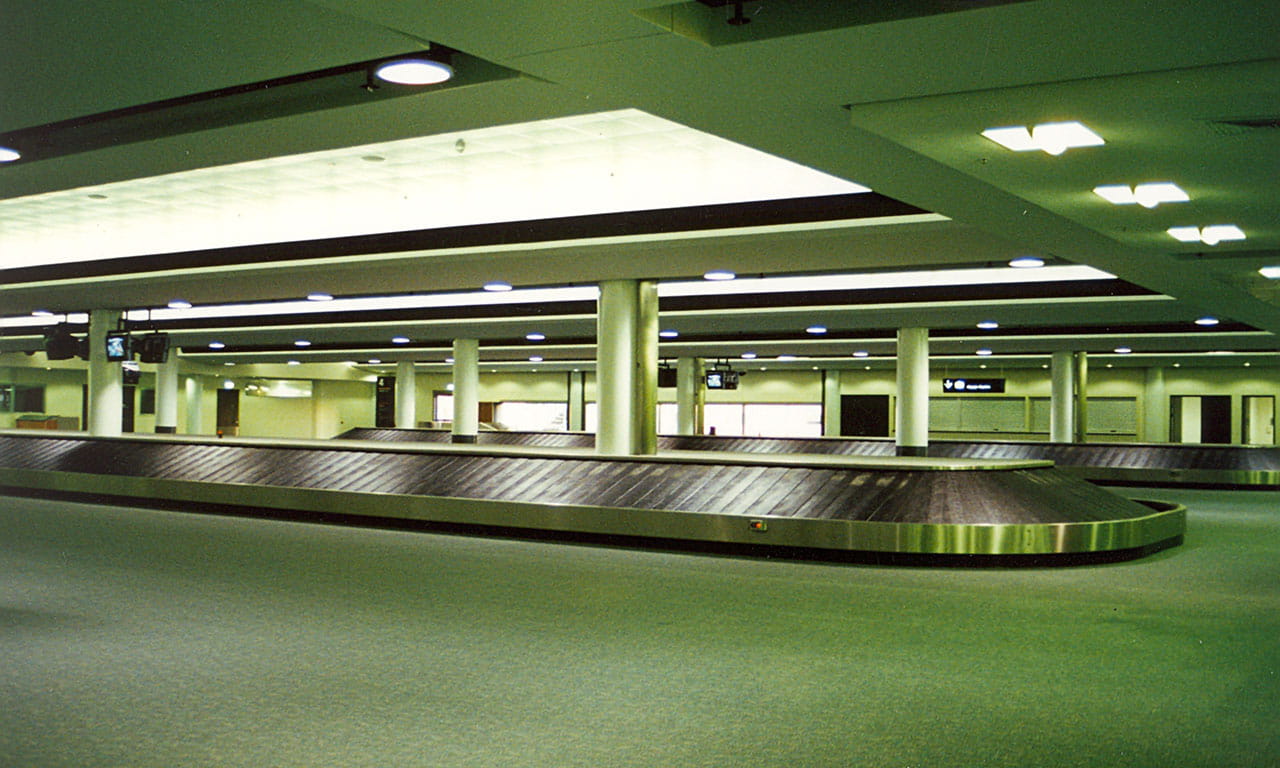
With the existing terminal in full operation during construction of the new gates, Aurecon had to design major upgrades to be achieved whilst not interfering with daily operations. Electrical HV supply, relocation of existing cooling towers and major changes to security and to the baggage handling areas were designed to be constructed with no interruption to the existing terminal.


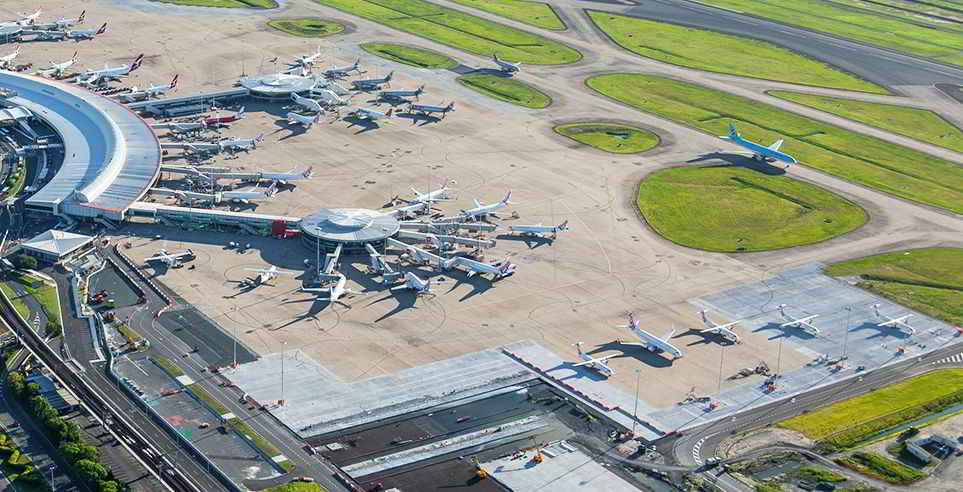
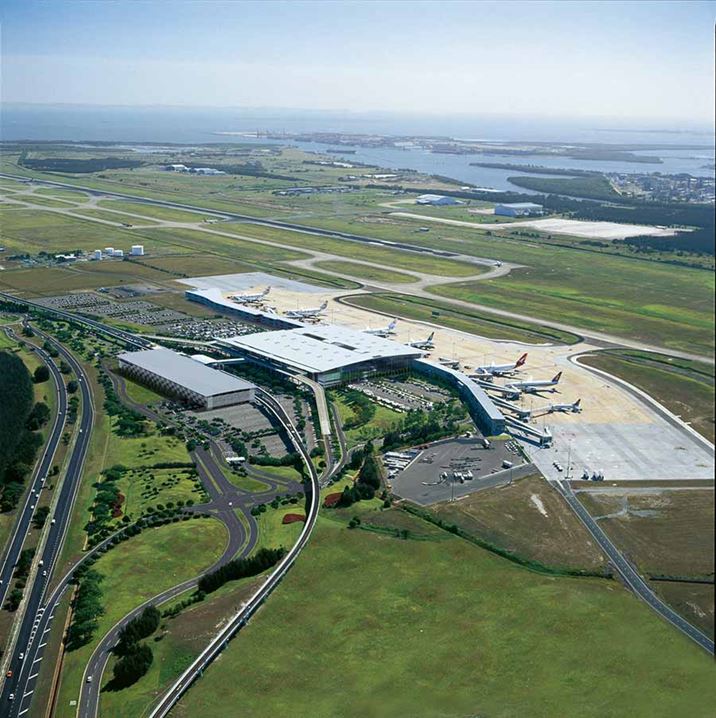
With the airside of the international terminal a major factor in airport expansions, the airport parking bays had to accommodate bigger aircraft and a greater number.
Apron grading, pavement design , services design, specifications and construction surveillance developed the new bays 69 to71. Master planning for grading and services capacity was conducted at bays 65 to 71. An additional Code F aircraft parking bay, and two Code E aircraft parking bays, were included in the project and will be flexible to accommodate changing airport types in the future.
The completion of this major upgrade of the Domestic Terminal Southern Apron Expansion provided Brisbane Airport with the only dual apron taxiways in Australia (at the time of construction), allowing for the simultaneous arrival and departure of aircraft and therefore increasing efficiency for airlines and the airport.
The expansion comprised an extra 50,000m2 of aircraft pavement providing seven additional aircraft parking bays and extra space for layover parking. This allowed airlines the capacity to increase scheduled services.
Aurecon provided technical support to BAC for its stakeholder consultation with airlines, government agencies and service operators during the planning and construction.
Completing construction works on time, safely and with high quality was important to maintaining BAC’s reputation for providing suitable infrastructure for its aviation partners.
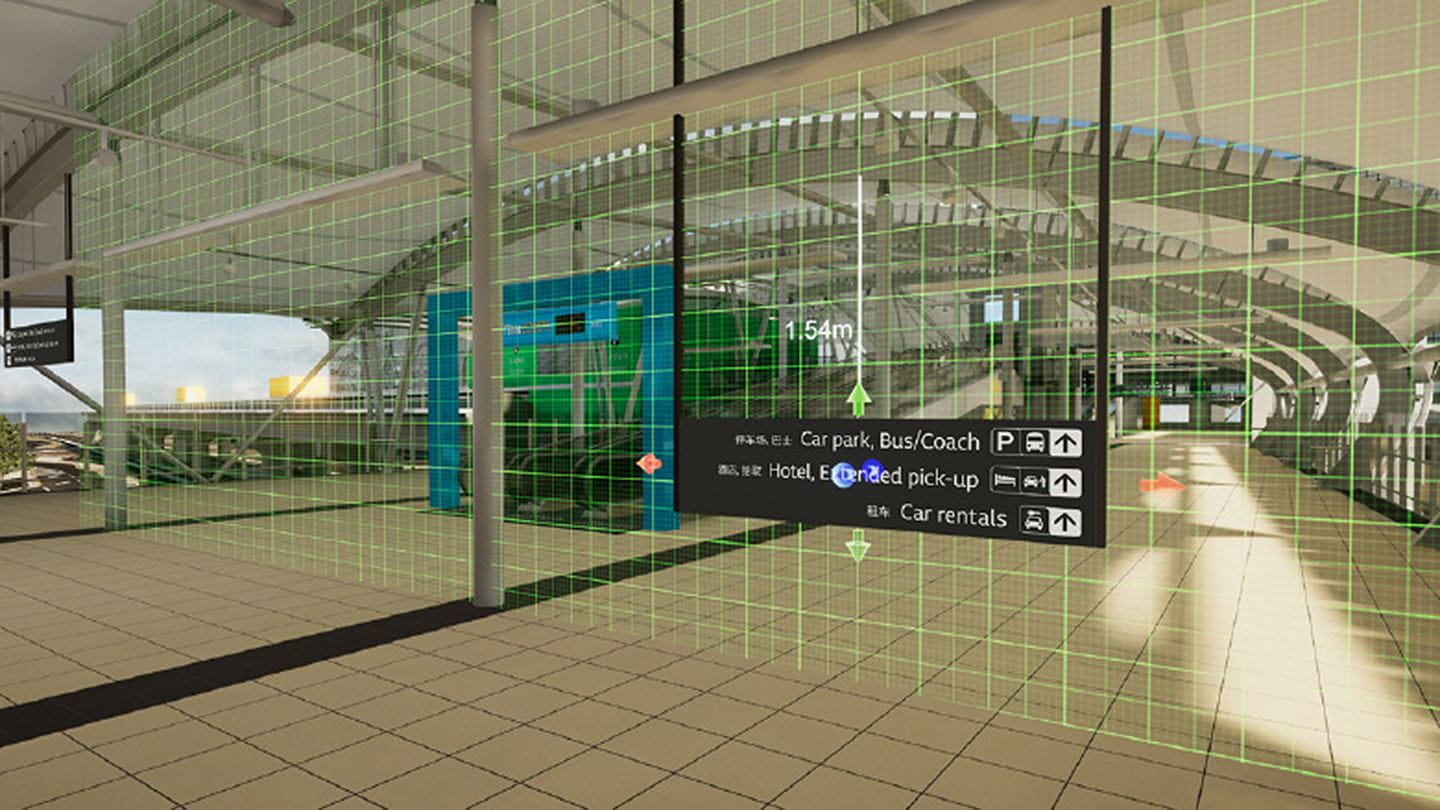
As part of both the Brisbane International Terminal Entry Control Point Upgrade and the Wayfinding Upgrades – Skywalk (Domestic Terminal) Project, Aurecon developed virtual reality models of the proposed design areas. The models enabled BAC to understand the design at a human scale, in a way they had never been able to before.
Airports are complex environments. Disparate factors coexist in an airport on any given day. Ease of passenger flow and the ability for a passenger to get from Point A to Point B effectively is paramount. Virtual reality gave Aurecon and BAC a risk-free and fully immersive environment to make wayfinding design decisions prior to construction.
"Virtual reality gave Aurecon and BAC a risk-free and fully immersive environment to make wayfinding design decisions prior to construction."
Users moved through the space in the same manner as an arriving passenger and evaluated the effectiveness of the wayfinding solutions. This included signage, marked passenger channels, smart gate kiosks, lighting and floor finishes.
In the model, Aurecon was able to quickly sketch walls and other objects to test different wayfinding scenarios in real time. This feeling of realism created for BAC allowed them to manipulate and move signs and other objects, and test multiple scenarios at once while wearing virtual reality goggles. The users from BAC represented a range of different departments and roles, allowing the final wayfinding designs to respond to a cross section of feedback. This was truly designing in real time for instant feedback.
Over recent decades Brisbane Airport has seen substantial growth and diversification as traveller and staff numbers increase. Ensuring essential aviation infrastructure is continually delivered in advance of increased demand, Aurecon continues to support Brisbane Airport Corporation in the delivery of projects and programmes of work.
This enables Brisbane Airport to continue playing a catalytic role in tourism, business and industry growth within Queensland and across Australia.
Aurecon is transforming Sydney Harbour, replacing dredging with TBM tunnel engineering to deliver a faster, safer and more sustainable second harbour crossing.
Aurecon's active transport design expertise supports TfNSW to create a seamless, unobtrusive, step-free ramp and cycleway across Sydney Harbour Bridge.
Aurecon’s expertise in large-scale transport projects, tunnels engineering and urban mobility delivers city-shaping, digitally driven infrastructure.