
Te Ahu a Turanga – Manawatū Tararua Highway, New Zealand
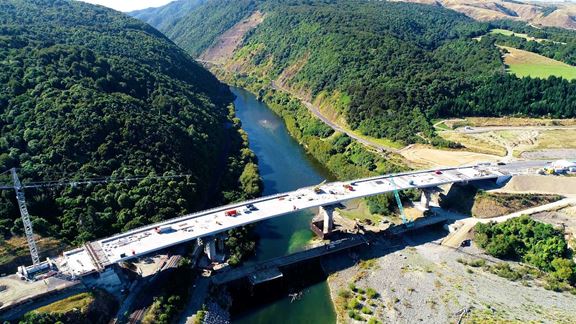
Aurecon helps build a safe and resilient highway through Manawatū Gorge, reconnecting New Zealand’s Manawatū and Hawkes Bay regions.


Change your location to view content tailored for you.
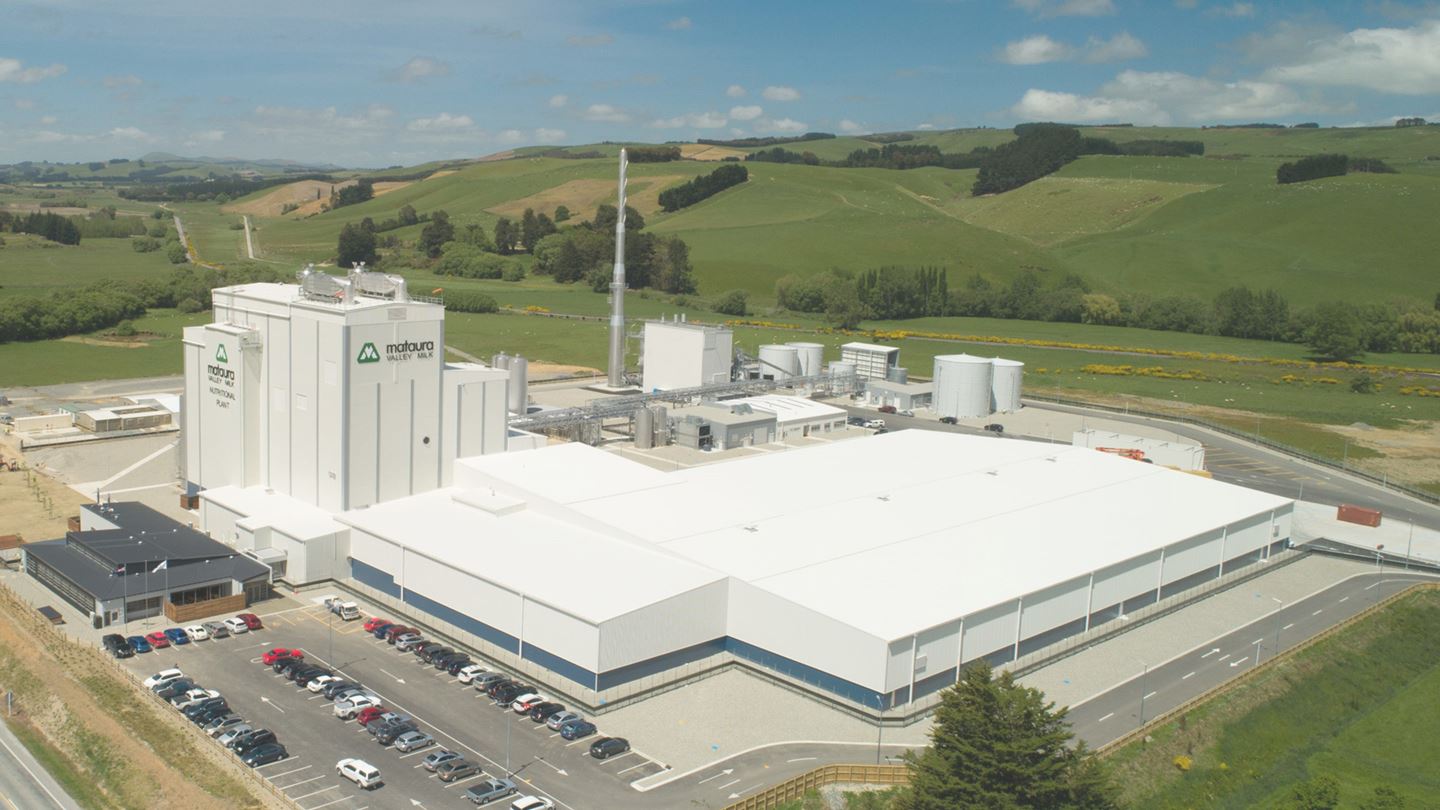
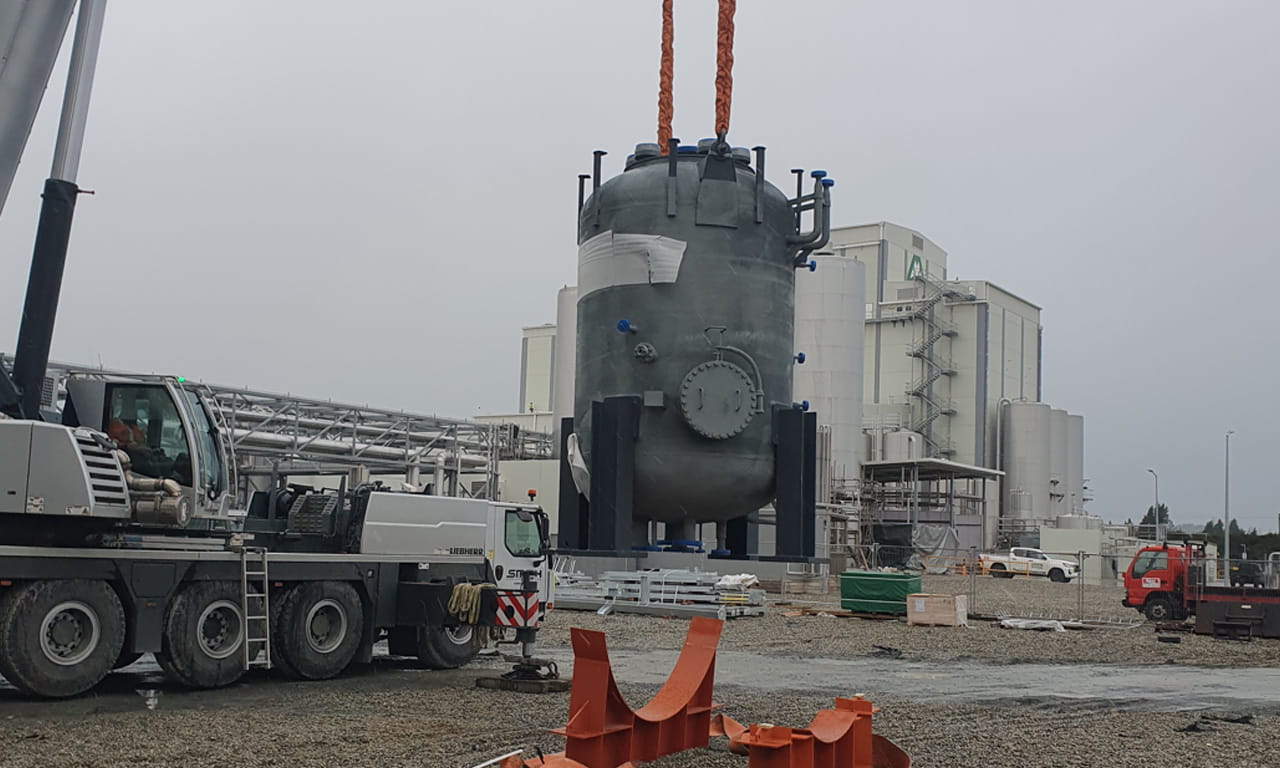
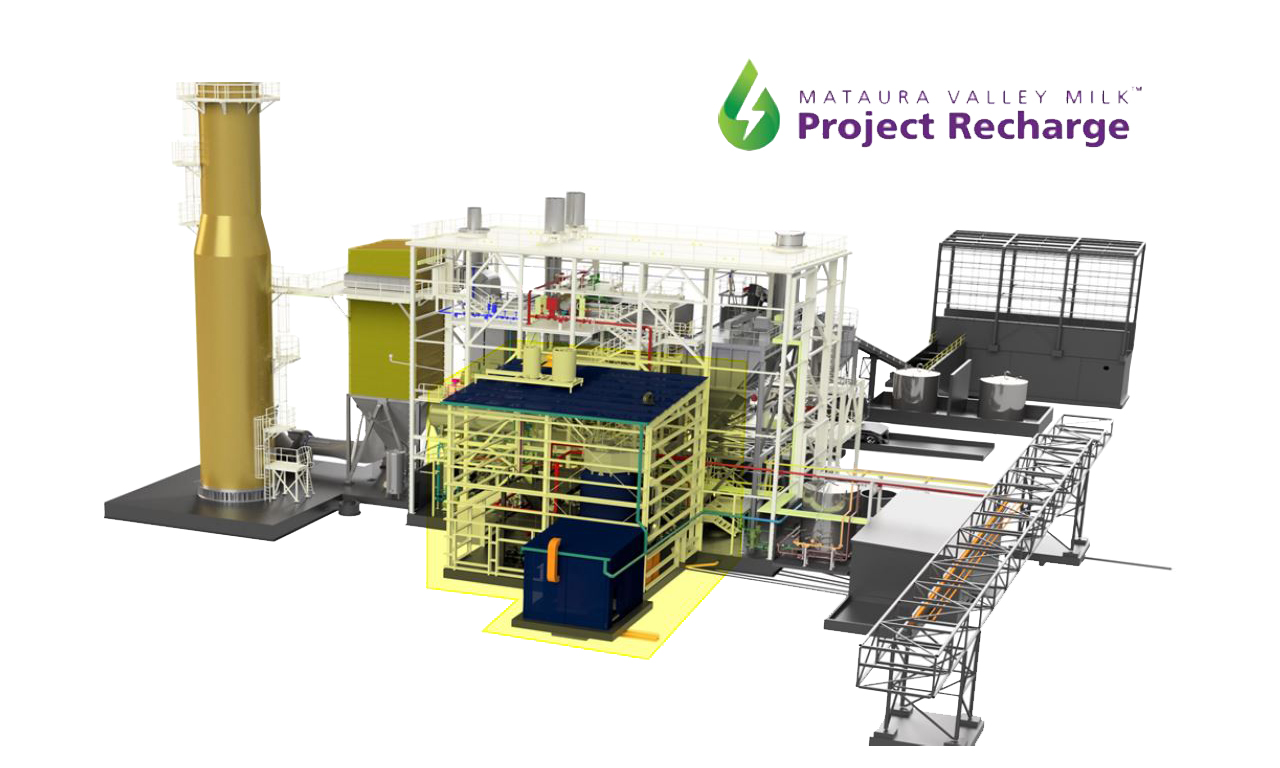
Aurecon supported Mataura Valley Milk (MVM) to achieve a New Zealand innovation; the installation of a fully grid-integrated High-Pressure Electrode Boiler (HPEB), the largest (20 MW) and first high pressure (45 bar g) electric boiler in Australasia. MVM will become the first dairy site in NZ that has 100 per cent of its steam supplied from a boiler running on green electricity.
In 2021 Mataura Valley Milk became part of the a2 Milk Company (a2MC) when a2MC acquired a 75 percent shareholding, with China Animal Husbandry Group (CAHG) retaining 25 percent. Project Recharge was the first major asset investment in MVM after the a2MC acquisition, aligning well with a2MC’s sustainability goals and purpose; to ‘Pioneer the future of Dairy for good’.
Aurecon was engaged to help MVM assess the feasibility of converting the coal-fired boiler to biomass.
Alongside this study, the team started working with EECA on an Energy Transition Accelerator (ETA) assessment. It was through this process that the alternative option of a HPEB was contemplated, and with the team acquiring access to funding under the former Government’s Investment in Decarbonising (GIDI) fund, the decision was made to “go electric”. Project Recharge was born.


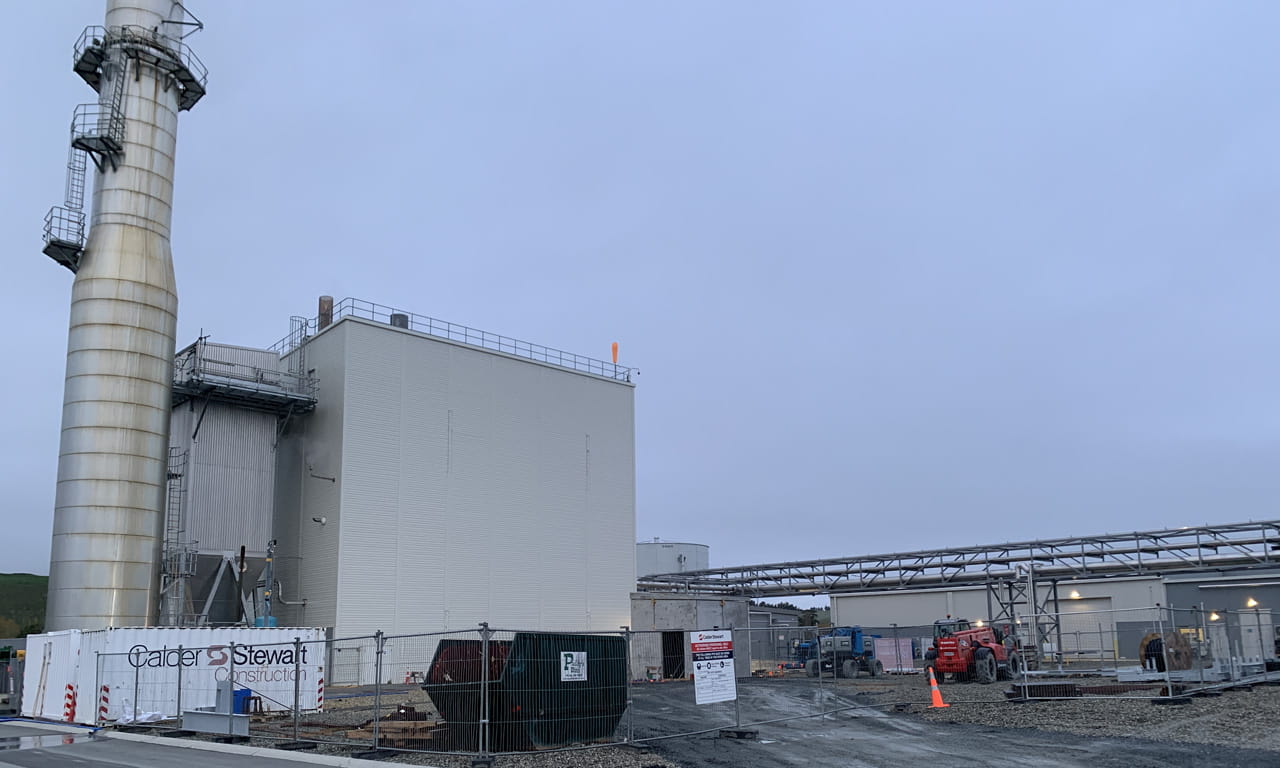
For dairy companies worldwide, transitioning to full electrification has been almost impossible. It is only recently that electric boiler technology has evolved enough to reliably produce the large volumes of high-pressure steam required for drying milk powder. The transition to electrification has therefore required companies to take a risk on one of their critical components for operation.
Another key stumbling block for many electrification projects is guaranteed access to long-term, closely located energy supply. Southland, where MVM’s plant is located, has a plentiful supply of hydropower, as well as a newly established wind farm, and is “ahead of the pack” in the adoption of new energy sources. This access to renewable energy, combined with an electricity supply agreement with the local suppliers has ensured success for the MVM boiler electrification project.
The installation of the HPEB encountered a number of challenges. The project team worked together to solve problems such as safe access to potentially high voltage environments, design for longevity of switchgear under cyclic loads, and management of the unique water chemistry requirements. The boiler feedwater supply required extensive review, leading to a full upgrade of the site’s demineralisation plant.
It’s a huge risk to be a market first mover in this space. MVM has demonstrated that, with solid advice, extensive planning and the support of experienced advisors, it is possible to take such a leap, and to show other Southland primary industry players that electrification is possible.
At 20 MW, this project is the largest electric boiler installation in Australasia, and the first electric boiler in Australasia which can produce steam at a high enough pressure to dry milk powder. In doing so, the MVM boiler effectively removes 22,000 tCO2e per year but even more importantly, what Mataura Valley Milk has done, is to demonstrate that high pressure electric boilers are viable for the Australasian dairy industry.
The project has won the following awards:
Aurecon helps build a safe and resilient highway through Manawatū Gorge, reconnecting New Zealand’s Manawatū and Hawkes Bay regions.
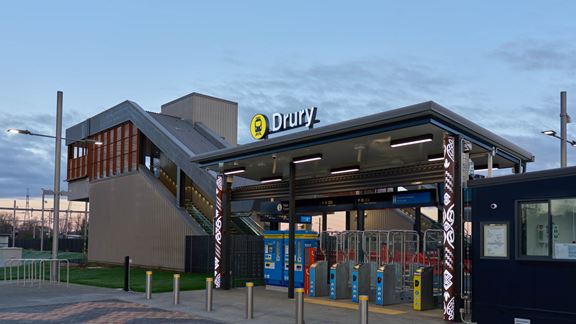
Aurecon is delivering human-centred modular design to three new rail stations with integrated transport options for Auckland's southern growth area.
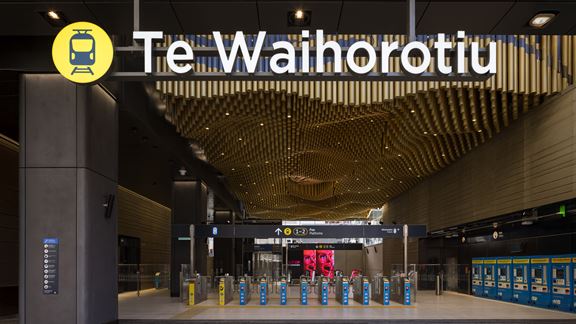
Auckland’s first underground railway system will reduce congestion, bring people closer to job and amenities, and unlock new development potential.