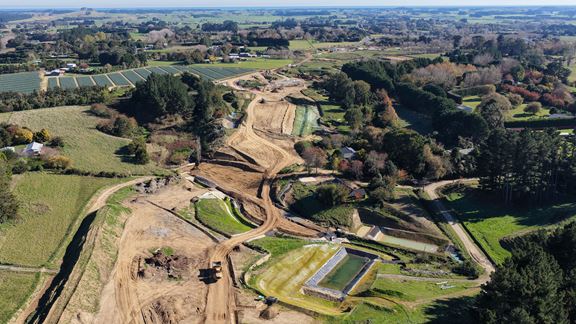
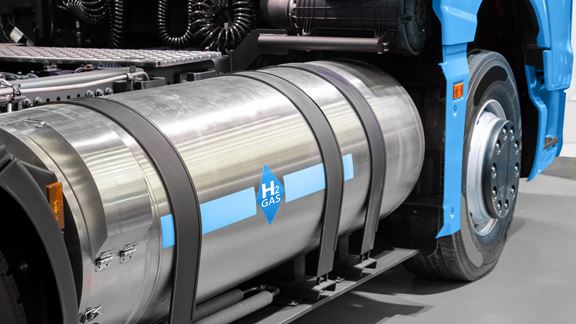
Renewable Hydrogen Ecosystem Study, Goulburn Valley, Australia
Aurecon's study guided Goulburn Valley Water to identify pathways to a renewable hydrogen ecosystem and support a clean energy transition in regional Victoria.



Change your location to view content tailored for you.
Aurecon and Water Services Association of Australia (WSAA) have together developed a guideline on managing wet weather overflows for the water industry in Australia and New Zealand.
Created with a central framework that allows water utilities to determine their wastewater systems wet weather strategy, the guideline enables a significant improvement in management of wet weather overflows to determine the investment required to mitigate their impacts.
Wastewater system complexity varies considerably across regions in both countries, from small systems with minimal wet weather flows to large complex systems, and systems with substantial wet weather flows.
Overflows occur when rain, or wet weather, enters the wastewater system causing it to reach capacity and discharge wastewater into the stormwater system, or natural environment, typically through emergency relief structures. A wet weather overflow can cause disruption to delicate ecosystems, community recreation activities, and the marine environment, reducing the economic value of waterways (Figure 1).
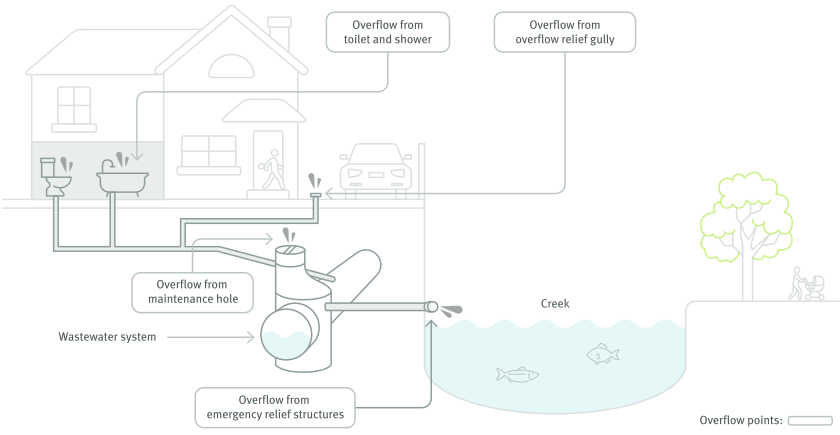
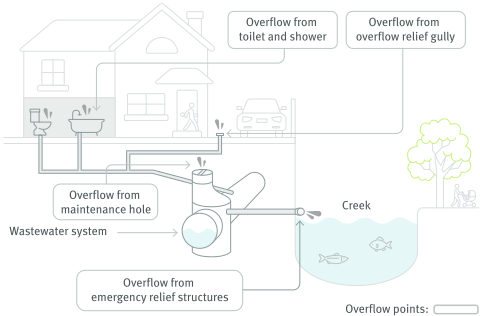
Figure 1: Typical wet weather overflow locations across a city landscape.
To develop the guidelines, Aurecon worked collaboratively with WSAA and water utilities in Australia and New Zealand using a systematic approach to define the scope and set a clear understanding of the current challenges and management approaches used. This was followed by determining the relevant steps water utilities would take to develop their wet weather overflow strategies.
The guideline is based on a set of management approaches that represent a range of maturity levels in the industry, together with their expected costs and benefits. The central framework will assist water utilities to frame their wet weather overflow strategy to be adaptable to local needs and conditions, whilst also minimising impacts on the receiving environment, human health and well-being.
Developing a wet weather overflow strategy requires two key considerations: the impact to the receiving environment, and the management of any impact. This guideline provides a range of potential considerations to assess:
The guideline categorises five types of receiving environments that may be impacted by wet weather overflows:

Considers water dependent ecosystems and terrestrial ecosystems that may be affected by WWO.

Considers the impacts WWO could have on the health and wellbeing of the community and protecting the use of the waterways and lands.

Considers the impacts WWO could have on properties. This typically refers to residential customer properties, however, could also include commercial, industrial, public or government owned properties.

Considers the impacts WWO could have on the economic value of waterways and their surrounds.

Considers the impact that WWO can have on the First Nations values of Country where the WWOs are discharging.
The guideline also defines five management approaches to enable a water utility to define performance expectations and inform decision-making regarding sustaining capital investment and management of infrastructure components:

Asset – A systematic approach to operate and maintain wastewater infrastructure to meet the performance requirements

Containment – Uses a containment measure to manage system performance

Outcomes – Set measurable goals or outcomes aligned with a strategic vision at a macro and micro level

Risk-based – Assess the likelihood and potential consequences of wet weather overflows to identify the potential impact on the receiving environment principles

Effects-based – A data driven decision-making approach for the management of activities and their actual impact on the receiving environment types
As community awareness increases, scientific knowledge and current levels of service are being challenged with regard to climate change, there is a strong case for change to improve performance outcomes for the future.
When selecting the appropriate management approach for each receiving environment type and outcome, water utilities will be able to use the new framework to help them consider the balance between the benefit and the scale of the wet weather overflow performance, complexity and cost.
Aurecon's study guided Goulburn Valley Water to identify pathways to a renewable hydrogen ecosystem and support a clean energy transition in regional Victoria.
Aurecon is part of the Northern Alliance delivering NZ’s Ō2NL expressway, partnering with NZTA Waka Kotahi to improve safety, reliability and efficiency.
Seqwater’s Integrated Master Plan redefines sustainable water planning for South East Queensland, a 30-year program of capital and non-capital interventions.