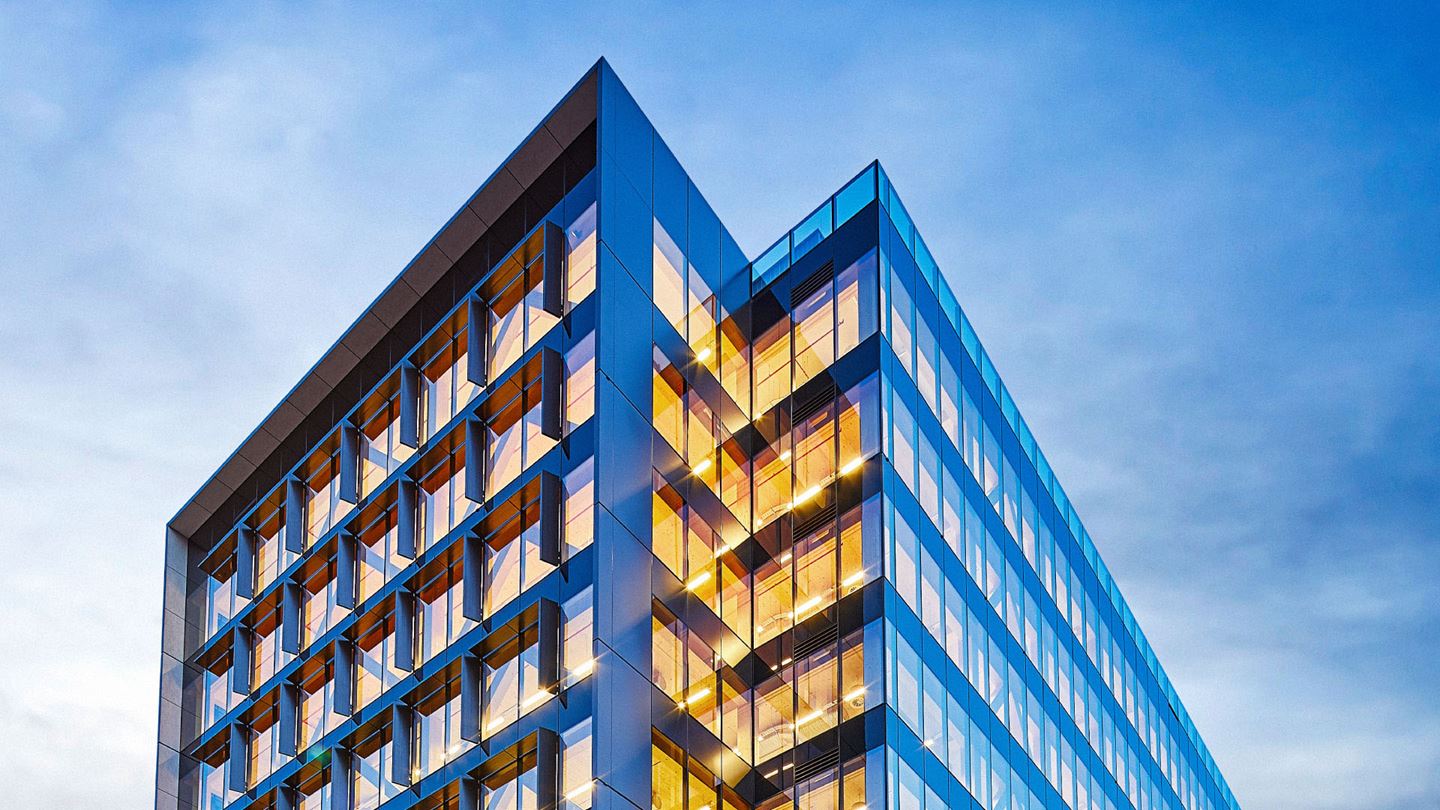
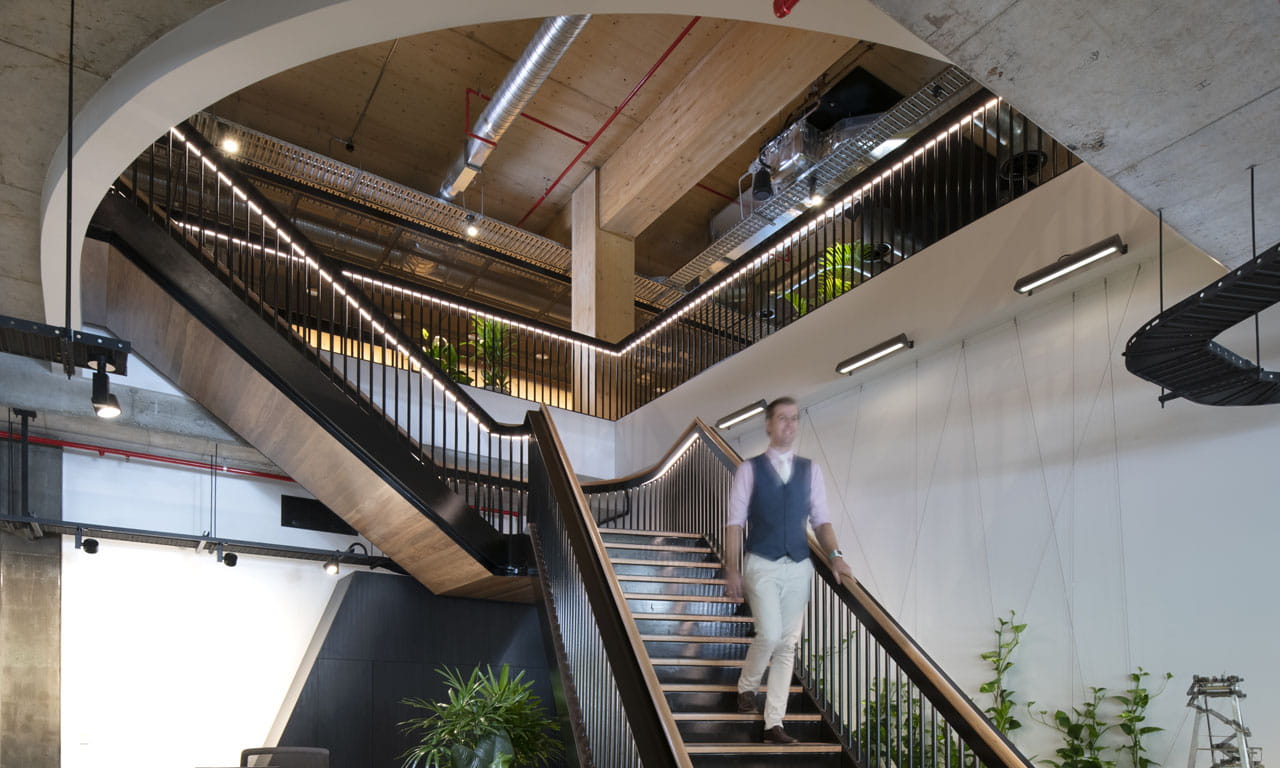
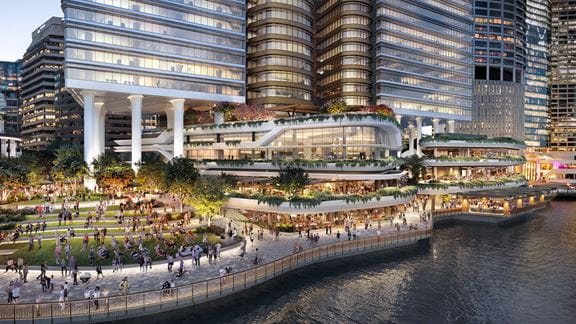
Among the steel and concrete buildings in Brisbane’s landscape, Aurecon’s client, Lendlease, offered an opportunity to be part of something special. Lendlease had an aspiration to construct tall buildings made of timber as part of the AUD 2.9 billion renewal of Brisbane Showgrounds in Bowen Hills. Located 1.6 km from the Brisbane CBD, the precinct is one of the largest urban renewal initiatives in Australia comprising 340,000 m2 of new residential, commercial and retail buildings.
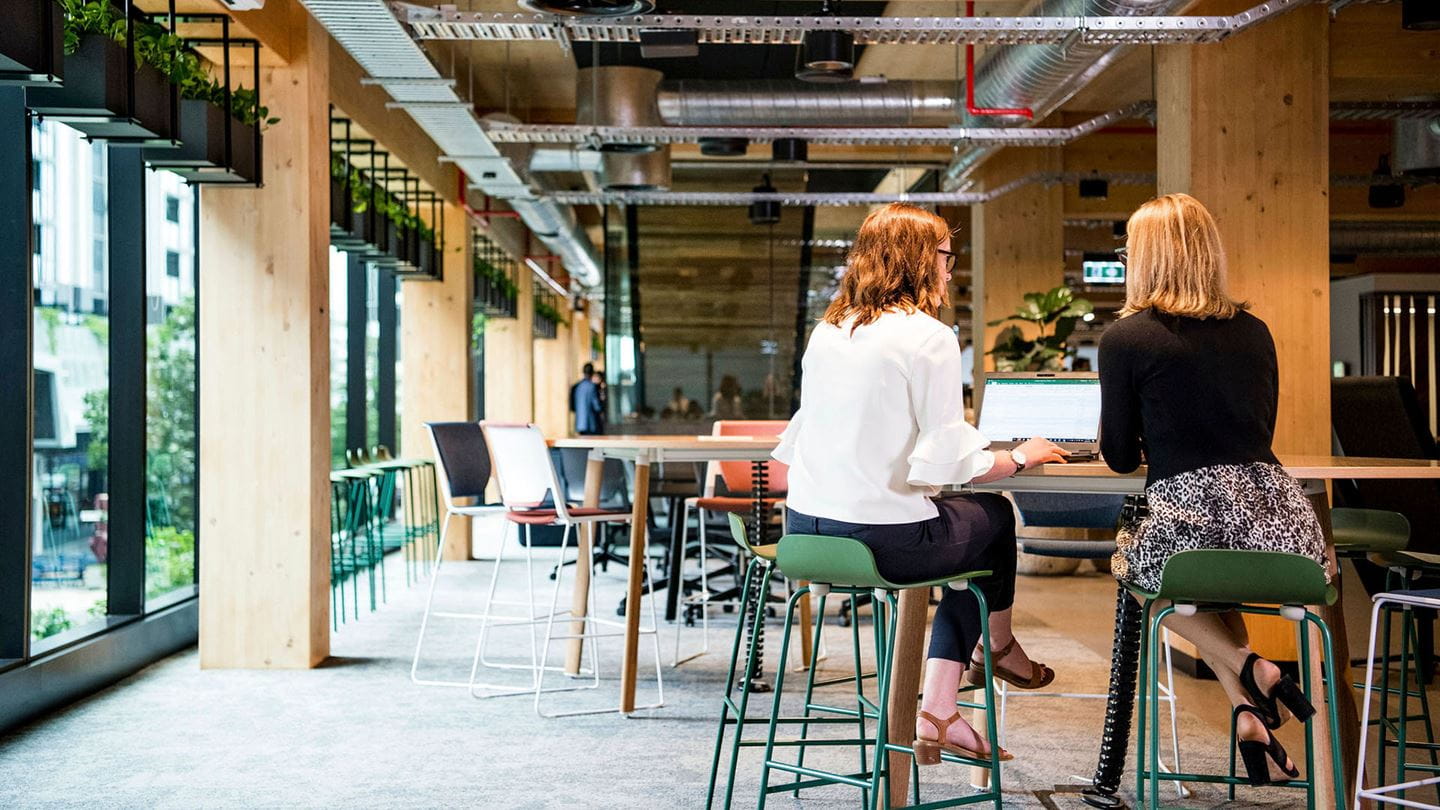
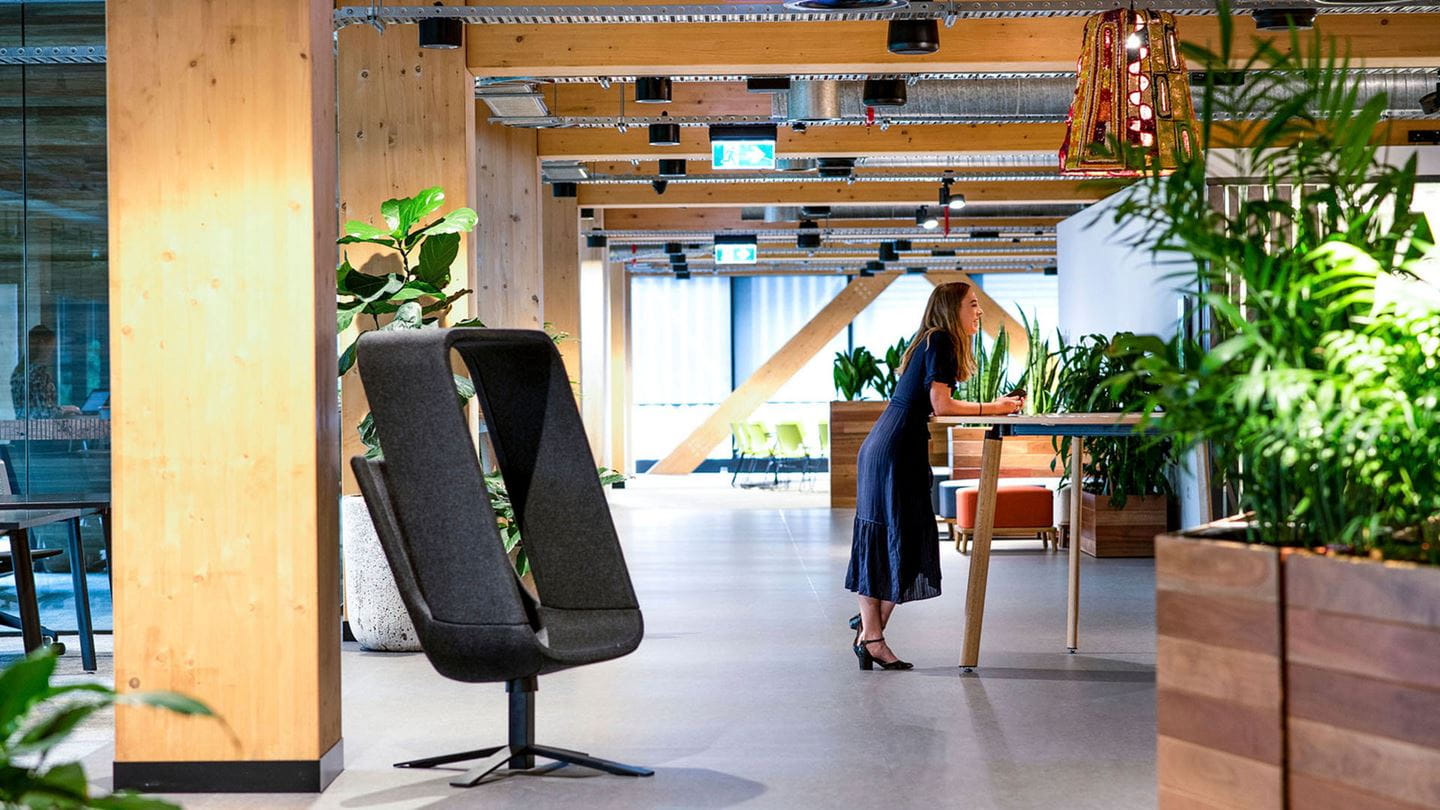
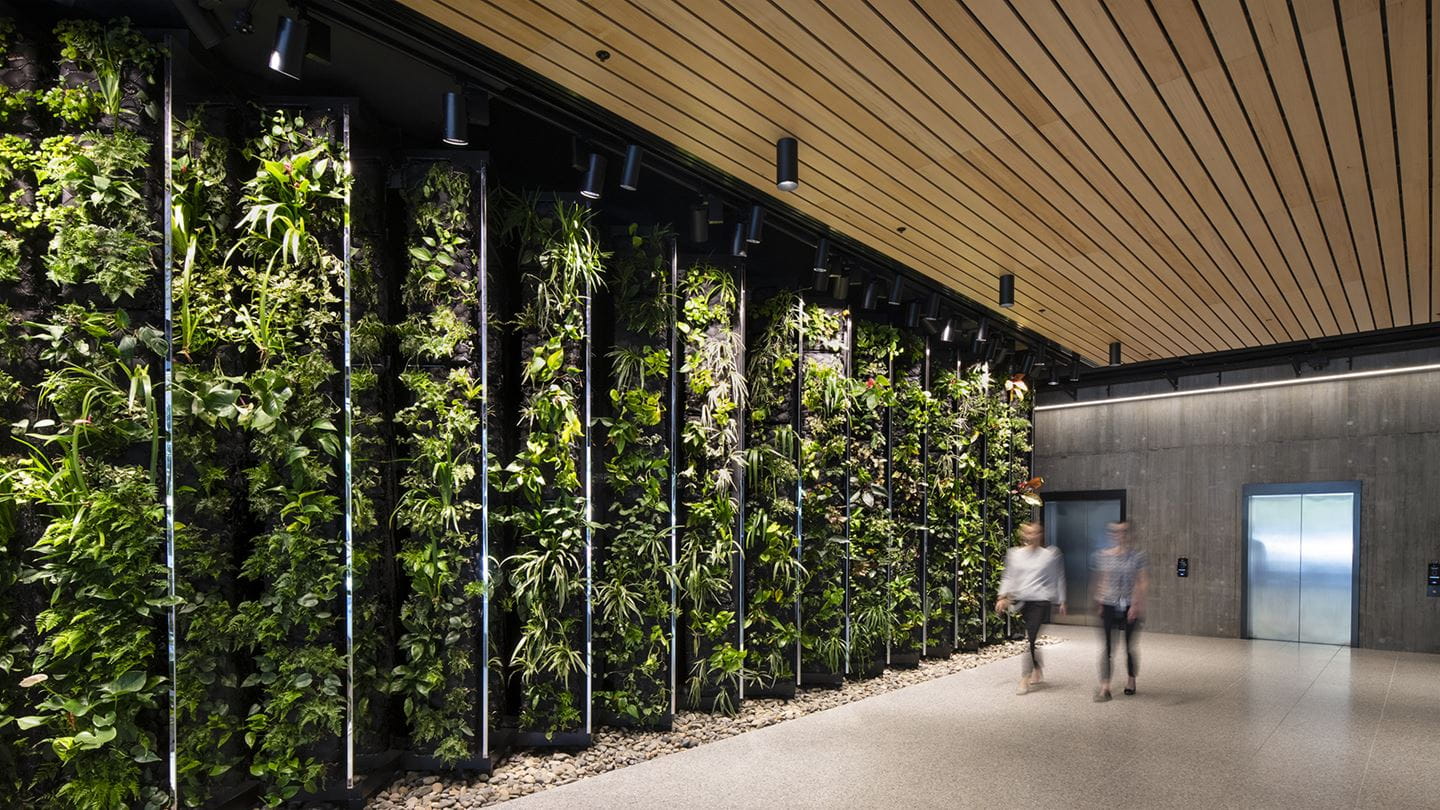
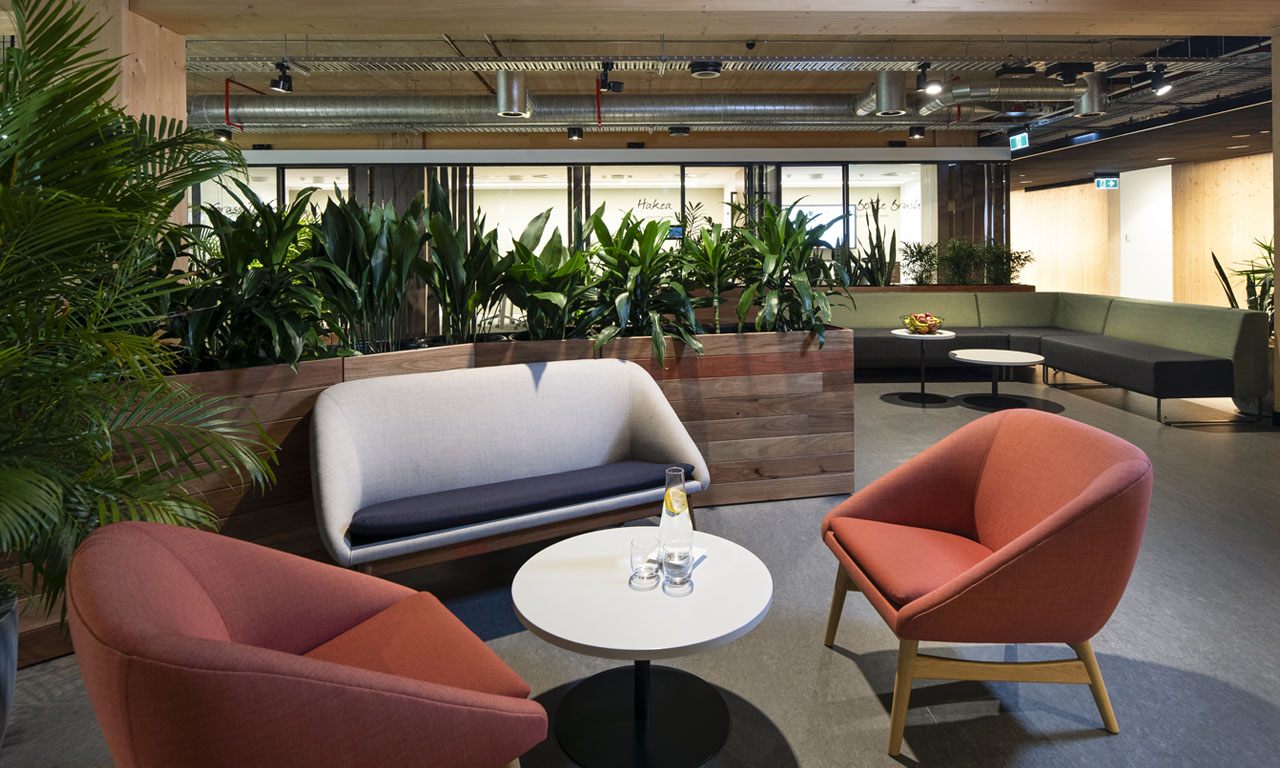
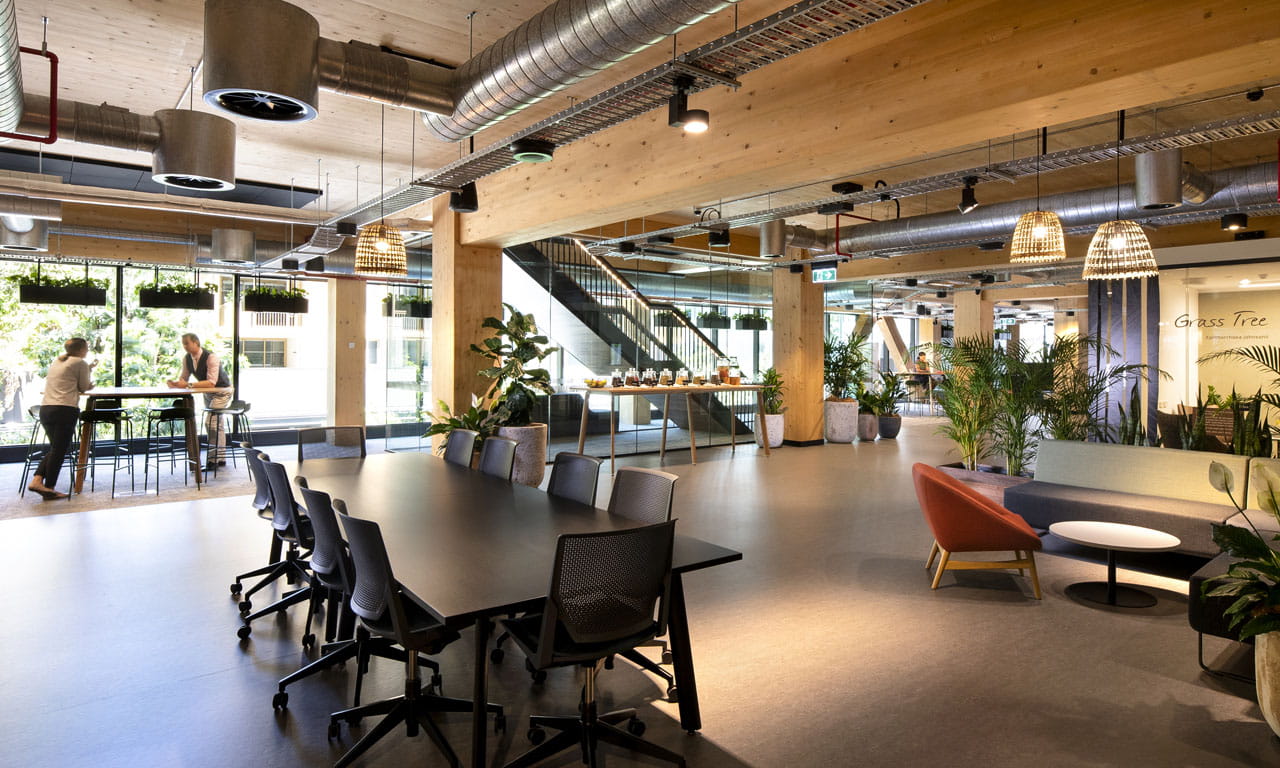
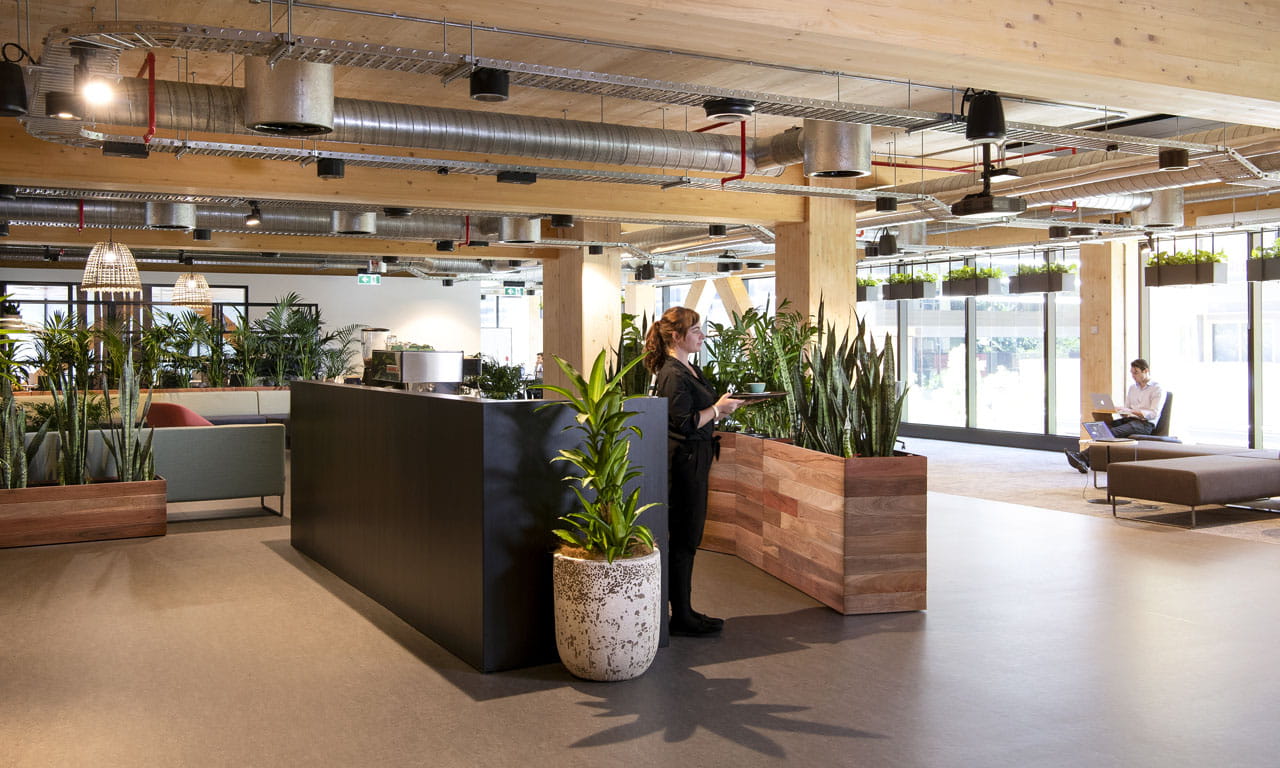
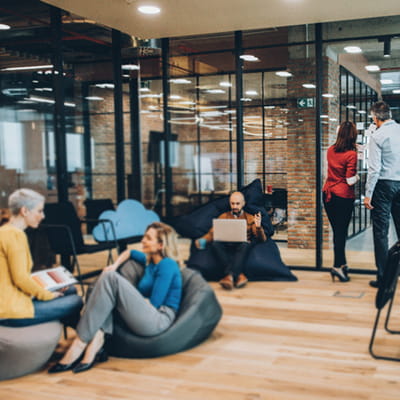
Aurecon sought to create a world class working environment when searching for new office space to relocate its 700+ people. The timber option submitted by Lendlease gave Aurecon the chance to differentiate itself by creating an environment that puts its people at the heart of its design, thereby showcasing the sustainability and innovation goals of the company, while supporting the health and wellbeing of our people.
Not only is Aurecon the anchor tenant, but also was part of the creation of 25 King as the structural engineers (with Lendlease), building services and acoustic engineers and sustainability consultants for the building, along with architect Bates Smart, interior architect Woods Bagot and owners Impact Investment Group.
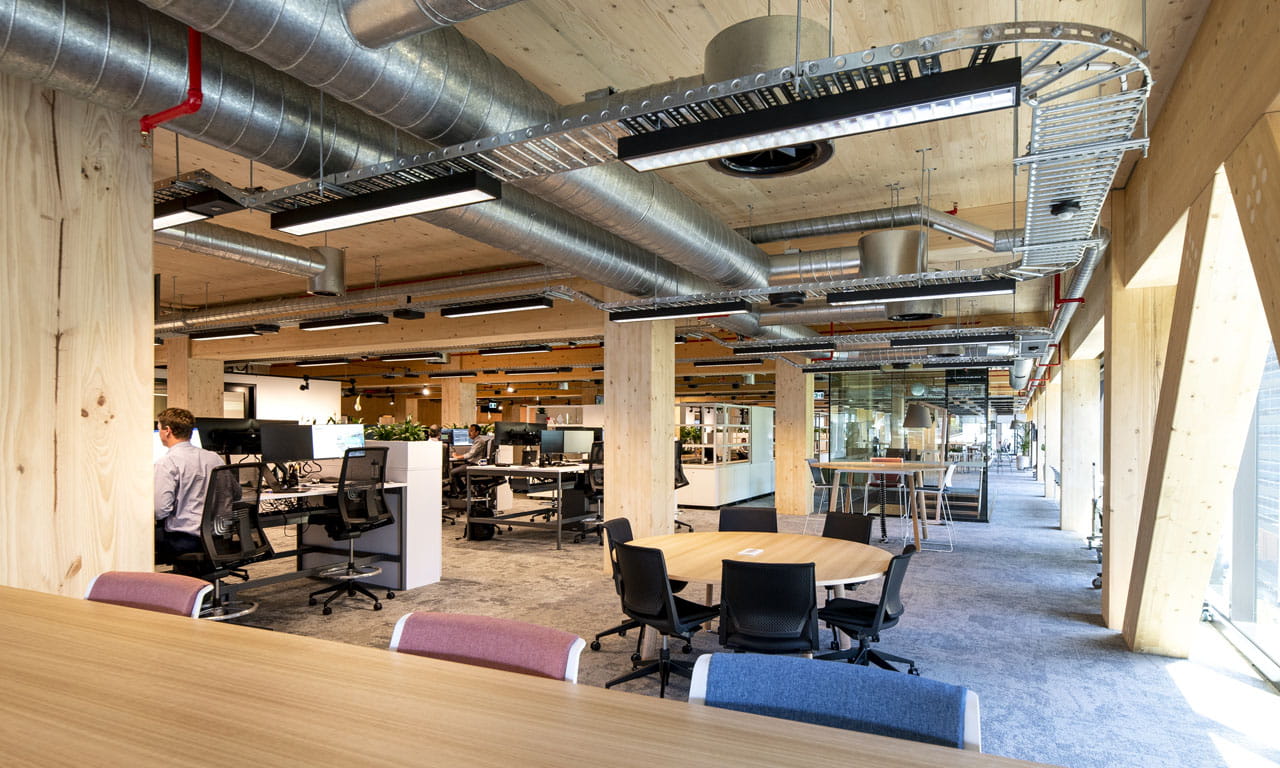
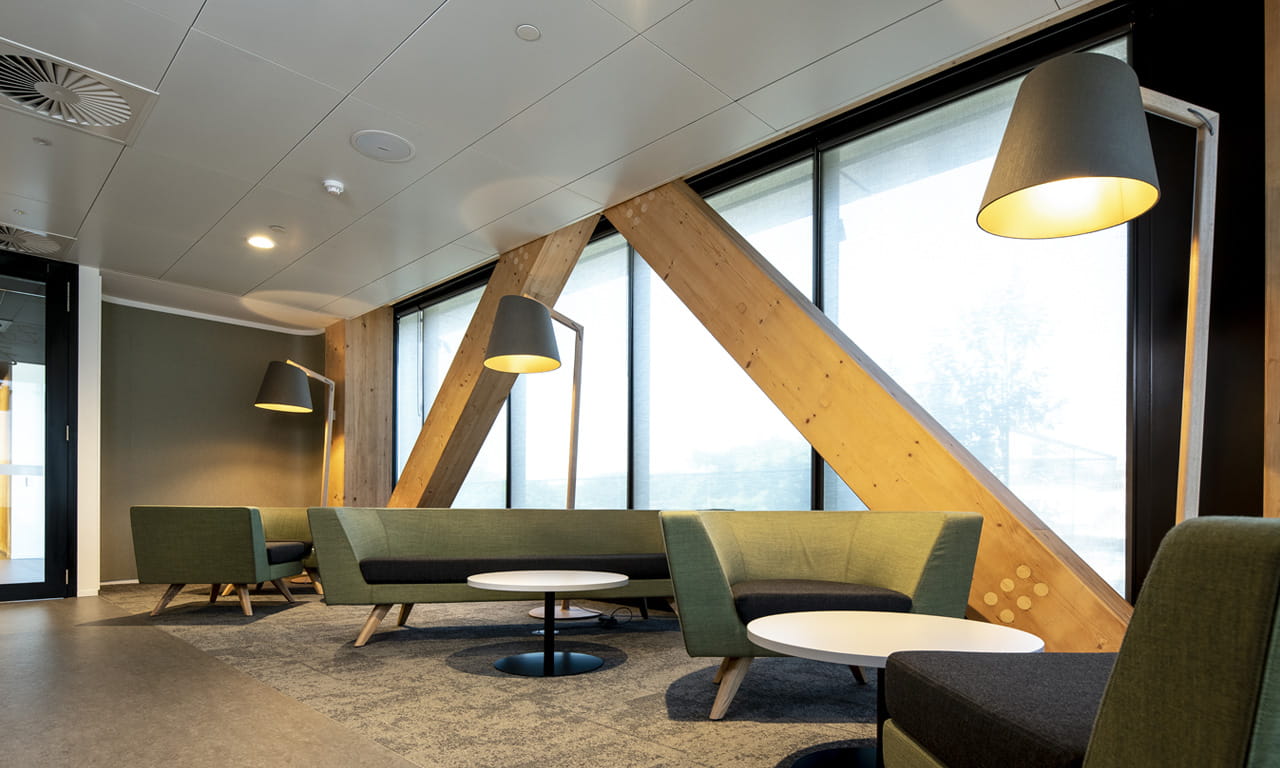
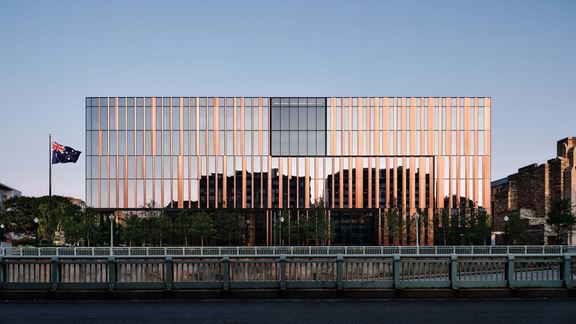
The tallest mass engineered timber commercial building in Australia, 25 King is a world-class building of the future and represents the new breed of workplaces of the future.
Using mass engineered timber as part of a circular economy approach
Mass engineered timber (MET) buildings closely align with circular economy principles and can be an exemplar in circularity. Circular economy is a framework that supports businesses and communities to thrive in a climate and resource constrained world by designing-out waste and pollution, extending the use of assets and materials, and regenerating natural systems.
Decreasing reliance on finite materials to prioritise renewable resources, such as timber, is a key concept of the circular economy. When mass engineered timber (MET) is harvested from sustainably managed forests, it can play an important role in the circular economy, and when sourced from a certified sustainably managed forest, timber can have a lower carbon footprint than traditional building materials.
MET is generally constructed through the gluing together of multiple layers of wood, allowing for thinner and lighter layers of wood. This reduces the amount wood needed enabling resource conservation. Due to its engineered nature, it is less susceptible to warping or splitting, increasing its lifespan and by extension, longevity of buildings.
MET also allows for modular design and construction, helping to design out waste and pollution at the start. Modular timber buildings are assembled from prefabrication which reduces waste and can support disassembly at end-of-life, enabling components to be re-purposed. By using MET in a circular economy approach, we can promote sustainable forest management, design out and reduce waste while conserving finite resources.