Making choices for de-risking renewable project delivery
Aurecon shares insights on how renewable project delivery models are evolving to better manage risk and deliver long-term value through project partnerships.


Change your location to view content tailored for you.
As the global population heads toward a projected peak of 10.3 billion people by the mid-2080s[1] up from 8.2 billion in 2024 – the demand for buildings and infrastructure to accommodate more people is accelerating. From buildings to work, study, and live within, and structures that allow us to move around and live our lives, our growing cities and towns must respond to increasingly complex needs.
At the same time, the built environment is under pressure to do more with less – with every structure, new or existing, expected to achieve greater carbon emissions reductions, materials efficiency, and waste reduction.
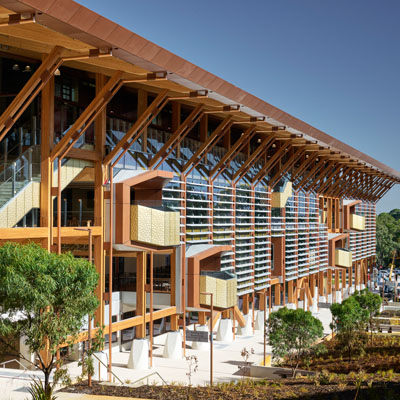
This dual challenge is reshaping the way our structures are planned, designed, and constructed, particularly in the type of materials used. It is driving a shift towards the use of more circular, low-carbon materials, like timber.
In this article, we explore the use of sustainable timber and integrating circular economy principles throughout the lifecycle of a structure.
Traditional materials such as concrete and steel are known to contribute heavily to carbon emissions. In Australia, for example, the upfront embodied carbon associated with the country’s pipeline of infrastructure and buildings is forecast to be between 37 Mt CO2e and 64 Mt CO2e per year up to 2030, with the buildings sector accounting for more than 40 per cent of the total[2]. These sectors are also a significant consumer of raw materials, leading to materials and supply chain pressures.
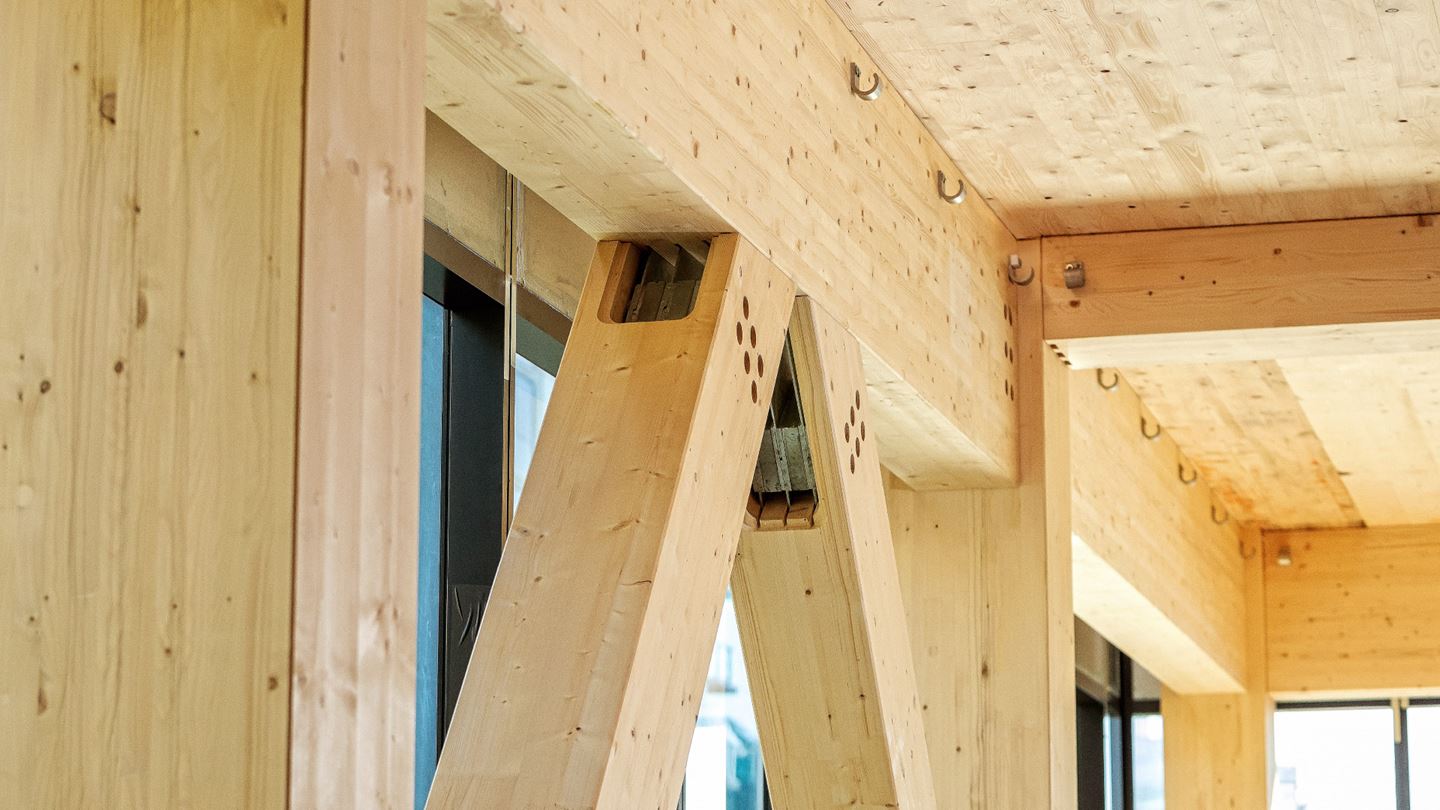
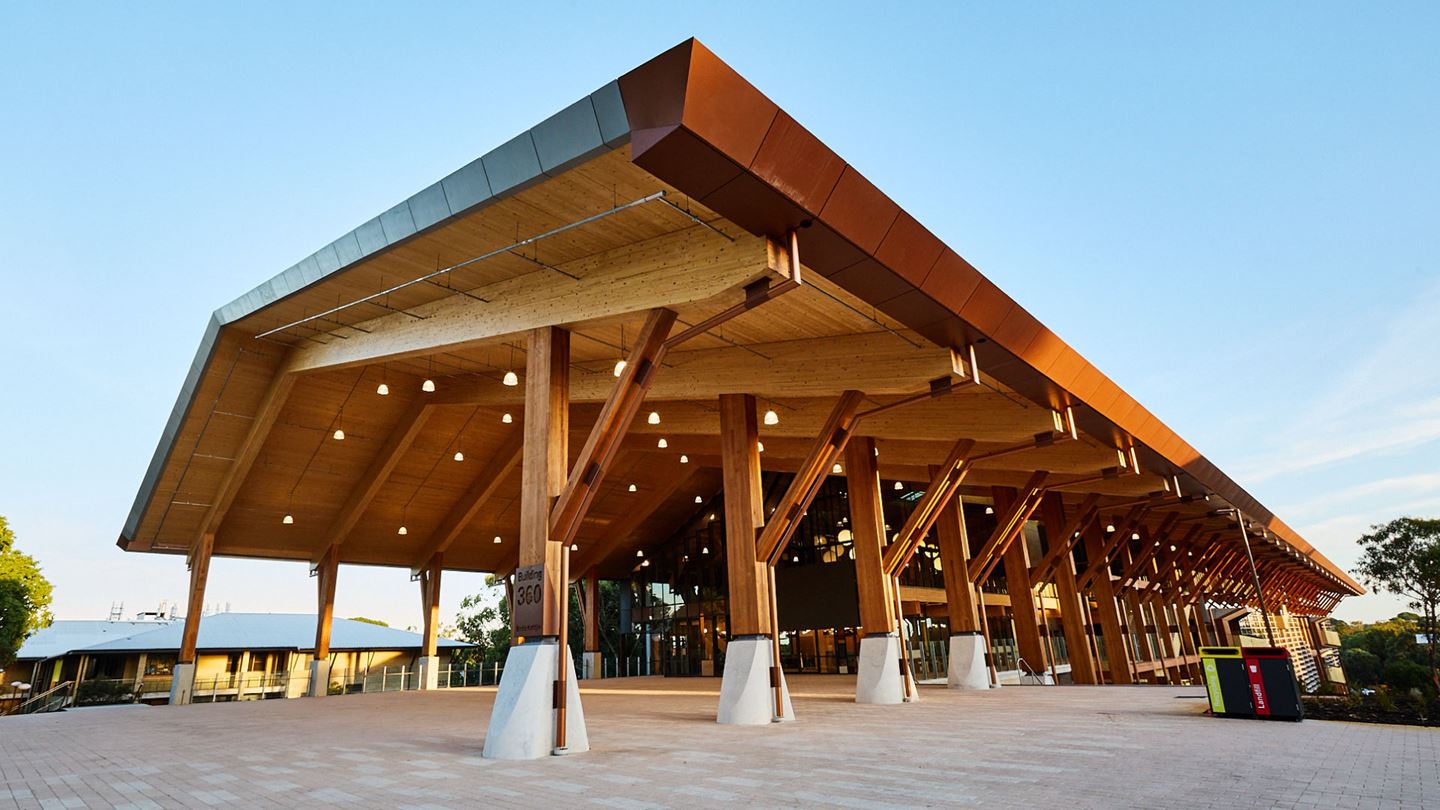
Timber as an alternative, low-carbon footprint, construction material is growing in popularity due to its multitude of benefits:

Timber can be prefabricated, potentially reducing construction timeframes and on-site construction waste

Timber can be used in a wide range of structural applications, and can be a lightweight solution for challenging projects

Timber’s potential for disassembly and reuse supports more resilient, localised, and adaptive supply chains

Trees absorb carbon during growth and when used in design, the timber continues to store carbon, contributing to a more sustainable building

Research has shown that the biophilic effect of timber in buildings may reduce occupant stress, and connect users with nature[3]
The greatest success comes from considering the use of timber early in the project strategy, planning and design stages, to support supply chain efficiencies and its efficient use.
Rather than managing waste after it has been created, a circular approach proactively designs waste out of the system at the early planning and design stages. This is achieved by aiming to use less materials to start with, then keeping components and materials in use longer in their current (or similar) form, and finally enabling materials to stay in the economy through recycling or safely returned to nature. It drives us to choose more sustainable materials, approach construction differently, and design flexible and resilient infrastructure systems.
The recognition globally that a sharp shift to circular approaches is required is gaining momentum as research shows that while renewable energy can mitigate approximately 55 per cent of global emissions, circular production and consumption methods are necessary to tackle the remaining 45 per cent[4]. The use of timber in traditional and, increasingly, non-traditional applications, offers a powerful lever for change.
The framework for circularity with timber for construction is relevant across different built form types, and emphasises the importance of making informed upfront decisions, implementing practical design practices, and maintaining ongoing management strategies.
Hover over the icons below to learn more.

Upfront decisions

Circular design practices

Extending lifecycle

Ongoing management strategies
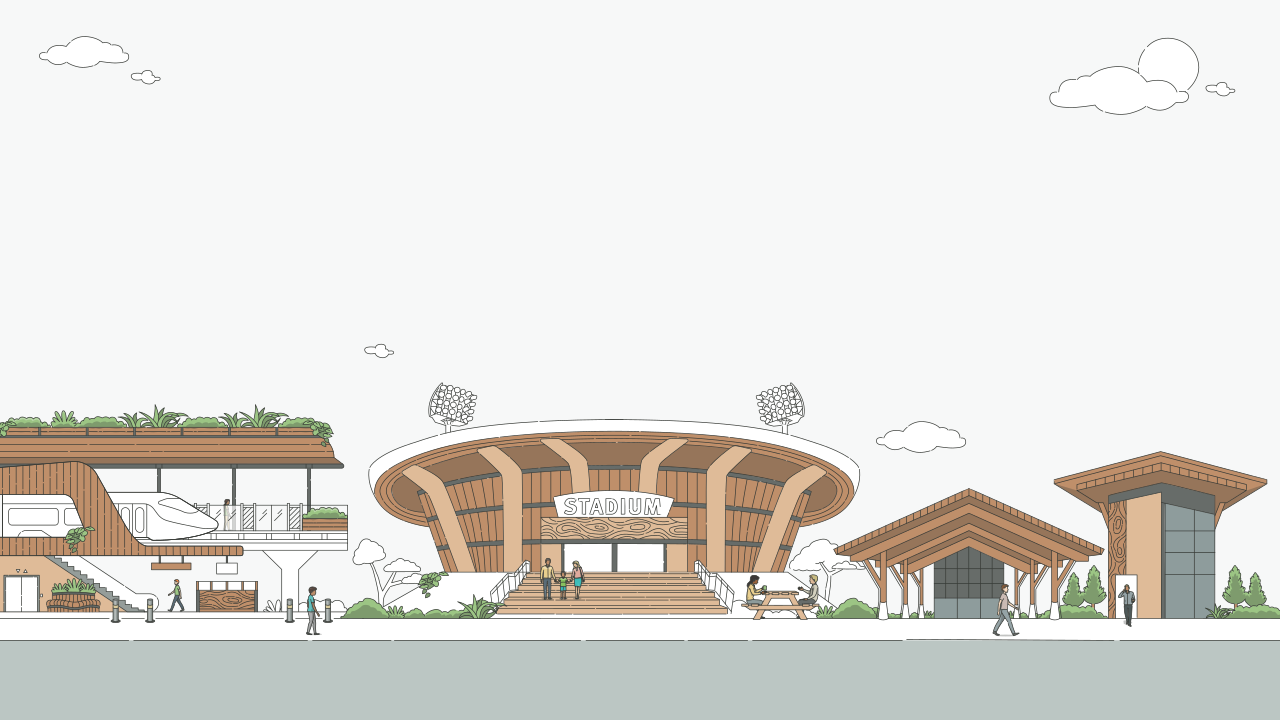
Despite growing global interest, including the world’s largest timber city started on the outskirts of Stockholm, the widespread adoption of timber in structures across Asia-Pacific has faced slow growth.
Common barriers to adopting mass engineered timber more extensively include supply chain immaturity; regional constraints on production and delivery; limited examples at scale to replicate; and a perceived higher use cost. It will take time to address each challenge, but as we see the use-case for timber growing, it is likely timber will be used more extensively across more traditional, and also non-traditional, building and infrastructure types.
We’re already seeing hybrid solutions being discussed to combine timber with concrete or steel, and policy reforms to incentivise the use of mass engineered timber. In additional, more research, such as Aurecon’s association with the ARC Research Hub to Advance Timber for Australia's Future Built Environment (ARC Advance Timber Hub), is accelerating readiness to adopt timber use.
Increasingly, major events such as the Olympic and Paralympic Games present opportunities to scale timber use. Legacy planning for these events now routinely includes using more sustainable building materials, together with planning for post-event disassembly of structures to reuse materials. This presents significant potential to use timber in non-traditional uses such as stadiums, data centres or water treatment facilities.
One important component of tracking the circularity of timber is tracing materials along the supply chain, during use and at end of (first) life. Digital technologies such the Internet of Things (IoT) and artificial intelligence (AI) will play increasing roles in tracing and verifying properties of materials and components in build forms. Acting like material passports, technology will help retain important information around material properties, environmental impacts, maintenance and dismantling methods, and reuse and recycling options, providing informed decision-making across the lifecycle.
The strength of digital tools such as AI lies in its ability to manage and analyse the complex datasets associated with accumulating data at each stage of the supply chain. This is digitally analysing all the data and calculating the total emissions intensity, and mapping the origin, composition and lifespan of potential future uses of materials. It may increase the operational efficiency of complex supply chains and help by achieving higher levels of compliance and transparency critical to complex regulatory environments.
This level of traceability shifts timber from a consumable product to a strategic, data-rich asset.
It is important to note that whilst timber can be ideal for many projects, it may not suit them all. But where it fits, it can provide unparalleled circularity benefits, particularly when supported by technology advances, standards that support its use, and supply chain partnerships.
[1] United Nations, World Population Prospects 2024, Department of Economic and Social Affairs Population Division, accessed 19 June 2025.
[2] Australian Government, 15 July 2024, Embodied Carbon Projections for Australian Infrastructure and Buildings, Infrastructure Australia, accessed 19 June 2025.
[3] Kellert, S. and Calabrese, E. 2015, The Practice of Biophilic Design, www.biophilic-design.com
[4] Ellen Macarthur Foundation, 2021, Fixing the economy to fix climate change, accessed 19 June 2025.

Circular Economy Leader and Innovator

Director, Innovation

Buildings Structures Practice Leader – QLD, Australia

Buildings Structures Practice Leader – WA & NT, Australia
Aurecon shares insights on how renewable project delivery models are evolving to better manage risk and deliver long-term value through project partnerships.
As climate impact events become increasingly prevalent, there is a sharpening focus on resilience investment for Australia's infrastructure across every sector.
Building sustainable hospitals demands a focus on adaptability, climate resilience, and sustaining capital to address the healthcare needs of the future.