Renewable Hydrogen Ecosystem Study, Goulburn Valley, Australia
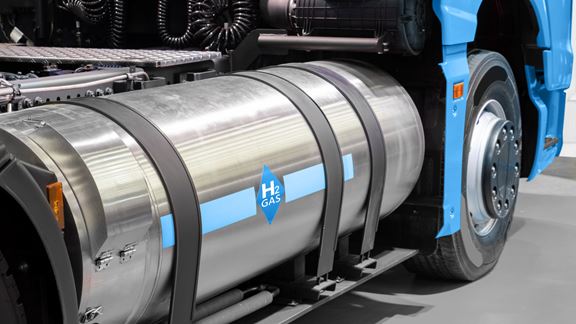
Aurecon's study guided Goulburn Valley Water to identify pathways to a renewable hydrogen ecosystem and support a clean energy transition in regional Victoria.


Change your location to view content tailored for you.
A circular economy shifts society’s current ‘take, make, waste’ mindset towards a circular ‘design out, retain, regenerate’ system.
This concept was explored in regional Victoria by Aurecon and Lifecycles (lifecycle assessment specialists), working in partnership with nine councils across the Loddon Mallee and Loddon Campaspe regions. The focus was on mapping the circular economy landscape in three key local sectors: construction, consumer and household goods, and agriculture.
The project achieved a shift in thinking away from circular economy solely being about kerbside waste and recycling. The consumption and transformation of how primary and secondary materials are used represent even greater opportunities for circularity.
The team identified nine immediate circular economy opportunities able to be implemented by (or with support from) the local councils. These, combined, will divert up to 688,000 tonnes annually of waste materials otherwise sent to landfill, reducing regional greenhouse gases by up to 418,000 tonnes per year of equivalent carbon emissions.
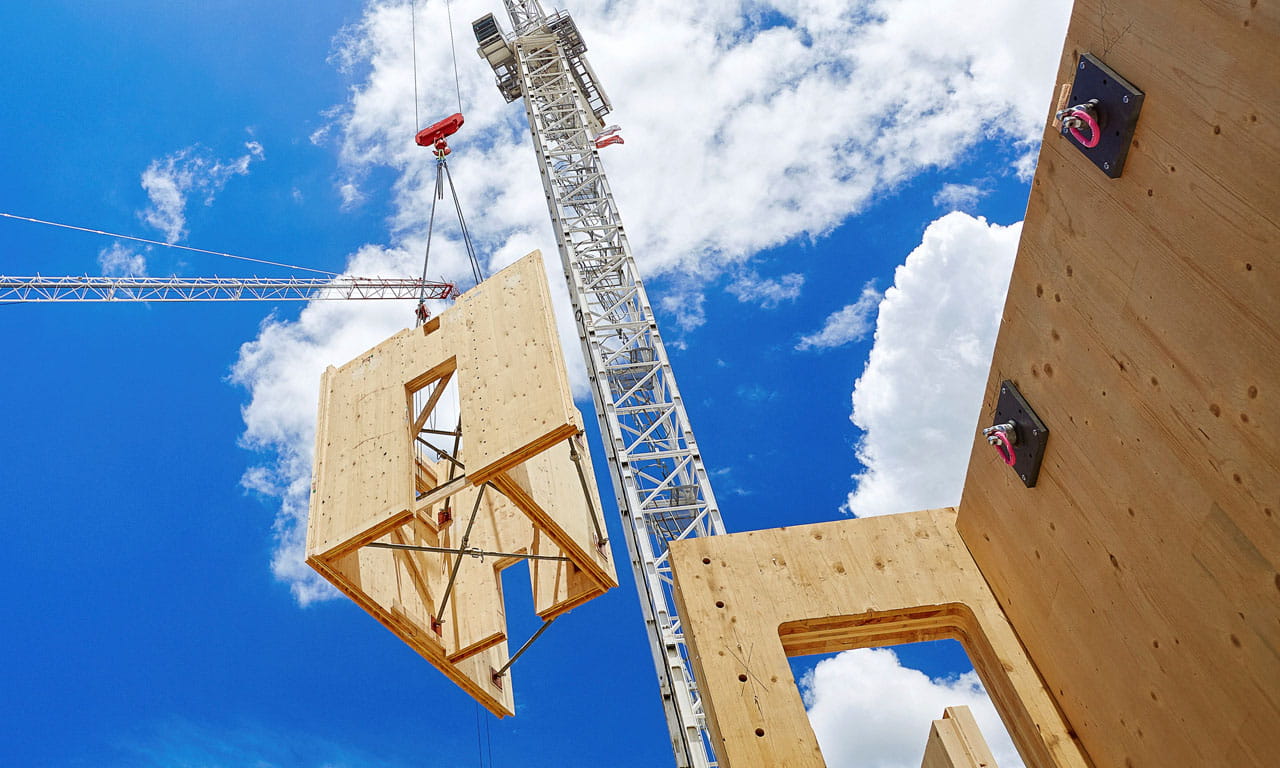
The opportunities ranged from high-value upcycling of pre-farmgate wasted food to modular construction solutions for new buildings, and introducing local circular economy manufacturing processes.
Aurecon began the project by gathering data on current levels of waste produced by each sector, the percentage of waste recycled, each sector’s asset lifecycles, population housing stock in the regions, their potential business economic growth, and capital expenditure projections.
This was combined with council strategies and targets, and an understanding of a circular economy, to determine which data was going to be valuable for the landscape mapping exercise.
We then investigated circular economy opportunities based on the project’s defined benefit criteria of:


This project took circular economy beyond targets, towards identifying immediate actions that make a significant change to the net zero achievements of the regions.
Collaboration between the councils, in close partnership with state government bodies and industry, will be central to the implementation of identified opportunities in order to reduce waste and primary materials inputs.
Aurecon's study guided Goulburn Valley Water to identify pathways to a renewable hydrogen ecosystem and support a clean energy transition in regional Victoria.
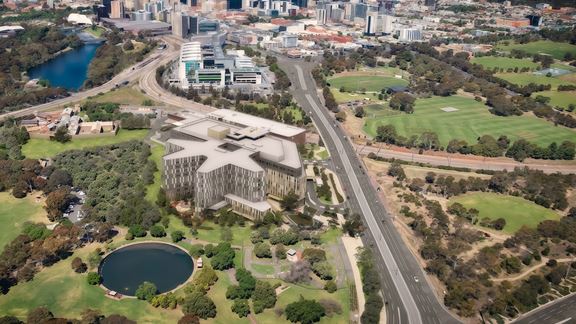
Aurecon leads building services engineering for the New WCH to deliver a 100% all-electric tertiary hospital for South Australian women and children.
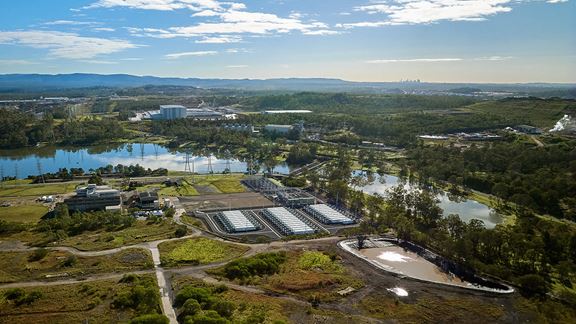
Aurecon delivers engineering, environment and planning advice to transform CleanCo’s Swanbank Precinct into a low-emission energy generation and storage hub.