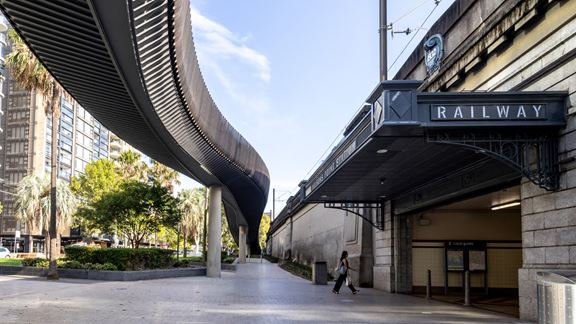

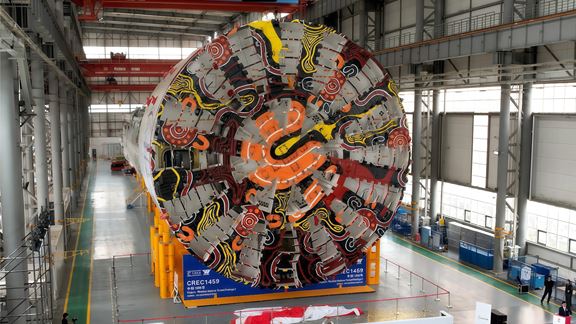
Western Harbour Tunnel, Sydney, NSW, Australia
Aurecon is transforming Sydney Harbour, replacing dredging with TBM tunnel engineering to deliver a faster, safer and more sustainable second harbour crossing.


Change your location to view content tailored for you.
The state of South Australia has a vision to be a national leader in electric vehicle uptake and smart charging by 2025, to make more efficient use of the electricity network and to adopt new technologies.
Aurecon partnered with the Department of Energy and Mining, and energy and transport modeller Energeia, to develop a guide for overnight accommodation venues to begin considering how they can incorporate smart charging systems. It’s understood to be the first study of its type in the world.
The European Union estimates that with more than 70 million electric vehicles on the road by 2030 (globally), a large number of public chargers will need to be installed, operated and maintained.
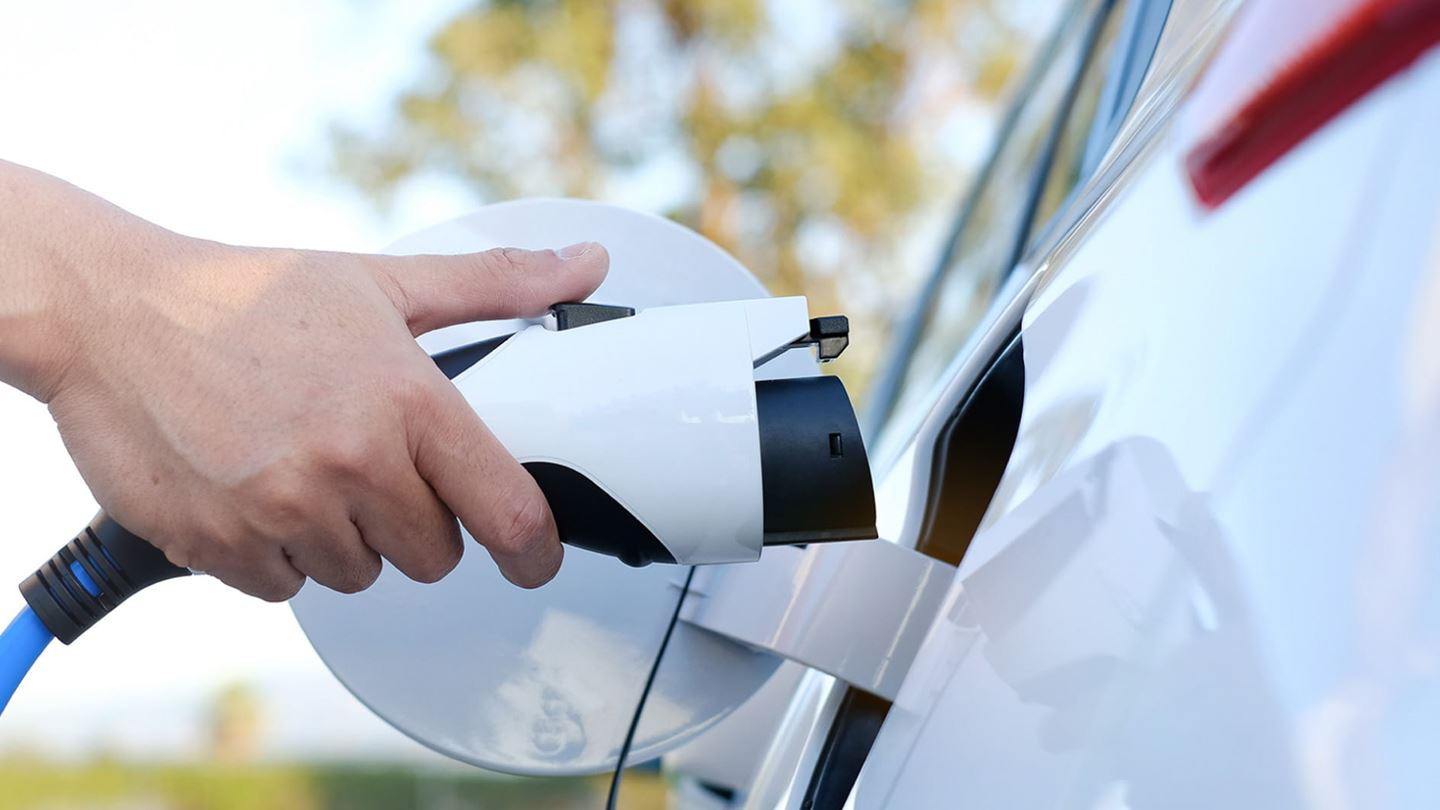
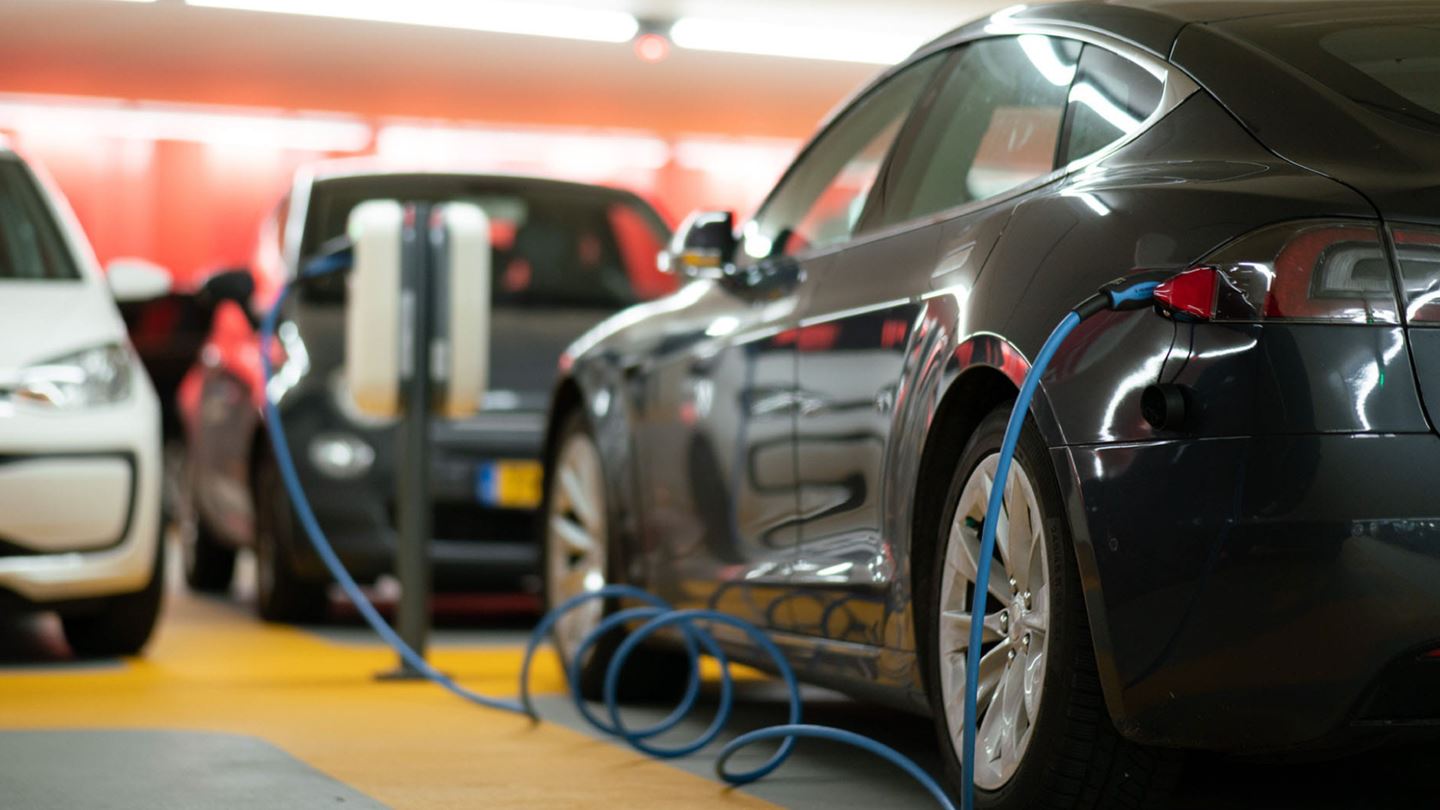
Convenient overnight charging at motels and holiday parks would enable drivers to start the next day with a full charge, provide site hosts with a new revenue stream, and reduce congestion at highway charging locations so that drivers in transit have confidence of a quick turnaround at their next driving break.
While it is certain that electric vehicles will become commonplace on roads in the future, the uptake (or rate at which this happens) is dependent on many factors: availability of public charging infrastructure, vehicle model availability, cost, safety and other influences.
Accommodation site owners are encouraged to start planning for how to install charging stations, the required electricity infrastructure, and how to adapt their business model to incorporate this change in operation.
Combining the experience of South Australia’s electricity network with knowledge of future energy systems, Aurecon contributed to a set of considerations for accommodation venues to begin their preparations for a future with electric vehicles.
The guide outlines an approach to forecasting charging patterns over the next 5, 10 and 15 years to provide a picture of the growth in the electric vehicle market and corresponding demand on chargers.
It also identifies which core decisions business owners will need to make, such as how they will charge their guests, strategies for managing tariffs such as shifting the charging to overnight (off-peak electricity rates and limiting maximum demand), and what they need to change on their site to accommodate electric vehicle charging infrastructure.
This assists businesses to begin thinking about the impact on their operational model, and how to start preparing the infrastructure, control systems and managing tariff choices for electric vehicle charging.
Unique to the tourism sector is the likely change in electric vehicle technology and higher voltage infrastructure.
This study calculated the current approximate electricity usage of a typical visitor to a motel room or holiday park cabin and determined by what volume that would increase if the visitor wanted to charge a typical mid-sized electric vehicle. The study noted that likely in the future, popular electric vehicle models will have much higher capacity batteries (as large as 100kWh or more), which would further increase electricity usage.
The study also highlighted that larger caravans, and larger vehicles towing caravans, will likely require higher voltage charging infrastructure in the future.
As the arrival of these vehicles could occur before 2025 (or close to that time), there is a pressing need for regional businesses to develop and refine service models that could be scaled to meet the growing needs of customers.
The key takeaway for accommodation providers is to install a trial smart charging system and take advantage of lower off-peak prices, then determine its success against their business model and guest requirements.
By starting small, the system can be scaled up in the future as more guests require vehicle charging and the business model of operation has been developed around communicating with guests on pricing models that apply for the service.
In the future, accommodation providers can play a key role in away-from-home and commercial fleet electric vehicle charging, as well as contribute to decarbonising transport and improving the affordability, reliability and security of the state’s electricity supply.
Aurecon is transforming Sydney Harbour, replacing dredging with TBM tunnel engineering to deliver a faster, safer and more sustainable second harbour crossing.
Aurecon's active transport design expertise supports TfNSW to create a seamless, unobtrusive, step-free ramp and cycleway across Sydney Harbour Bridge.
Aurecon's study guided Goulburn Valley Water to identify pathways to a renewable hydrogen ecosystem and support a clean energy transition in regional Victoria.