
UNDRR's Principles for Resilient Infrastructure Scorecard
Aurecon supported the UNDRR in developing a scorecard for assessing systemic resilience of essential infrastructure and assets to climate risk.


Change your location to view content tailored for you.
Aurecon together with Queensland Investment Corporation (QIC) assessed the resilience of two of QIC’s major infrastructure assets in the state using the UNDRR’s Principles for Resilient Infrastructure Scorecard.
Developed by the United Nations Office of Disaster Risk Reduction (UNDRR) with support from Aurecon, the Scorecard is a set of assessment guidelines that support organisations and governments to establish a baseline for the resilience of assets against potential natural disasters, to allow optimisations to be identified and prioritised.
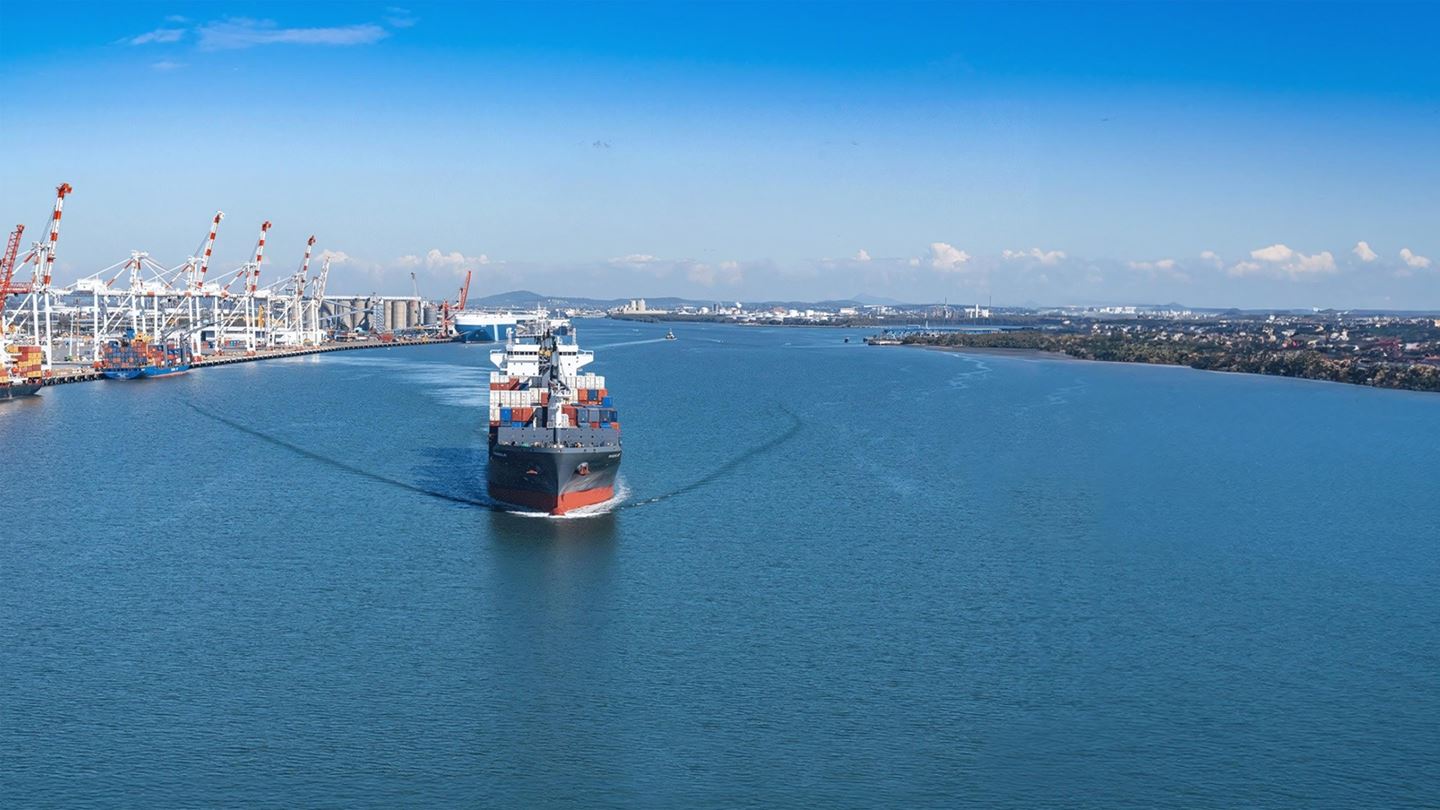
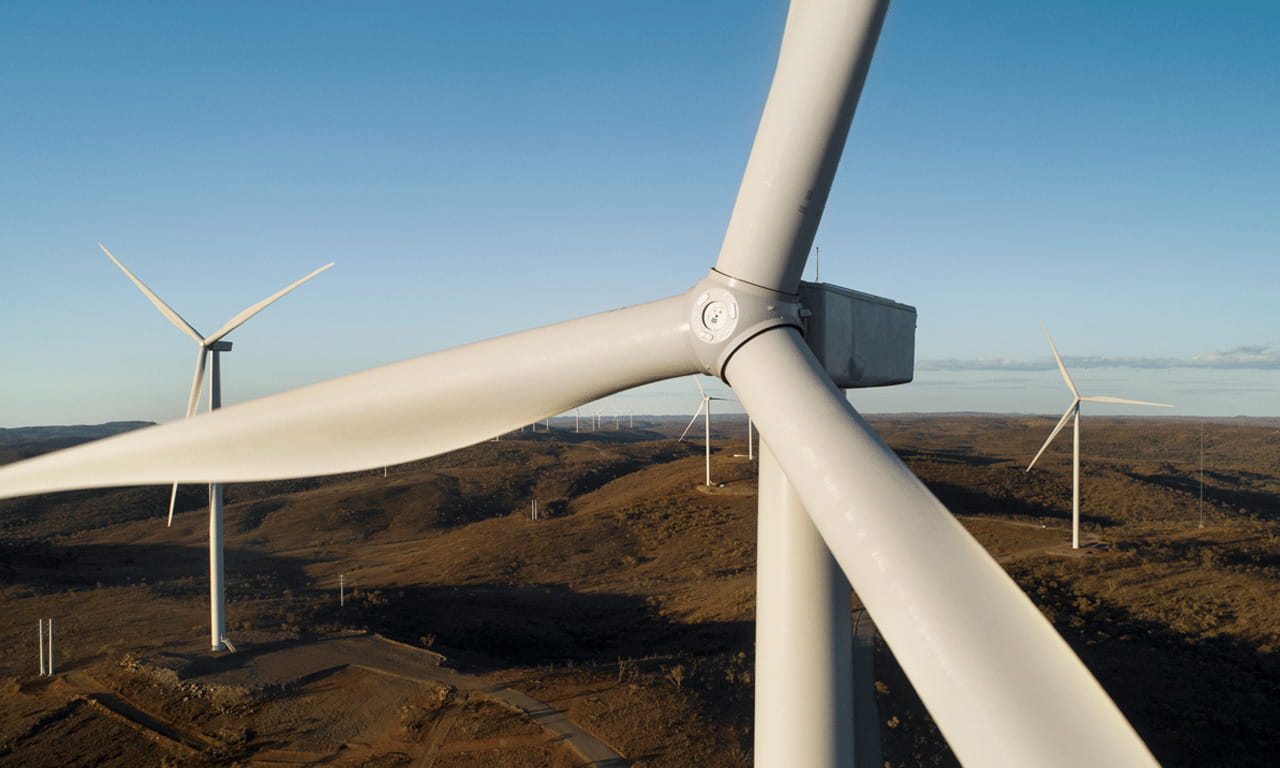
Silverton Wind Farm and Port of Brisbane were selected to undergo the Scorecard assessment due to their significant contribution to Australia’s economic future. The holistic assessment provided the asset owners with a deeper understanding of the many dimensions of disaster risk: hazards, exposures, vulnerabilities, capacities. An important aspect was providing insights into the effect of anticipated or unexpected shocks and stresses on both assets and how these may be addressed with coordinated resilience planning.
The assessment fortified the importance of interconnected service systems and identified a pathway of optimisation projects to support asset resilience in response to a multitude of disruptions.


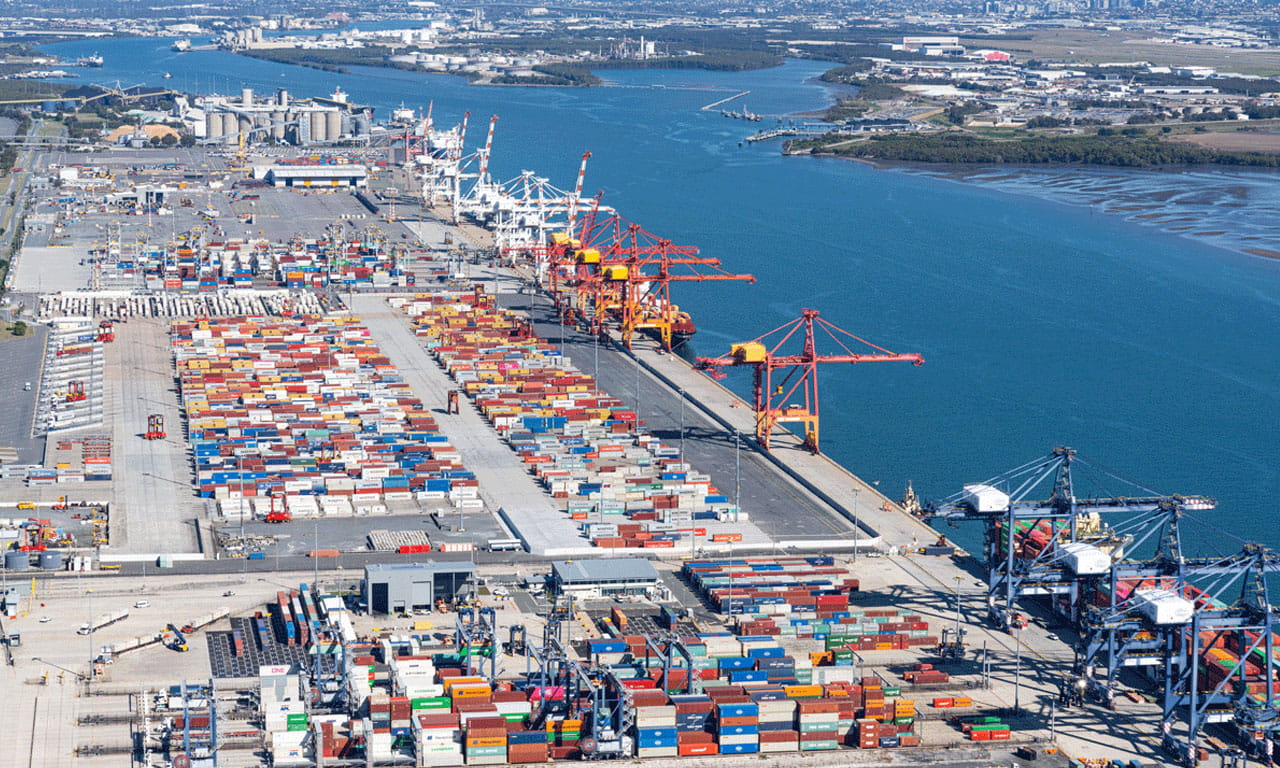
One key aspect was recognising the importance of facilitated collaboration between asset owners and third-party stakeholders to manage risks. For instance, access roads to assets are often owned and managed by stakeholders, yet a disruption like flooding poses a risk to an asset’s operations.
Similarly, if an extreme storm were to disrupt the single transmission line feed to a wind farm, this would be a significant risk to operation, yet existing separate ownership models reduce the ability to introduce adaptation measures to respond to this risk. These examples highlight the importance of stakeholder collaboration to set control measures and crisis management into business continuity planning.
The purpose of analysing the current state of both assets and engaging with the owners and stakeholders to validate assumptions, was to arrive at a suite of disaster risk reduction strategies and solution recommendations. These were defined according to three categories:
These were systemised with the recommendation of adaption measures.
The project also leveraged qualitative and quantitative information to support an application to the Australian government’s Disaster Ready Fund to fund a diverse set of projects for beneficial national outcomes.
Going forward, these strategies and solution options are intended to help the owners, operators and investors of Silverton Wind Farm and Port of Brisbane to prioritise optimisation projects and, together with stakeholders, increase the resilience of both assets.
The project has won the following awards:
Aurecon supported the UNDRR in developing a scorecard for assessing systemic resilience of essential infrastructure and assets to climate risk.
Aurecon is transforming Sydney Harbour, replacing dredging with TBM tunnel engineering to deliver a faster, safer and more sustainable second harbour crossing.
Aurecon's active transport design expertise supports TfNSW to create a seamless, unobtrusive, step-free ramp and cycleway across Sydney Harbour Bridge.