Lorong Halus Environmental Studies, Singapore
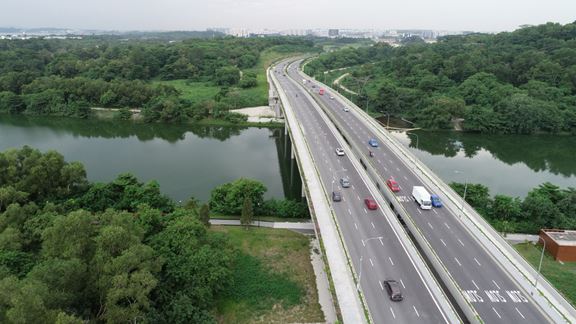
Aurecon's environmental consultants deliver ecological assessments and sustainable solutions for construction projects in Singapore's sensitive ecosystems.


Change your location to view content tailored for you.
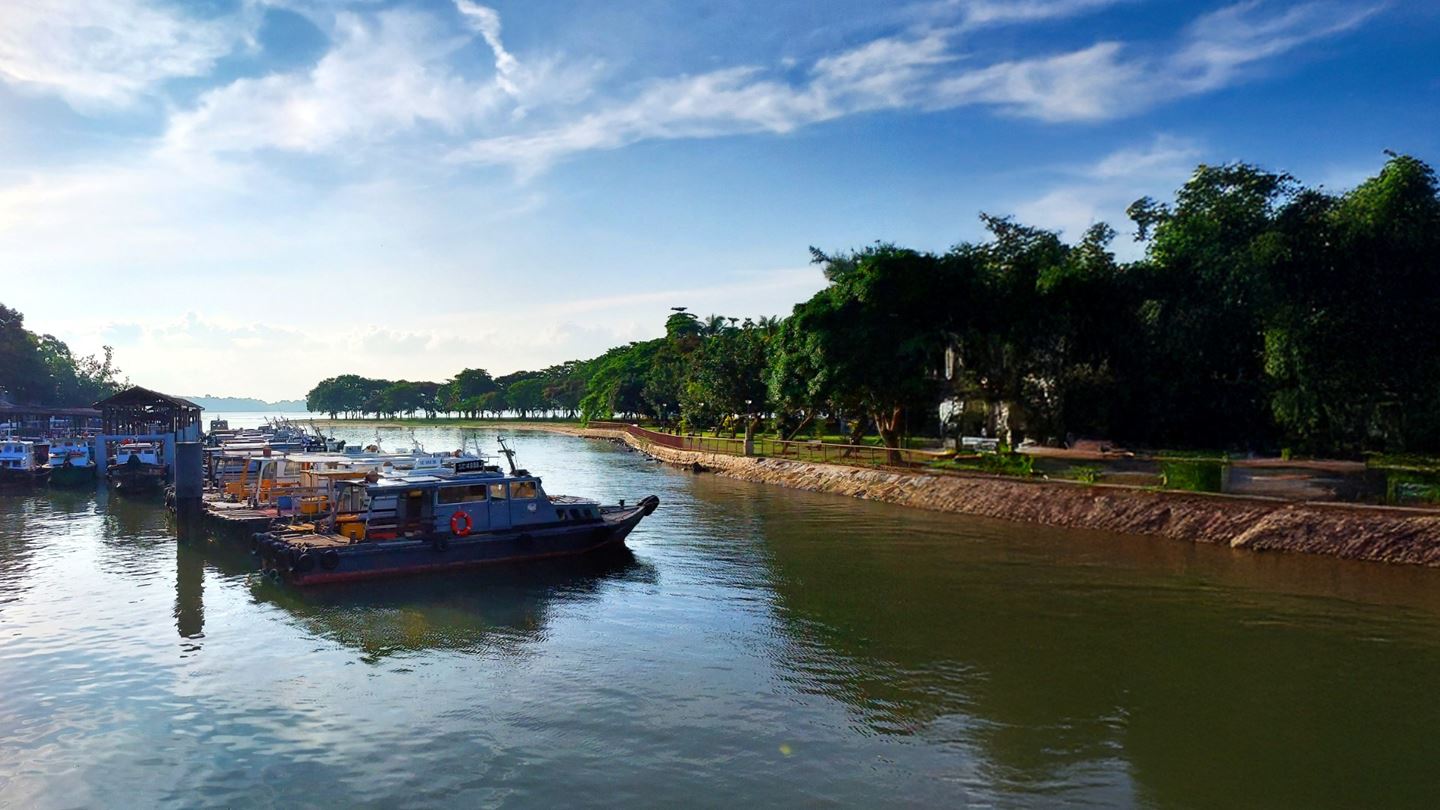
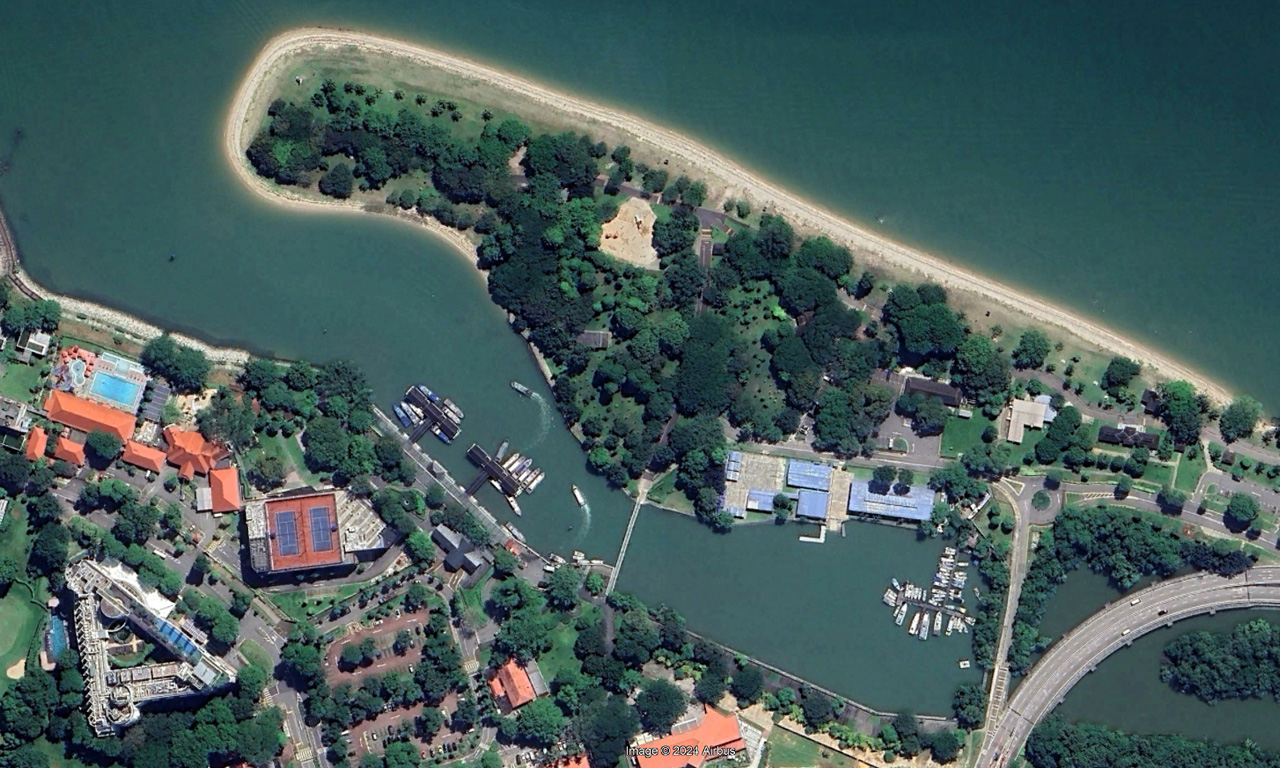
The Maritime and Port Authority of Singapore (MPA) has initiated a maintenance dredging project at Changi Point Ferry Terminal (CPFT) to ensure navigable depths and efficient vessel operations. To execute this environmentally delicate task, Aurecon SECS (Singapore Environmental Consultancy and Solutions) has been engaged to implement a comprehensive Environmental Management and Monitoring Plan (EMMP) for the maintenance dredging at approach to Changi Point Ferry Terminal, which commenced in April 2023 and concluded in October 2024.
The primary objective of the project is to remove accumulated sediments along the channel approach, restoring navigable depths while minimising impact on the surrounding marine ecosystem, particularly the sensitive intertidal seagrass beds.
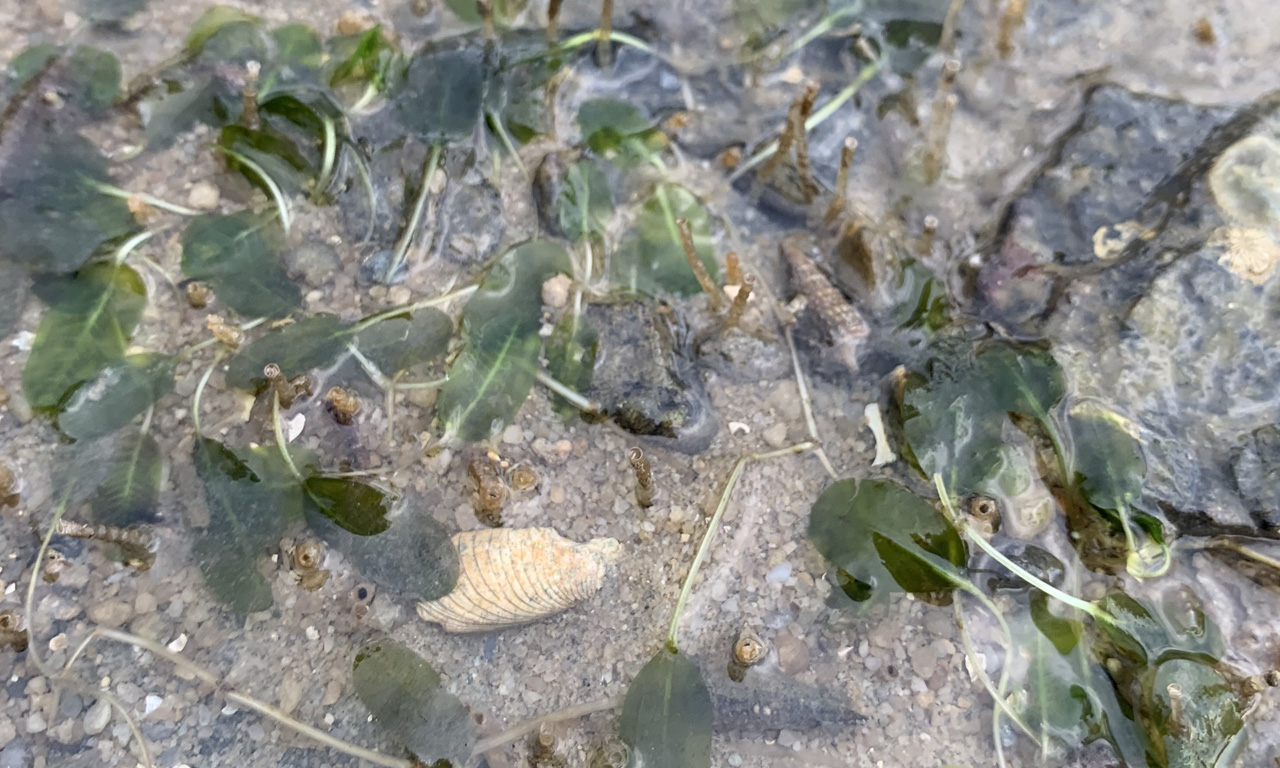
Seagrass beds in intertidal zones are vital havens for marine biodiversity, acting as nurseries for various marine species and contributing to the overall health of the ecosystem. Recognising the potential threats of sedimentation and sediment plumes to these delicate habitats, the project aims to mitigate impacts through careful planning and execution.
This plan includes feedback monitoring to control potential impacts from dredging on marine habitats and other sensitive environmental receptors. Aurecon’s detailed understanding of the project area and stakeholders, as well as the applied Environmental Quality Objectives (EQOs) and Environmental Tolerance Limits (ETLs), has enabled them to identify and address risks associated with the scope of work.


The EMMP is a robust framework for managing marine environmental impacts in Singapore waters. In accordance with the approved EQOs and ETLs, Aurecon uses indicators such as spill hindcast, spill budgets, and water quality measurements to assess compliance with EQOs.
Advanced modelling techniques were employed to predict the dispersion of sediment plumes and their impact on receptors, ensuring compliance with EQOs and ETLs. These models identify necessary mitigation measures and minimise environmental impacts, as well as evaluate permissible spill levels based on detailed assessments of the contractor’s proposed work plans.
Key mitigation measures include silt screen deployment, daily sediment plume modelling, and regular water quality monitoring throughout the project duration.
By combining advanced environmental monitoring with necessary maintenance work, the initiative ensures continued operational efficiency while prioritising the protection of vital marine ecosystems. This approach reflects Singapore's dedication to responsible stewardship of its waters, balancing development needs with environmental conservation.
Aurecon's environmental consultants deliver ecological assessments and sustainable solutions for construction projects in Singapore's sensitive ecosystems.
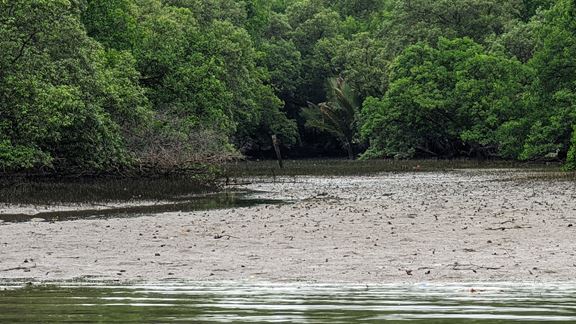
Aurecon SECS delivered biotic and abiotic surveys to help safeguard the environment and biodiversity of Singapore’s mangrove forest.
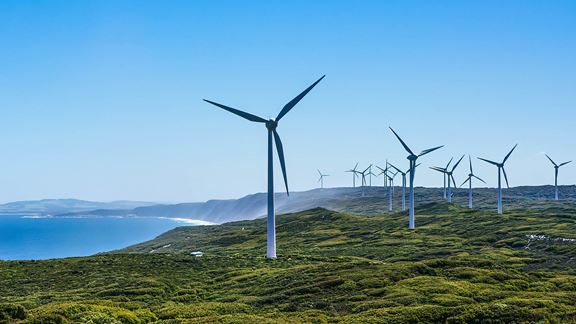
Aurecon provides technical analysis EPWA's Power System Security and Reliability Standards Review, supporting Western Australia’s energy transformation.