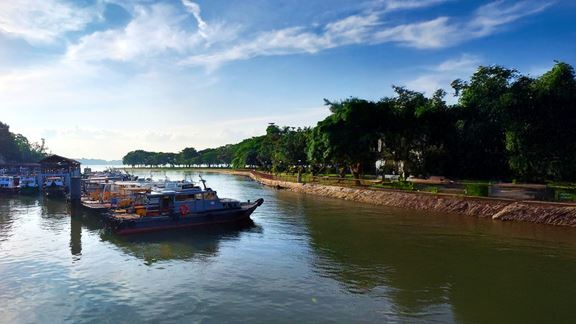
Maintenance Dredging at Changi Point Ferry Terminal, Singapore
Aurecon's environmental management and monitoring plan for maintenance dredging at Changi Point Ferry Terminal minimises impacts on marine habitats.


Change your location to view content tailored for you.
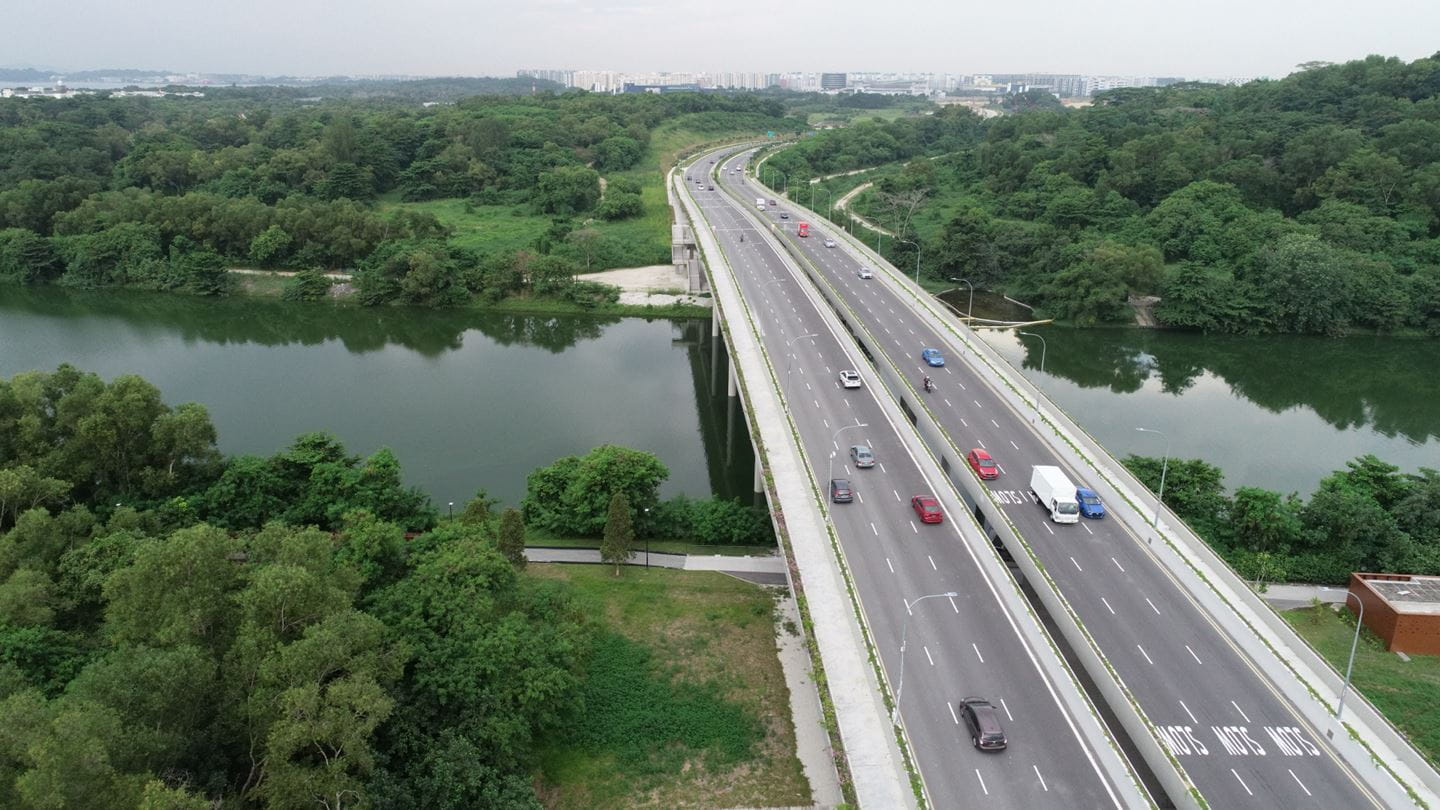
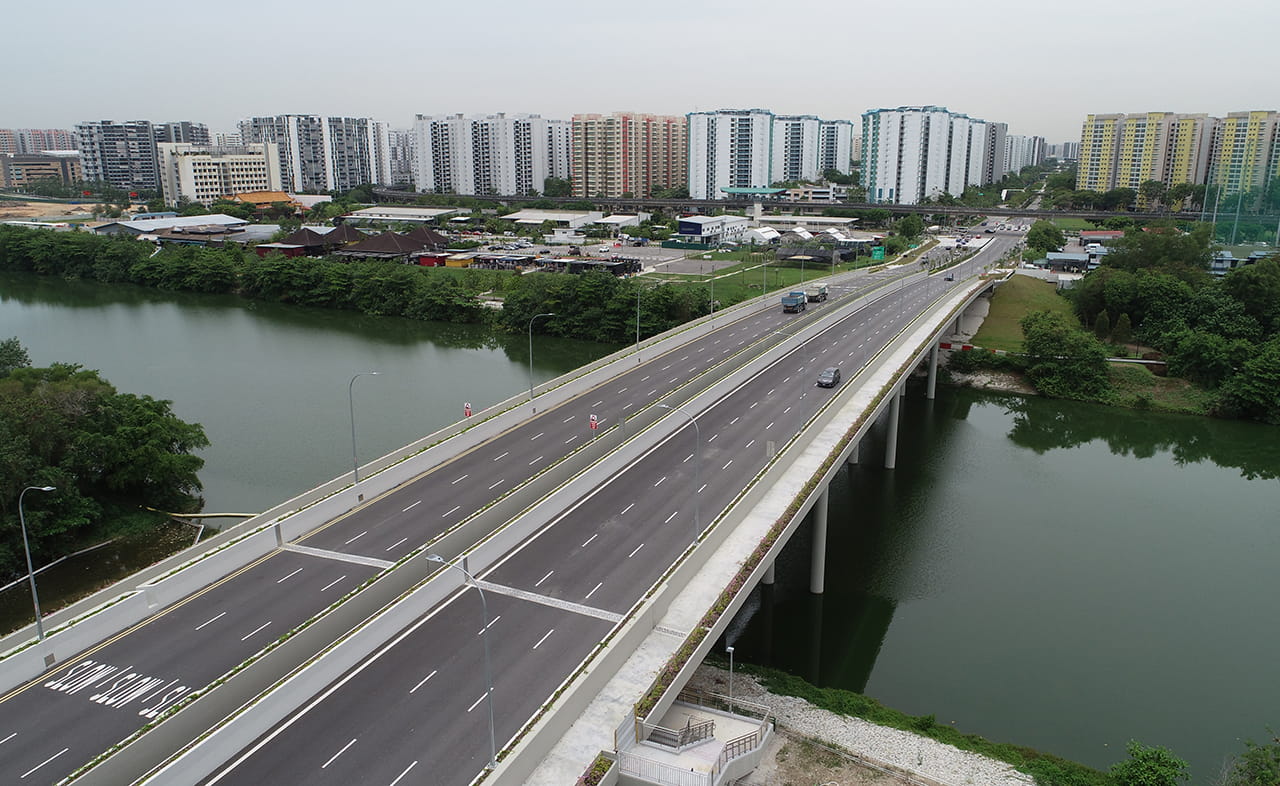
In northeast Singapore, it was proposed to construct an expressway through Lorong Halus landfill in Pasir Ris. Aurecon SECS (Singapore Environmental Consultancy and Solutions) was contracted to consult on the potential impacts of constructing the road, because of the complication posed by the area being a discontinued solid waste landfill.
Covering approximately 234 hectares along a 6.5 kilometre stretch of an important river, Sungei Serangoon, the civil contractor was required to excavate and dispose of waste prior to construction. Compounding the difficulty was the fact that after the landfill was closed, part of it had been converted into a nature reserve and wildlife sanctuary. This necessitated the proper management of the removal of landfill waste as the surrounding area was rich in biodiversity, and any construction had to keep environmental impacts to a minimum.
Of special concern was that Lorong Halus had regenerated into a habitat rich in aquatic and terrestrial biodiversity. The area also has several water bodies and an established bio-remediation wetland system.
To establish the ecological baseline conditions at the Lorong Halus site, Aurecon SECS conducted three environmental assessments:


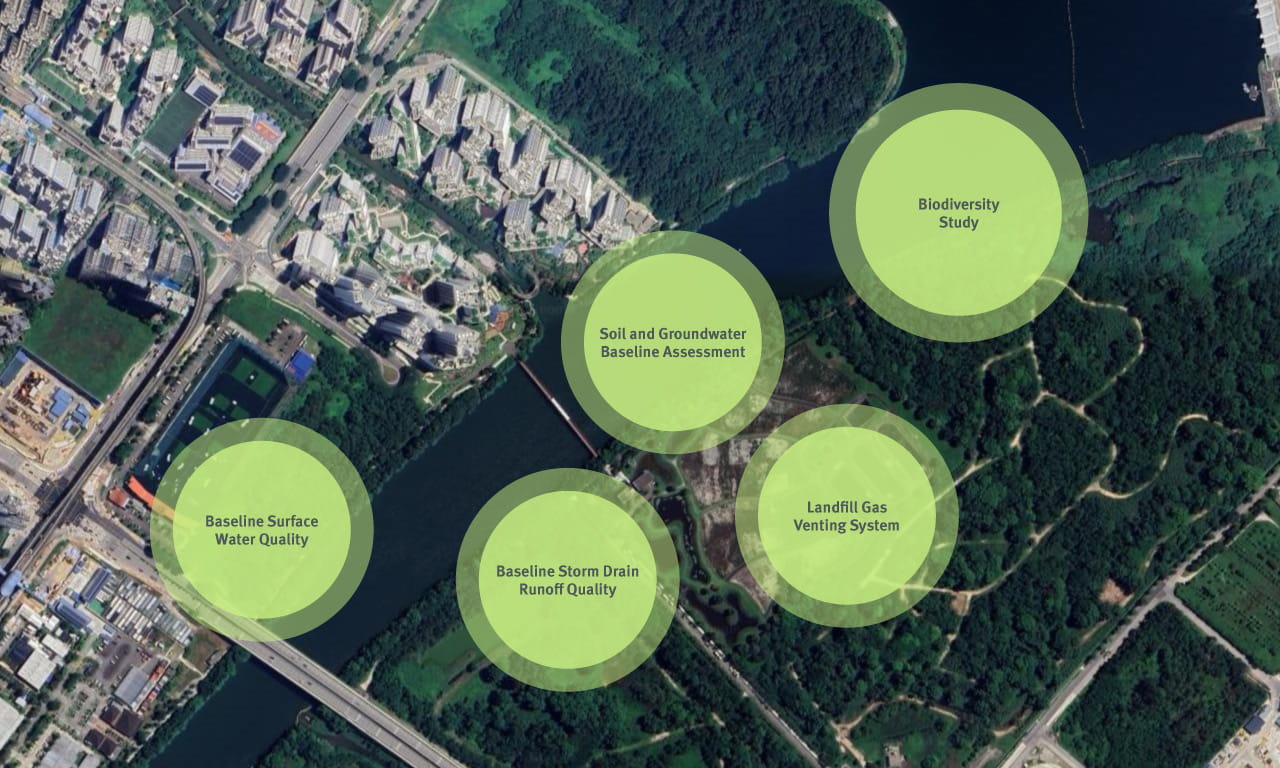
The biodiversity study addressed the key concern that the initial waste excavation activity would involve discharging material into the surface drainage. The disturbed leachate and landfill gas pollutants could adversely impact the aquatic ecosystem affecting reservoir water quality.
Aurecon SECS specialists surveyed and identified the flora and fauna species within the intended construction area the nearby vicinity. The two-month study established the ecological baseline conditions and formulated adequate mitigation and monitoring measures to control any residual ecological impacts to acceptable levels.
Six potentially significant biodiversity impacts were identified: specifically, habitat loss, decline in water quality, reduced air quality, noise scaring fauna away, light spill from roadside lighting disturbing nocturnal fauna, and mortality issues due to traffic and predators.
A soil, groundwater, and surface water baseline assessment and management of landfill gas venting system were undertaken. The Dutch Target and Intervention Values (DIV) were selected for the screening of soil and groundwater – in line with Singapore’s National Environment Agency Code of Practice on Pollution Control.
Some values from the groundwater study exceeded the DIV, and hence were indicative of contamination. However, they were within acceptable international guidelines and not considered a health risk for workers with PPE and proper hygiene.
Aurecon SECS also managed the implementation of the landfill gas venting system.
Based on the results of the environmental baseline study, the landfill waste from Lorong Halus was reclassified to recyclable municipal waste which, at less than one quarter the collection cost, was a significant saving. Some of the numerous intriguing findings of the ecological field survey team included:
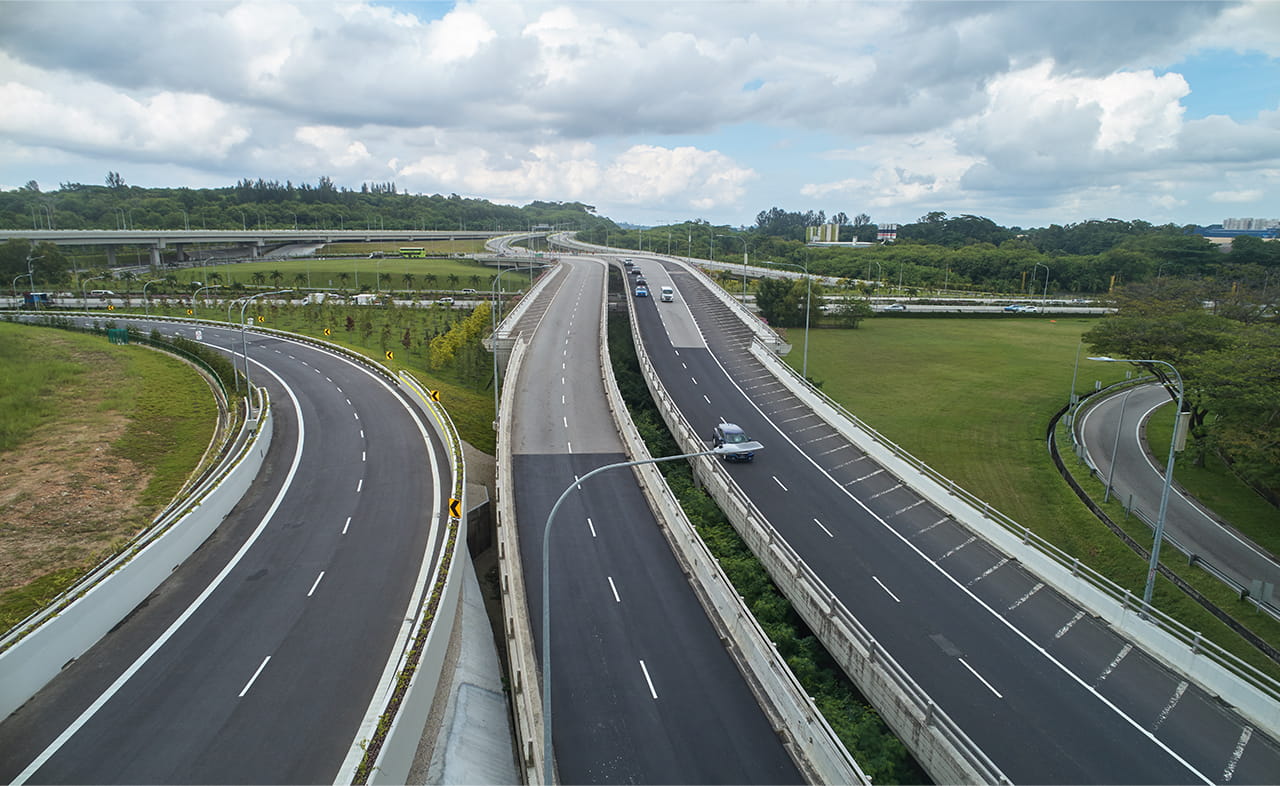
The Aurecon SECS team proposed two main habitat impact mitigation strategies. Firstly, to minimise the effects of pollutants at source and measures to reduce flow to sensitive areas. For example, filtration for surface runoff and leachate treatment prior to discharge.
Secondly, it was proposed to use credible compensation measures for the unavoidable loss of habitat, with the aim to restore and enhance disturbed habitat species.
The contract for the baseline and biodiversity studies started in 2015 and the report was issued in 2019.
To safeguard the effectiveness and implementation of mitigation measures, Aurecon SECS recommended that monitoring of the area’s ecology should be continued during and after completion of the construction work for an estimated 46 months.
Aurecon's environmental management and monitoring plan for maintenance dredging at Changi Point Ferry Terminal minimises impacts on marine habitats.
Aurecon is transforming Sydney Harbour, replacing dredging with TBM tunnel engineering to deliver a faster, safer and more sustainable second harbour crossing.
Auckland’s first underground railway system will reduce congestion, bring people closer to job and amenities, and unlock new development potential.