EPWA Power System Security and Reliability (PSSR) Standards Review, Western Australia
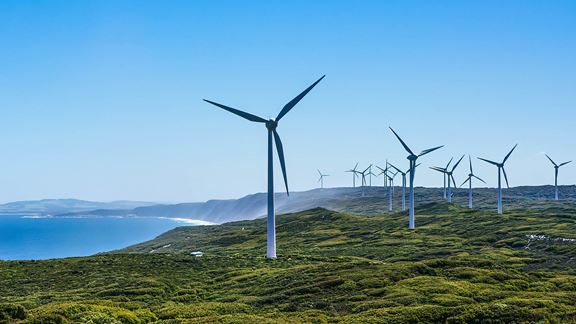
Aurecon provides technical analysis EPWA's Power System Security and Reliability Standards Review, supporting Western Australia’s energy transformation.


Change your location to view content tailored for you.
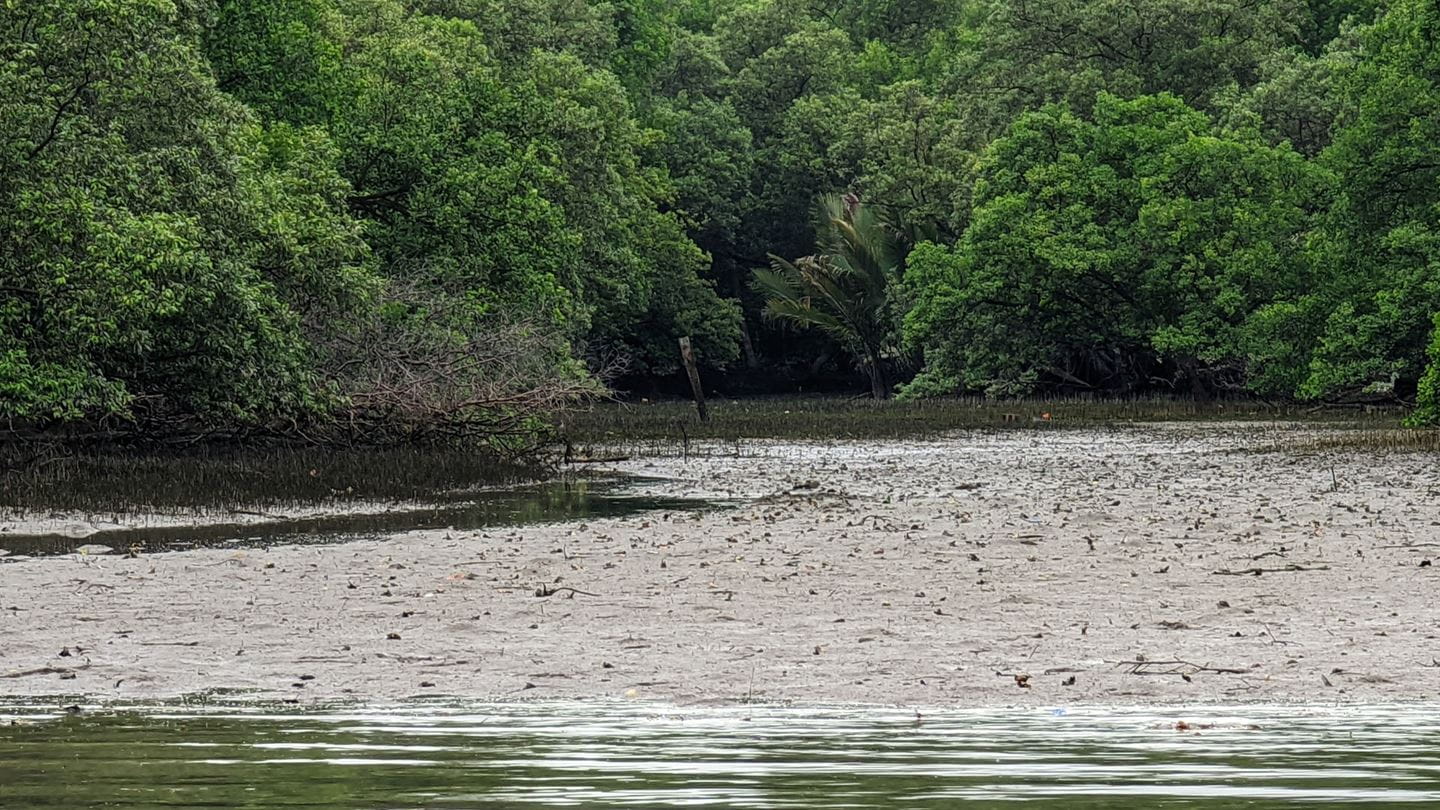
In 2022, Aurecon SECS (Singapore Environmental Consultancy and Solutions) was appointed by PUB, Singapore’s National Water Agency, to carry out an Environmental Baseline Survey (EBS). Located between the Pandan Loop industrial area and Pandan Reservoir, the Sungei Pandan study area covers the Pandan mangroves along with aquatic habitats, which included intertidal mudflats and subtidal brackish water.
Aurecon’s multidisciplinary team delivered an abiotic survey involving aspects such as samples of water quality and sediment composition, together with data on water currents and turbidity, as well as airborne noise.
To minimise any impact on the environment, non-intrusive methods were used for aquatic surveys along Sungei Pandan where samples from the mudflats were photographed for identification and assessment.


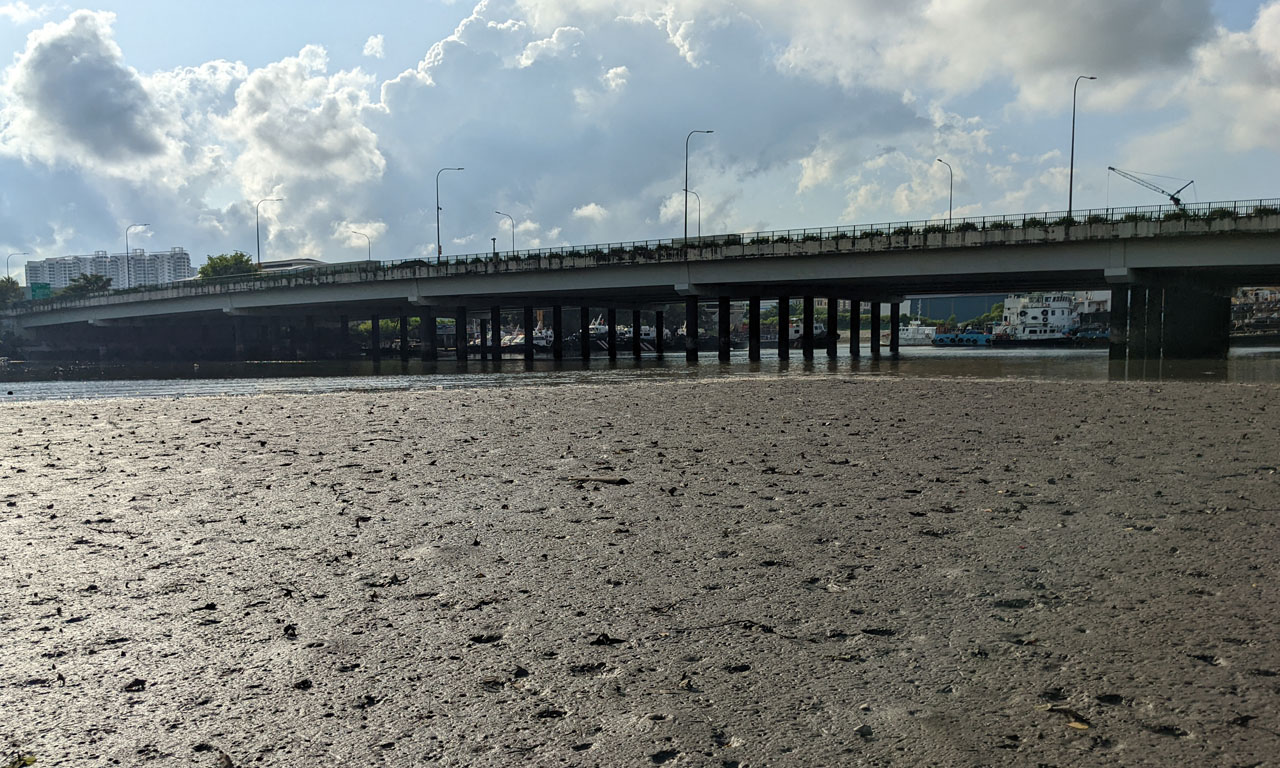
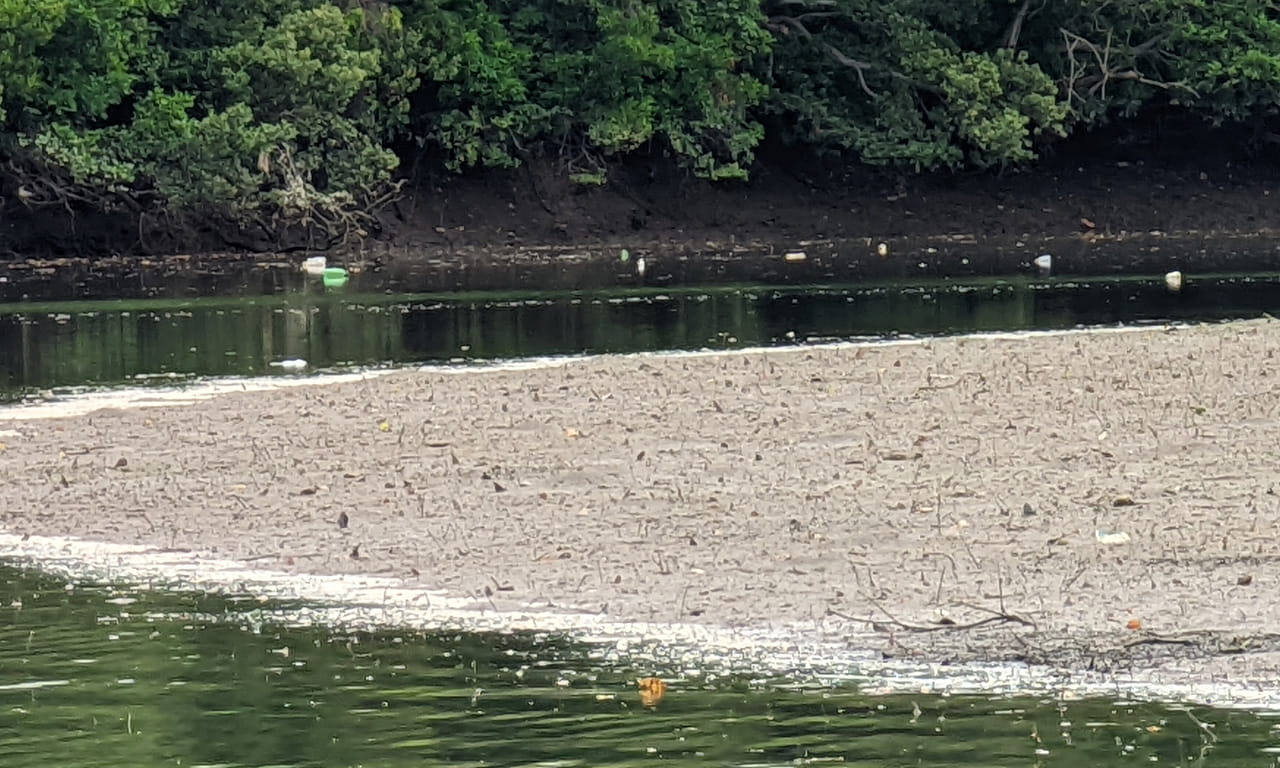
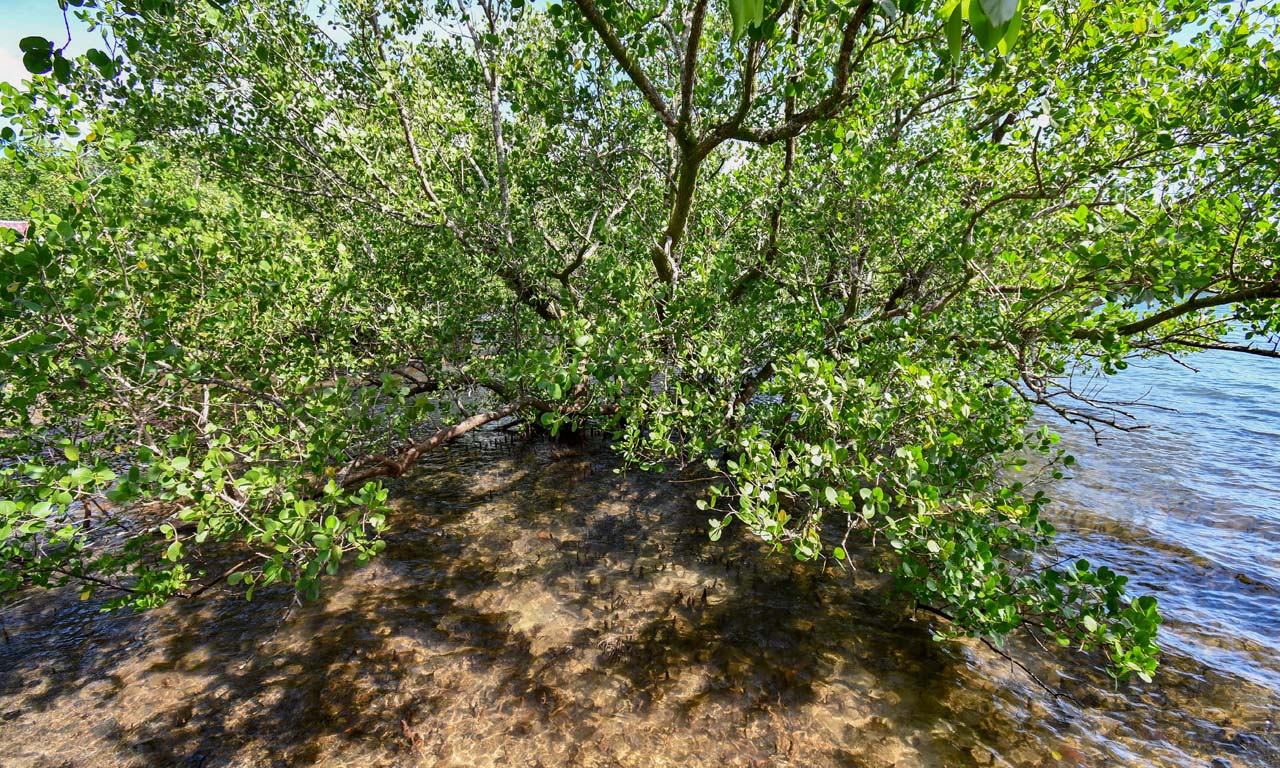
The estimation of the abundance of fauna in the area was achieved by a transect line survey through the mangrove forest. Motion-activated camera traps were also deployed to monitor animal movements and supplement the transect line survey. The murky state of the water necessitated employing casting nets to identify fish and other types of marine life. The various habitats were also mapped.
In recognition of the significant role of bats in the pollination of flora in the region’s ecosystem, project team specialists were required to assess the local species of bats. They achieved this by analysing the sound frequency data from a bio-acoustic meter.
Both abiotic and biotic surveys were done in collaboration with the National University of Singapore (NUS). This included working with their taxonomist to identify and classify plant and animal organisms on the mangroves and mudflats.
The key outcome of the in-depth study was the renewed emphasis on the diverse benefits of mangroves. The intricate root system of the mangroves also provides an attractive habitat and protection for many plant and animal species.
The Environmental Baseline Survey was completed in January 2023.
Aurecon provides technical analysis EPWA's Power System Security and Reliability Standards Review, supporting Western Australia’s energy transformation.
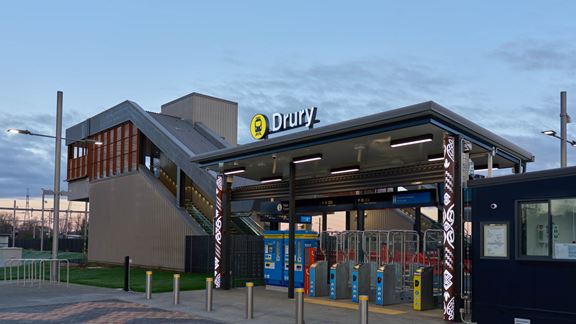
Aurecon is delivering human-centred modular design to three new rail stations with integrated transport options for Auckland's southern growth area.
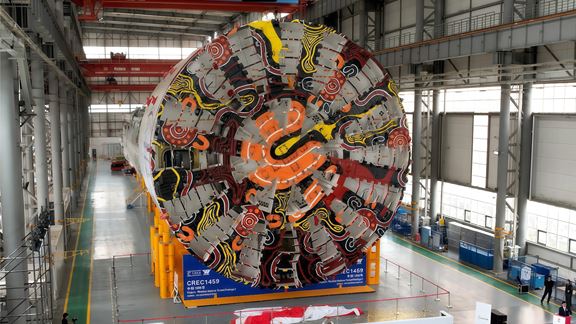
Aurecon is transforming Sydney Harbour, replacing dredging with TBM tunnel engineering to deliver a faster, safer and more sustainable second harbour crossing.