Change your location to view content tailored for you.

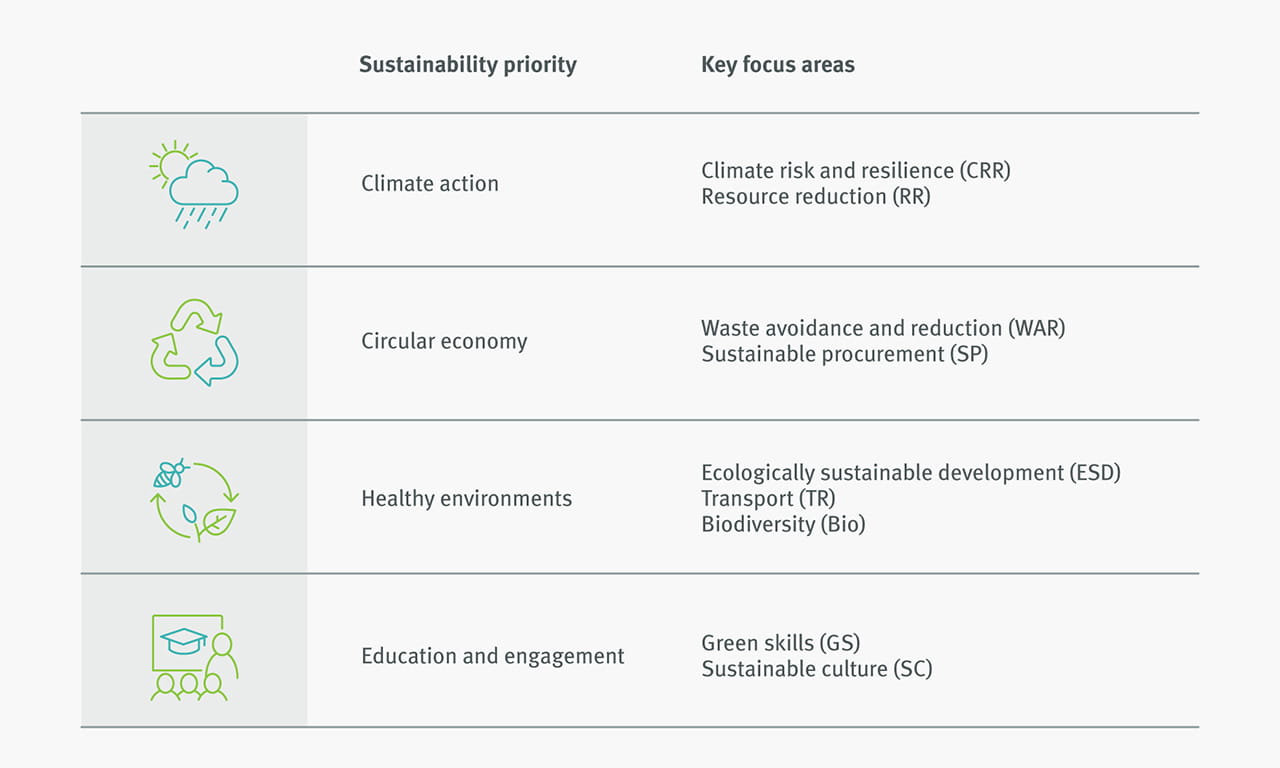
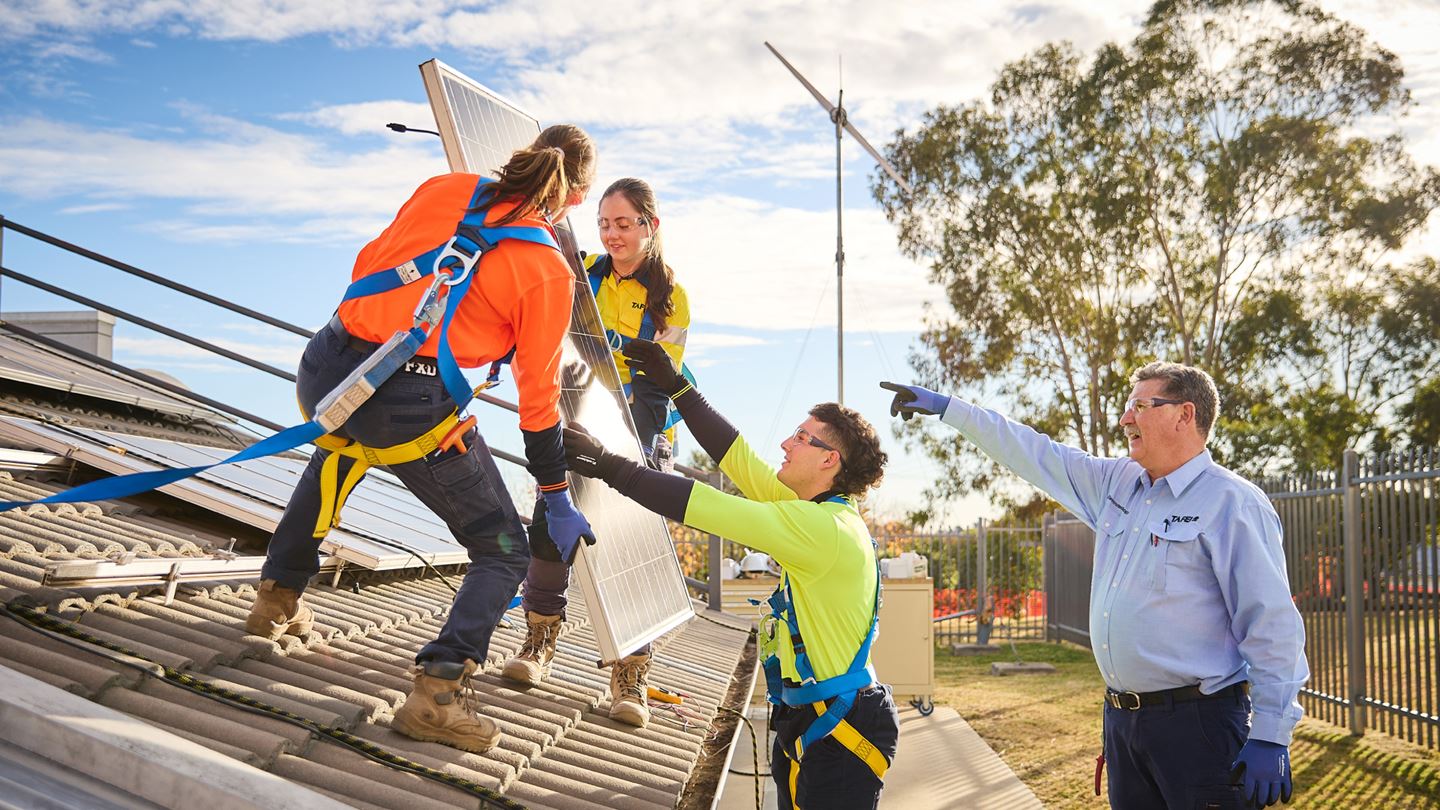
TAFE NSW, an Australian vocational education and training provider, is focused on evolving the sustainability of its operations to deliver on its commitment to achieve net zero by 2050.

In line with this focus to address waste, product and materials usage, and integration with natural systems, Aurecon developed TAFE NSW’s Circularity Action Plan. It outlines actionable initiatives centered on a circular procurement framework:

  • Extending the life of existing assets and equipment
  • Increasing the use of recycled content in areas such as construction materials, computers, and stationery
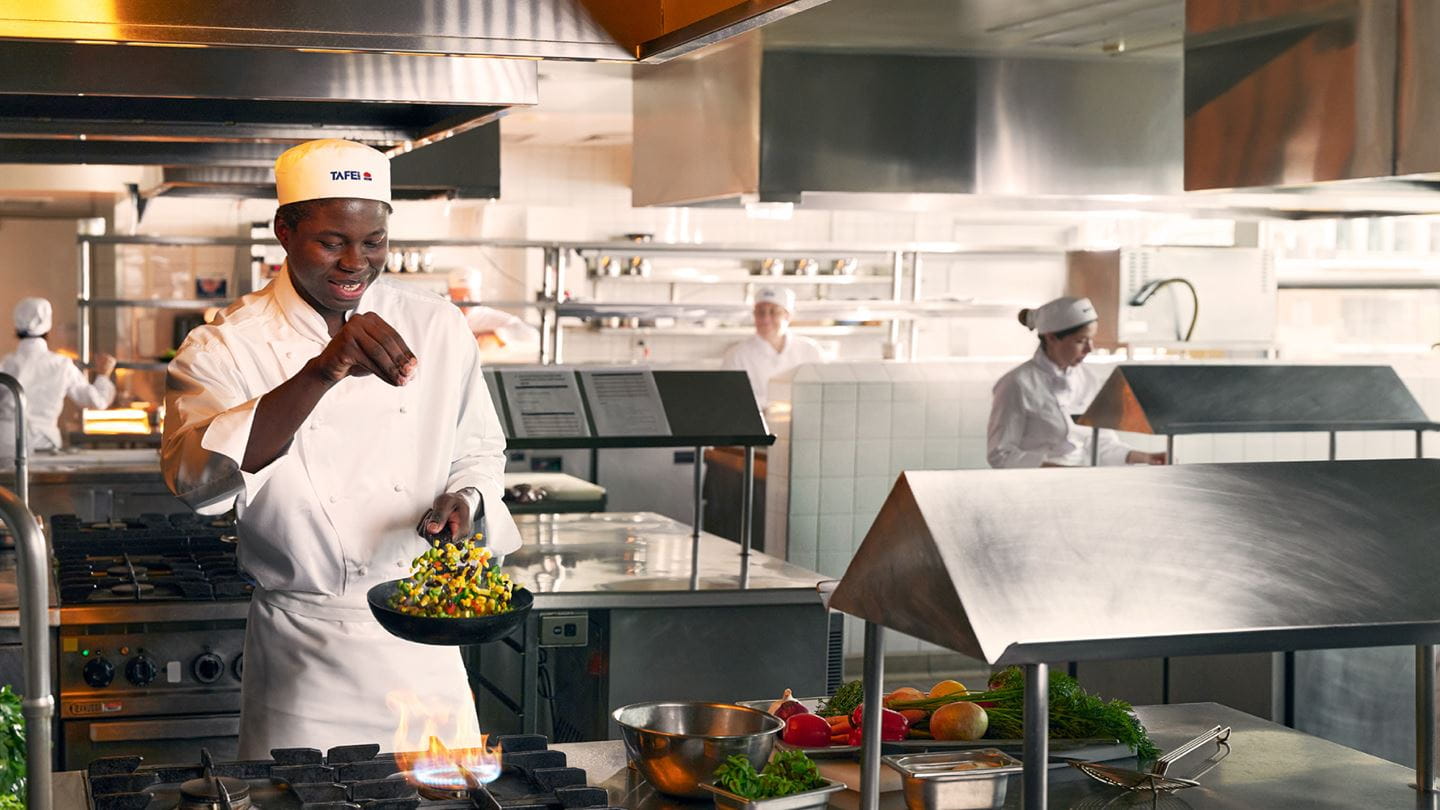
  • Improving organics collection from its hospitality training campuses
  • Diverting waste from landfill
  • Aurecon's three-phase approach to designing the Circularity Action Plan
Location

NSW, Australia

Client

TAFE NSW

Aurecon's Role

Circular economy, stakeholder engagement

Complete

2025

square iconplus icon
The Circularity Action Plan is a key step in achieving TAFE NSW’s circular economy vision, outlined in its Sustainability Strategy 2030.​

The plan was developed using an evidence-based approach across three phases:

  1. Baseline assessment: A comprehensive review of TAFE NSW’s current procurement and operational practices including analysis of policies, guidelines, and legislation, along with data on procurement spend and waste generation.
  2. Risk and opportunity analysis: The baseline assessment revealed opportunities for greater alignment between strategic and operational policy. Six supply chains with significant material flows were investigated, representing the majority of total procurement spend. Through this supply chain lens, Aurecon determined the risks constraining progress towards net zero and the associated actions for change. The team also tracked opportunities across the entire value chain to increase circular economy outcomes – from raw materials production and transportation, to manufacture and packaging, to usage in operations, and finally to waste management.
  3. Action plan development: The data analysis and risk and opportunity identification were combined with insights and inputs from TAFE NSW staff to formulate the Circularity Action Plan. The interviews with staff across all relevant TAFE NSW departments sparked new ideas for circular economy opportunities and interventions aligned with operational needs and strategic direction. In total, 11 short-term, high-priority initiatives make up the plan, ranging from reducing food waste in hospitality course delivery to increasing the reuse of furniture and educational equipment to extend service life.

An impact-focused transition from linear to circular

This Circularity Action Plan positions TAFE NSW with a structured path to reduce carbon emissions, manage waste generation, and keep resources in use for longer. Long-term cost efficiency, together with supply chain integration and greater sustainability in operations, are all additional benefits that can be achieved by implementing the plan.

It supports the circular economy vision in TAFE NSW's Sustainability Strategy 2030 and was funded through a collaboration between TAFE and the NSW government as part of the Choose Circular Program. This initiative aims to increase government procurement of recycled materials and embed circular practices across public sector operations.

We would love to work with you to bring your ideas to life, so get in touch and we'll get back to you.

Or contact an office near you.