In this opinion piece, Cameron Law and Lauren Jewell share their perspectives on transport investment as a lever to unlock economic growth and productivity in Tāmaki Makaurau Auckland.
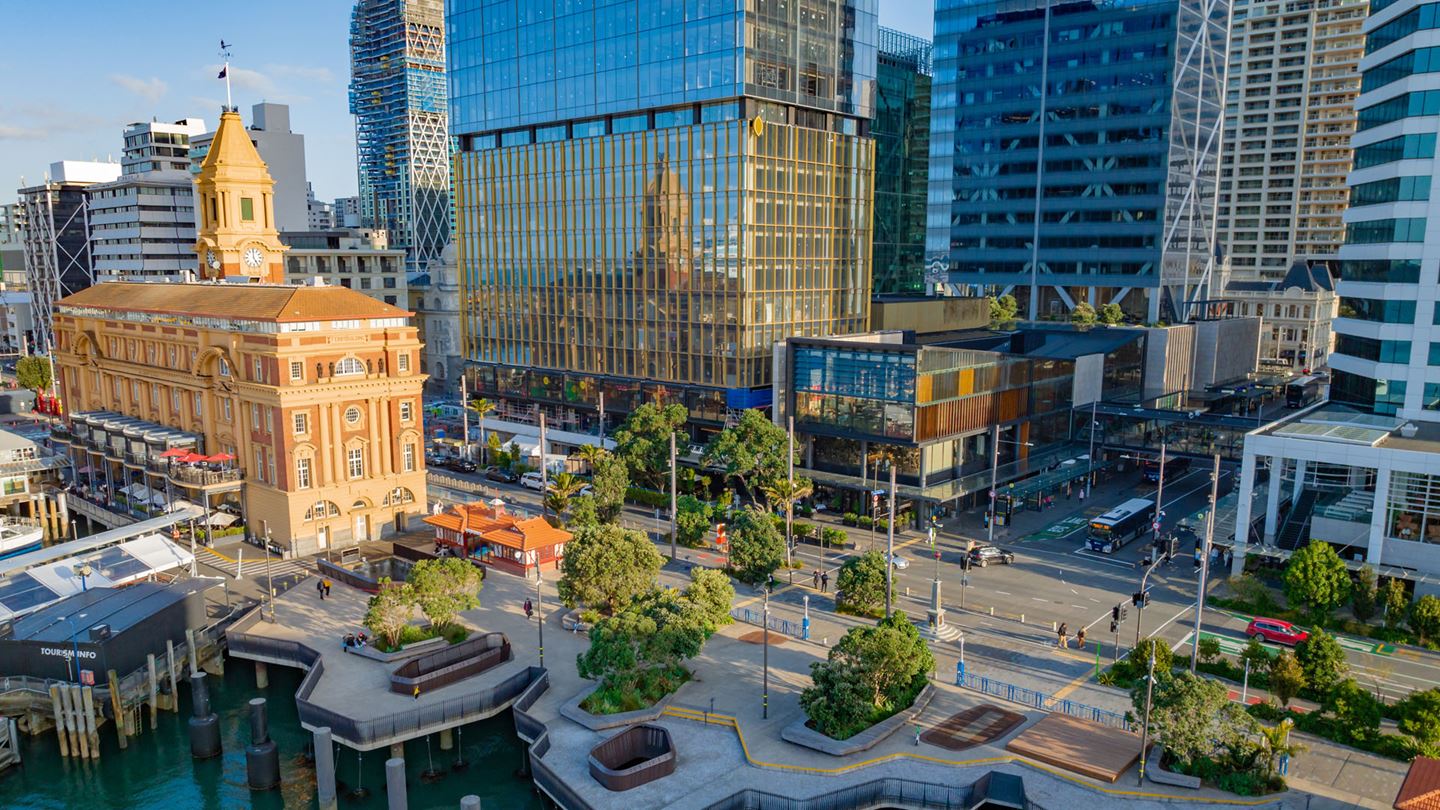
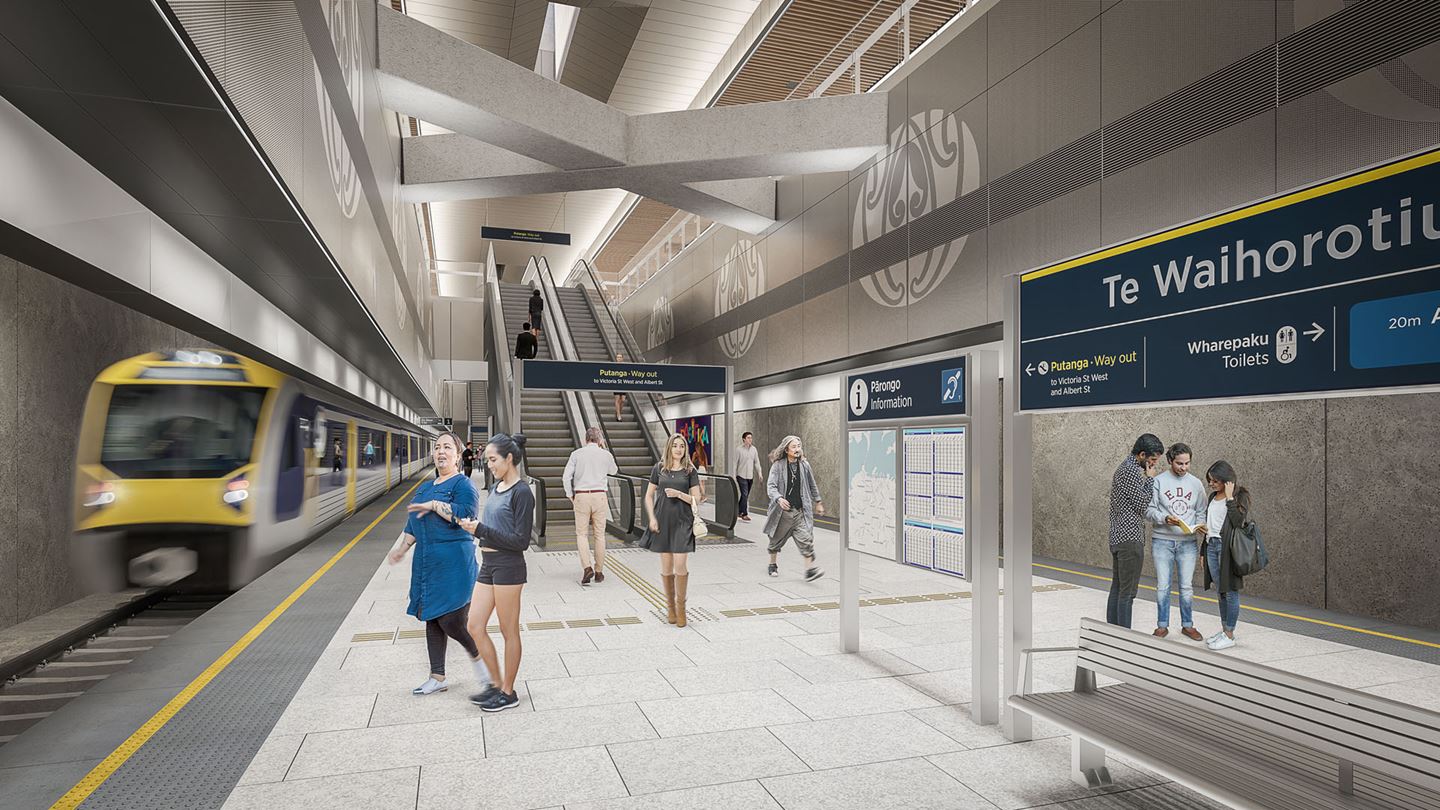
The opening of the City Rail Link in 2026 will be a transformative leap forward for Tāmaki Makaurau Auckland, adding to a legacy of investment that started with the first America’s Cup defence and continued through the revitalisation of Britomart, the hosting of the 2011 Rugby World Cup and the development of Commercial Bay. It feels like Auckland is maturing and stepping confidently onto the world stage.
Yet, while there’s lots of positives, there are also areas we need to work on – chief among them, raising our productivity and prosperity.
The 2024 State of the City report[1] flagged prosperity (defined as the cities' ability to deliver sustainable, inclusive economic growth and well-being for all) as an ongoing challenge compared to our peers, driven by a range of factors, including stubbornly low productivity. A significant opportunity lies in improving our connectivity.
Key takeaways
- Improving connectivity is a clear opportunity to lift productivity in Tāmaki Makaurau Auckland – specifically by investing in rapid transit
- Around the world, cities have invested in rapid transit to address population growth, congestion, housing availability and a desire to unlock economic growth
- Auckland has recent history of investing in public transport and city-shaping infrastructure to influence city dynamics, with the redevelopment of Britomart
- City Rail Link will be a transformational change for the city when it opens in 2026, but we need to maintain this momentum on public transport investment
Transport as the catalyst for economic growth
Connectivity is about how easy it is for people to get around and reach other places. It’s important from a productivity perspective because it affects our choices about where we live, work and study, as well as how easily we can access goods and services. For businesses, better connectivity creates access to more customers and a broader talent pool.
Investing in transport is a major driver for economic growth. It reduces congestion, encourages urban development and agglomeration – that is, the enhanced productivity and innovation from bringing businesses and talent closer together.
Making a meaningful difference to connectivity in Auckland requires robust investment in public transport – particularly rapid transit, which is fast, frequent public transport that carries large numbers of people in corridors separated from other traffic.
Imagine the gains in productivity and quality of life if we could reclaim time spent in traffic for work, family, or leisure.
Traffic congestion is stifling our city’s potential, costing an eye-watering $2.6 billion each year and forcing the average Aucklander to spend 17 precious hours stuck in traffic every year[2]. Imagine the gains in productivity and quality of life if we could reclaim that time for work, family, or leisure. While policies like time-of-use charging are steps in the right direction, they need to go hand in hand with a solid public transport network.
Efficient public transport options also free up space on our busy roads for those who have no option but to drive, such as tradespeople, couriers, business owners or freight services.
A common argument in New Zealand is that our population is too small to warrant significant public transport investment. But you only need to look across the ditch at cities like Adelaide, Gold Coast, and Brisbane, all of which have embraced light rail and bus rapid transit systems, improving connectivity and reshaping their urban landscapes. With our own Auckland population expected to grow to between 2.3 and 2.6 million by 2048[3], the urgency for public transport investment has never been clearer.
The City Rail Link will unlock significant economic benefits when it opens in 2026, as will Eastern Busway in 2027, but we must seize the moment and consider additional transport projects that could further address congestion and boost productivity – like the Northwest Rapid Transit, Airport to Botany, or Avondale to Southdown that could further alleviate congestion and boost productivity.