Western Harbour Tunnel, Sydney, NSW, Australia
Aurecon is transforming Sydney Harbour, replacing dredging with TBM tunnel engineering to deliver a faster, safer and more sustainable second harbour crossing.


Change your location to view content tailored for you.
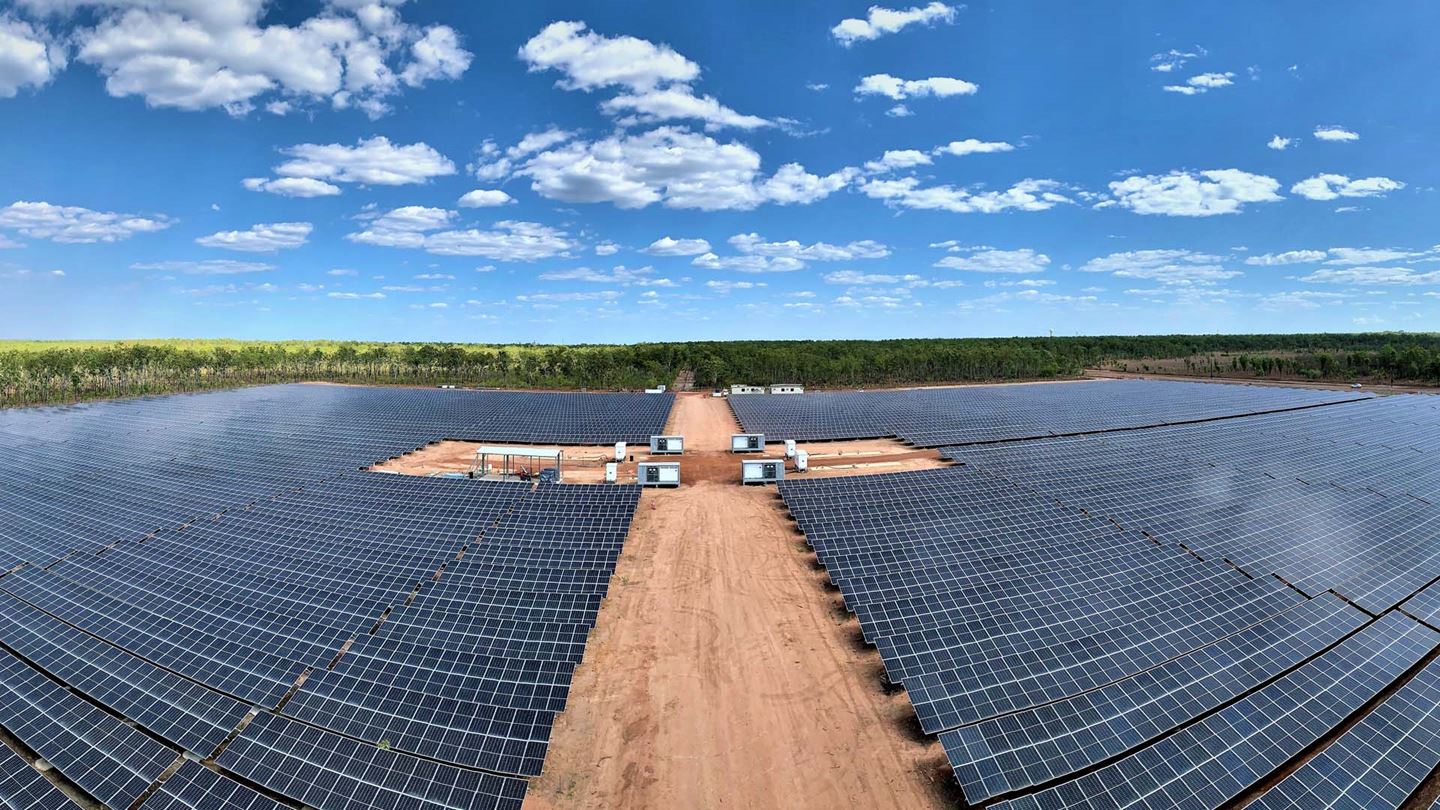
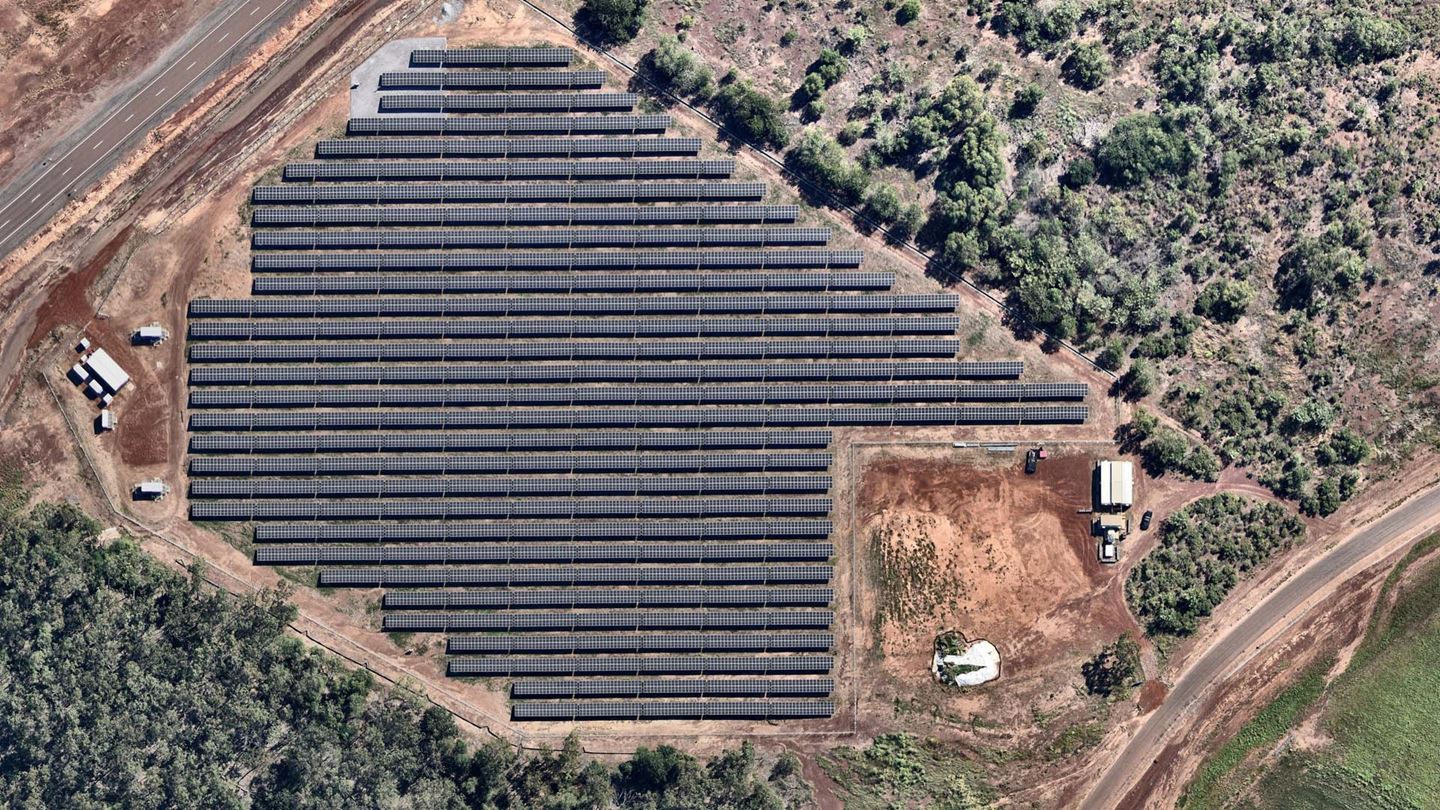
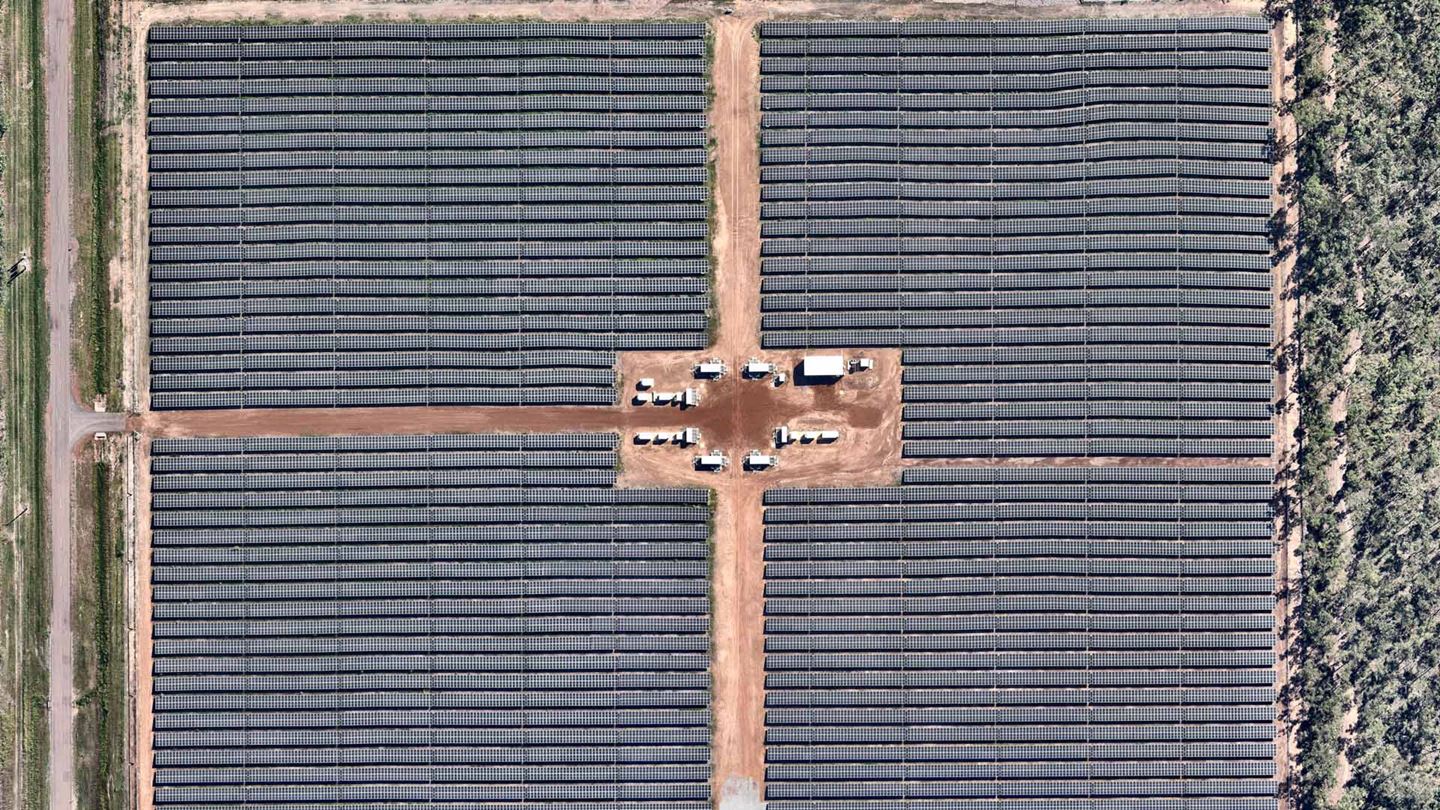
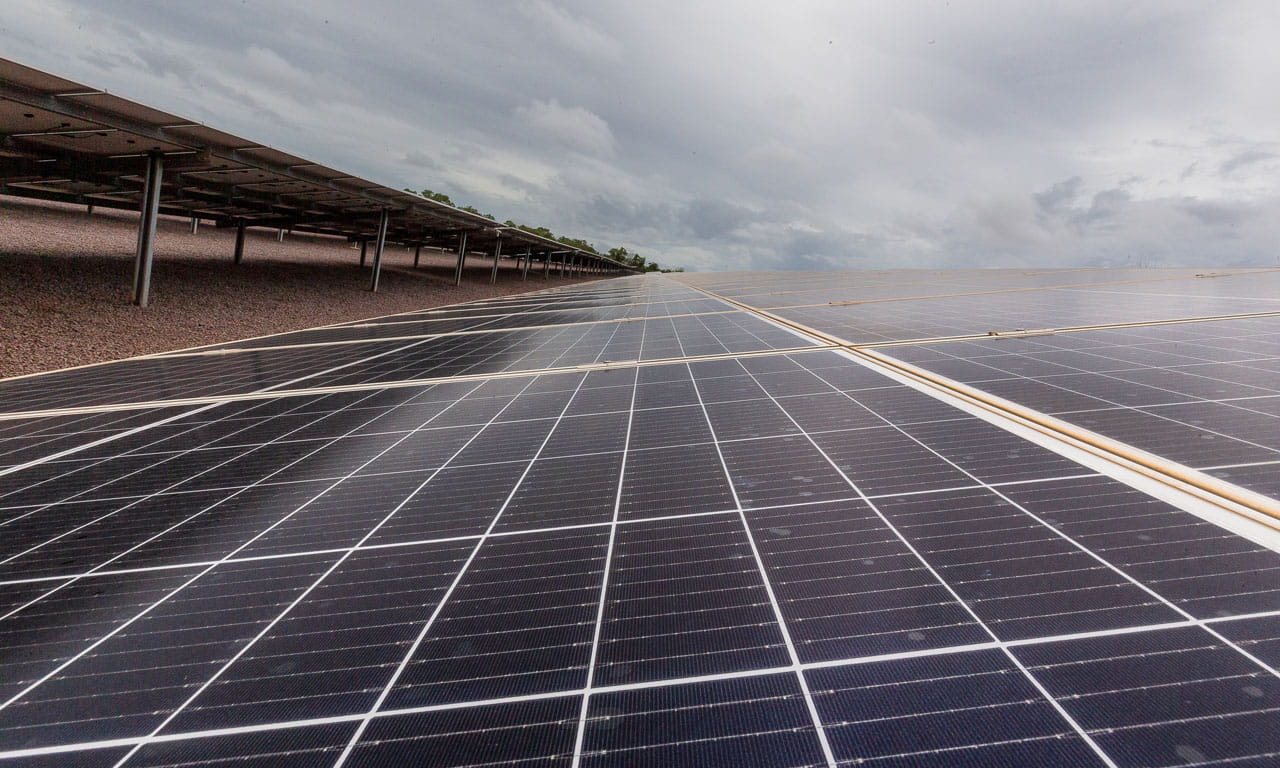
Renewable energy is important for addressing the effects of climate change by reducing reliance on fossil fuels. In a first for the Department of Defence (ADF), two solar farms under a unique power purchase agreement consisting of more than 36,000 panels have been developed across two Defence bases in Australia’s Northern Territory.
Constructed and operated by Assure Energy, on land owned by the Commonwealth, it’s the first large-scale renewable energy project that Defence has embarked on. It’s also the first large-scale solar generator on the Darwin-Katherine electricity system to achieve commercial dispatch of energy at 100 per cent of the plant’s capacity.
Aurecon was the project manager and contract administrator, helping Defence bring the power purchase agreements, design, and construction of this project to fruition.


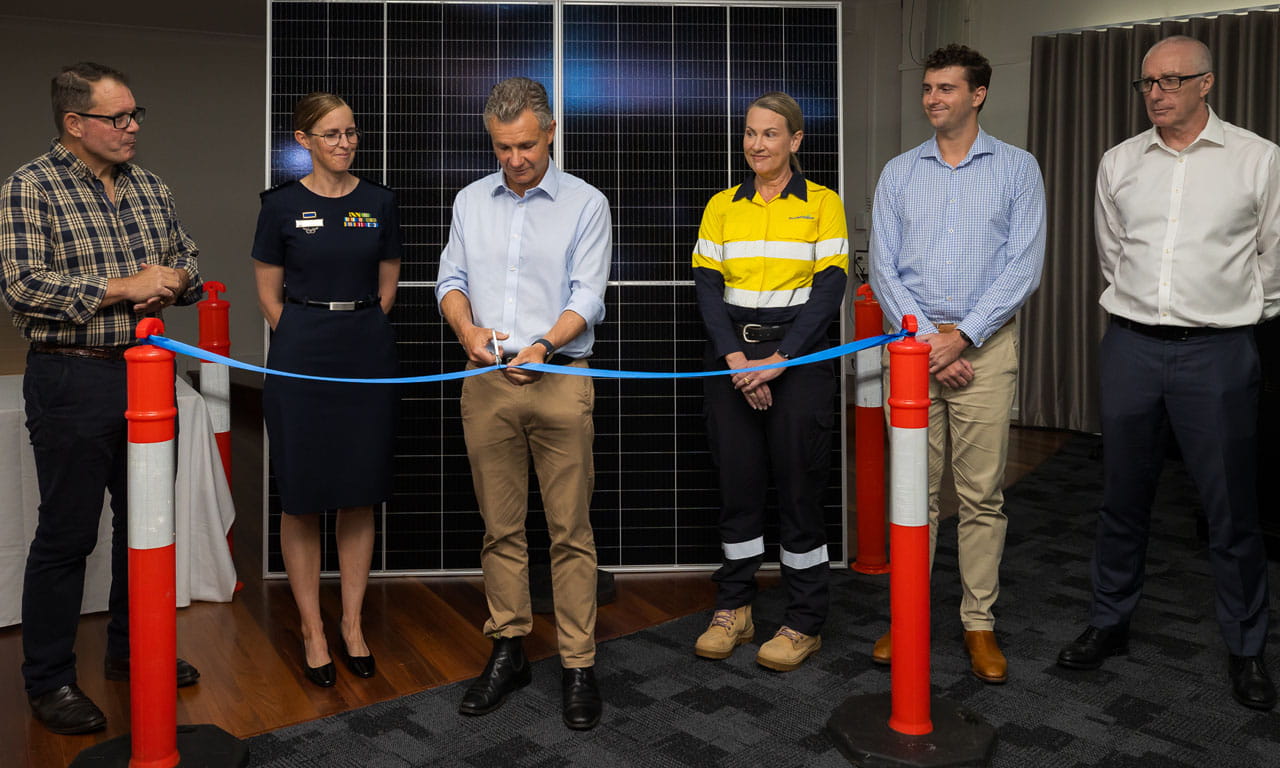
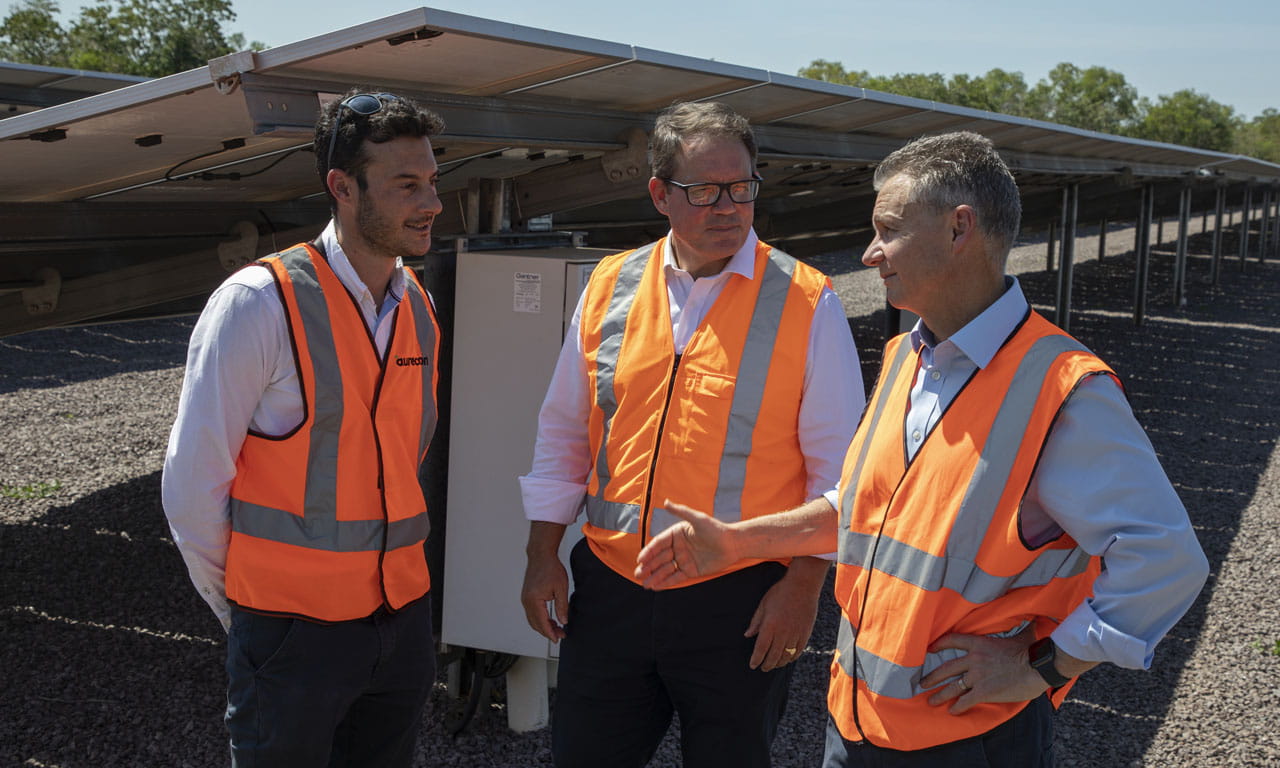
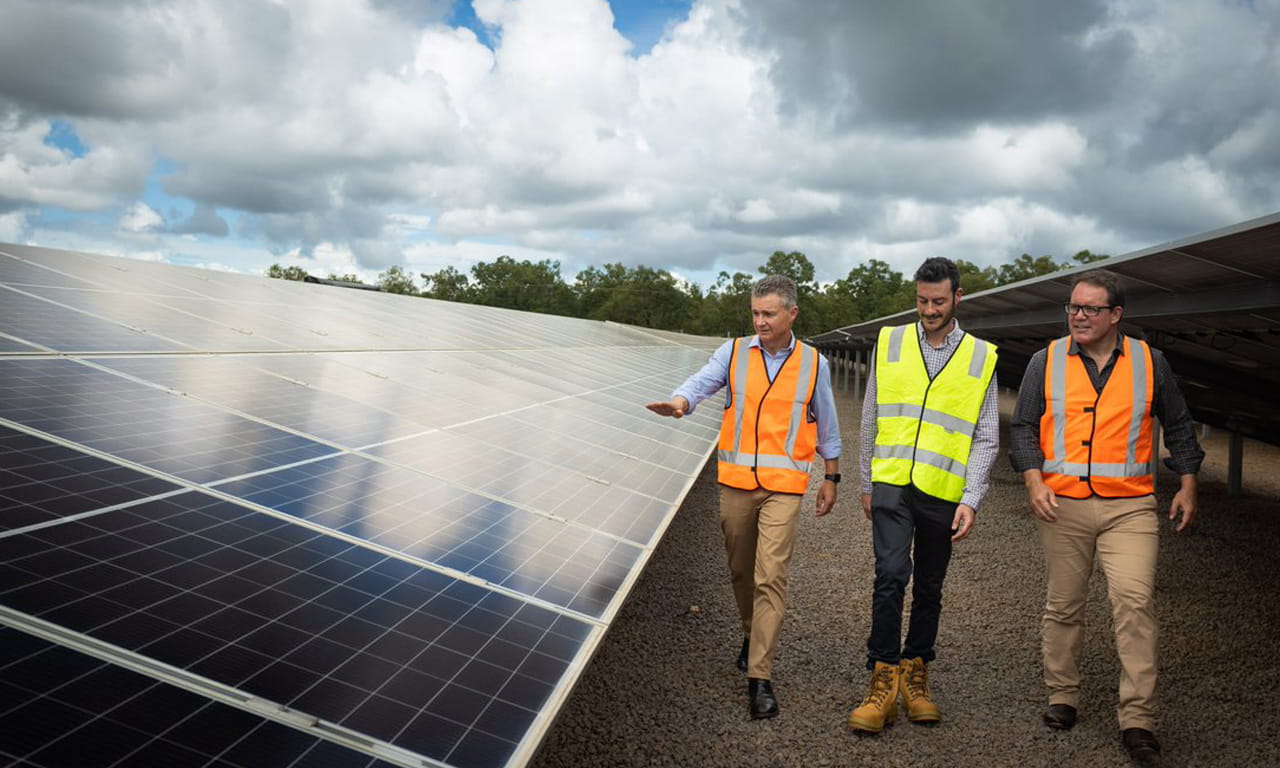
There were a range of stringent compliance requirements to not only install the solar farms at the bases, but also to connect to the grid according to Australian standards and the network provider’s standards.
As project manager and contract administrator, Aurecon was the integrator focused on coordinating and managing all communications, together with assessing varying levels of contractual and planning requirements to minimise project risks.
A complex program of stakeholder and network provider meetings were conducted as their input was of utmost importance for the direction of the project. More than 300 meetings over the life of the project ensured transparent communication and early identification and resolution of areas of concern.
This critical infrastructure will support Defence’s national aim to ensure long-term energy security, with up to 40 per cent of annual electricity supplied to the two bases from the solar farms.
This outcome also has additional environmental and independence benefits: unlike fossil fuels, solar power does not release carbon emissions in production of the energy; and Defence is provided with greater energy independence and security.
Defence is committed to the environment, and managing projects efficiently, for the long-term sustainability of Defence capability.
Through close collaboration and meticulous planning on this project, site soil contamination release was mitigated with an appropriate piling and excavation works methodology. These efforts demonstrated a commitment to proactive problem-solving and adherence to stringent safety standards in project execution.
Entering into a 20-year operations and maintenance contract required a significant governance structure to be put in place. Documents were prepared to cover tasks and processes ranging from administering an operations and maintenance contract, to establishing payment structures, and administrative compliance with the connection agreements. Interactive operational management plans were also developed which detail communication protocols between Defence and the network provider.
The success of the solar farms project offers valuable insights into replicable approaches for the management, procurement, and construction, of other sustainable renewable energy projects for Defence bases.
The project has won the following award:
Aurecon is transforming Sydney Harbour, replacing dredging with TBM tunnel engineering to deliver a faster, safer and more sustainable second harbour crossing.
Aurecon's active transport design expertise supports TfNSW to create a seamless, unobtrusive, step-free ramp and cycleway across Sydney Harbour Bridge.
Aurecon's study guided Goulburn Valley Water to identify pathways to a renewable hydrogen ecosystem and support a clean energy transition in regional Victoria.