ADF Cultana Training Area Redevelopment, Eyre Peninsula, Australia
Aurecon is providing project management and contract administration services to help the Australian Defence Force (ADF) redevelop their largest training area.


Change your location to view content tailored for you.
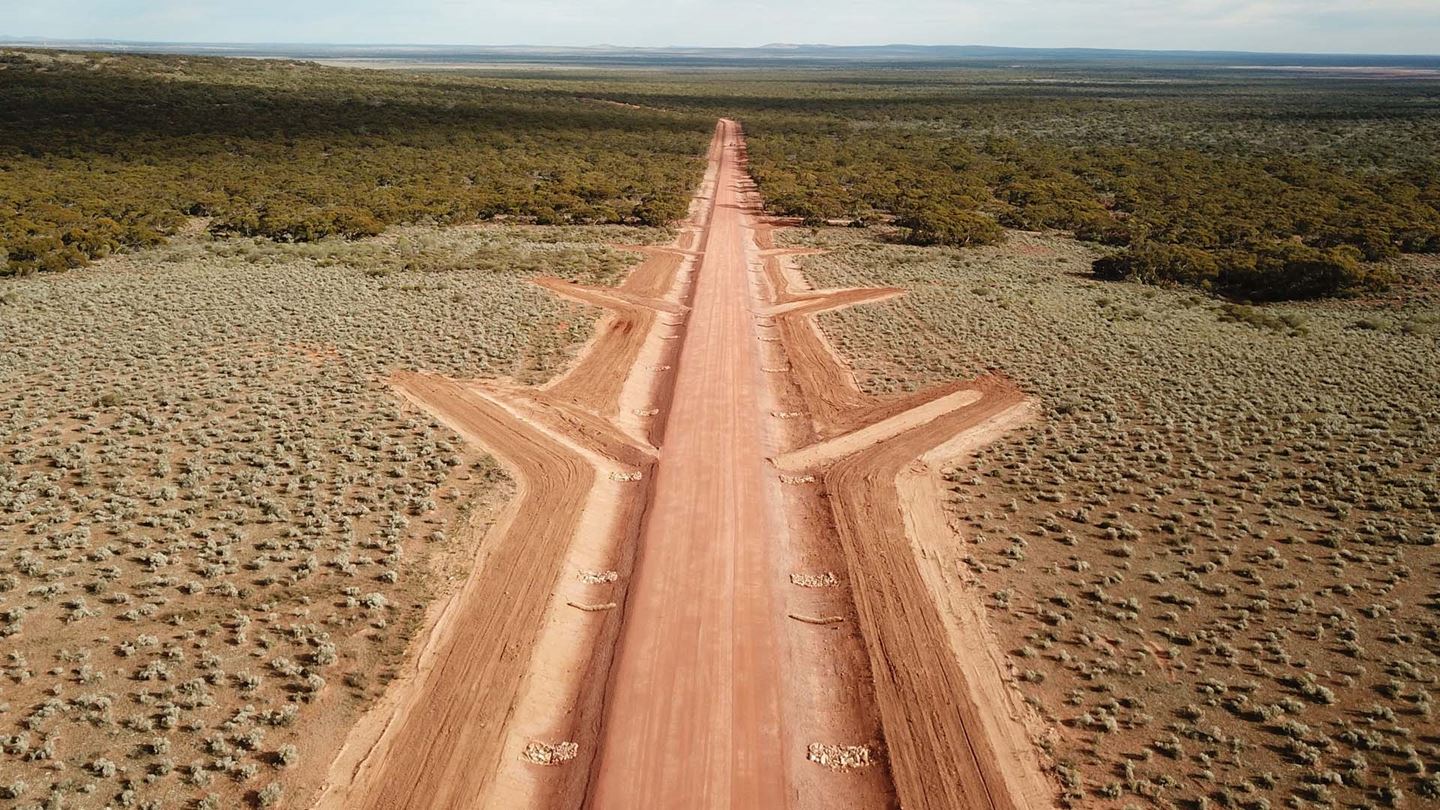
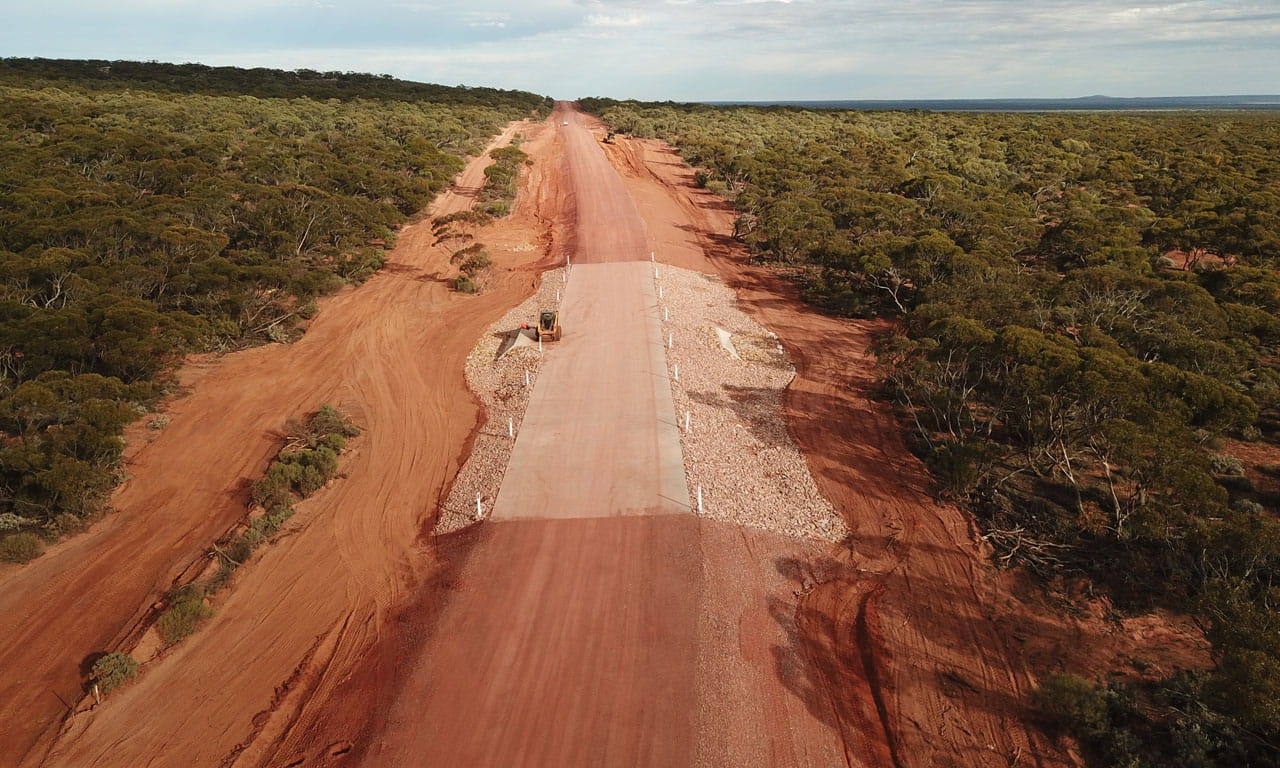
Cultana Training Area (CUTA) is the Department of Defence’s (ADF) largest training area capable of supporting full combined arms exercises. Weather erosion and extensive traffic movements over time had deteriorated the unsealed road at the entrance to the facility.
Safe and reliable vehicle access through CUTA’s challenging terrain is essential for its operations and Aurecon oversaw the design and remediation of the 6 km road as part of its role delivering the Defence Estate Works Program.
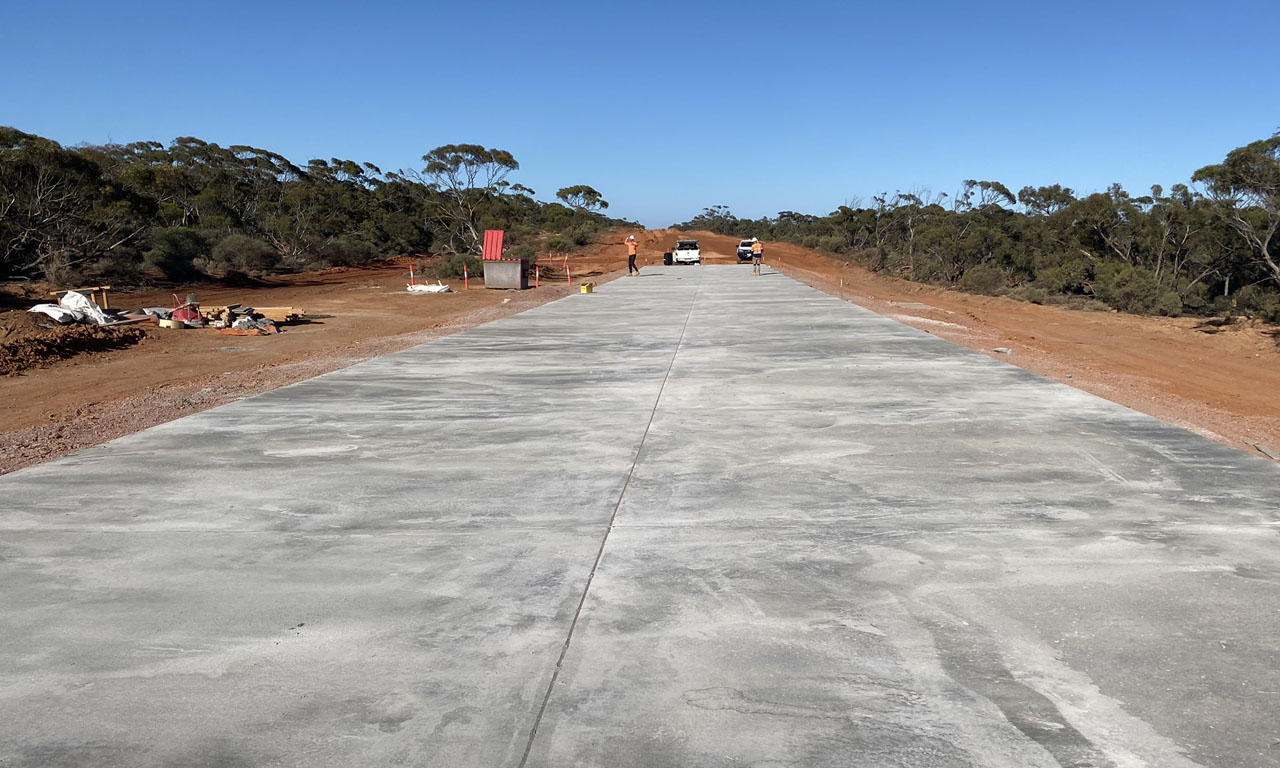
In order to serve the training area for years to come, the road was widened to a uniform 8 m along its full length. The final width means that instead of vehicles having to veer to the road shoulder to pass each other at certain points, there are now two lanes, each 3.5 m wide with a 0.5 m shoulder, permitting vehicle speeds of 60 km/hour.
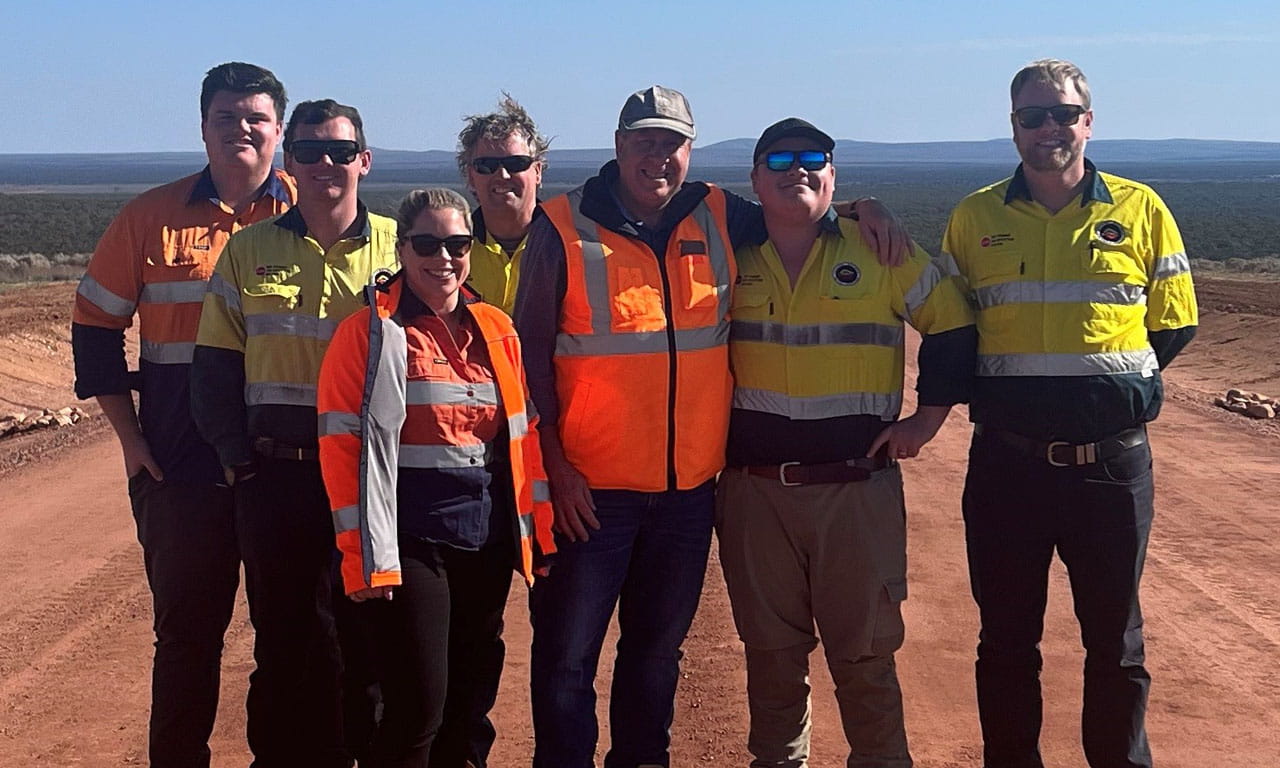
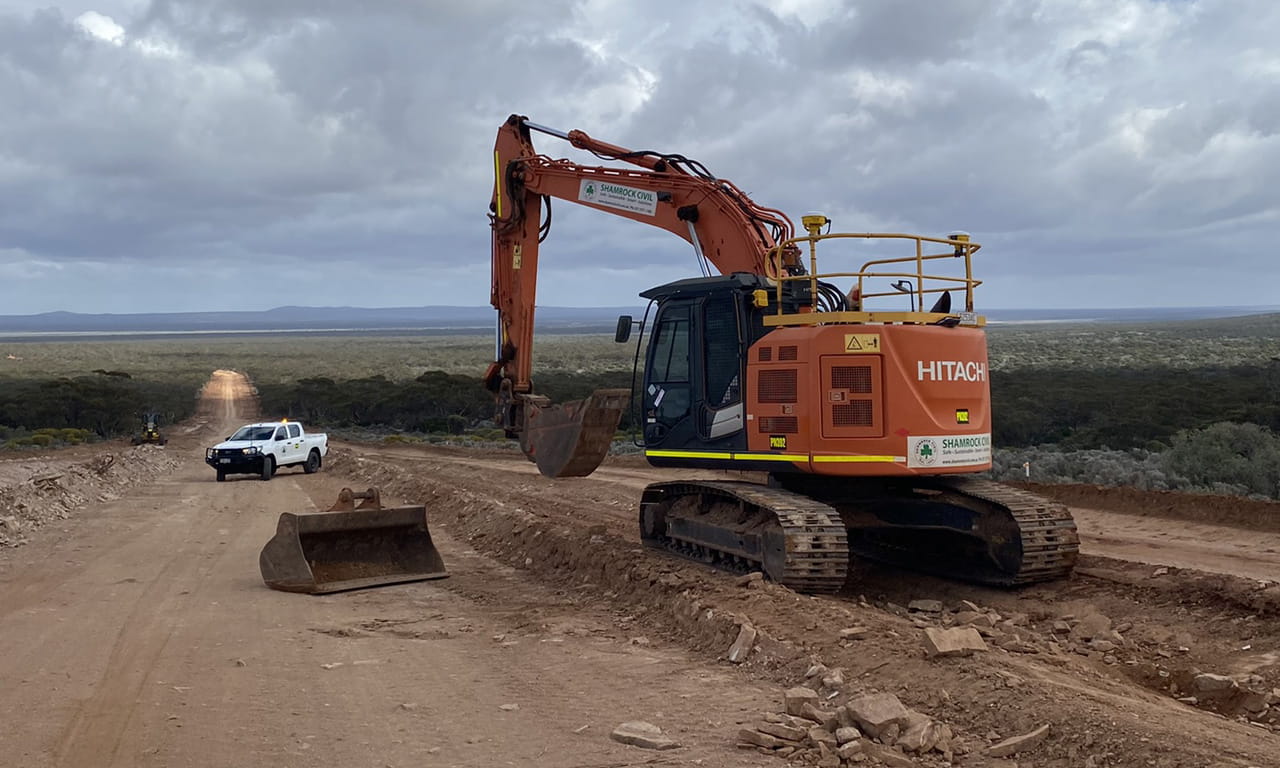
Operating in a brownfield environment, Aurecon worked collaboratively with the contractor, Defence, base personnel, and SA Water, to ensure that construction works did not affect facility operations or water pipelines adjacent to the road. The project was completed on time and on budget, successfully upgrading the road for a 25-year design life as requested by Defence.


Aurecon designed a process to be able to reuse the 9,300 m³ of topsoil removed during project works. Two earth pits that had been created by an entirely separate project were filled with this topsoil, however, before disposing of it, dry seeds were separated out and stored during construction.
Upon completion of the project, Defence has distributed the seeds along the road embankment and over one of the filled earth pits to revegetate the landscape.
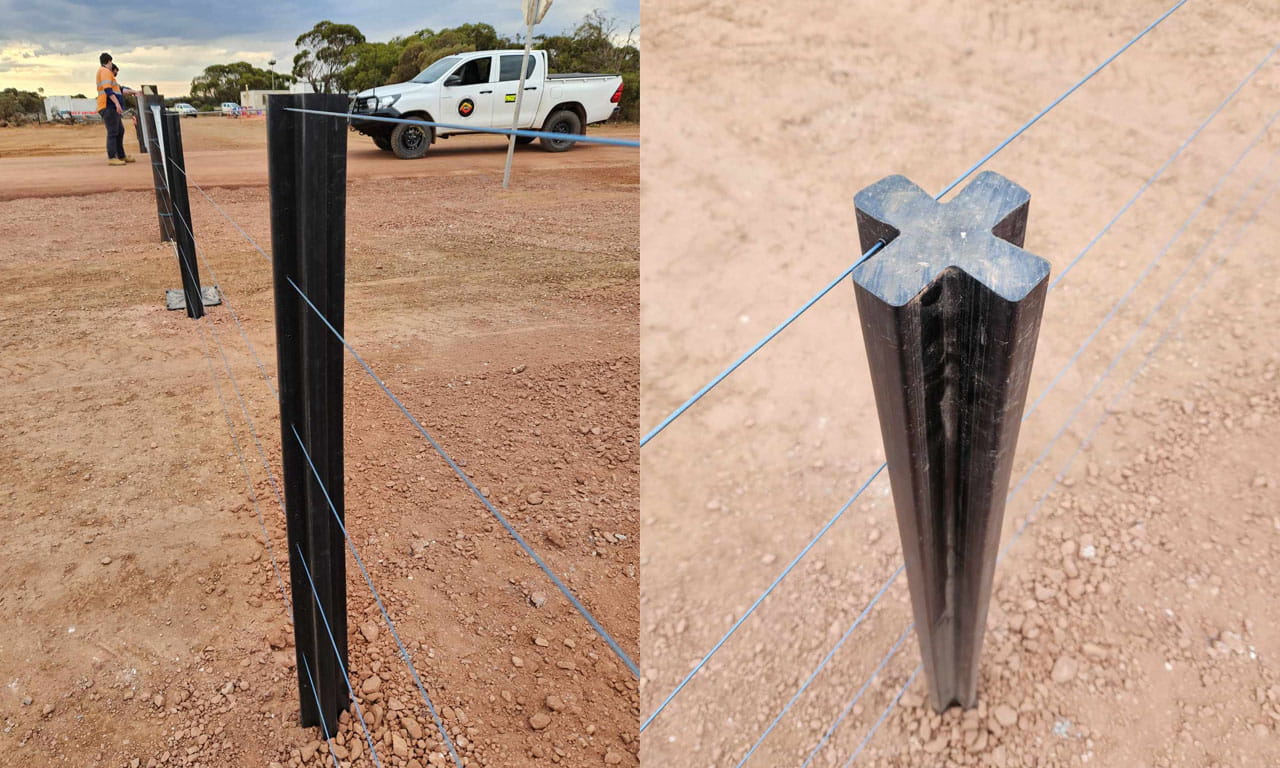
Sustainable road construction focuses on minimising environmental impact, conserving natural resources, and promoting long-term resilience. On this project, 67 sustainable fence posts made from recycled farm plastics was used in replacement of traditional metal posts. In an area susceptible to seasonal flooding and extreme heat, these sustainable posts are waterproof, UV-stabilised, and do not rust, split or rot. They also have low maintenance and repair costs as they don’t require repainting in the future.
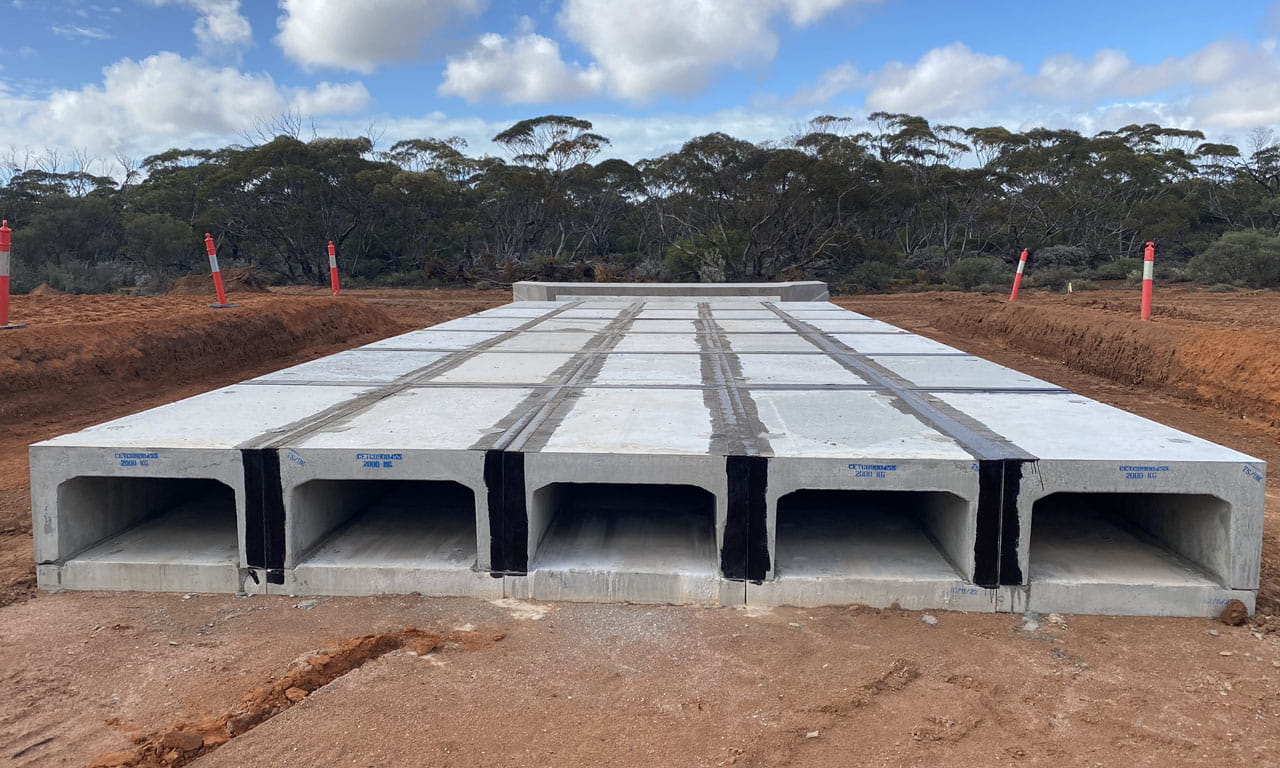
Pre-cast culverts – concrete structures that allow water to flow under a road – were procured instead of casting these structures on-site so that less materials wastage, and installation efforts, were kept to a minimum.
The project team and Defence were committed to stimulating Indigenous entrepreneurship, business, and economic development, and providing Indigenous Australians with more opportunities to participate in civil construction.
Supply and contracting organisations were 50 per cent, or more, Indigenous owned, in alignment with Defence’s Indigenous Procurement Policy guidelines for this project.
In addition, engagement with the local Indigenous owners, the Barngarla people, was critical. A cultural heritage assessment and heritage site walkover with a local Elder were undertaken to ensure that construction works did not disrupt areas or landforms of cultural heritage sensitivity.
This project was completed on an active training area and through constant communication with Indigenous owners, stakeholders, defence, and contractors, the project was successfully delivered for the benefit of personnel today and into the future.
The project has won the following award:
Aurecon is providing project management and contract administration services to help the Australian Defence Force (ADF) redevelop their largest training area.
Aurecon is transforming Sydney Harbour, replacing dredging with TBM tunnel engineering to deliver a faster, safer and more sustainable second harbour crossing.
Aurecon's active transport design expertise supports TfNSW to create a seamless, unobtrusive, step-free ramp and cycleway across Sydney Harbour Bridge.