
Stormwater can drive Aotearoa's water reform
Stormwater management reflects the full complexity of water reform. From the UK's experience, five lessons Aotearoa's water sector cannot afford to overlook.


Change your location to view content tailored for you.
The arrival of 2020 brought with it unprecedented scenarios. Our way of life and that of our urban and regional transport systems has been impacted in ways we never expected.
The speed with which these impacts were felt by the transport sector was significant, with road, rail and bus systems experiencing free-fall declines in customer numbers almost overnight. The resulting slow down or shut down of operations thrust these transport systems into unchartered territory.
However, the transition out of the pandemic offers unique opportunities to operate our existing transport systems more effectively, assisted by using travel demand management measures.
By leveraging the collective experience and expertise of Aurecon’s urban mobility teams in Australia and New Zealand, we have collated a series of ideas for how travel demand management measures applied to our mobility networks can bring completely new experiences for transport operators, managers and those who depend on them.
Watch this video and explore our insights below to discover how we can move people and goods more effectively in a post-COVID-19 world.
Transport enables the movement of massive volumes of people as we balance the complex and integrated nature of our lives now and into the future. The application of travel demand management measures allows a city to better manage and balance the demand for existing transport infrastructure.
From Aurecon’s perspective, mobility in an ideal world is a blend of public transport (mass transit), cycling, walking, micro-mobility, carpooling or ridesharing, private vehicles, shifting travel times, and working from home.
Travel demand management needs to be considered for cities in order to manage congestion, lower carbon emissions, and enable the movement of people and goods. This report has been developed for cities, providing insights on the travel demand management measures to introduce for different transport system groups.
The three groups we consider are:

The COVID-19 pandemic offers a good opportunity to develop transport policies that might not have been considered in the past.
Learn more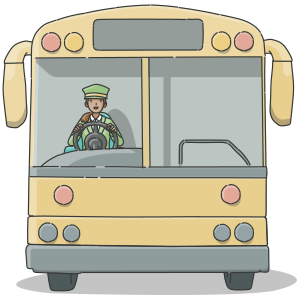
Transport system operators believe the pandemic can offer opportunities to reshape transit systems and revive cities.
Learn more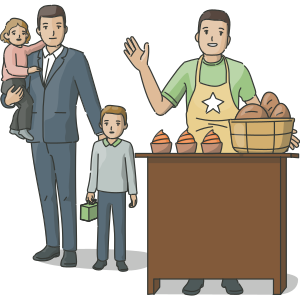
Dependents include individuals and those relying on the effective movement of goods and services like businesses.
Learn moreWe look through the lens of these groups to see how travel demand management measures could positively influence their planning, management, and use of transport systems. These insights may assist cities to re-plan and re-invent mobility in a post-COVID world.
Policy decisions made during this crisis may provide more innovation and improvements around public and active transport, but it’s not automatic. It is a matter of design and action by governments, planners, companies, engineers and individuals, and we all have a role in guiding this change.
Once COVID-19 is under control, if we are going to exit this current economic downturn, we need to boost productivity and economic activity. Activity on city roads does indicate that people have jobs to go to, and that’s a good thing. However, above a certain threshold, congestion inflicts high economic and productivity costs as well as emotional costs.
Re-thinking transport investment priorities is not just possible, it’s vital, as public funding may be diverted to health and resilience in the future. Moreover, the assumption of continued growth in travel demand must certainly be reviewed and considered in the context of what people want.
What we knew before COVID-19 was that people looked for convenience when it came to making transport decisions. In a 2019 Aurecon report, '2035 How we move people and goods', 1300 survey respondents from industry and the public in Australia were drawn to transport that saved them time.
"People look for convenience when it comes to their transport decisions."
Travel demand management measures can assist transport system managers to plan a more balanced and convenient transport network in a post-COVID world. These include:
"Policy decisions made now could unveil great innovation and improvements in mobility."
Forecasting travel demand in any set of conditions is a challenging task for transport system managers. However, the opportunity exists right now to embrace this uncertainty, refresh our experience with scenario planning and seek to identify interventions that can be adapted to a changing future while offering added resilience for the next disruption.
To explore this, Aurecon asked more than 800 of its Australia and New Zealand staff to consider which factors will shape their travel choices in a post-COVID world. We wanted to begin to understand how employees might like to work and travel in the future.
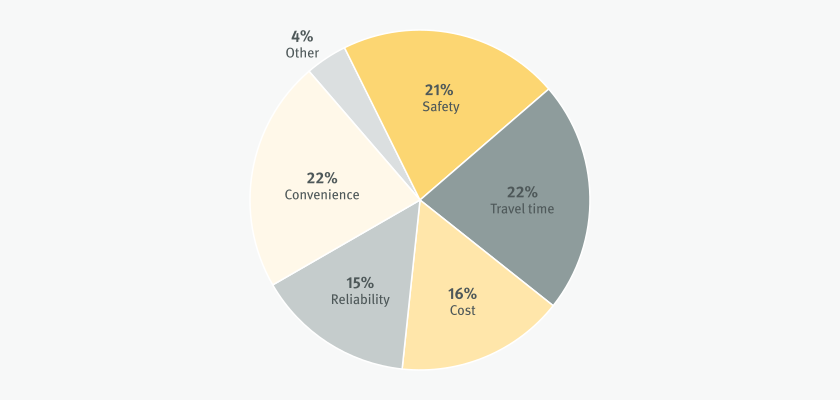
Figure 1: Factors shaping participants’ travel choices in a post-COVID world. Note: Many participants selected more than one consideration – the graph shows the total number of responses for each consideration. Specific ‘other’ considerations were not captured.
The COVID-19 pandemic offers a good opportunity to develop and implement transport policies and interventions that might not have been considered in the past.
Travel demand management measures can assist transport system managers to make transport more convenient for users. This includes a mix of more working from home, local travel and balancing public transport loading between peak and off-peak periods.
1
New businesses in local town centres as more people shop local, boosting micro-economies.
3
Boosting people’s mental health as working from home frees up commute hours to do the things they enjoy the most.
2
Improved air quality through the reduction in carbon emissions with less cars on the road.
5
Less road congestion enables better access to local town centres, and easier city access by bus, tram, train or ridesharing, making suburban areas more attractive to live in.
6
Transport travellers change their movement habits with a better balance of travel mode options.
4
When commuting to the office, people split their journey with cycling/walking and public transport, or ridesharing/carpooling.


Tap on the numbers to reveal the benefits of travel demand management.
New businesses in local town centres as more people shop local, boosting micro-economies.
Boosting people’s mental health as working from home frees up commute hours to do the things they enjoy the most.
When commuting to the office, people split their journey with cycling/walking and public transport, or ridesharing/carpooling.
Improved air quality through the reduction in carbon emissions with less cars on the road.
Less road congestion enables better access to local town centres, and easier city access by bus, tram, train or ridesharing, making suburban areas more attractive to live in.
Transport travellers change their movement habits with a better balance of travel mode options.
Hover over the numbers to reveal the benefits of travel demand management.
The opportunities include:
Our staff survey indicates that people, particularly from our Australian-based offices, may now consider driving to the office rather than using public transport. The main reason is the perceived possibility that contracting the virus is more likely to occur on public transport than in their personal vehicle, and increased congestion due to social distancing.
When COVID-19 restrictions ease:
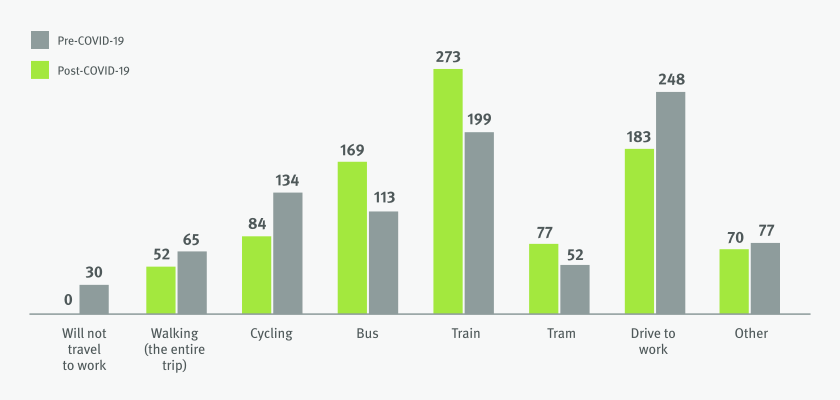
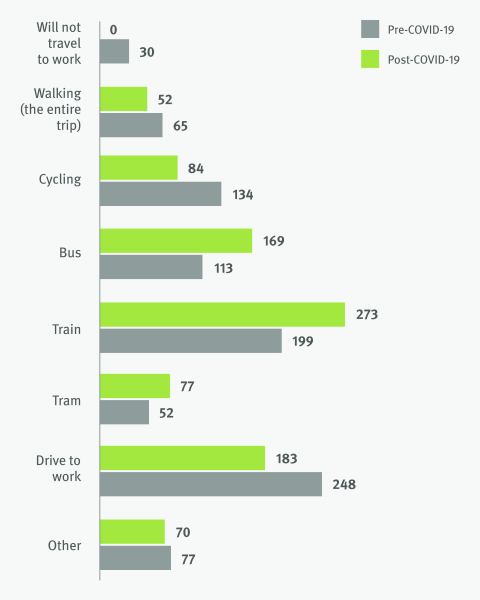
Figure 2: Participants’ expected work commuting modes compared pre- and post-COVID-19. Note: [1] Many participants selected more than one mode of transport – the graph shows the total number of responses for each mode. [2] Only main forms of transport were included. It is assumed that walking to another transport is not the primary mode of transport in a participant’s trip, therefore been omitted. [3] Other includes taxi, rideshare, carpool, park n’ ride and kiss n’ ride, ferry, motorcycle, scooter.
Long term, we want to preserve public and active transport and not loose commuters back to their cars. Public and active transport is important for balancing the demand on the transport system, keeping air pollution down, and has positive impacts on environment and human health.
For some people, the future of commuting might be no commuting at all. This kind of societal shift would further reduce the demand and likelihood of crowding situations on the public transport system.
Still, maintaining strong public transport systems is a key component of vibrant cities. Buses, trains, and other modes of public transport are vital for bringing people together and moving our population in major cities.
There are travel demand management measures that transport operators can implement to keep commuters keen on active and public modes of transport. Some of the measures mean that COVID-conscious commuting begins in the home. These measures include:
2
Intelligent transport systems
A pre-booking system for seats/spaces on certain buses, trams or trains.
3
Intelligent transport systems
Bus tracking and passenger flow monitoring technology to quickly reroute some buses when demand changes.
4
Intelligent transport systems
Automated passenger-counters or weight sensors that provide information about train-car capacity through an app or display screens at stations, so commuters can spread out by picking the least crowded carriage.
6
Road space reallocation
Sustainable transport incentives to encourage people to walk and cycle instead of taking public transport or driving.
7
Road space reallocation
Maintaining the community spirit built during the pandemic lockdown to arrange neighbourhood carpooling to work.
5
Road space reallocation
Road space rationing to encourage modes other than private vehicles.
1
Intelligent transport systems
Intelligent transport systems to provide transport operators and their customers with real time information on how their network is performing. Instant system adjustments and travel decisions can then be made.
8
Flexible working arrangements
Peak load spreading on public transport through time-of-day pricing.
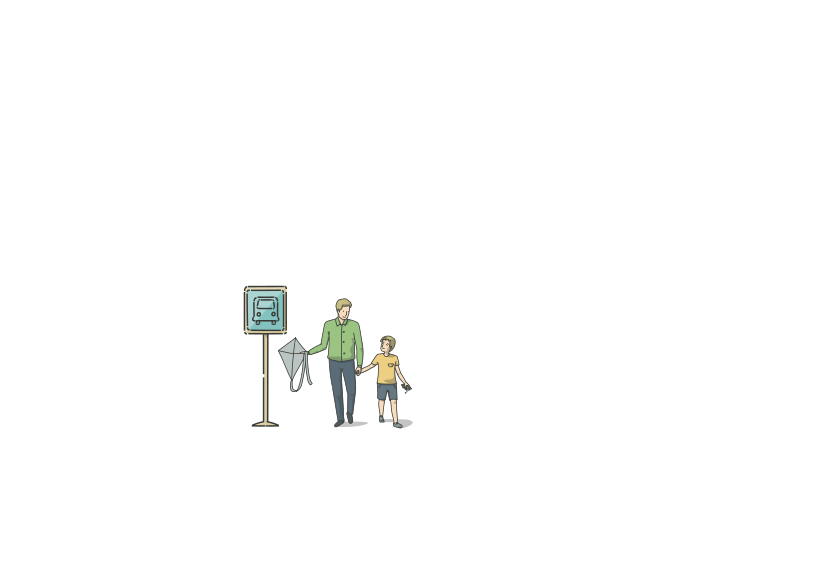
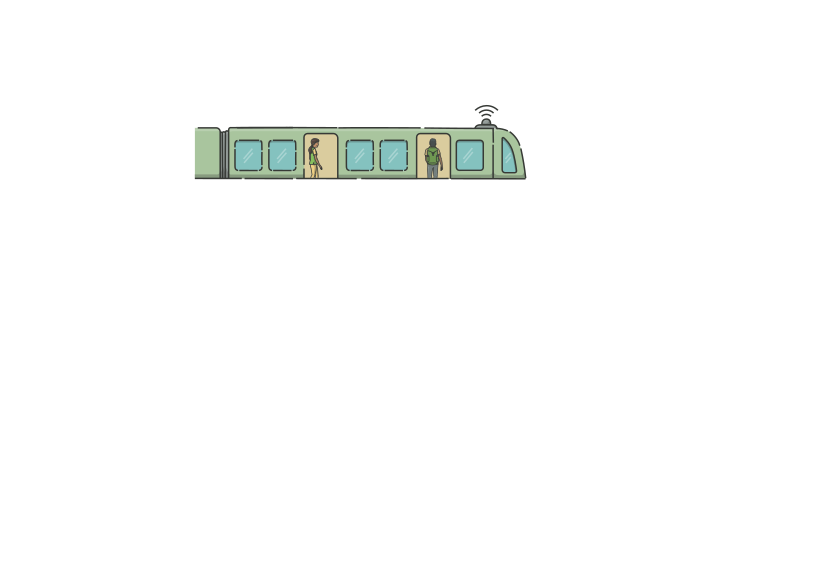
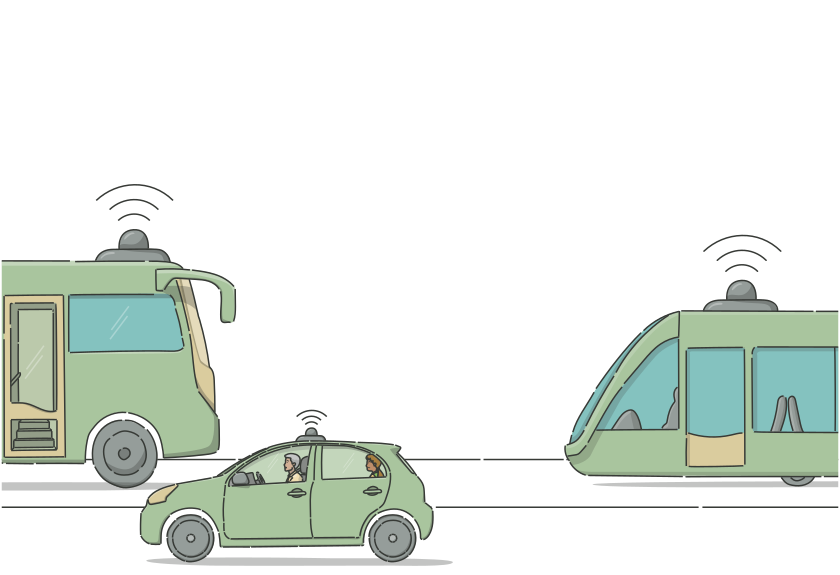
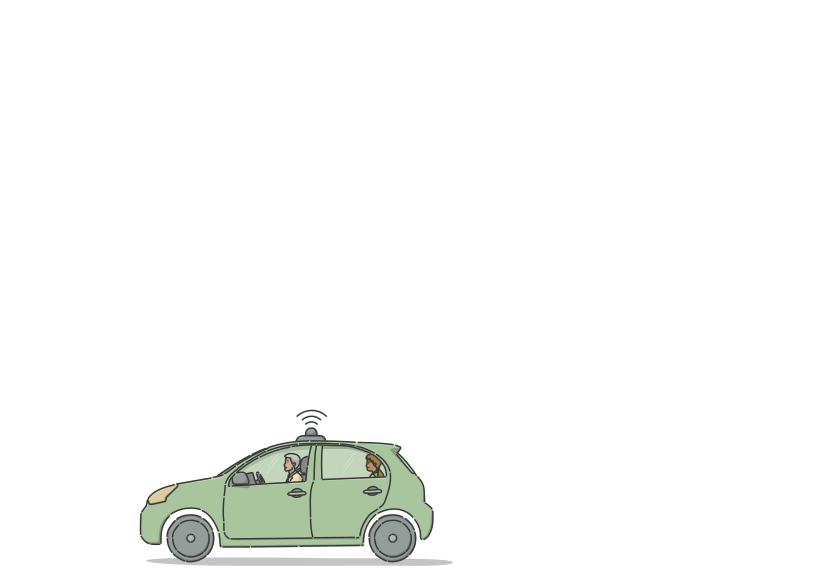
Hover over the numbers to reveal the benefits of these travel management measures.
For the Aurecon staff surveyed, the three most highly rated factors for influencing travel mode choice in the transition out COVID-19 was safety, travel time and convenience.
In addition, close to 35 per cent of staff prefer to work from the office only 50 per cent of the time once travel and social distancing restrictions ease.
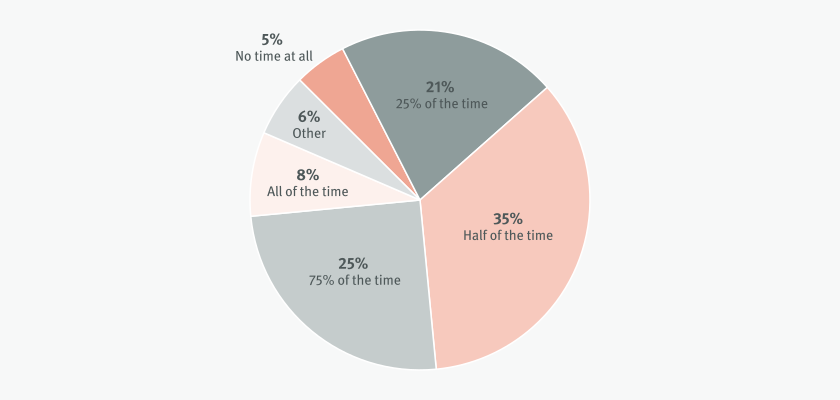
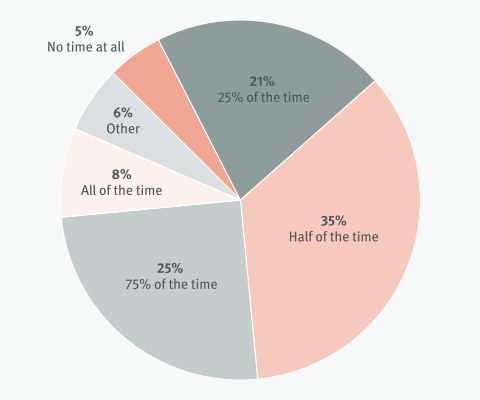
Figure 3: Percentage of time participants prefer to work from the office.
What impact will this have on our city centres? After all, many aspects of our life were designed for commuting, not working from home.
"Safety, travel time and convenience are the most common considerations for travel choice in a post-COVID world."
With these trends in mind, future investment in roads, public transport, energy and telecommunications will need to consider the likelihood of more people working from home.
Areas outside city centres will require more attention, as working from home creates a need for more evenly distributed transport networks. Such a trend could support the long-term decentralisation plans of state governments.
Below, we consider which travel demand management measures have the greatest positive impact on the two sub-groups of transport system dependents – individuals and businesses.
There is an opportunity to harness the community spirit developed during COVID-19, combined with the data we now have on travel behaviour, to reduce congestion and create more equitable and sustainable travel options.
These could include:
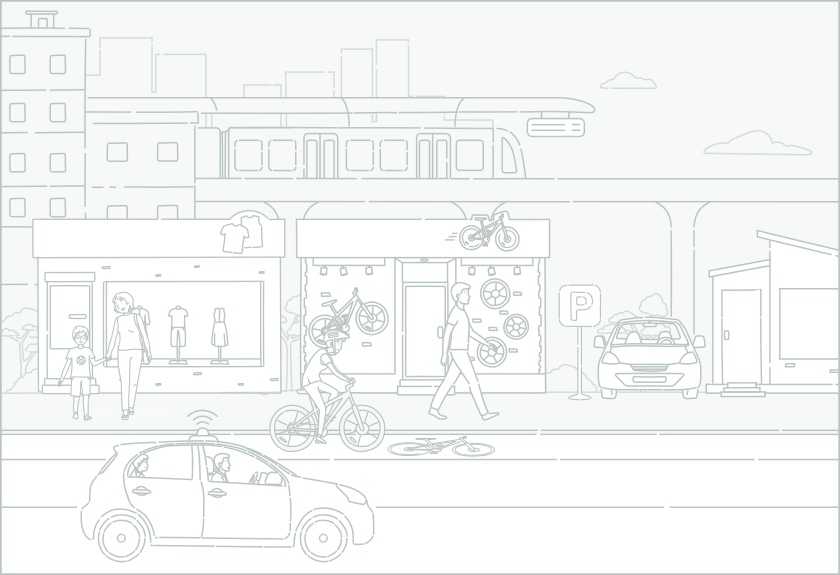
1
Segregation of traffic to support more walking or cycling.
3
Information made available about train-car capacity through an app or display screens at stations, so commuters can spread out by picking the least crowded carriage.
2
20-minute neighbourhood initiatives rolled out – giving people the ability to meet most of their daily needs within a 20-minute walk from home.
4
Car parking levies, and supply limits, discourage private car journeys to local town centres. Perceptions on the benefit of this could be conflicting.
5
Offer motorists the opportunity to cash out their apartment’s free parking allocation to reduce car travel.
6
Leverage the community spirit built during the pandemic lockdown to build the use of carpooling.
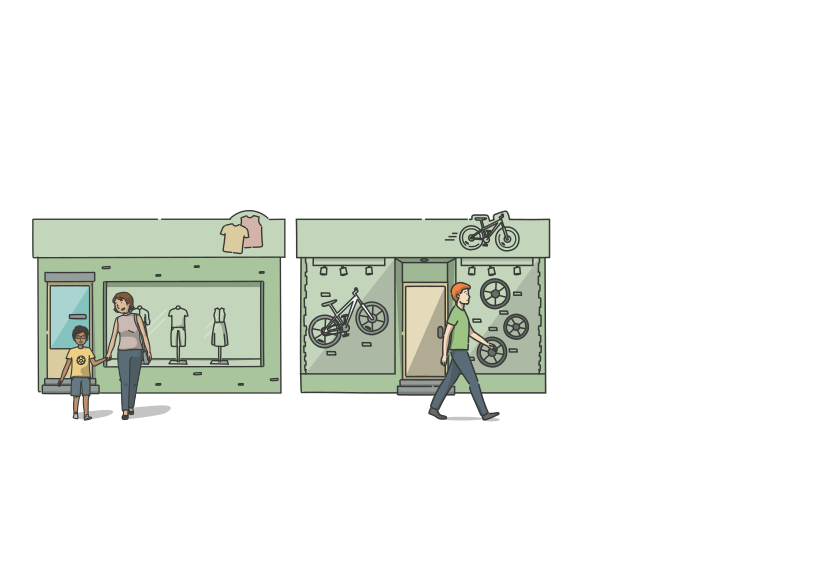


Hover over the numbers to reveal the benefits of these travel management measures.
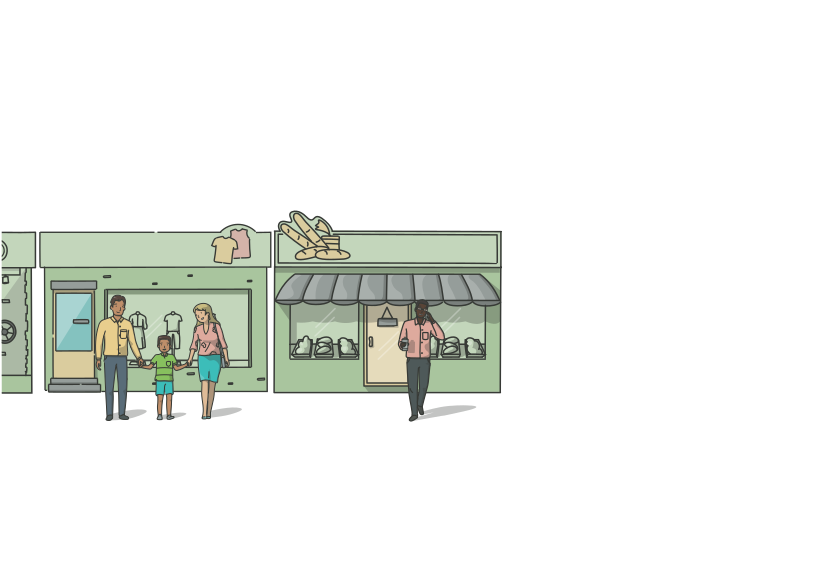
Local and regional businesses could benefit from a move towards 20-minute neighbourhoods where people may work in the suburb in which they live and will rely more on local amenities.
Local governments will need to consider:
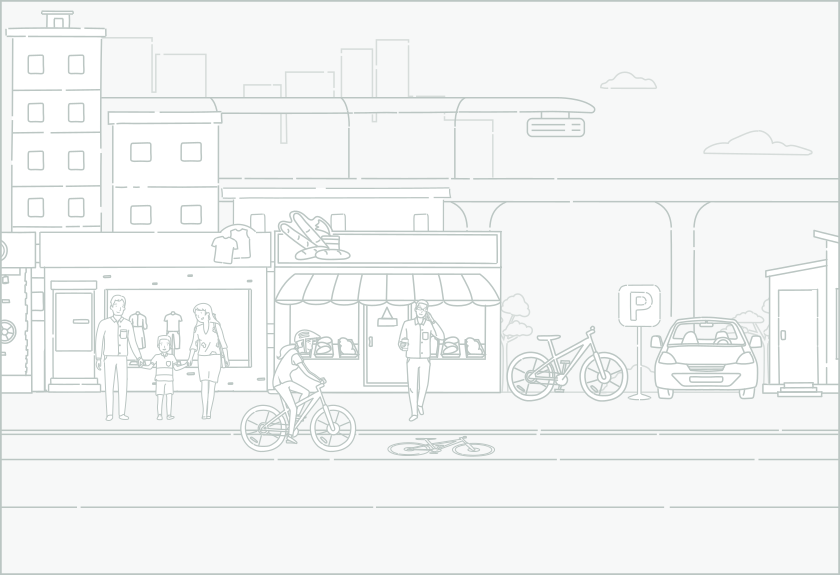
1
Provide local business centres for people to use as office space close to home.
4
Provide a greater mix of businesses within town centres to better serves people’s daily needs, to encourage less trips to the CBD.
2
Convert street parking to active transport routes or cycle parking, bringing more people to local businesses by bike or on foot.
3
Prioritise short stay parking where appropriate, and measures for protecting town centre areas from spill-over of commuter parking or road traffic congestion.
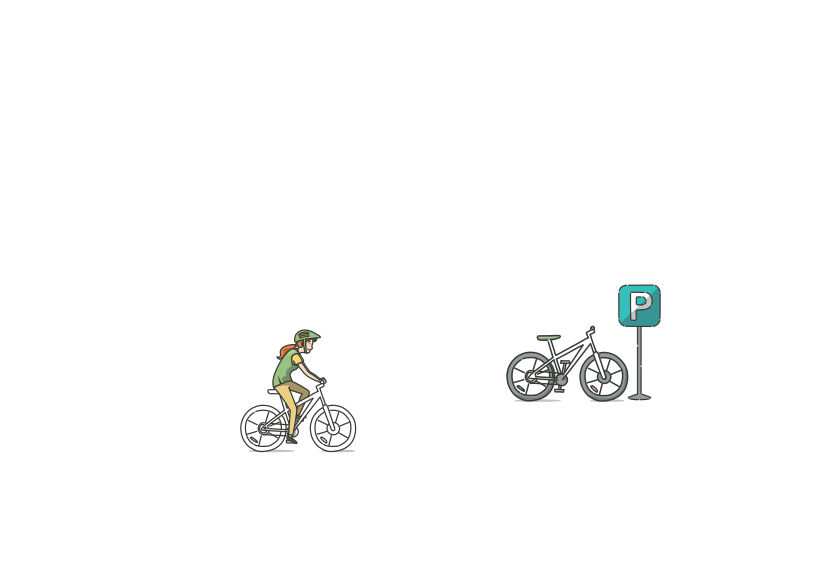
Hover over the numbers to reveal the benefits of these travel management measures.
Travel demand management measures are about initiating choice; giving people the available choices and incentives needed to satisfy different journey purposes in a way that benefits the transport system as a whole.
For those people who are choosing their cars over public or active transport at the moment, we need to understand, and act on, their underlying needs, and support them to find suitable alternatives where possible. Acting on these needs will prevent our roads becoming car parks and slowing our return to economic stability.
For the people who have transitioned to active transport during the pandemic, we have to understand and respond to their needs so that they stick with it, and contribute to making our transport network a more resilient, equitable, and seamless experience for everyone.
Reach out to us at Aurecon if you’re planning, or seeking funding, to implement travel demand management measures. This is an opportunity like we’ve never had before, and together we can reshape transport networks.

Discipline Leader, Technical Advisory, WA & NT – Australia

Principal, Transport – New Zealand
Stormwater management reflects the full complexity of water reform. From the UK's experience, five lessons Aotearoa's water sector cannot afford to overlook.
Australia's energy transition requires more than technical plans. Discover four ways to build the people, culture and capability to deliver infrastructure at scale.
Aurecon’s ecology and biodiversity expert shares how to achieve timely project approvals, what regulators want, and how to navigate regulatory changes.