Brisbane 2032: Creating lasting impact through transformative infrastructure
Aurecon shares insights on how the 2032 Brisbane Games can deliver legacy infrastructure and lasting economic, environmental and community value.


Change your location to view content tailored for you.
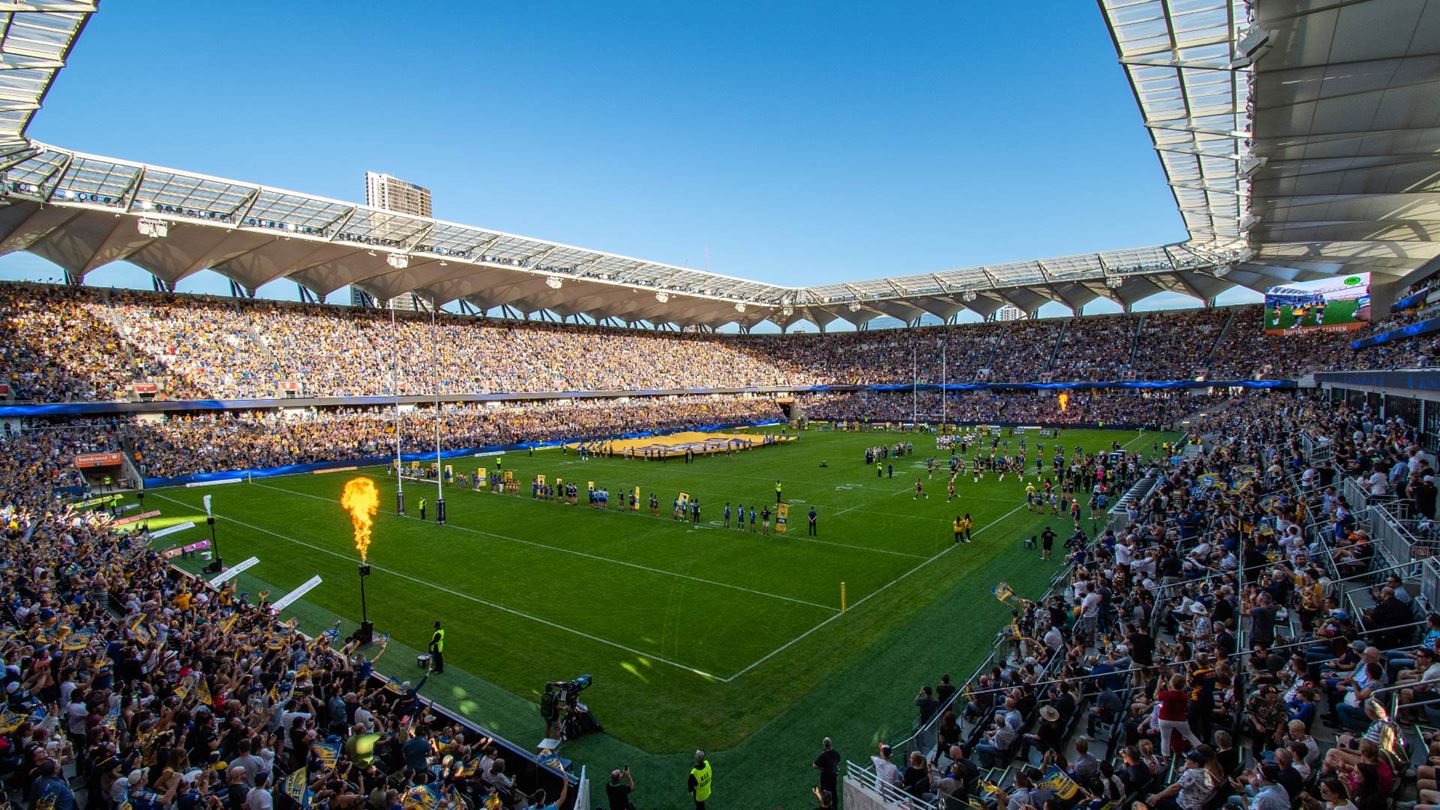
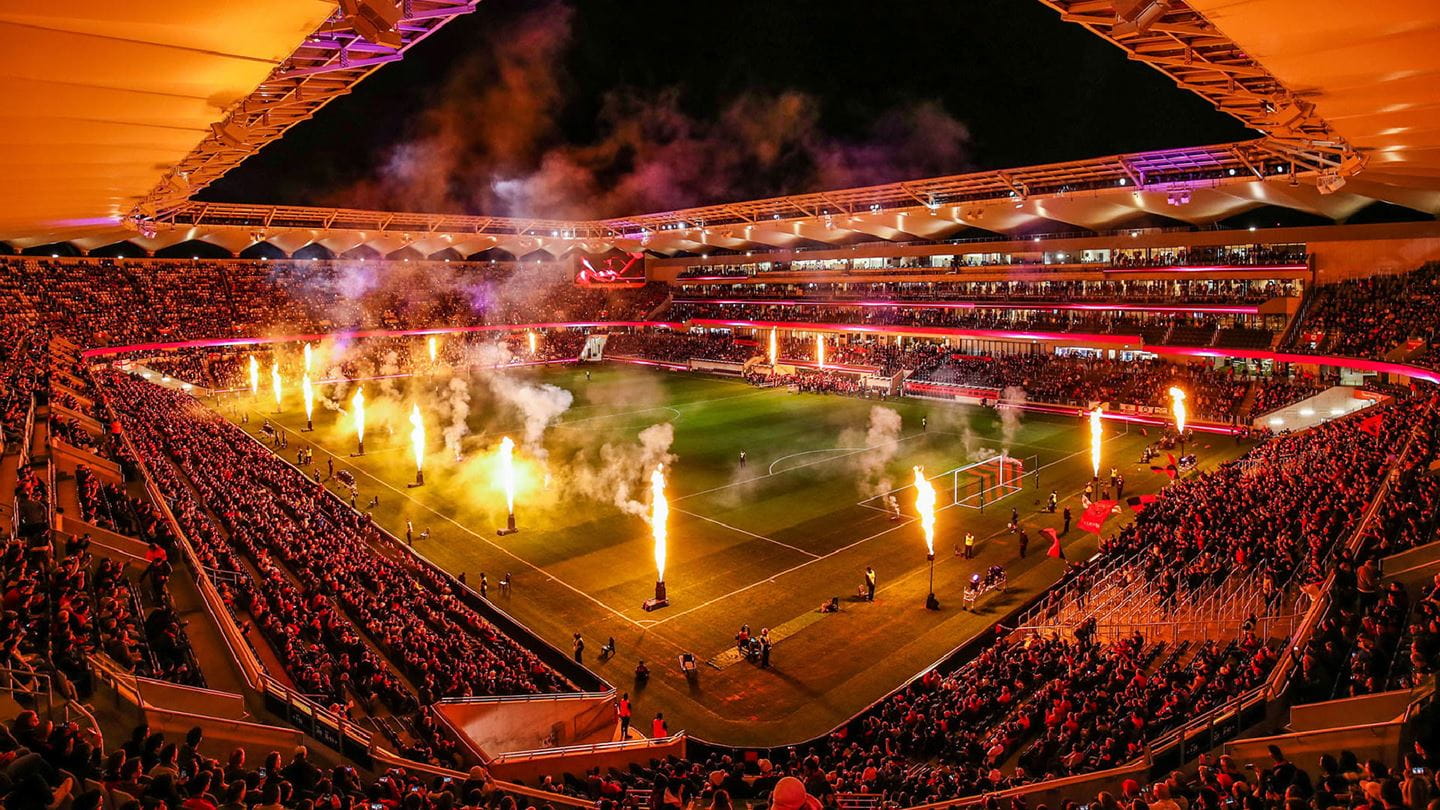
Stadia design can involve complex decision-making, as owners, operators and design teams strive to create leading-edge event spaces that will entertain as well as endure.
By their very nature, stadia and arenas are large and complicated buildings with a myriad of often competing interfaces. A decision taken at the project outset can have a profound and long term effect on the largest of scales. The wrong decision can lock an owner into unintended consequences that can last a generation.
When owners and design teams are making critical decisions about how a venue will develop, often the owner, who may only undertake such a project once in a lifetime, is rushed into making hugely significant decisions which even a hardened industry specialist would find challenging.
The result is, that all too often, as an industry we fall back on a mythology about what constitutes good venue design. We use presumed wisdom instead of true insight. We use reliance on guides and regulations instead of delivering outcome-driven performance-based design.
Here are just a few myth-busting thoughts about venue design decision-making:
Reality: Difficult sites are where you will find most success
How easy our lives would be if we always had a greenfield site with perfect access and no restrictions. For much of the 1990s that was how ‘out of town’ stadia came about, served by huge carparks resulting in sterile environments nobody wants to visit on non-event days.
A modern venue needs to be connected and part of the community. Planning and designing with long-term commercial and community viability in mind will transform any venue investment and improve the value of surrounding developments. The reason venues such as the O2 in London are so successful is precisely because they are so well integrated into the urban fabric, with all the technical difficulties that come with developing in such an environment.
Reality: The right number of seats equals optimal revenue
Creating a memorable atmosphere means having a full stadium but filling a stadium on a regular basis also makes hard economic sense, because it creates ‘scarcity value’. A product which is in short supply will demand a higher price, and sports and entertainment events are no exception.
If scarcity value can be generated, it is hugely important to football clubs because it drives the demand for season tickets and debentures, the most regular and predictable form of income. It is not necessary to sell out every match, but if the more attractive matches do sell out, then fans will buy season tickets to guarantee themselves ticket allocations for those matches, driving up attendances and revenue for the less popular fixtures.
If you are a Barcelona or Manchester United, maybe more seats mean more revenue, but across the major European leagues, stadium utilisations typically flounder at around 60 to 65 per cent on average. Many clubs would be better off with smaller stadia that sell out regularly.
Reality: Stadium bowl design is an art, not a science
Digital design technology is so cheap and available that it is now relatively easy to set up a parametric design tool to generate multiple stadium bowls based on a set of rules about sightlines, escape distances, etc. Yet, so many bowls are, while technically compliant, simply poor in terms of fan experience.
We have a ‘cult of the c-value’ (the ambiguity between size and complexity) which has led to some stadia where everyone in the upper bowl looks through a handrail because of slavish adherence to the (misguided) idea that a higher c-value is always better. We see bowls that are so sculpted in the corner that they lose atmosphere in one of the best parts of the stadium for hard-core fans (corners are the new kop end, the steep banks where spectators formerly stood, didn’t you know?).
Reality: The concourse is your High Street
Concourses need to be designed for safe, efficient circulation. But in an industry that is providing more and more extraordinary experiences for top tier guests, are we letting down our regular customers?
Top tier experiences are important. But the top tier should be the pinnacle of the experience. It should be exclusive, adaptable and offer new experiences every time. If we get the top tier right, we set the benchmark for the rest of the tiers. It defines the standard for everything that follows.
We then need different spaces, offering different experiences, at different price points. That is how we ensure something for everyone. If all that is produced is a hole in the wall selling burgers, the ability to provide an outstanding experience for customers and to generate revenue as a result will be severely limited.
So, we need to think of the concourse as our High Street, or main shopping street, offering a variety of opportunities for food, drink and non-core entertainment experiences.
Reality: The smart venue of the future will require a UX design approach
This must be the most overused phrase in our industry. Just about every Enquiry Document puts ‘Fan First Experience’ top of the list. And that is totally understandable – who would not want to provide a great fan experience, whatever that really means?
There are three primary factors that most designers currently see as contributing to fan experience, all of which are important: the journey, the quality of sound, vision and immersion in the event itself and the ability to make it easy for fans to spend money. For many people, that may be enough.
However, we need to start appealing to a new generation. A live event is no longer just about watching the game or concert – it’s a convergence of physical and digital experiences. A large proportion of the visitors to venues we are designing for today will be digital natives who have only ever known a world with the internet and smart devices.
"We live in a world with invisible technology and ubiquitous functionality which will enable us to create magic. There is an expectation that the built environment is seamlessly connected to our personal digital ecosystems."
We need to embrace the concept of User Experience (UX) Design that has increasingly become prevalent in smart product development, so that the fans of the future become long term users, not one-off customers.
Visiting the venue of the future needs to be, in the words of Don Norman, Director of The Design Lab at the University of California, 'a cohesive, integrated set of experiences'. That probably means bringing new talent into our teams to change the way we create our venues of the future.
There are so many other aspects of stadia design – safety and security, sustainability, operational efficiency, whole-of-life costing – the list is endless. The point is, as engineers, architects, project managers and builders, most of the people who bring hard-earned technical experience to this industry only have to live with the projects for a finite time, maybe four or five years at most.
For owners, and ultimately, end-users, the consequences of the decisions made in that relatively short timescale will last for decades.
So choose your professionals carefully; visit their previous projects during an event, and work out what you like (or don’t like) about them, so you can understand the art, not just the science, behind their approach. Treat the time you spend with them as a precious commodity. Do not depend on their decision-making; use that time to learn from them to improve your decision making.
After all, the stadia being designed today will be required to provide world class entertainment facilities well into the future – a future we can only imagine but which we know will require a level of sophisticated technology and end-user engagement that will guarantee the stadium’s endurance over time.
This article first appeared in Panstadia & Arena Management Magazine - 4th Quarter Showcase Special 2018.
Contributing author & reviewer: Peter Ayres
Aurecon shares insights on how the 2032 Brisbane Games can deliver legacy infrastructure and lasting economic, environmental and community value.
This fact sheet compares the community and environmental impacts of wind farm projects, and how ecologically sensitive design can deliver better outcomes.
How engineering and construction projects are evolving to champion biodiversity, through early planning, advanced technologies, and ecosystem stewardship.