Cities often have huge stadium assets that were built some decades ago, now no longer in step with the demands of a tech-savvy, sustainability-conscious, and more sophisticated public. What can be done to breathe new life and sustainability into these assets?
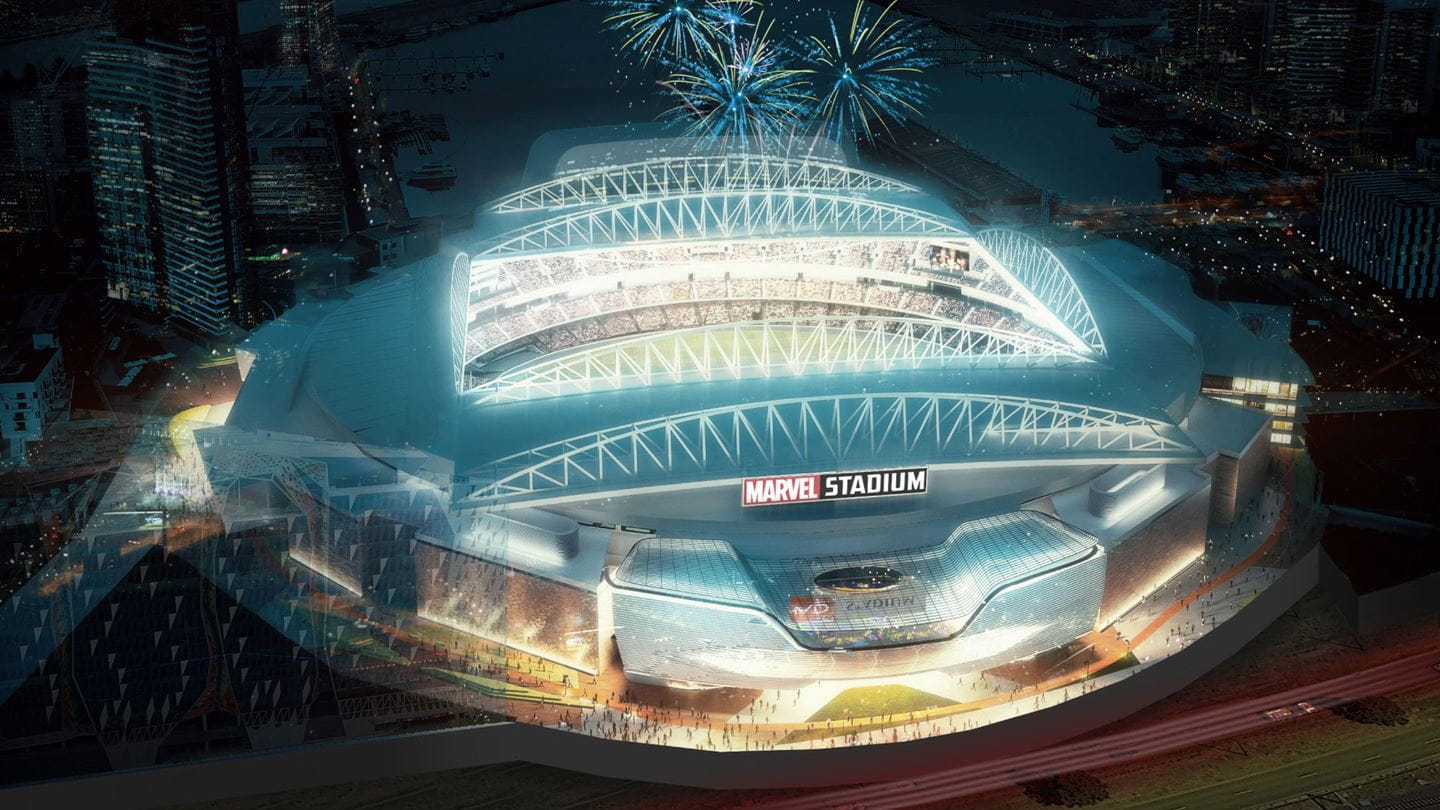
Rather than starting from scratch, with the complete demolition of the old structure, the key to a stadium’s transformation could lie in a new roof.
There will always be budgetary limitations to what can be done. Designers and engineers face huge challenges, in terms of finding solutions within budget. Main tenants may only require a few events a year, but how do you bring in new players who can fund the roof and also extend the usage to all-weather sports and more diverse entertainment and gathering events all year around?
A successful world-leading stadium design is a legacy design that involves maximising the stadium’s usage throughout its life cycle.
The case for roofing
The case for considering a new roof rests broadly on three levers:
- The potential commercial gains to be had from extended use through enabling sporting events which require an all-weather stadium.
- The public has elevated expectations because of advances in technology, especially regarding —live streaming which takes the experience of watching sports well beyond the physical space. The high quality of broadcast technology means that fans no longer accept a lack of shading, uncomfortable temperatures and humidity or a windy environment within a stadium. They have come to expect a quality, comfortable experience that will draw them back again and again.
- Thirdly, the possibility of extending stadium use to more ‘technical’, non-sporting functions such as a music concert. Even opening and closing ceremonies for events such as Olympic or Commonwealth Games and global conferences and require protection against the elements as staging them represents a significant investment risk. Turning a stadium into a multifunction venue requires the creation of the right character and acoustics to achieve an appropriate ambience while also ensuring ambient noise is contained.
Deciding if roofing is possible
‘Re-lifing’ of a stadium is a route with significant sustainability benefits: you keep and add to what you built originally, as opposed to demolishing and rebuilding it. It’s a noble aspiration we should strive for; but for it to be feasible, it is necessary to evaluate the existing structure and establish the extent of the technical challenge and cost implications.
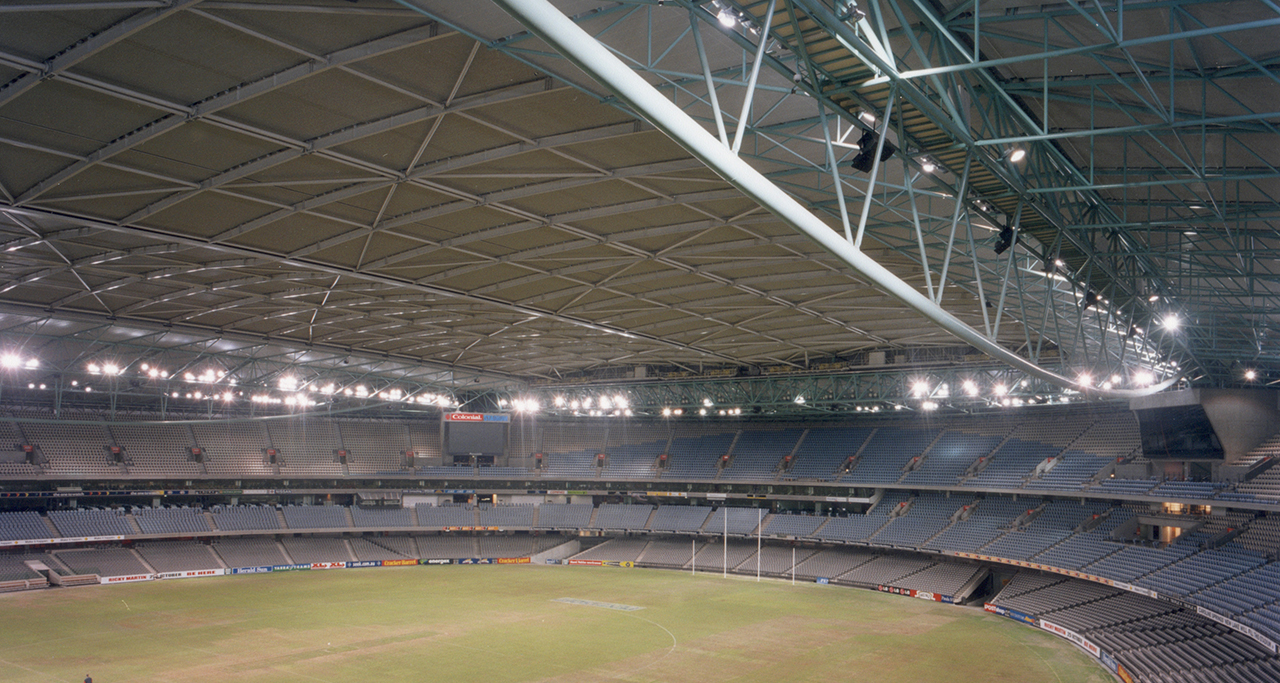
Structurally, a new roof requires fundamental changes in the geometric fabric of the existing stadium. This is strongly influenced by the basic decision on what needs to be covered: the pitch or both seating and pitch and the viability of covering either.
Whatever the preference, it will be influenced by and very often constrained by the existing structure within the seating bowl and its capacity to hold up a new roof. There will also be activities and infrastructure surrounding the stadium that will limit what can be done.
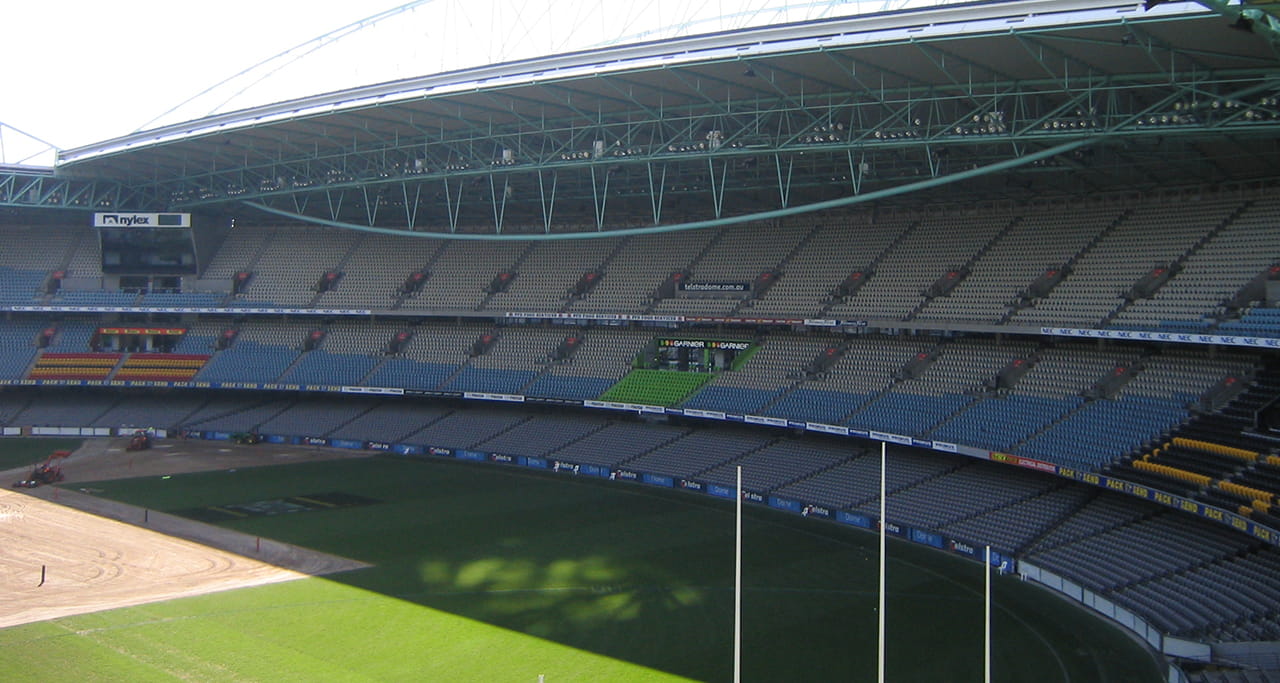
Other aspects that have to be evaluated include how the roof will affect the quality of the sightlines and the view of the scoreboard, sports lighting, grass growth in shadow zones, and fire safety and smoke management.