
Wind farms: Ecologically sensitive planning and design
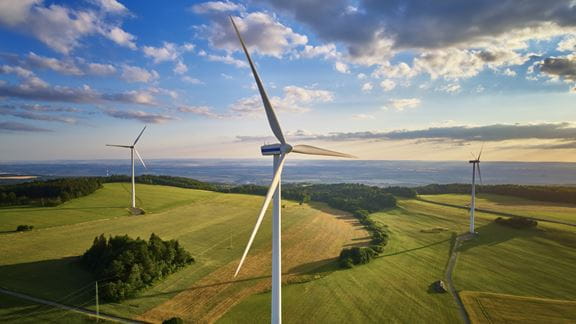
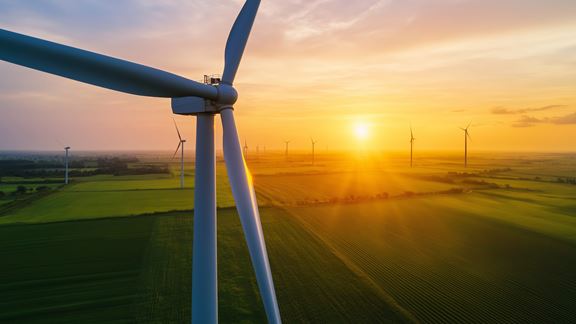
This fact sheet compares the community and environmental impacts of wind farm projects, and how ecologically sensitive design can deliver better outcomes.


Change your location to view content tailored for you.
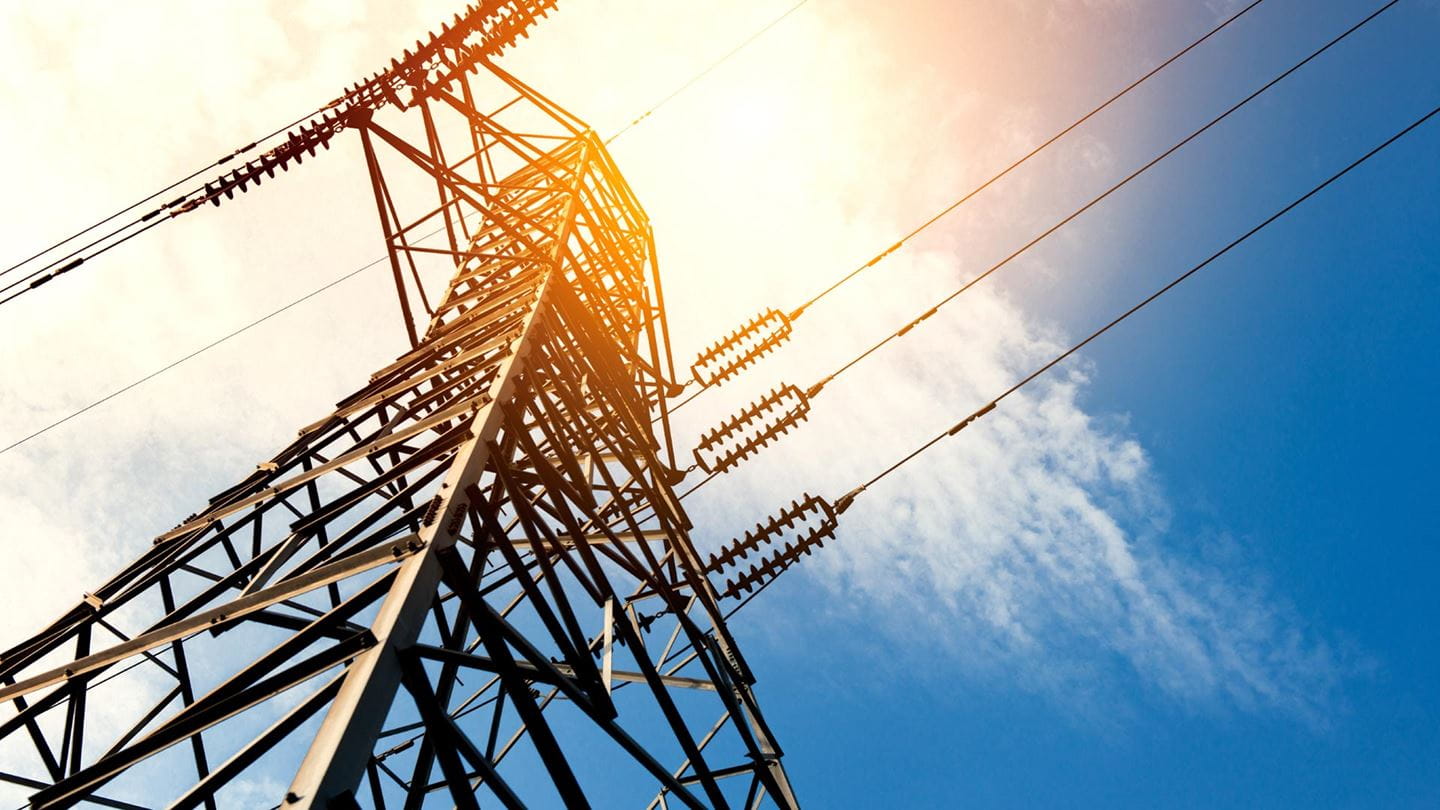
As Australia rapidly transitions towards its net zero targets, a number of new significant transmission infrastructure projects are needed to support the increased demands on the electricity grid. The question to place new infrastructure overhead or underground is considered early in the design process, and the outcome is based on a range of technical, financial and other factors.
This is a complex and sensitive issue as we work towards net zero targets at the same time as minimising the community impacts of transmission infrastructure. This white paper compares the impacts and technical aspects of overhead and underground high voltage (330kV-500kV) transmission infrastructure.

Figure 1a. Sources of disruption for overhead infrastructure.
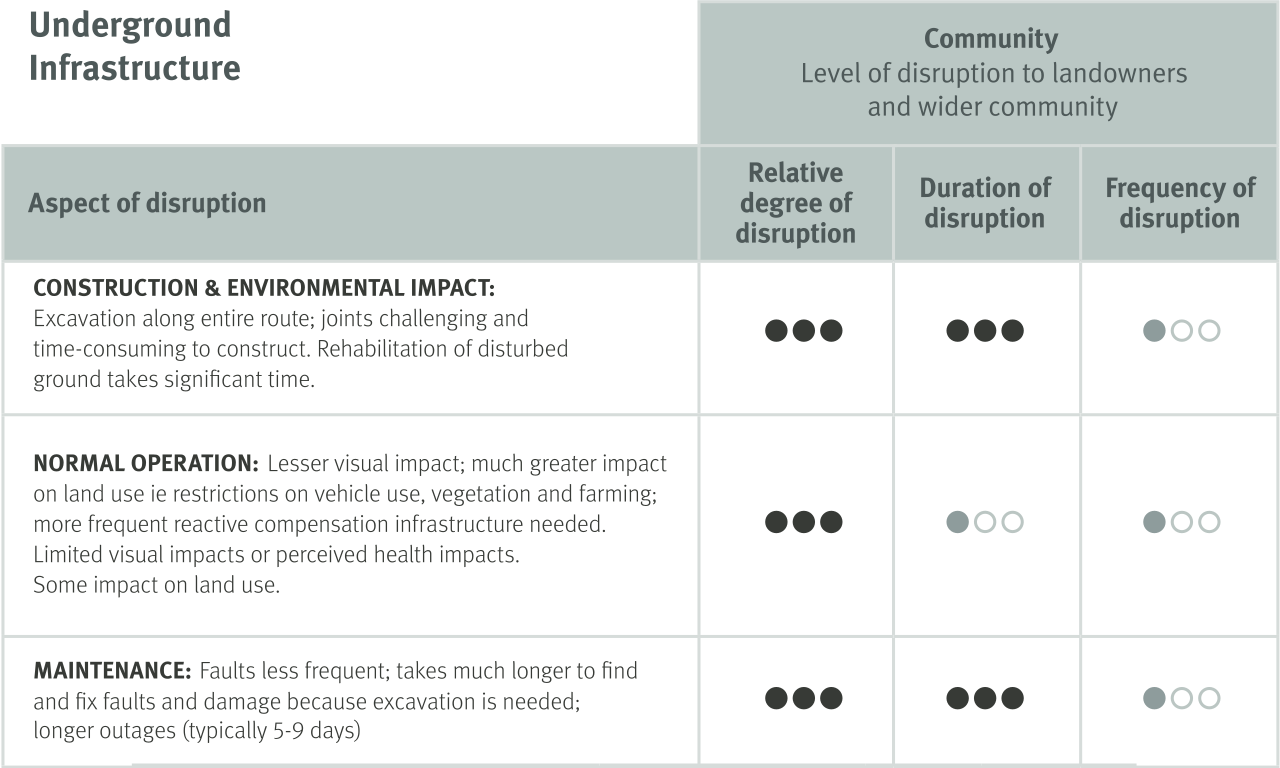
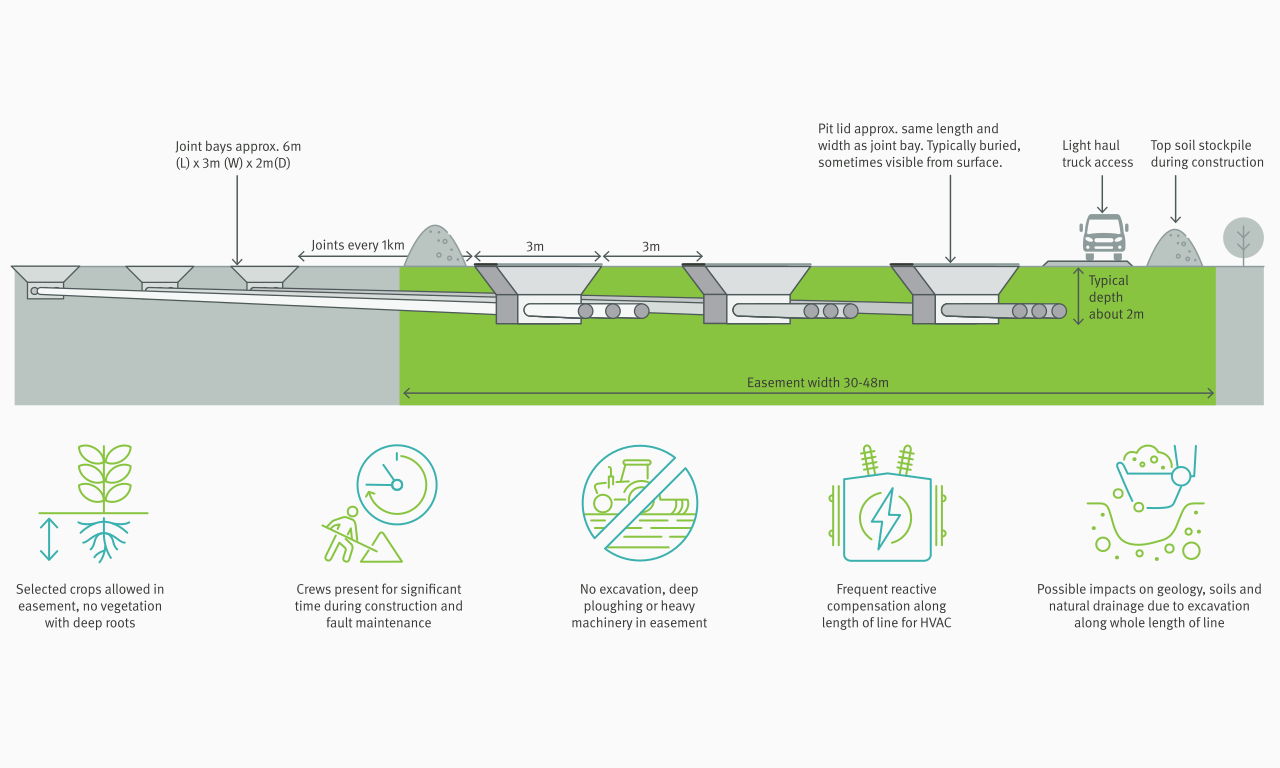
Figure 1b. Sources of disruption for underground infrastructure.


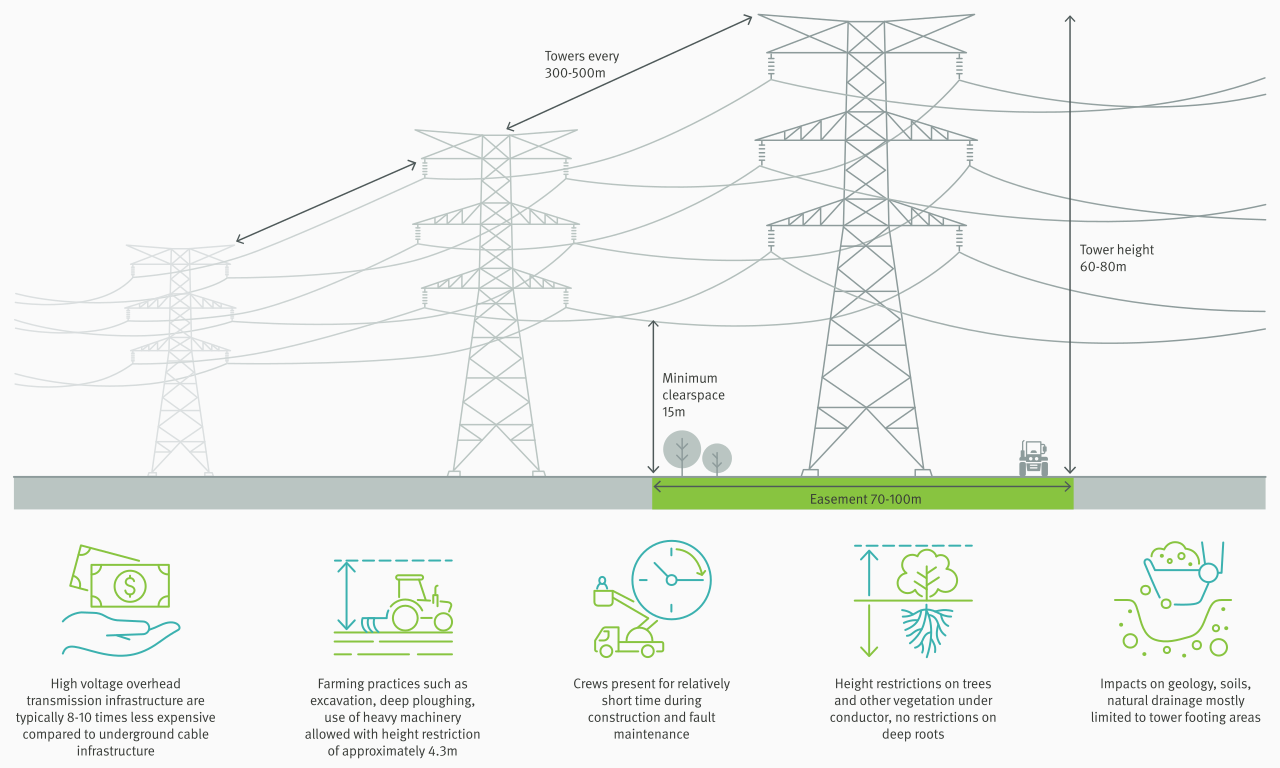

In many cases, the terrain of the proposed route precludes underground infrastructure. In particular, if the route needs to cross hilly or mountainous terrain, overhead transmission lines are the best option.
While there are still challenges associated with overhead construction in steep areas, the need for trenching or drilling makes underground transmission infrastructure prohibitively more difficult to construct than overhead.

Joints in overhead systems are easier and less costly to install, which means they cause less disruption to landowners during the installation process. Underground cable joints are technically difficult to construct, meaning they require specialised skills which are in short supply.
They are also required more frequently along a line, because underground cables are bulky and heavy, and can only be transported on cable drums in shorter segments (about 1km) than thinner overhead conductors.
Overall, the complexity and frequency of underground joints make the installation process longer, more costly and more disruptive for landowners.
In alternating current (AC) infrastructure, reactance and reactive power can cause the system voltage to deviate from its nominal value, requiring reactive power compensation and control to maintain voltage stability.
Due to their physical configuration, cables used in underground transmission have a higher reactance per unit length compared to overhead lines. This higher reactance causes underground cables to affect the system voltage over a shorter distance than overhead lines, necessitating reactive power compensation more frequently along the length of the underground cable installation.
Reactive power compensation increases the cost, construction time, and disruption associated with alternating current (AC) underground infrastructure, as large reactive compensation stations (often greater than 3000m2) must be built along the transmission corridor where compensation is required.
There are several examples of high voltage underground cable infrastructure installations across Europe and in Australia, which means that the costs and challenges associated with underground cables are sometimes justified. The presence of a few key factors can make undergrounding preferable:
Does HVDC make undergrounding possible? High voltage direct current (HVDC) is sometimes preferred as an alternative to high voltage alternating current (HVAC), particularly when considering underground transmission infrastructure. This is because using DC transmission generally overcomes the challenges associated with line length for AC transmission. In many recent projects, HVDC has been mostly used for subsea transmission exactly for this reason.
To date, DC transmission is only feasible for point-to-point connections, because it cannot easily accommodate intermediate connections.
This is because when transmission is done in direct current (DC), connecting to the predominantly alternating current (AC) grid becomes more expensive and challenging. AC-DC connections require power converter stations, which are large and technically complex systems.
In contrast, AC-AC connections only require a switching station or substation, which are more commonplace installations. The majority of new transmission projects have to facilitate intermediate connections as a key requirement from the electrical network, which makes HVDC (underground or overhead) unfeasible.
Some Australian examples of underground cable installation, where overhead transmission was not feasible due to the factors explored above, are shown in the table below.
| Project | Infrastructure type | Voltage and length | Rationale |
|---|---|---|---|
| Murray Link (2002) |
HVDC underground | 150kV, 176km | Point-to-point with no intermediate connections. Low voltage and flat terrain. |
| Basslink (2006) |
HVDC underground, subsea and overhead sections. | 400kV, underground section is 290km, overhead 95km. | Subsea, overhead is not feasible. Point-to-point with no intermediate connections. A 8km landfall segment was undergrounded to protect the landscape. |
| Victorian Desalination Project (2012) |
HVAC underground | 220kV, 88km | Single load with no intermediate connections, short length. |
| Marinus Link (proposed) |
HVDC underground | 325kV, 340km (subsea) | Subsea, overhead is not feasible. DC chosen to avoid voltage regulation issues associated with line length. On-land segment will be undergrounded because it simplifies DC/AC converter design in this case. |
| Powering Sydney’s Future | HVAC underground | 330kV, 20km | Urban area, overhead obstacles preclude overhead transmission. AC needed to integrate with existing grid at several locations. |
| DirectLink | HVDC underground cables (primarily buried, some mounted above ground) with short HVAC overhead section. | Approx. 63km long. Underground sections are 80kV, overhead section is 110kV. |
Point-to-point with no intermediate connections, low voltage and relatively short length. |
High voltage transmission infrastructure is essential to achieving Australia’s energy transition. The solution for any individual project depends on multiple factors and needs to be done with sensitivity and empathy for the directly impacted landowners and communities.
Aurecon, an Asia Pacific engineering consultancy, specialises in delivering optimal design and social solutions for challenging projects with complex requirements. Aurecon works with clients to develop the optimal solution for each unique project.
Contributing authors & reviewers: Hester De Wet and Willem Visagie

Principal, Energy – Australia

Principal, Power Transmission & Distribution

Principal, Power Transmission & Distribution – NSW & ACT, Australia

Principal, Engagement & Change Advisory – Australia

Director, Engagement & Change Advisory
This fact sheet compares the community and environmental impacts of wind farm projects, and how ecologically sensitive design can deliver better outcomes.
Australia's energy transition requires more than technical plans. Discover four ways to build the people, culture and capability to deliver infrastructure at scale.
Aurecon’s ecology and biodiversity expert shares how to achieve timely project approvals, what regulators want, and how to navigate regulatory changes.