Change your location to view content tailored for you.

13 February 2023 | 9 min | Article

Education is integral to the development of functioning societies, creating the foundations for learning, health and well-being. Much attention is paid to maintaining required levels of education infrastructure to meet rapidly expanding populations. On top of this, delivery agencies are facing pressure from macro-environmental factors such as global supply chain disruptions, decarbonisation, climate change and finite budgets.

Independent Schools Australia predicts that school enrolments will increase by 1.2 per cent per year over the next decade[1]. This equates to an additional 500,000 student enrolments. If the average school size across all sectors was approximately 700 students, this would mean 700 new schools would need to be constructed in the next 10 years (from 2022 figures).

While building new education infrastructure will be essential, it is also critical that education facilities are sustainable in their safety, longevity, resilience, flexibility and reliability. Achieving this will take a change to modern methods of construction (MMC) to gain timeframe and cost efficiencies, and to have the ability to deliver projects concurrently.

Aurecon is experiencing first-hand the rise in the application of MMC reflecting the value this method provides when there’s an immediate need for sustainable, and flexible, infrastructure delivery, coupled with materials and labour shortages, and sustainability objectives.

What is MMC?

Modern methods of construction (MMC) is an expedited process suited to repeatable aspects within infrastructure, which is scalable and flexible. This makes projects more agile, enables supply chain involvement earlier in the process, and prevents time value being lost in the end-to-end construction process.

It is a broad overarching term that includes, but is not limited to:

  • Design for manufacture and assembly (DfMA)
  • Offsite manufacture (OSM)
  • Industrialised construction

The MMC toolkit

Designing differently is the foundation of MMC, with optimisation of design that includes streamlining the coordination and integration of the component kit-of-parts to improve quality and time, although, it still involves transporting very large components to a construction site, often at high cost.

The MMC toolkit includes four main forms of design and build:

The building is designed as a series of ‘volumes’ with walls, floors and ceilings (and roofs) manufactured as complete spaces off-site, ready for on-site assembly.

Advantages:

  • Unit manufacture occurs in parallel with on-site works, saving time and on-site labour

Hurdles:

  • Significant investment required for factory set-up and production which may create lag between capital expenditure and revenue
  • Transport of over-sized units can be problematic, including ensuring units are weatherproof
  • Several deliveries required to complete a single project

A building’s panels are stacked and fixed generally without the need of external access scaffold and are manufactured in parallel with on-site ground works and preliminary services installations.

Advantages:

  • Flexibility of build to accommodate minor tolerances if required on-site
  • Panels configured to combine facade treatment, insulation and internal finishes in a single panel
  • Optimised delivery logistics

Hurdles:

  • Services can be cast into the panels but can create issues with commissioning and operation in the longer term
  • Requires on-site finishing work to connect panels

Standard components, such as beams, columns and floor plates are designed together with fixings and shipped to site as a kit-of-parts ready for on-site assembly.

Advantages:

  • Volume can drive down component cost and delivery logistics are optimised
  • Best suited to single use high volume products, such as multi-story buildings
  • Assembly on-site of the components is fast, clean, and safe, and lends itself to automation

Hurdles:

  • Incorrectly assembling modular components can lead to product failure which is difficult and expensive to replace

Sets of components or assemblies that can be put together in a multitude of different ways to create multiple different products.

Advantages:

  • Creates standardisation at the component level, while retaining flexibility of design at asset level
  • In terms of current supply chain challenges, and labour force constraints, it is arguably one of the simplest approaches

Hurdles:

  • Requires volume to make it commercially viable
  • One of the hardest to make work given today’s contractual landscape, commercial models, and its potentially truly disruptive approach

CASE STUDY

Modular construction of schools

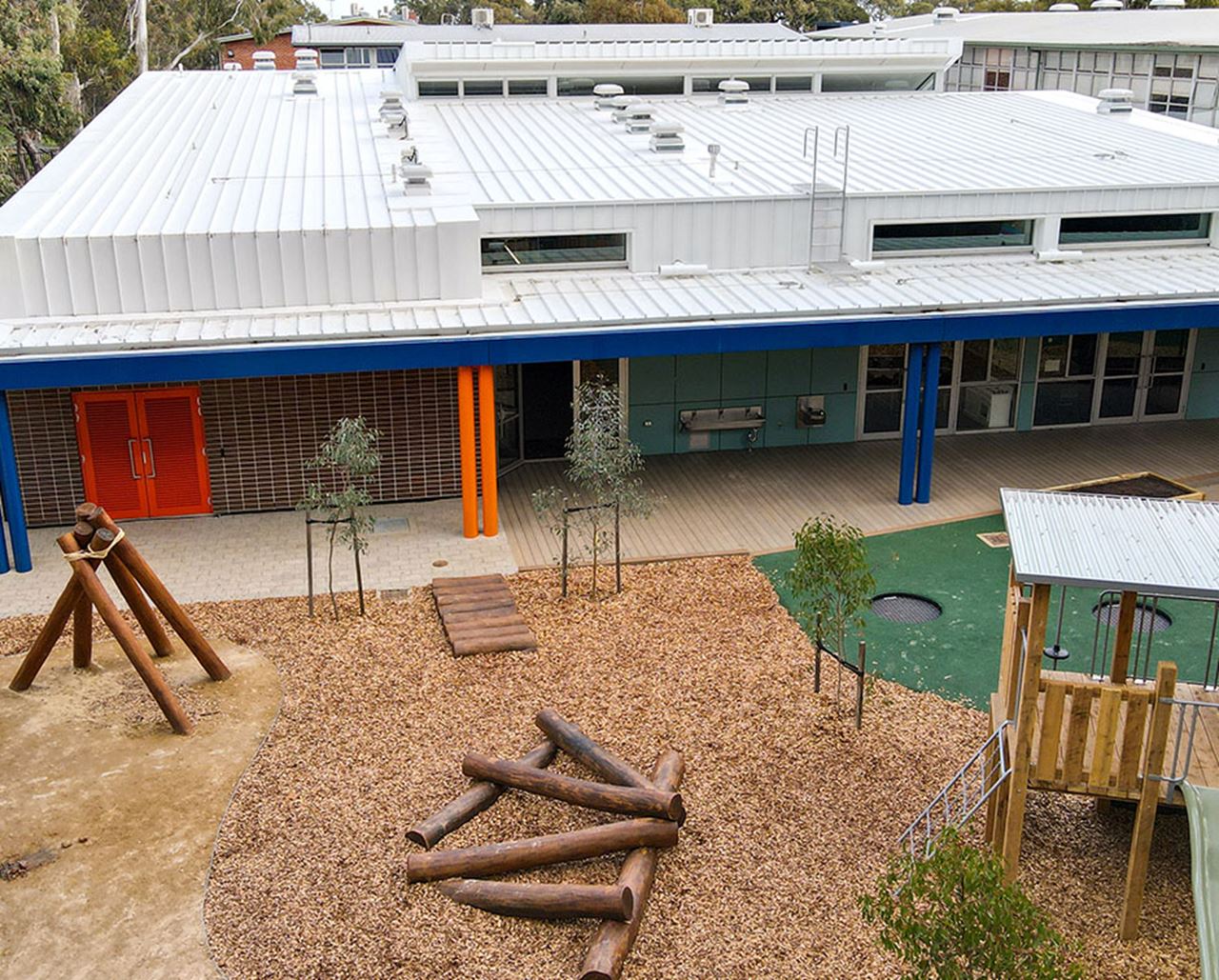
In the largest investment in public education in South Australia’s history, the government is funding school upgrades in a massive building programme. Aurecon is designing modular buildings for 21 school sites.

To minimise disruption to school operation during the works, entire buildings are manufactured off-site and then craned into position where second fix activities and landscaping is undertaken. Higher levels of quality control and faster construction programmes are two of the many features of this approach.

Upgraded classrooms and facilities will provide state-of-the-art spaces for learning across the State for future generations.

MCC benefits

There are many benefits that MMC provides to the building process, including that it is more sustainable, safer, more reliable and highly durable.

Greener construction icon

Sustainable

  • Less waste material. Construction waste material is significantly reduced as mass production is carried out in a controlled factory setting.
  • Energy efficiency. Providing fit-for-purpose spaces comes with energy and carbon emissions savings as the embodied carbon within materials can be more accurately controlled.
Safer construction icon

Safer

  • Improves worker safety. Reducing on-site building construction lowers the number of trades simultaneously on site, improving safety and security. It also reduces working at height requirements.
  • Eliminates the need for hot and wet works on site. The use of hazardous tools on-site is reduced.
  • Minimises disruption on-site. With components arriving in parts, less space for fixing is required on-site and existing operations can continue.
Reliable construction icon

More reliable

  • Reduces construction schedule. Projects can be completed up to two times faster than traditional construction because building and site foundation works occur simultaneously.
  • Resilience to weather. Modular builds can still proceed during inclement weather.
  • Cost certainty. Exact quantities of construction materials are defined early, together with greater predictability of factory workforce requirements.
  • Supply chain. Repeatable designs and increased volume per part enable best-for-project sourcing and/or automation opportunities.
Durable construction icon

Highly durable

  • Bespoke quality materials. The same architect-specified materials used in traditional buildings can also be used in MMC projects; for example low-carbon timber and cement, and recycled steel.
  • Extensive design opportunities. Prefabricated units can be designed to complement existing buildings by using data-rich digital engineering tools to position structures with their site-built counterparts. The layouts and finishes of each MMC-built building can be customised even though the same kit-of-parts is used.
  • Quality control. Enables high levels of quality control and ensures strict adherence to performance standards.
  • Future maintenance. An MMC build through a standardised kit-of-parts approach can provide benefits in asset management and maintenance.

CASE STUDY

Temporary expansion of major emergency department

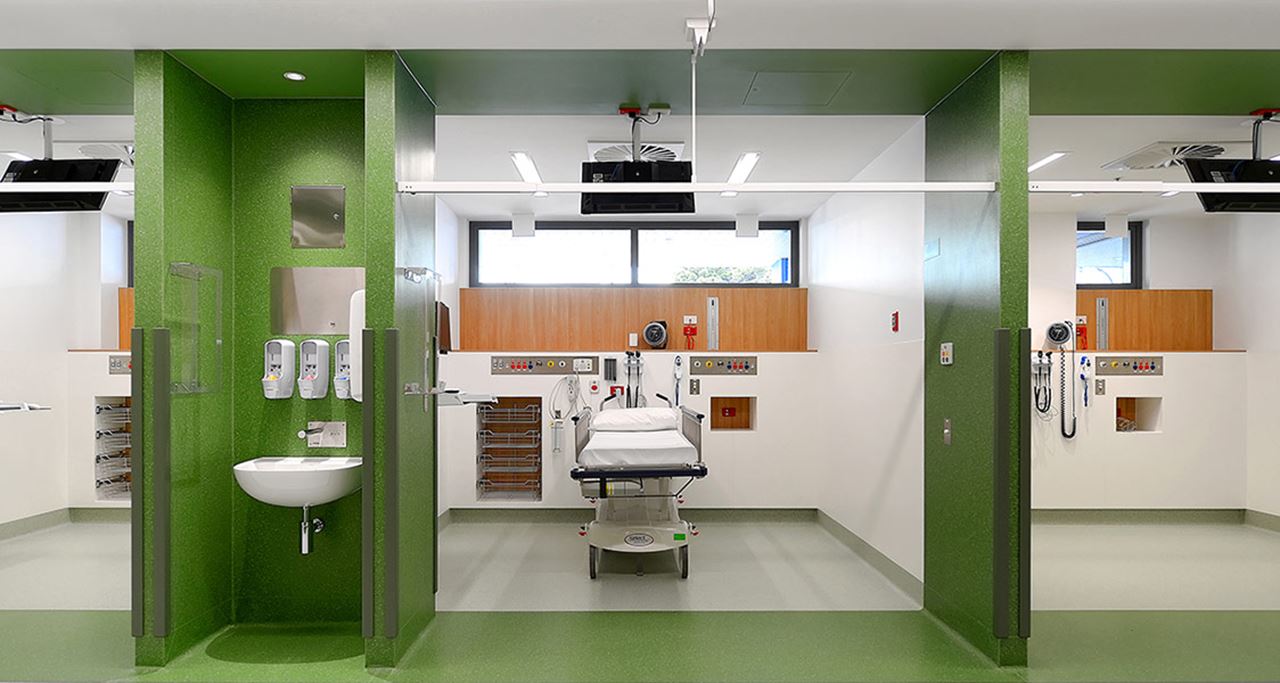
To temporarily expand healthcare services during the pandemic, complete rooms to isolate and treat patients were manufactured off-site in a factory-controlled setting and built to specification for Monash Medical Centre’s emergency department in Victoria.

These modules became the centre’s temporary emergency department during the pandemic and included ventilation, medical supply systems, nurse call, fire protection, power and data.

Aurecon worked closely with the managing contractor, and trade contractors, to ensure that modules and their associated engineering systems were procured and installed to meet the challenging three-week site fit-out period.

The temporary facility has now been relocated to another Monash Health campus to be re-utilised, with the Monash Medical Centre Emergency Department Expansion Project now complete.

Health facility delivery in action

As MMC makes great strides in popularity, some hesitancy in its use still remains. The common misconceptions generally relate to the poor reputation of traditional prefabricated buildings; the same uninviting look, with limited ability to flex with changes in contemporary teaching methods, and structures that are limited in their sustainability or energy efficiency.

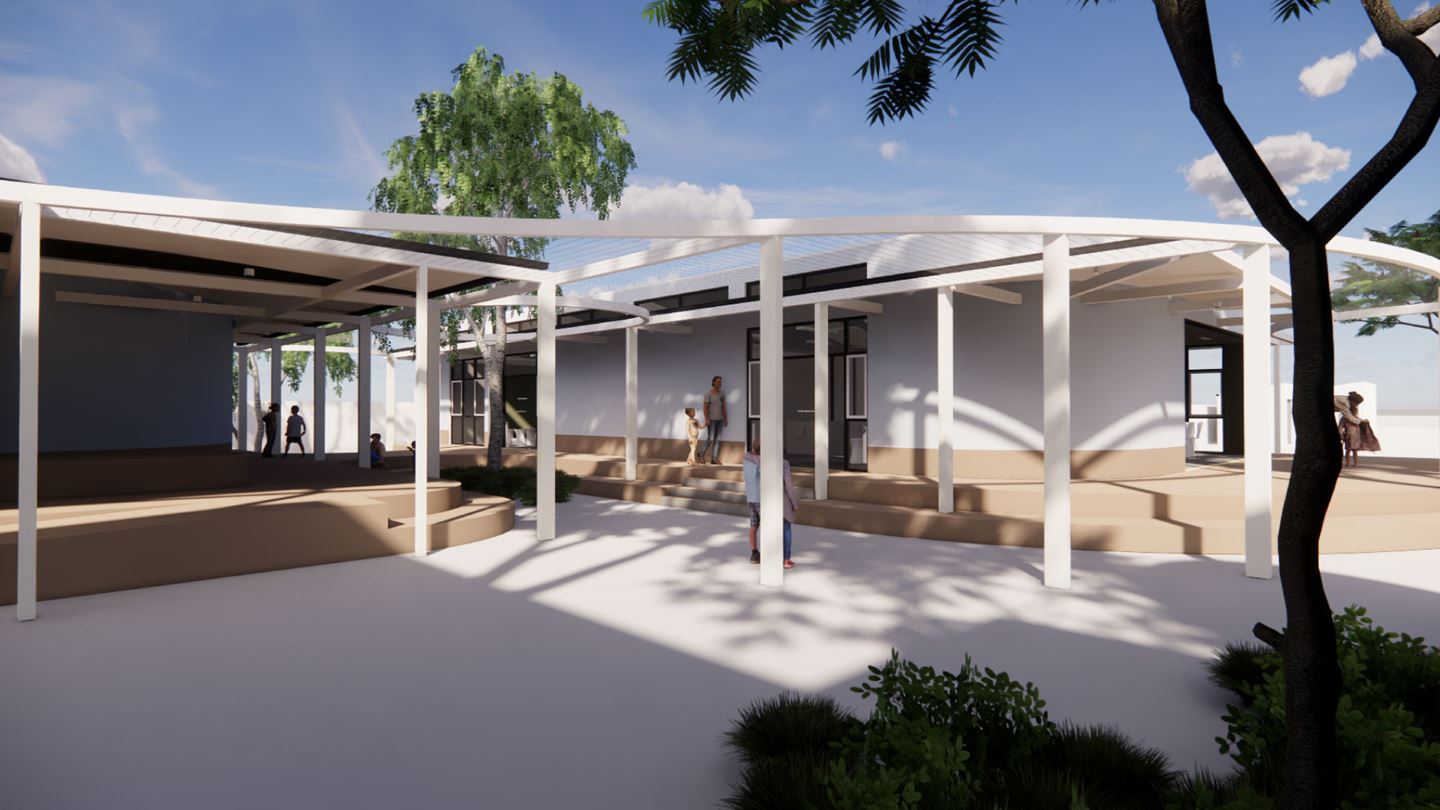
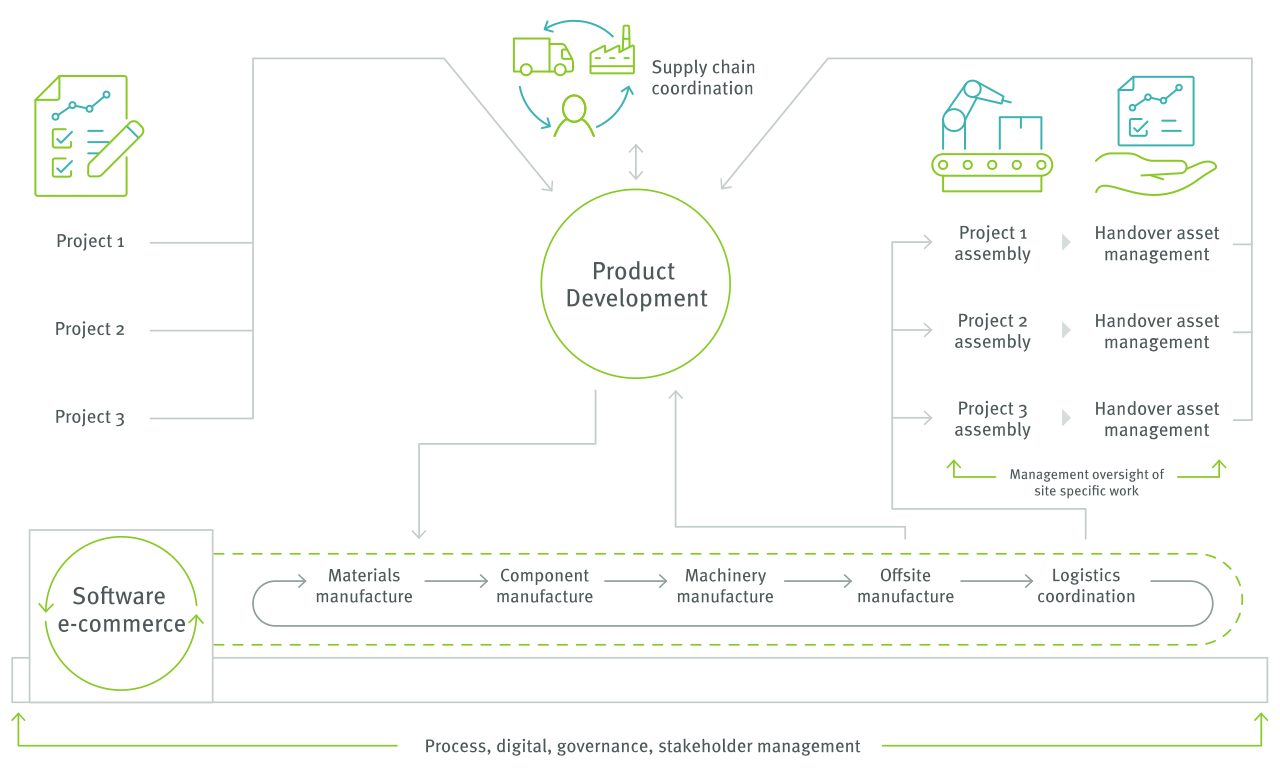
From experience, Aurecon believes that applying modern methods of construction to infrastructure development enables the rapid delivery of high-quality, bespoke and sustainable education facilities that provide flexible, contemporary learning environments for staff and students (Figure 1).

square iconplus icon
Figure 1: Using digital engineering tools, developing innovative designs and collaborating along supply chains are essential for successful MMC.

MMC drives greater value within the construction industry. Using repeatable, cross-sector components creates the economies of scale that, as in the manufacturing sector, allows the industry to continually drive down time and cost while increasing safety, productivity and quality.

Data-rich digital engineering

MMC unlocks the true power of digital design and simulation. Components that work within defined parameters and rules allow automated, computational design processes, creating digital models in short timeframes. This speed allows designers to test many more ideas, drawing from a much wider, richer range of potential solutions than is possible using traditional methods.

These iterative designs, generated using leading digital construction technologies, can be tested and refined through simulation of energy balance, pedestrian movement, air flow and ventilation, and fitting with existing assets.

The result is a more precise apportion of risk during the procurement process, while also achieving environmental, social and governance (ESG) outcomes – both during and after construction. This can also apply to other areas such as occupant health and well-being, cultural and equality outcomes.

The digital model becomes an integral part of the asset management requirements of buildings, enabling both capex (capital expenditure) and opex (operating expense) to be optimised. If developed correctly, these models can be used deep into the lifecycle of assets with the assistance of a digital twin, or at least an integrated building information system.

CASE STUDY

Modular hospital emergency departments

In January 2022, with rising COVID-19 infections and winter rapidly approaching, Aurecon was engaged to manage and lead the design and construction of three highly technical modular hospital emergency departments. Collaborating with architects and contractors, Aurecon contributed to the design of three unique departments, approved by each respective health agency within five weeks of the team’s appointed, and oversaw delivery within six months using modular construction. This is compared with a traditional emergency department development with a design programme of 18 months and a further 18 to 24 months for construction.

This rollout of extra emergency departments at Class N capacity is an outstanding demonstration of an agile team, with a community-centric mindset, delivering value for the client and patients. It was achieved through proactive management and collaboration across all aspects of the project team, including early engagement with the supply chain to ensure availability of materials and construction activities to occur concurrently.

These innovative modular facilities, delivered within an extraordinarily tight timeframe for June-2022, are state-owned, highly technical health facilities, and can be repurposed to suit future needs.

Disrupting education infrastructure delivery with MMC

The construction sector lags behind the productivity of other industries, and this is having a significant impact on the speed of delivery of major infrastructure, including vital education projects. Disruption is needed to create the step-change required to deliver sustainable, reliable, durable and cost-effective learning facilities for future generations.

MMC requires a significant mindset shift in how the construction industry approaches risk transfer, fair return, and shared responsibilities.

A good place to start is by collaborating closely with partners across the supply chain, adopting a holistic approach to understanding and delivering value – one that prioritises continuous improvement, customer satisfaction and data-driven decisions, based on outcome and risk modelling.

References

[1] Independent Schools Australia, 2022, School Enrolment Trends and Projections ISA Research Report.


Contributing author & reviewer: Robbie Claase

Get in touch with our people

Or contact an office near you.
Hayley Wardrop, Aurecon
Hayley Wardrop

Industry Director, Health, Education & Research – Australia